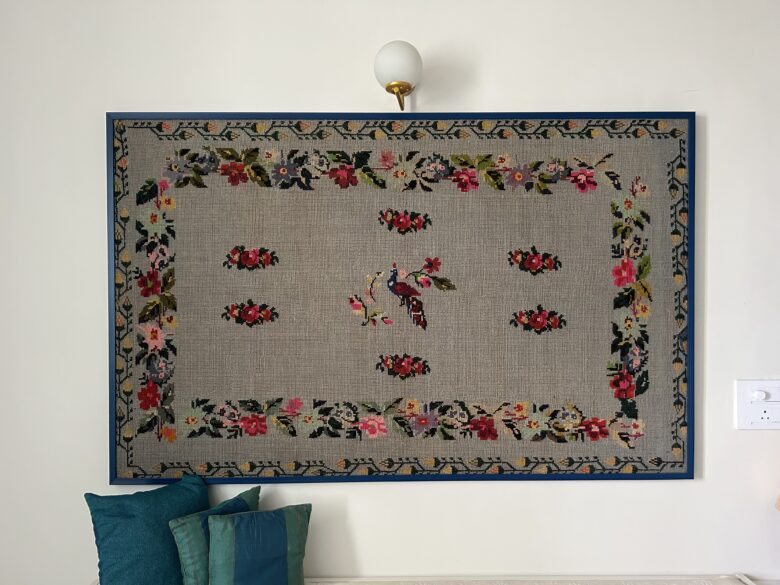
Lost and Never Found: Young Razia’s life in her Beloved Delhi

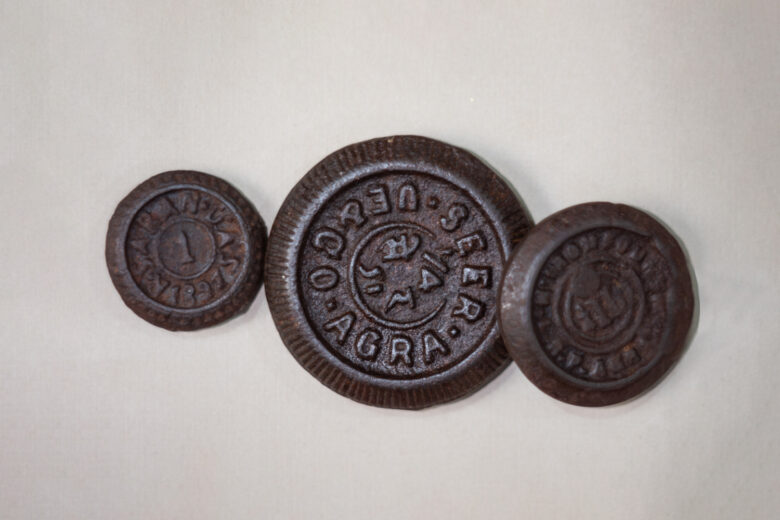
When an object has witnessed Partition, it ceases to be ordinary. In the case of my maternal grandparents, these objects were a framed portrait of my nana, his personal diary, and a silver drinking bowl. A photograph of my nani, Razia Ummul Baneen, holding her first born, my uncle, in her arms. The family also carried a folding wooden chair, a sewing machine, its table and motor, some clothes, and a tarazu. All these made the journey from Delhi to Karachi.

Thap Bubu’s Vanity Box

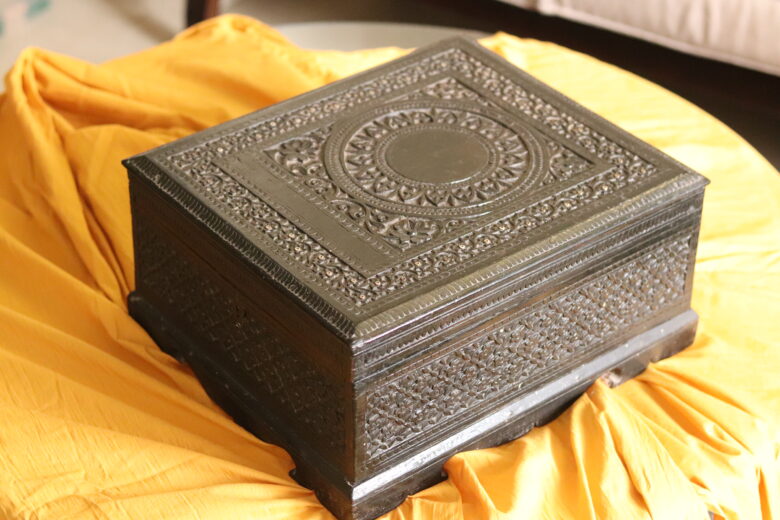
Sitting sizeably, at 14 inches in length and 12 inches in breadth, this dark wood box could easily be mistaken for an ornately carved low side table. However, come closer and the magic inside is revealed. The vanity cum jewellery box from the early 1900s, sits pristinely preserved in the hands of its third owner.

A Tin of One’s Own

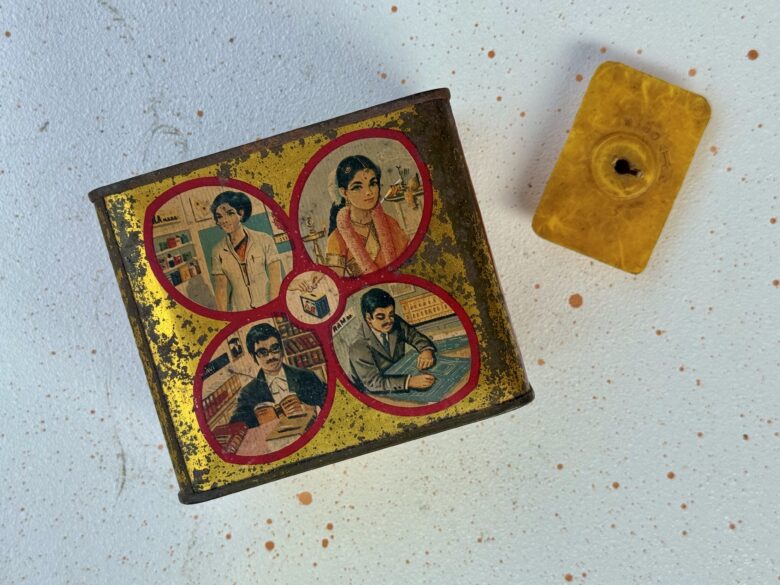
My grandfather, Divan Mohideen, bought a red and yellow tin coin bank in 1968, when he was 22 years old. It came from the Madras Central Co-operative Bank Ltd., one of the oldest banks in the city, its roots reaching back to the 1930s. The British had a curious habit – banks in London often gave small metal coin boxes to families, especially children, to teach them thrift and discipline.

Close
© Copyright 2024. All rights reserved.
Close

Subscribe to the Museum

Receive a new story from somewhere in the Indian subcontinent in your inbox every week!

Loading