The Grandmother I Never Met
It was a polaroid-shaped, black-and-white photo that I was holding in my hand, and the beautiful, long-haired woman in it was my grandmother.
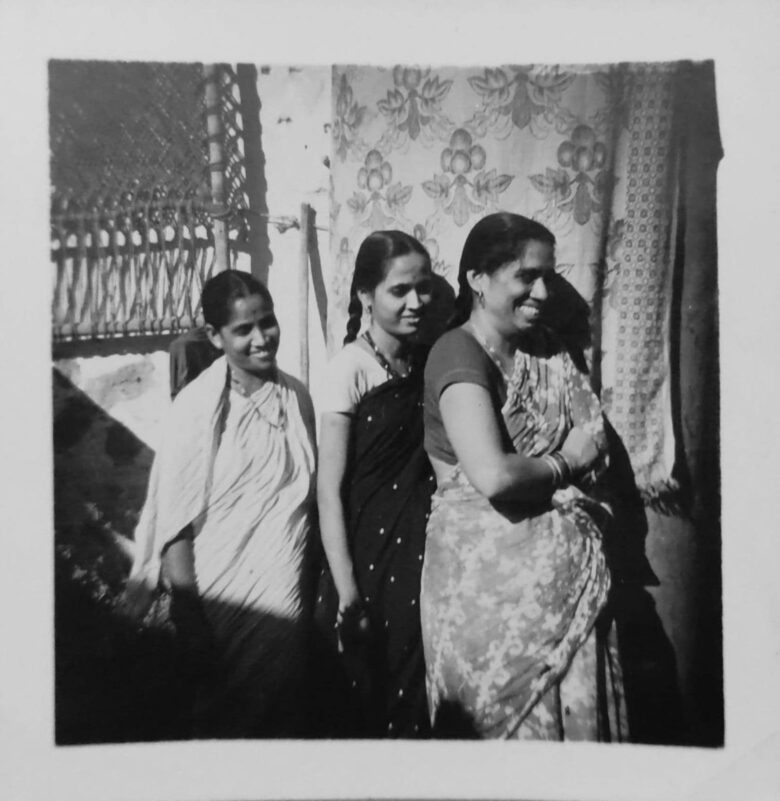
It was a polaroid-shaped, black-and-white photo that I was holding in my hand, and the beautiful, long-haired woman in it was my grandmother.
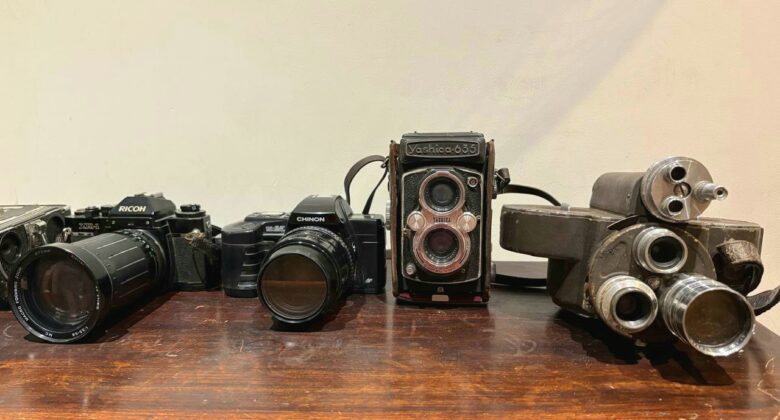
My grandfather, Ramnik Lekhi’s Yashica 635 and Paillard-Bolex H16 cameras, which he bought during his time with CBS news, are now with me. It is with these cameras that he covered major events like the 1961 Liberation of Goa, the war with China in 1962, and Pakistan in 1965. He eventually lost his life in 1970 while covering the war in Cambodia at the young age of 40.
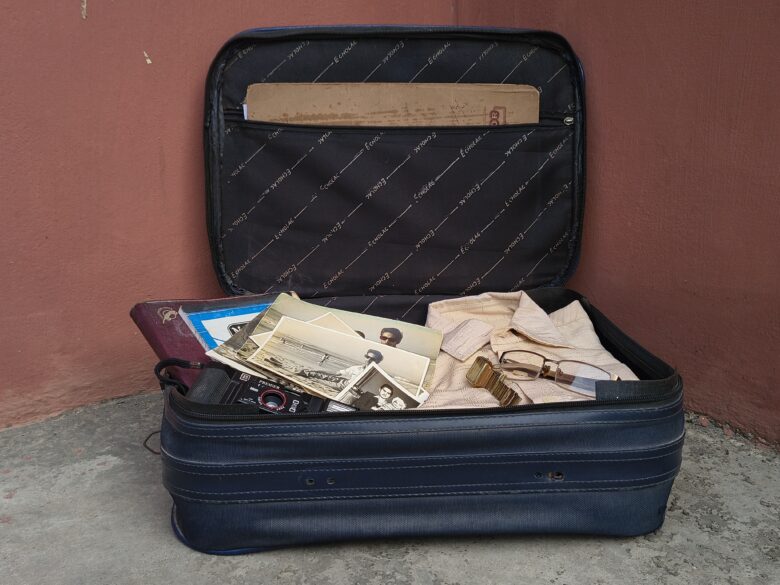
Death transforms ordinary objects into carriers of memory. After the passing of my grandparents, their photographs, clothes, watches, suitcases, and handwritten notes became more than just belongings, they became emotional markers of time.
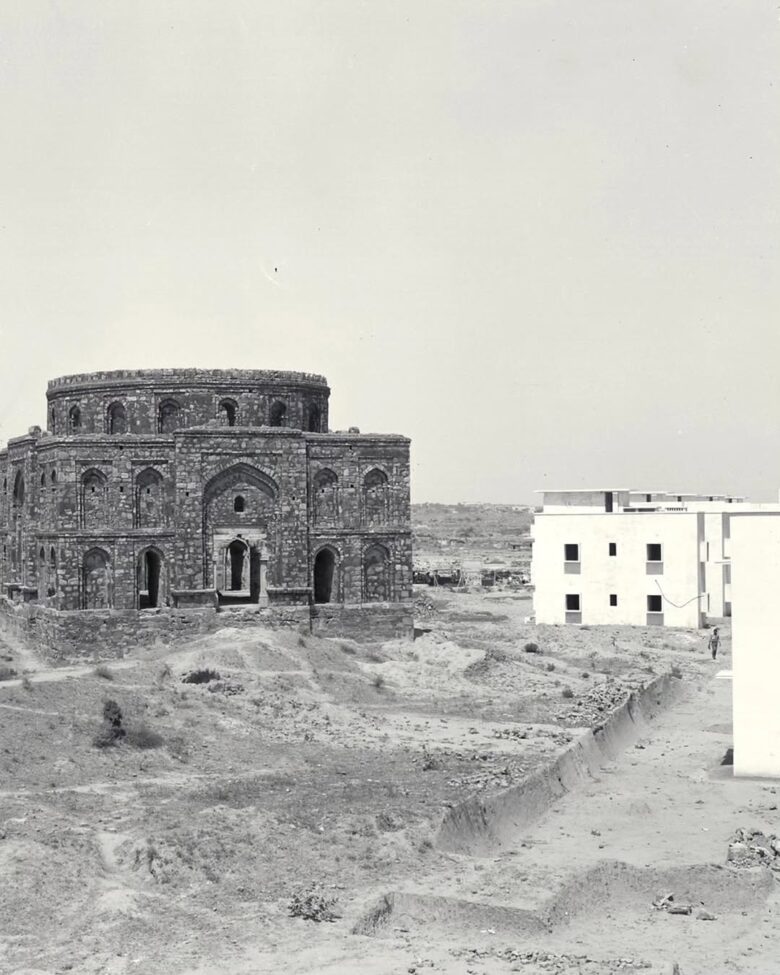
TEXT AND PHOTOGRAPHS BY PUNEET SINGH SINGHALDelhi, India This is the oldest photograph we have of anyone in my family. It was taken in 1969. …
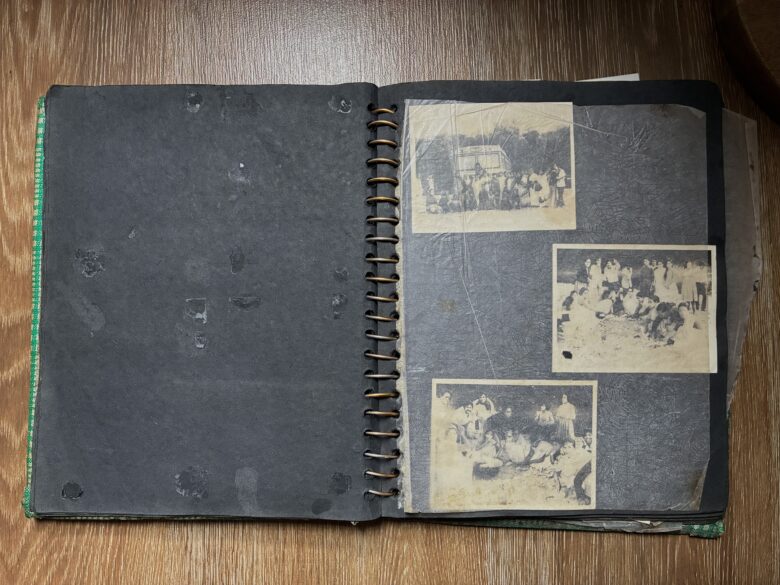
An old album of photographs, likely taken between 1970 and 1985, is one of the few things I keep in my room from my grandmother’s working years as a Gram Sevika in Kakopothar. Somehow, it has become what I hold onto most.