The book from Oxford
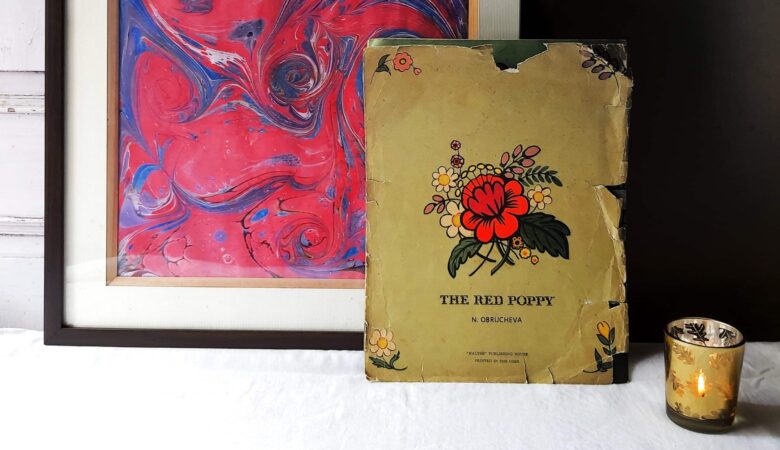
In January 2019, while rummaging through my mother’s collection, I found an old looking book belonging to Daddy. With “Hem C Mahindra. Oxford. 1928” handwritten in ink on the partly stained page inside.
My great grandmother was born in a small village called Boala (now in Bangladesh). She possessed many aged utensils and other heirlooms, which were distributed among her four daughters as a part of their trousseaus during their weddings and some after her death.
Dating back to 1939, this coin box was a part of my grandmother’s wedding trousseau and of the two or three boxes she was given, this one survived the stretch of time and the tides of displacement. In case of a fall or dent, my grandmother would lose no time in taking it to the neighbourhood metalsmith for a quick fix. Sometimes she would ask me to accompany her, an excursion that I would enjoy every morsel of.
Omar Khayyam composed this collection of four-line stanza poems, or rubai, as they are known in Farsi, sometime between the late eleventh century to early twelfth century, before he died in 1131. History further made itself known in a personal and intimate way as I read the Bengali inscription on the first page – “To Priti and Dilip Bandopadhyay – on their wedding, 6.6.66”.
Amongst these items was a white cotton mulmul odhni, a large scarf like a dupatta, entirely hand embroidered with chikankari by her grandmother, who was from Lucknow, and presented to her on her wedding day on 29 June 1954. I cannot recall ever being enamored by anything as much as that odhni.