
TEXT AND PHOTOGRAPHS BY RAHUL SHARMA
New Delhi, India
Among the many things that have been passed down in our family, a small collection of ivory toys and ornaments is perhaps the most precious. These objects are not important because of the material they are made from, but because they carry the story of my paternal grandfather, Shri Om Prakash Tiwari, and the life he built with his own hands.
My grandfather was born in Jhang, now in Pakistan. As a young man, he spent a considerable part of his life in Calcutta, where he learnt the intricate craft of ivory carving. It became much more than a profession – it became his identity. When Partition forced him to leave his home, he could not bring with him the objects he had made. What he carried instead was his skill, the only wealth that could not be left behind.
After coming to India, he started life afresh and established a shop in Bhagirath Palace in Delhi. Through years of hard work and patience, he built a successful business. Every object he created reflected his perfectionism and dedication. He had extraordinary patience and could spend hours shaping the smallest details with remarkable precision.
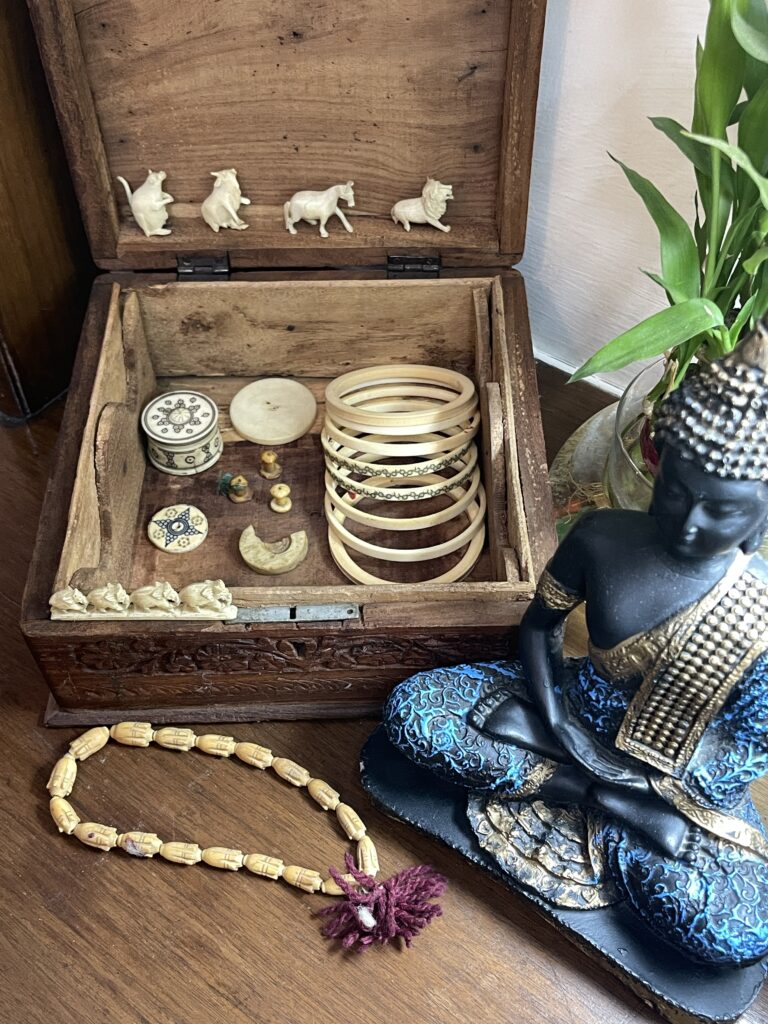
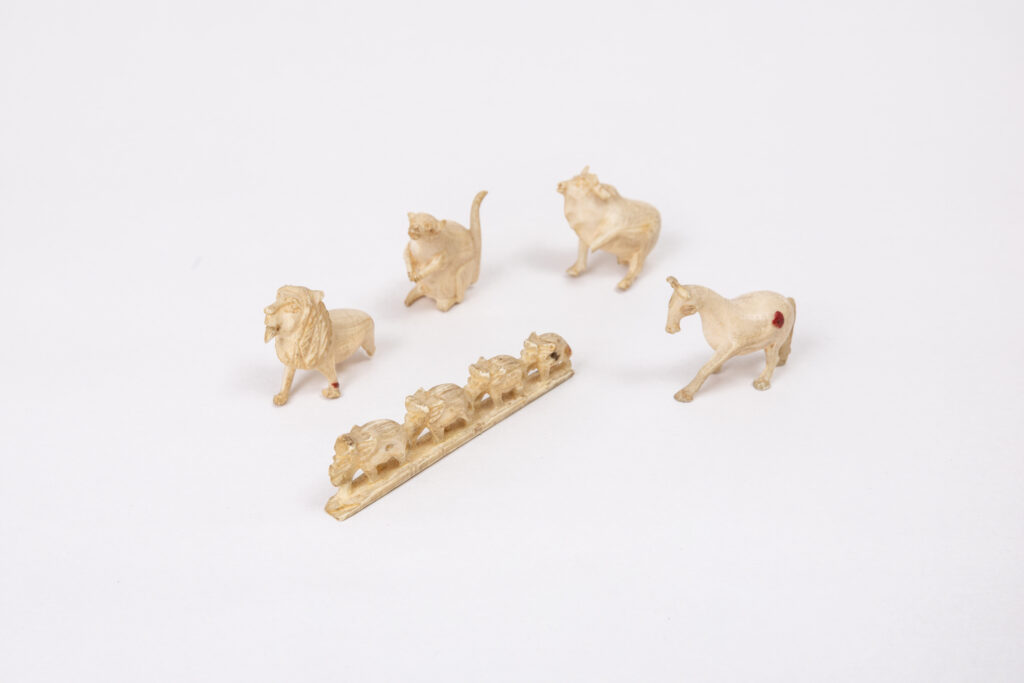
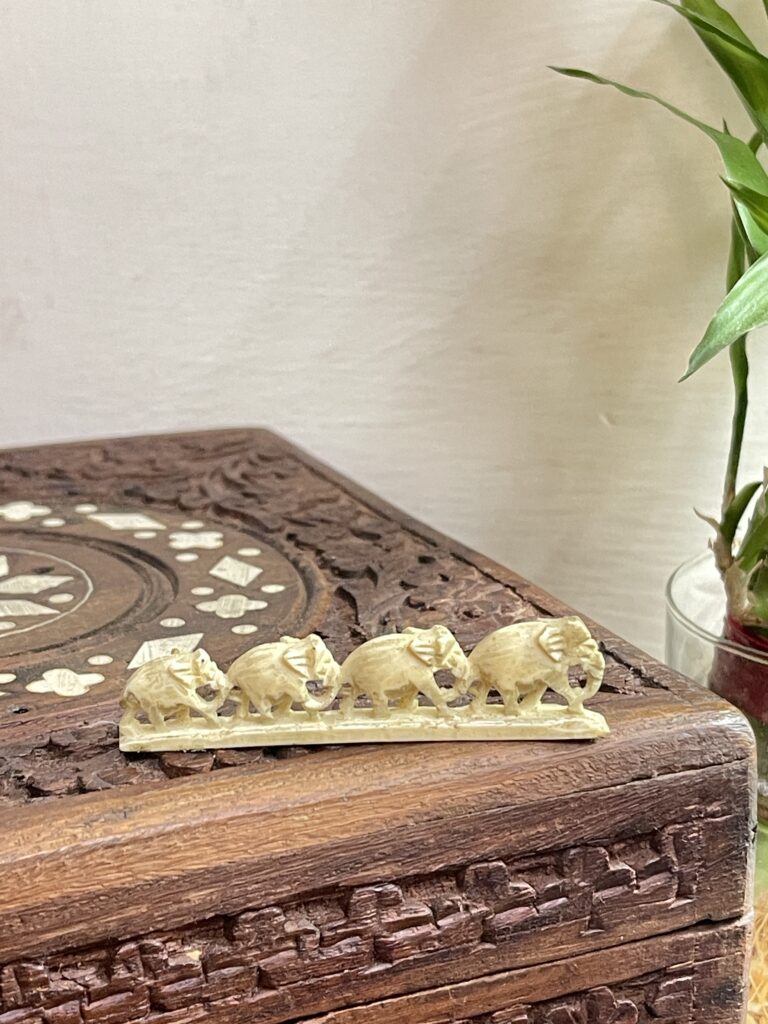
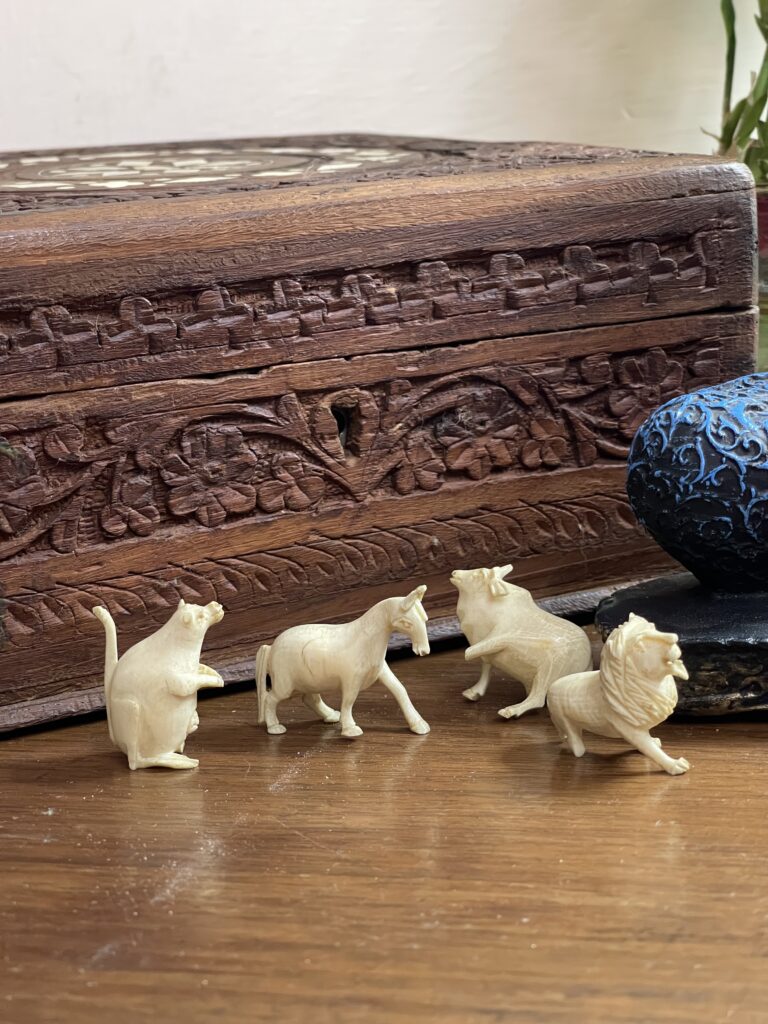
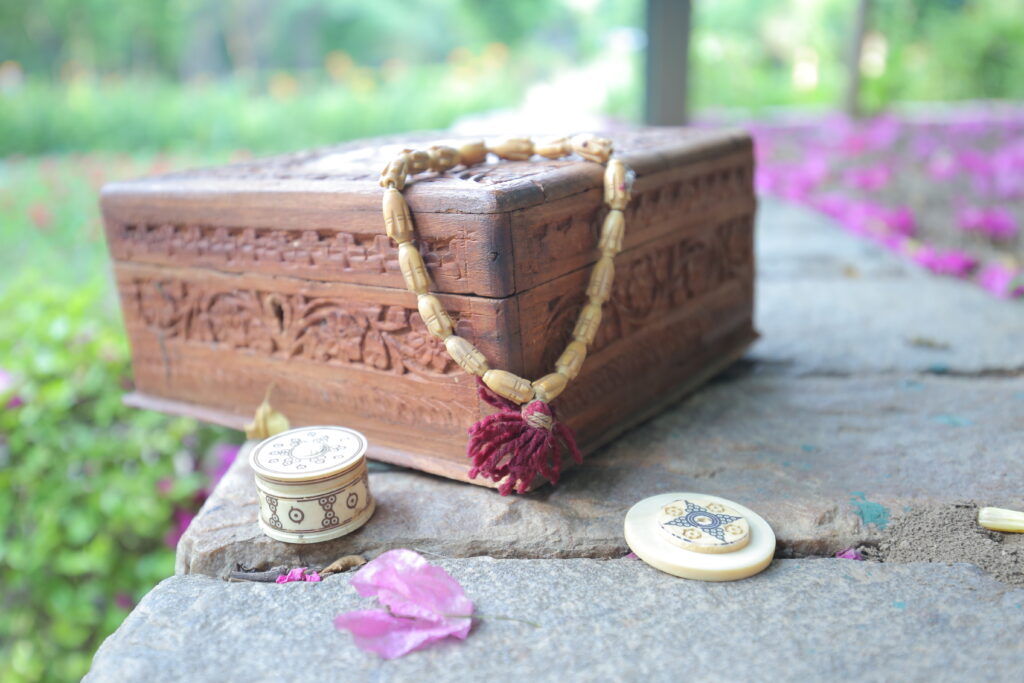
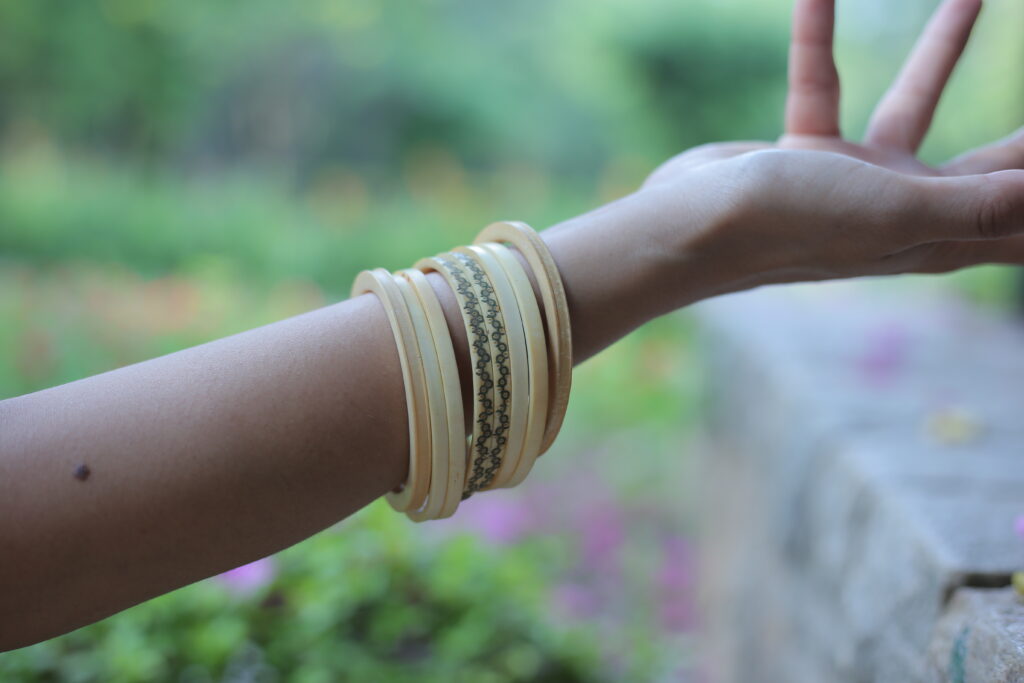
Most of the pieces that remain with us today were made between the 1950s and the 1970s. There are tiny animals, ornamental pieces and sample bangles. The little animals were especially dear to me because my grandfather made them for me to play with. Though small enough to fit in the palm of a child’s hand, they opened up a world of imagination. I still remember holding them with wonder and treating them like treasured toys. The ivory bangles tell another story. They were not meant for family use, but were sample pieces that my grandfather showed to customers. In those days, ivory bangles were considered auspicious and were traditionally worn during marriages, particularly in Punjabi families. These samples helped customers place orders and gave them an idea of the designs and craftsmanship. There is also an old wooden box that belonged to my grandfather. Although it is not part of the ivory collection itself, it is equally special to us. Like the objects it safeguards, the box has travelled through generations and carries memories of its own.
To us, however, the greatest memories are not of the objects but of the man behind them. We called our grandfather “Bade Papa” and our grandmother “Jhaiji”. Bade Papa loved spending time with me and was deeply concerned about my future. He always encouraged me to study hard and dreamt that one day I would secure a respectable government job—especially in the Metro, which he considered a symbol of stability and success.
One of my strongest memories is watching him work late into the evening under a dim yellow bulb. Sitting quietly beside him, I would see his skilled hands slowly bring life to pieces of ivory. What seemed ordinary in his hands became birds, animals and delicate ornaments. At that age, I did not understand the patience and mastery involved. Looking back now, I realise I was witnessing not just craftsmanship, but devotion.
When the ban on ivory was introduced in India, I was too young to understand its impact. But I know that it marked the end of the only work my grandfather had ever known. It was a necessary step for wildlife conservation, but for him it meant losing the craft that had defined his entire life. Eventually, he had to sell his shop in Bhagirath Palace for two lakh rupees, a decision that was emotionally difficult for him.
After that, life became quieter. Bade Papa spent much of his time at home. He loved listening to the radio and often sat chatting with his close friend who lived opposite our house, whom everyone affectionately called “Bauji”. Though he rarely complained, there was perhaps an emptiness within him. A craftsman who had spent decades creating beautiful objects suddenly had no material to work with and no reason to sit at his worktable.
Today, these pieces are carefully preserved by our family. They were first kept by my father and have now come into my care. Some show signs of age and gentle wear, which only add to their story. They are stored together, lovingly protected, and brought out occasionally, not as collectibles, but as memories. Whenever I hold these tiny animals or look at the old box, I think of Bade Papa sitting under that yellow light, quietly shaping the world with his hands. I think of a man who lost his home during Partition, rebuilt his life from nothing, and passed on to his family not wealth, but values- hard work, patience and dignity.
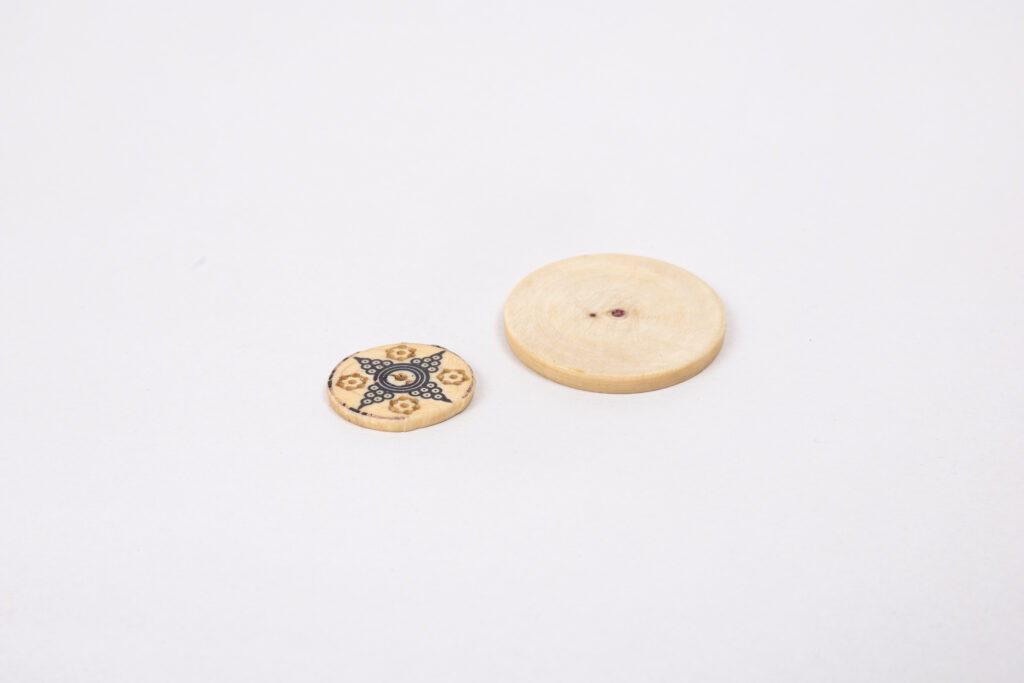
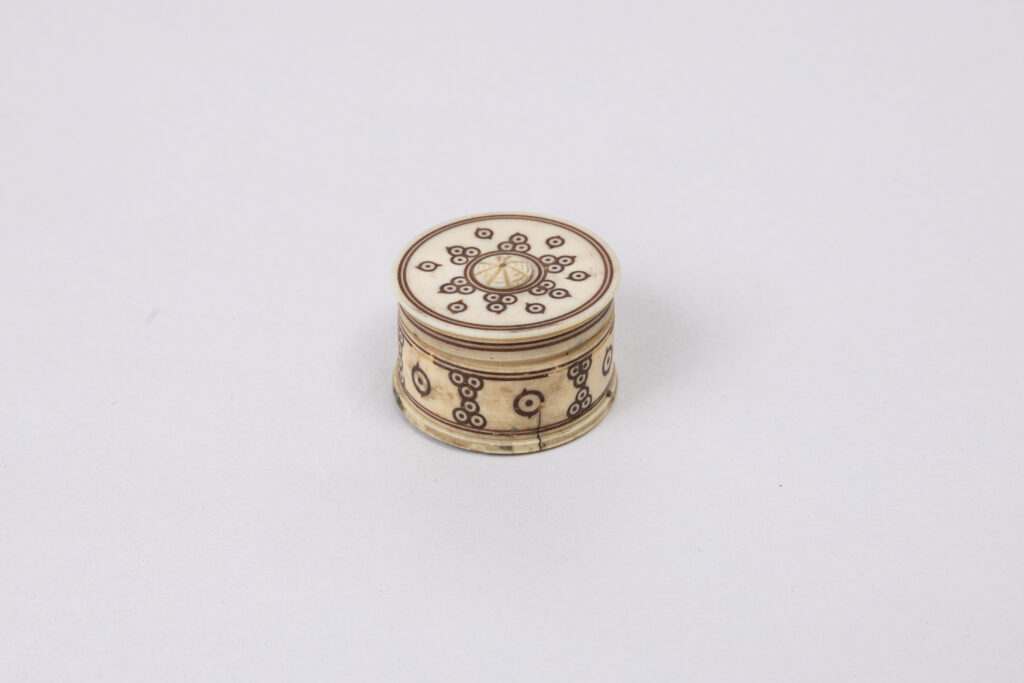
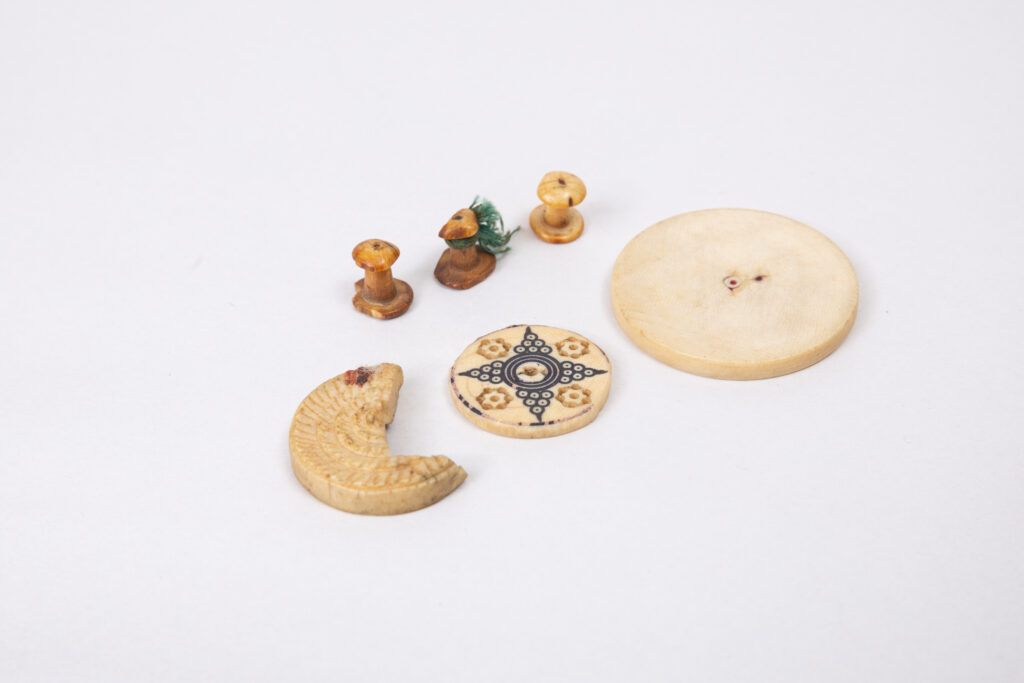
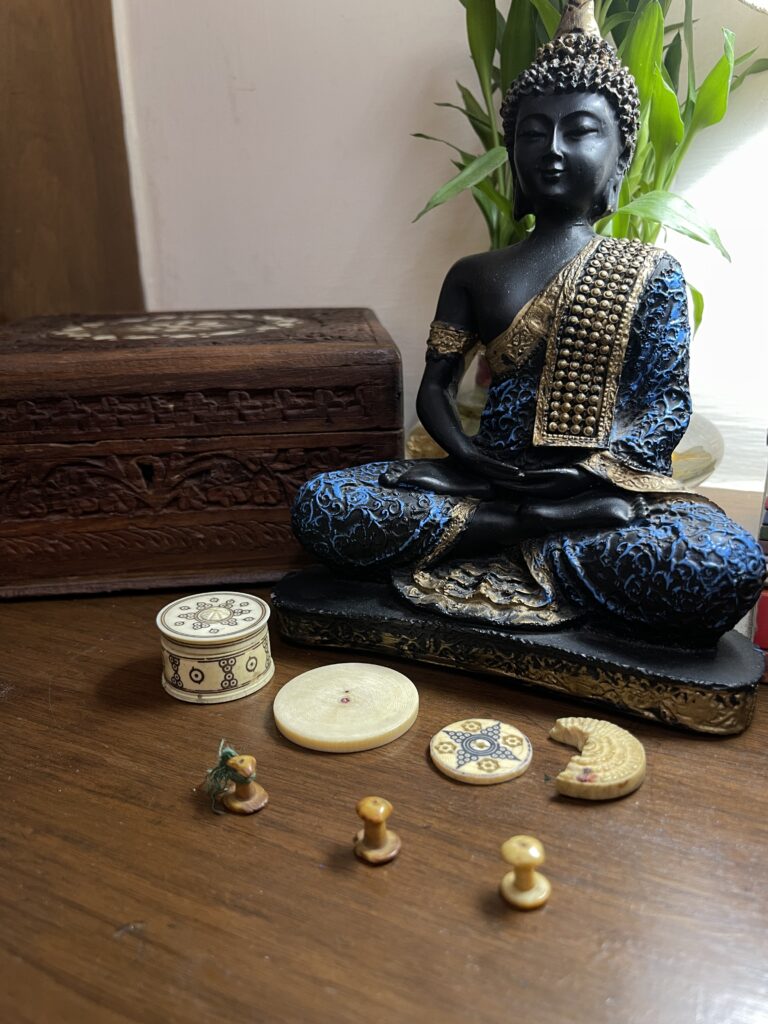
Today, ivory belongs to history, and these objects are not preserved as symbols of luxury. They are preserved because they remind us of a man whose greatest creation was not what he carved, but the legacy he left behind. Hidden away in a small pouch and an old wooden box are not merely artefacts, but fragments of a life, memories of a beloved grandfather, and a story that continues to live on through generations. For us, they are priceless.