
TEXT AND PHOTOGRAPHS BY RAUNAQ BAHL
New Delhi, India
It was an ordinary Sunday afternoon when I first came across the family tree. I was back home in Delhi from Australia, the way I often came home in those years, slipping into the old rhythm of the house. It was April, that warm part of the day when sunlight settles heavily in the rooms, the ceiling fan turns lazily overhead, and everything feels slower. The house was quiet, the kind of quiet that belongs only to Delhi afternoons when no one is rushing anywhere and the day just stretches, unbothered.
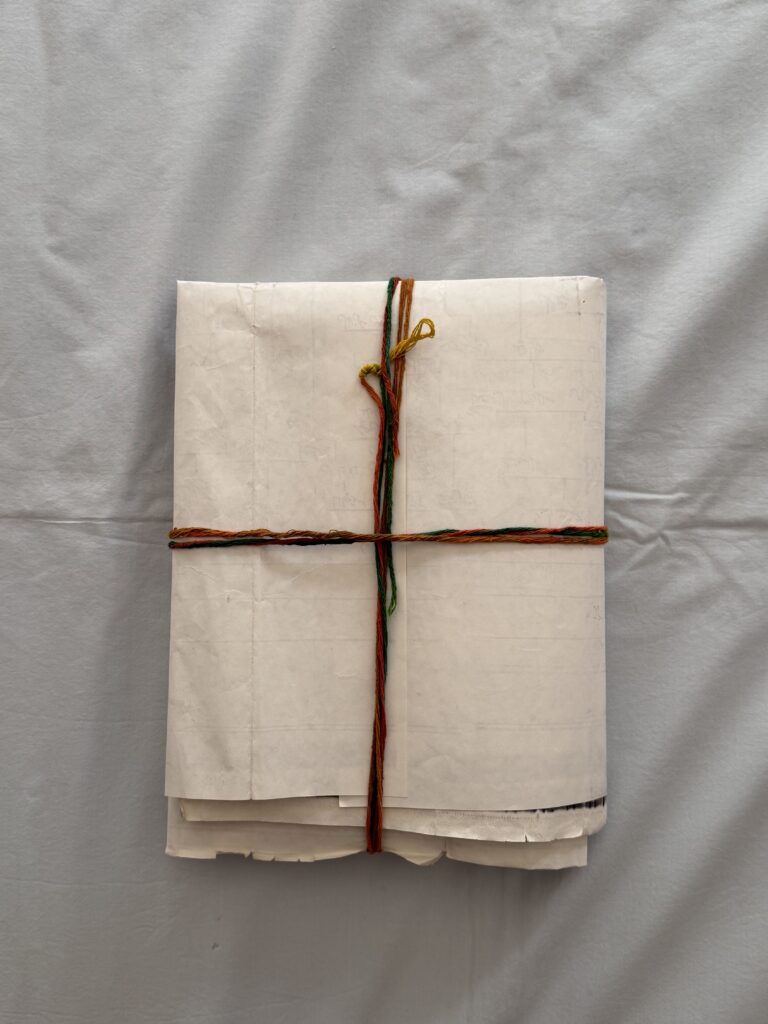
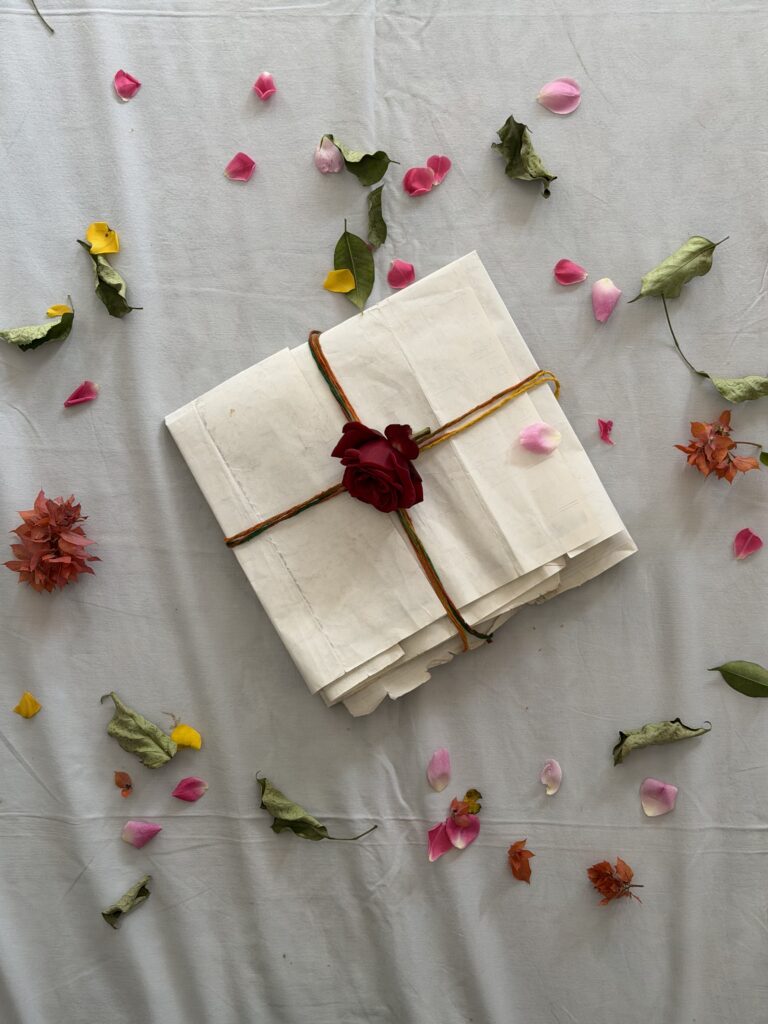
Upstairs, my parents were clearing their wardrobe. A stack of insurance folders, old envelopes, folded shawls, papers that had lain dormant over years. In the middle of all that, a thin and frail piece of paper slipped out, wrapped in a mauli. My mother opened it carefully, spread it out flat on the bed, and called me over: “Raunaq, yeh dekh, this looks like some kind of family tree.”
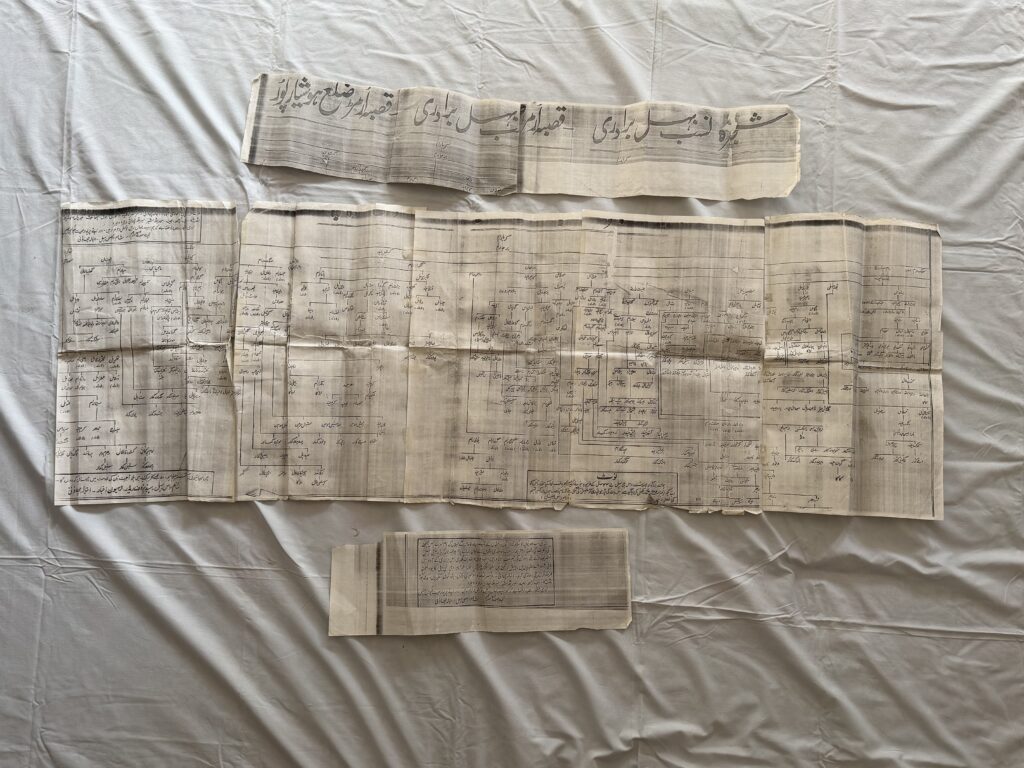
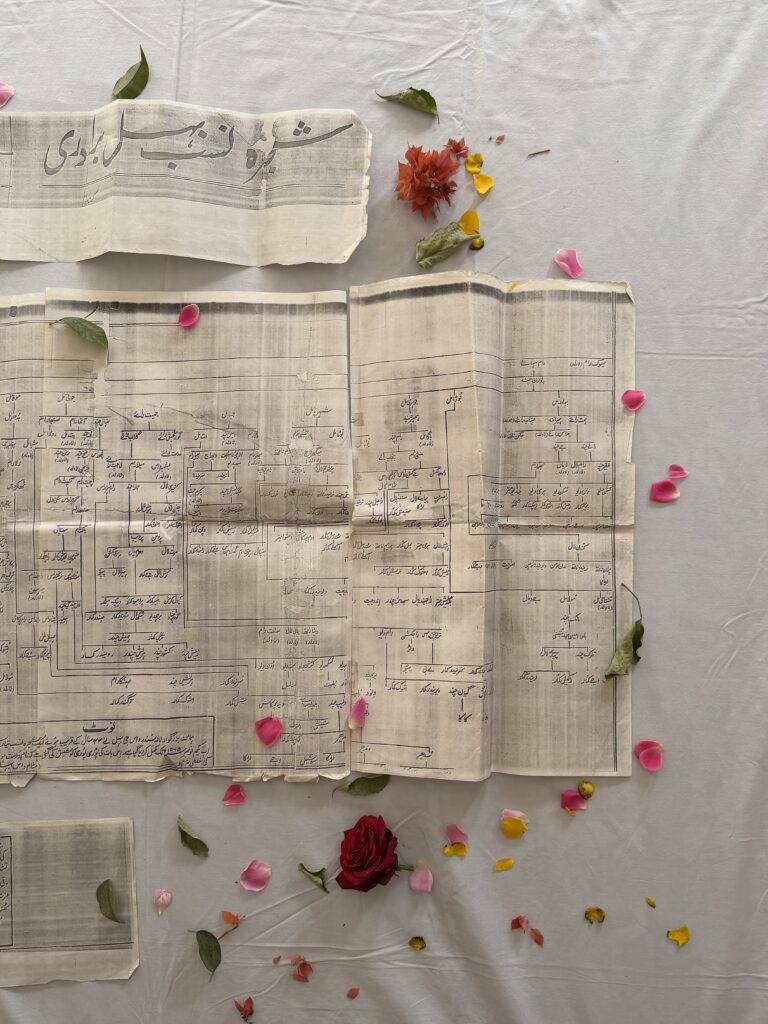
I looked at what was in front of me. It was a large photocopied sheet held together by pieces of cellotape along the folds. The corners were starting to brown from age, but the sheet itself remained the stark black-and-white of an old photocopy. The original handwritten version of the family tree, my mother said, was nowhere to be seen. Nobody in the family knows when it disappeared or who last saw it. This photocopy is all that remains, carefully tucked into a wardrobe drawer for decades. Even before I understood what I was looking at, I recognised the script. Curving lines, arches leaning into one another, each letter falling into the next. Nastaliq. Urdu. The sheet looked like a web of names and branches and roots, but I couldn’t read it properly on my own.
A year or two earlier, during a winter break in Delhi, my grandfather – Daddyji, I call him – had taught me the Urdu alphabet. He bought me a Qaida, the little primer used to teach children how to read, and we would sit at the dining table or in the soft winter sun outside on the charpai, eating juicy kinnows. He wrote the letters slowly in my notebook and I tried to copy them. He showed me how the script joins, how letters stretch or shorten when they meet, how they change shape depending on where they sit in a word, how a language can look like it’s moving even when it’s still on the page. I was clumsy with the writing then and I still am, my strokes crooked and hesitant. But those afternoons stayed with me.
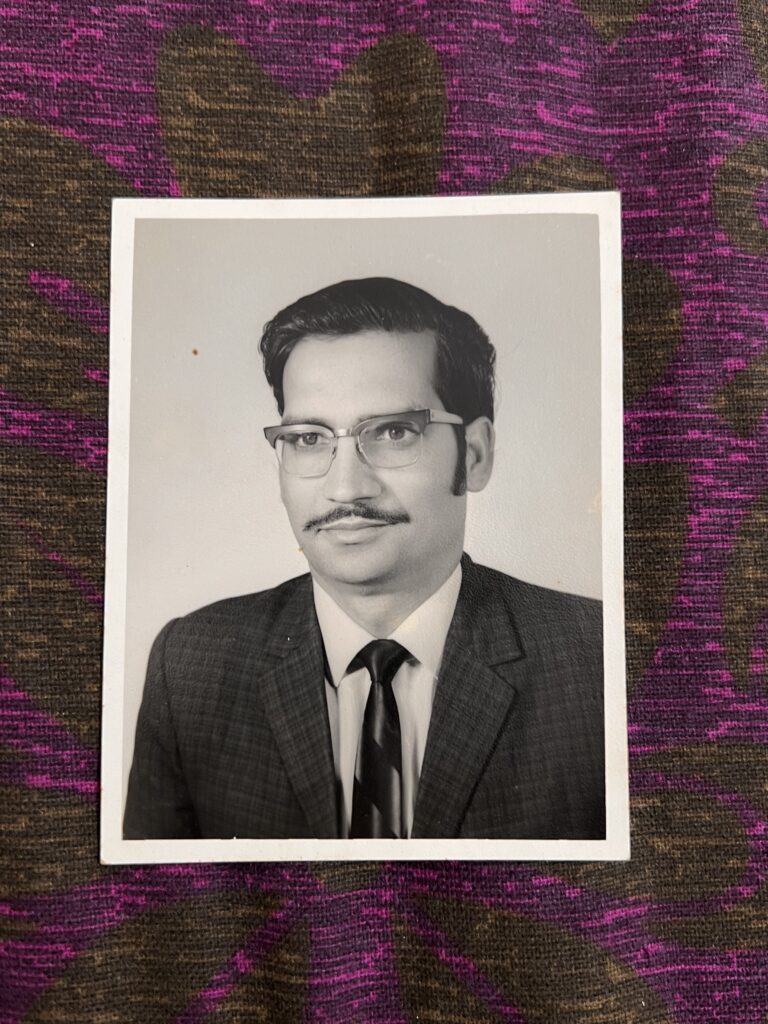
Now, holding this sheet, I tried again to read the words. The letters felt familiar but distant, like remembering a song you once knew by heart but can no longer hum smoothly. So I took the paper downstairs to the living room where Daddyji was reading the newspaper. I told him we found something that looked like a family tree. He took the sheet gently, his hands instinctively careful with it. He unfolded it, leaned forward, adjusted his glasses, and read aloud in his soft Punjabi-inflected voice: “Shajara-e-Nasab, Bahl Baradari, Qasba Urmar, Zilla Hoshiarpur.” The words came easily to him, as though they lived somewhere familiar in his mouth.
We realised it was too large for the coffee table, so we sat together on the floor. He placed it flat and we both leaned in. I remembered how he once told me he had studied all his school subjects – maths, history, science – in Urdu till the tenth grade. Growing up in Punjab both before and after Partition, the language wasn’t marked or claimed; it simply existed around him. People wrote in it, prayed in it, joked in it, kept their ledgers in it. Over time, as the country changed, Urdu was pushed to one side. It became labelled, fenced into identity, treated as if it belonged to some people and not others. He never spoke of it as politics; he spoke of it as loss: not just of the language, but of ease, of neighbourliness, of a way people once spoke to one another without hesitation.
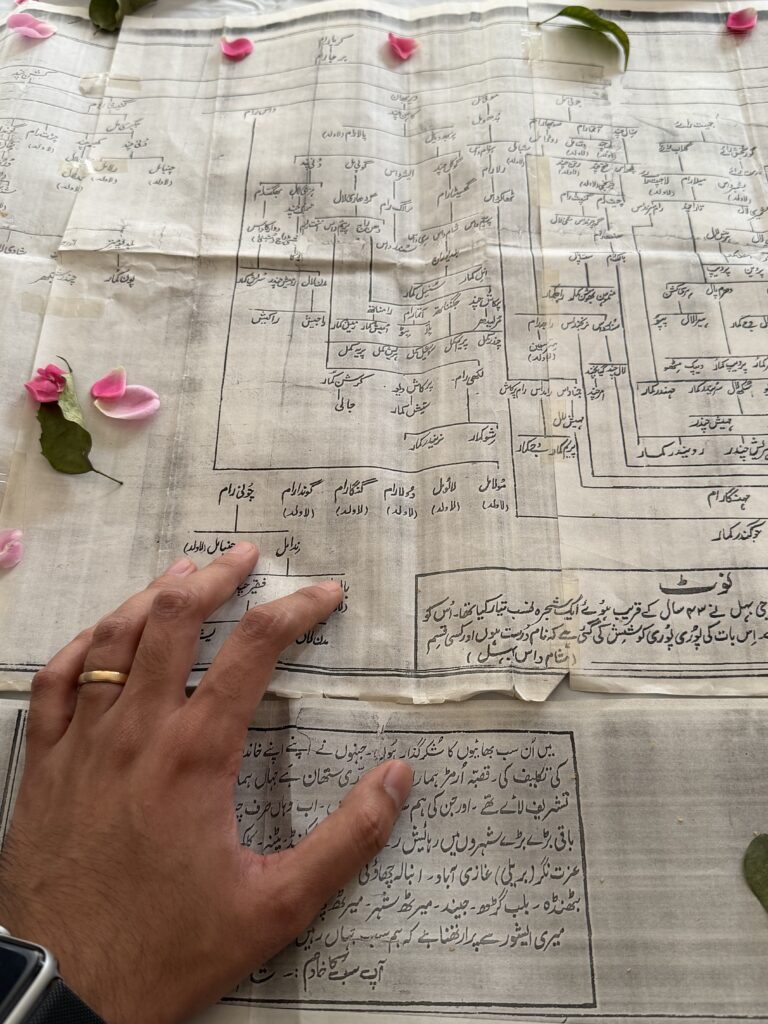
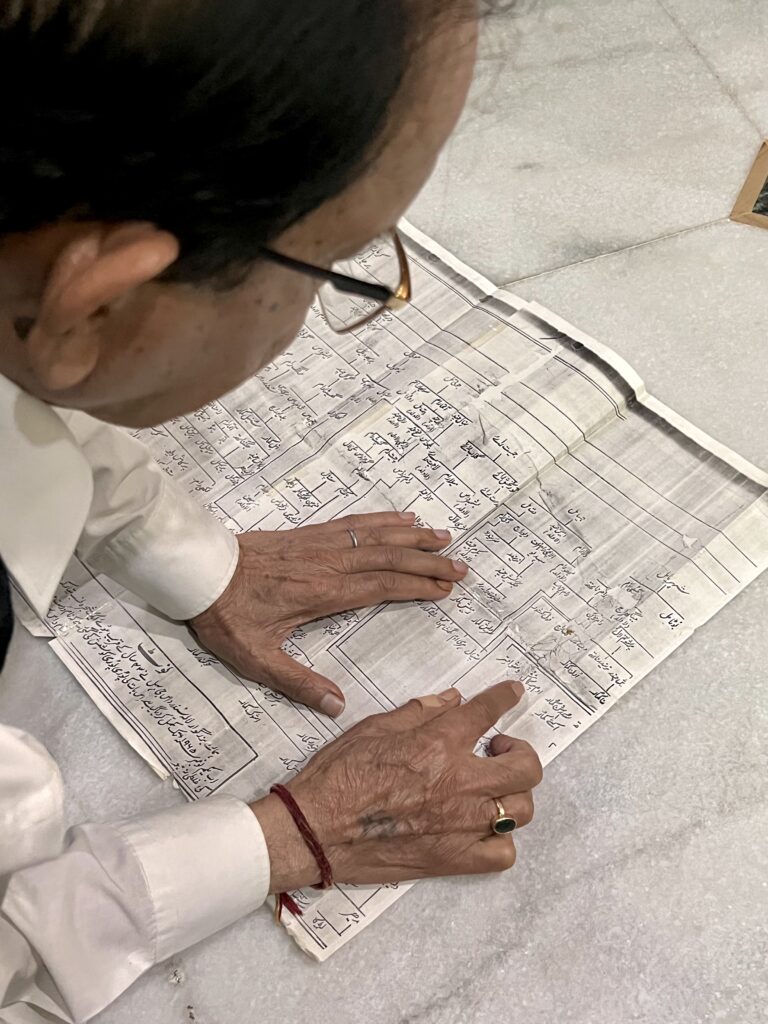
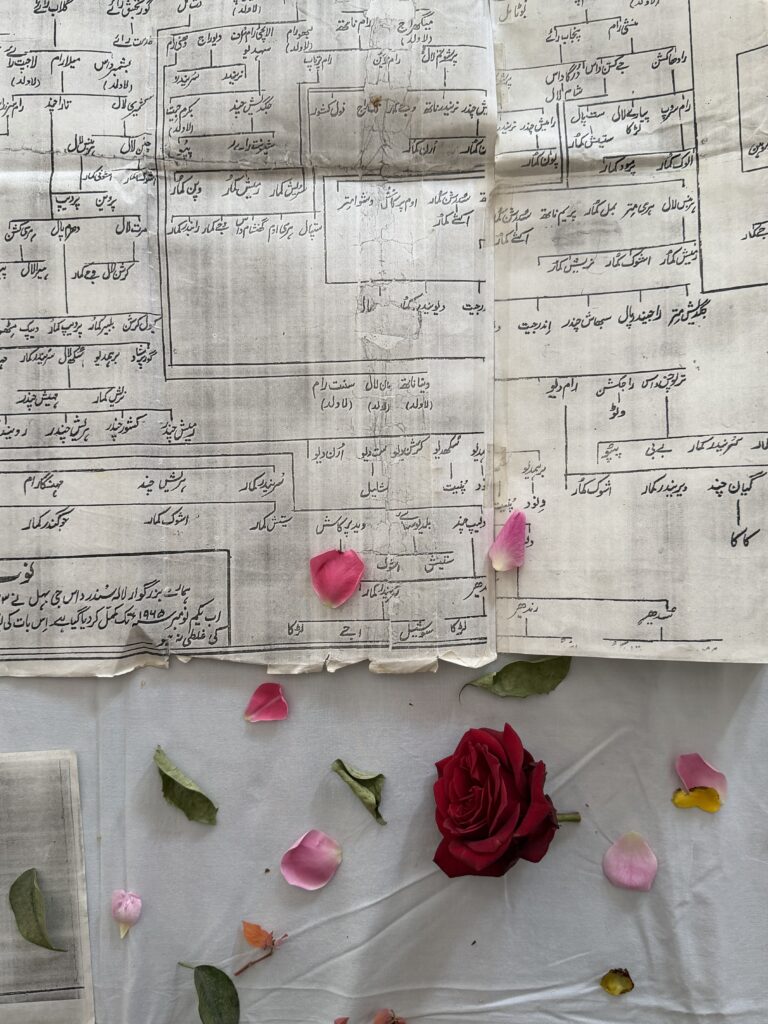
He began reading across the title from right to left, and then later downward through the list of names. I sat beside him, trying to follow along with my half-remembered Urdu. He moved steadily, reading each name and each branch, the tree stretching out in front of us. Most names were unfamiliar, but the pattern was clear. Bahl after Bahl after Bahl. And then finally, a small cluster we recognised: My great-grandfather, Munshi Ram Bahl, my grandfather Sudarshan Kumar Bahl, his brother Premnath Bahl (Uncleji) who resides with us, his other brothers, and my father, Ajay Bahl. A small island of familiarity inside a much larger, older map. That was the moment the tree shifted from something distant and abstract to something that belonged to us.
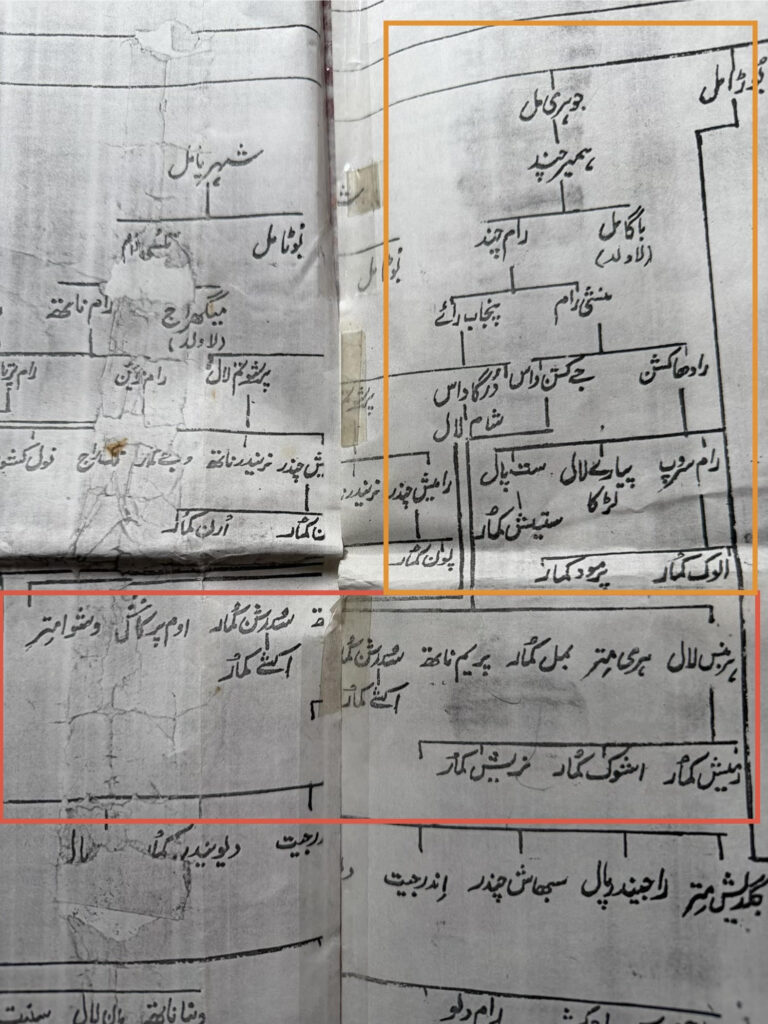
Names highlighted in orange, from top to bottom:
1. Johri Mal
2. Hameer Chand
3. Ram Chand (left)
4. Bagah Mal (right)
5. Munshi Ram (right, under Ram Chand) – Munshi Ram was my great-great-grandfather (my grandfather’s grandfather)
6. Jai Kishan Das (left, under Munshi Ram) – my great grandfather (Daddyji’s father)
7. Radha Kishan (right, under Munshi Ram)
Names highlighted in red are my
grandfather’s siblings and himself, along with my father. From right to left:
1. Harbans Lal
2. Hari Mitar
3. Vimal Kumar
4. Prem Nath
5. Sudarshan Kumar (my grandfather)
6. Om Prakash
7. Viswa Mitar
8. Ajay Kumar (my father) – connected under Sudarshan Kumar
Note that the surname ‘Bahl’ is implied and omitted from the written Urdu in all names.
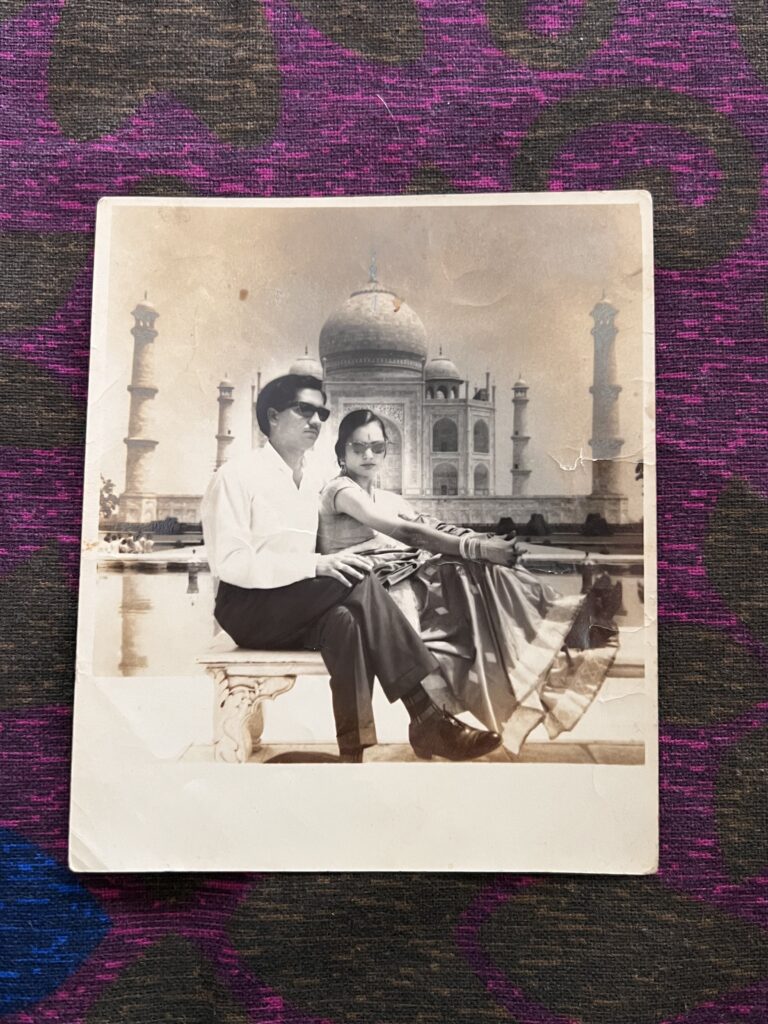
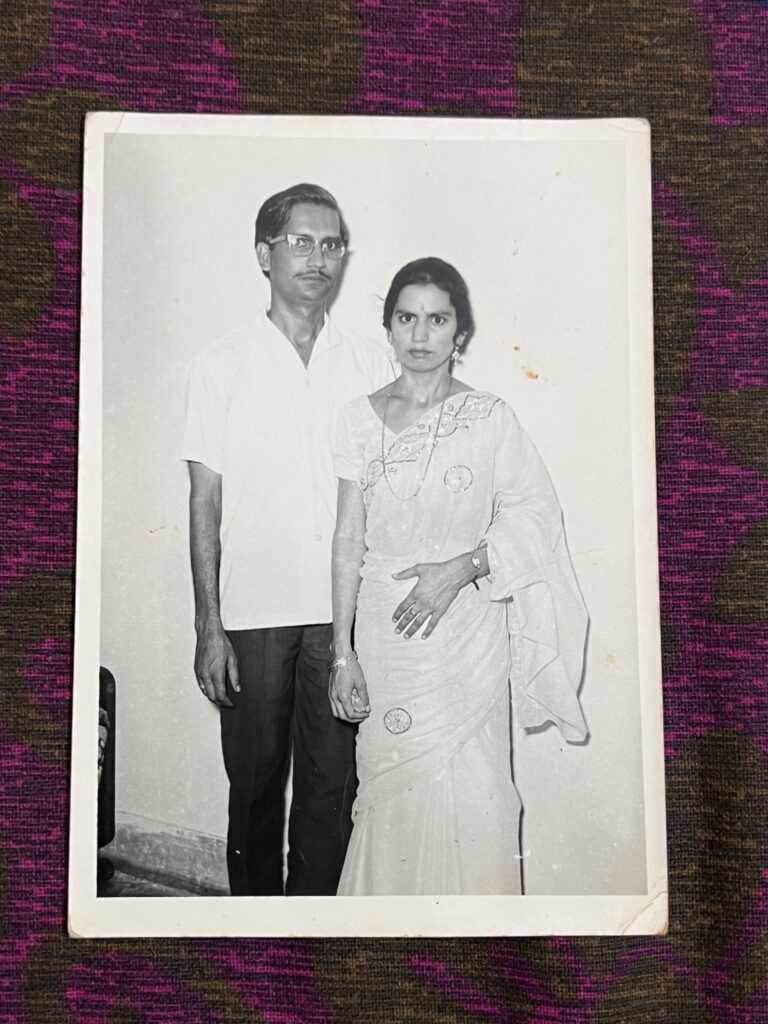
Daddyji told me the story then. How in 1965, a man named Shyamdas Bahl arrived at our home in Delhi. He wasn’t related, just a Bahl from Sham Chaurasi, a small town near Hoshiarpur, travelling through North India with an almost obsessive interest in genealogy. He visited households across cities – Lucknow, Bareilly, Patna, Hoshiarpur, and Delhi – collecting names, speaking to families, assembling trees by hand. He was greeted by my grandmother and my grandmother’s sister, Chand and Rani Bahl, and was served hot tea and rusk. He noted down our family details in his careful handwriting and left behind a copy of the tree, which my grandfather must have photocopied at some point to preserve, though exactly when, no one remembers now.
We kept reading, slowly. Daddyji’s voice steady. My eyes trying to keep up, occasionally recognising a word just after he said it. There wasn’t any dramatic story or sudden memory. It was quiet, patient, ordinary, and deeply intimate. The two of us sat on the floor with that sheet between us – me struggling to sound out the letters and piece them into names, and him reading them with ease.
At some point, I noticed an absence. There were no women. Not one. It wasn’t a revelation; it just felt matter-of-fact, a quiet erasure I had seen in other forms. The tree was long and detailed, yet half the story was missing. Whole lives existed around these names but were left unrecorded, as if they weren’t meant to be remembered in ink. The women who welcomed and hosted the genealogist, who lived in the same house, who raised these families and held so much of their memory – all absent. Daddyji didn’t comment on it. Neither did I. We just kept looking. We kept looking. When we finished, we folded the sheet carefully. It almost felt like putting something back to sleep. The afternoon light had shifted slightly by then; the house was still quiet, still unhurried.
By the end of it, I was moved. Curious. Connected to something: not fully, not clearly, but enough to stay with me. I told Daddyji I would translate it one day, digitise it, and try to find the missing names, especially the women’s. I remember him nodding and smiling, a quiet approval.
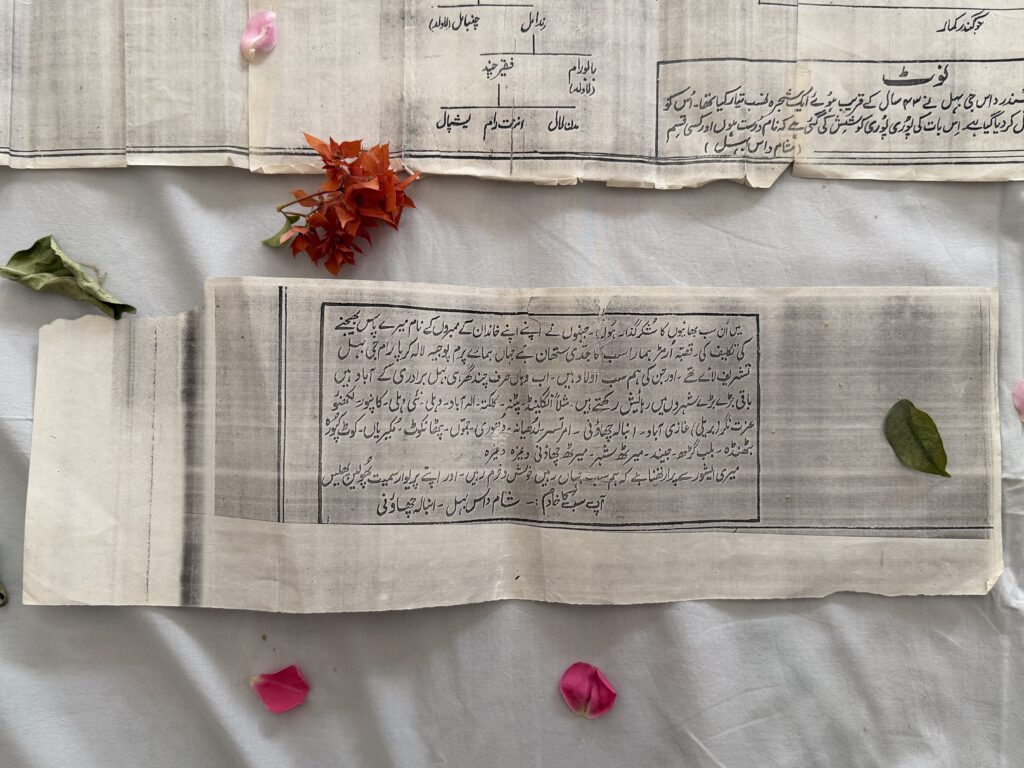
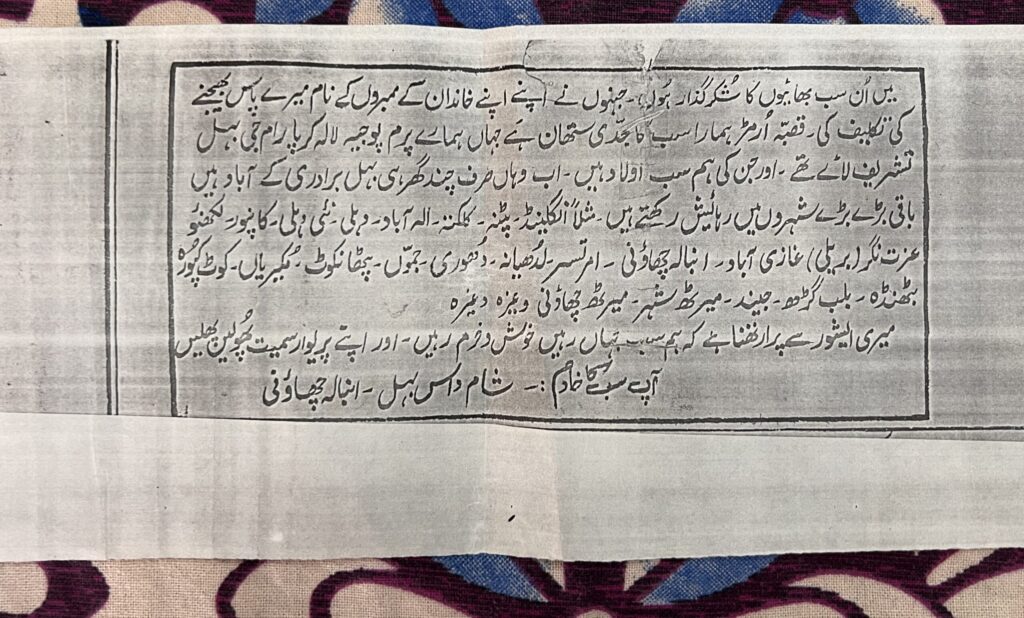
What I remember most from that day isn’t the paper as much as the moment. Sitting beside him on the floor, the stillness of the afternoon, the sound of him reading names, me trying to follow. And before that, those winter afternoons years earlier, learning the alphabet from him one letter at a time, slowly, patiently, the way some things are meant to be learned.
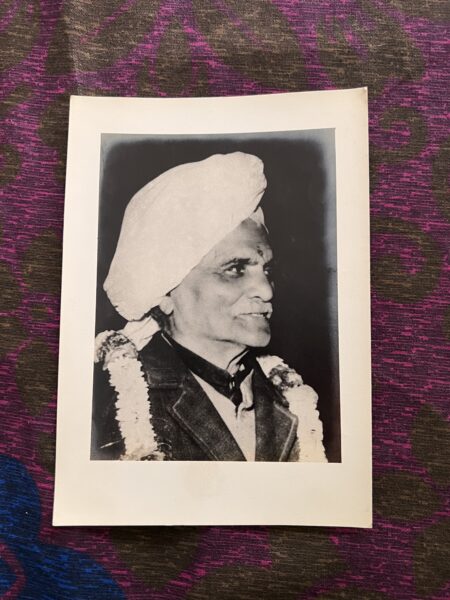
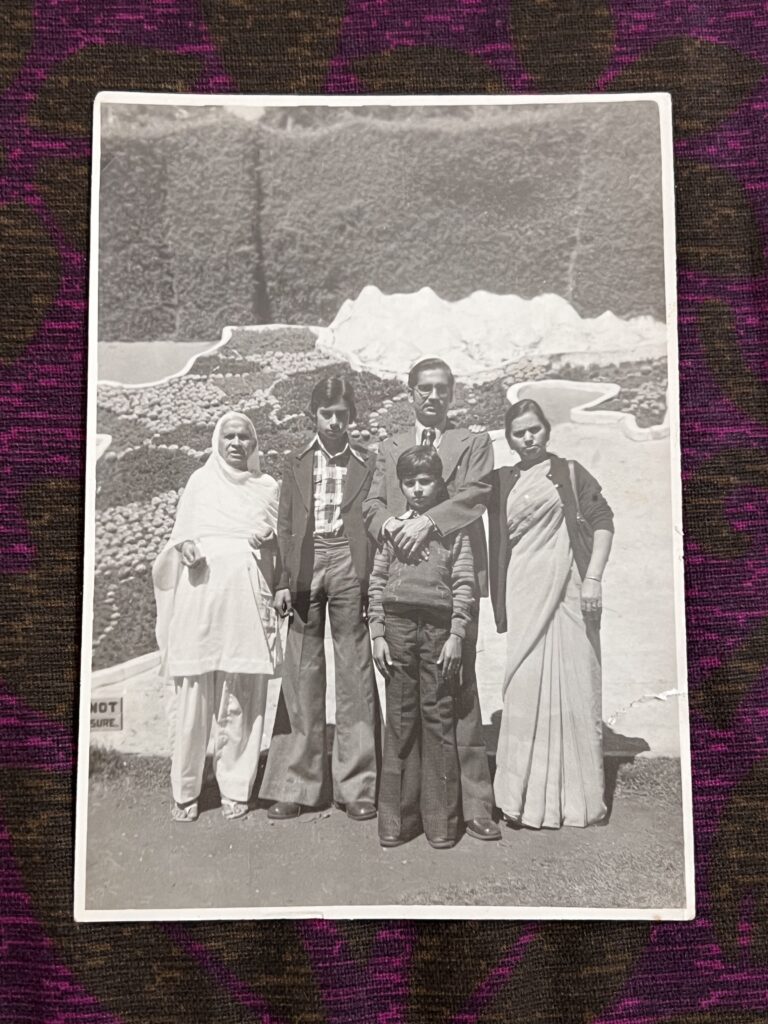
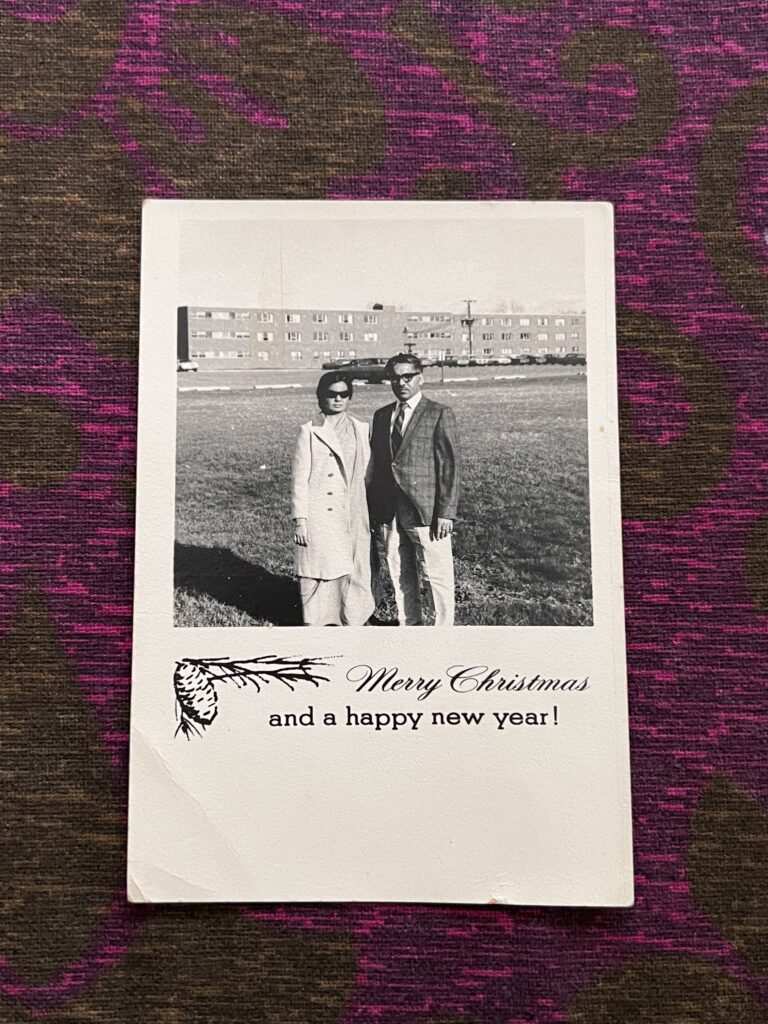
A Christmas card from my grandfather’s sibling, Prem Nath Bahl and his wife, Rani Bahl (I call her Dadima)
It has been more than two years since that Sunday. The family tree is still in Delhi, folded and kept safely in a drawer. I am in Sydney, thousands of kilometres away. I haven’t yet started digitising it or translating it. Life took over, as it often does, and the story sat quietly in the background, waiting. I know I’ll return to it – when I’m home again in the next few weeks, when I sit beside Daddyji again, when the time feels right.
Sometimes history sits quietly in our homes for decades, waiting for someone to pick it up again. This one waited for me. And I will try to carry it forward, one name at a time.
Om Prakash Bahl is my great grandfather I reckon.
I also have inherited a family tree and genealogy storybook. Also, no women. Thank you for noting this absence in yours. I am overwhelmed with sadness at the loss of all those women’s names with no way to retrieve them at this point. It makes it harder, somehow, to conjure them in my mind, to talk to them and ask them things. The gaps of those names compromises our ancestral ties in deep and lasting ways.
My Great Grand Father was from Urmur Tanda
His name was Lala Bhagat Ram Bahal and he moved to Dogra Darbar at Lahore and finally settled in Jammu under Maharaja Gulab Singh kingdom ..
My elder Uncle Madal Lal Bahal jii did once went to Urmur Tanda in 70′ s and spent couple of days at our ancestral house , I went there searching in 2018 same house but unfortunately not able to figured out .
Beautiful
Excellent content! The explanation is clear, helpful, and easy to understand. Keep sharing more.