
TEXT AND PHOTOGRAPHS BY SRILAGNA MAJUMDAR
Kolkata, West Bengal, India
I have always felt that one’s encounters with family history take on different meanings in childhood and adulthood. While our younger selves gaze at rusty, quirky keepsakes with a sense of wonder, our older selves, now armed with greater maturity and context, make an effort to learn more about the past, find ways to preserve it, and share it with others. This is because a person’s life is never solely their own; it influences and shapes the lives of many others over time. Every individual’s history contributes to the broader social and political fabric.
My tête-à-tête with my family history began when my parents introduced me to a treasure trove of old objects, letters, artworks, and collectibles belonging to Dadu, my paternal grandfather, after he passed away.
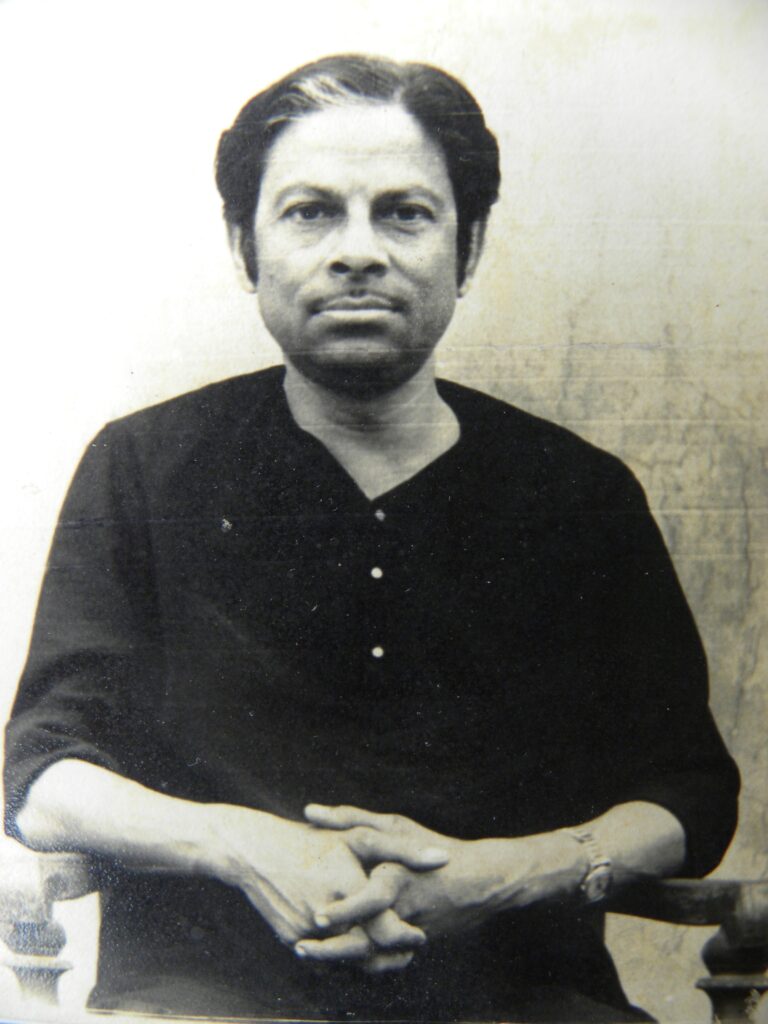
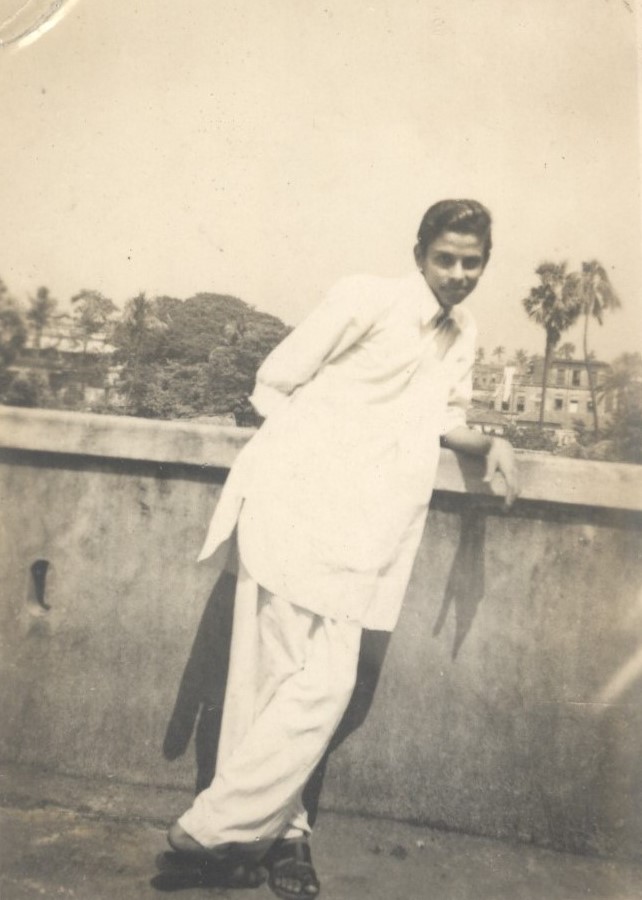
My paternal grandfather, Shyamal Kumar Majumdar (1936–2018), was born in Howrah, West Bengal. A banker by profession, he worked at The Chartered Bank (now Standard Chartered Bank) from 1965 to 1994, while nurturing a lifelong passion for art, music, sports, and learning. His interests ranged from History and English literature to Indian classical music, photography, fountain pens, and the collection of vinyl records.
Eccentric in many respects and resistant to the routines of conventional life, Dadu travelled widely in his youth and developed a habit of collecting objects that reflected craftsmanship, beauty, and character. Over time, he assembled a remarkable collection of artworks, records, books, photographs, and everyday objects, distinguished by their diversity of aesthetics and histories.
In many ways, collecting may have been his way of resisting the monotony of everyday life. Though he worked within the disciplined structure of banking, his collections reveal a mind constantly seeking imagination, refinement, and discovery beyond routine. These were not possessions accumulated casually, but objects chosen deliberately, often despite financial constraints, because they held emotional, artistic, or intellectual significance for him.
The first objects I came across were Dadu’s artworks, and until then, I had no idea that we had an artist in the family. As I traced my fingers across the surface of intricate paintings, I found myself encountering a side of him I had never known. A few of these works are shown below:
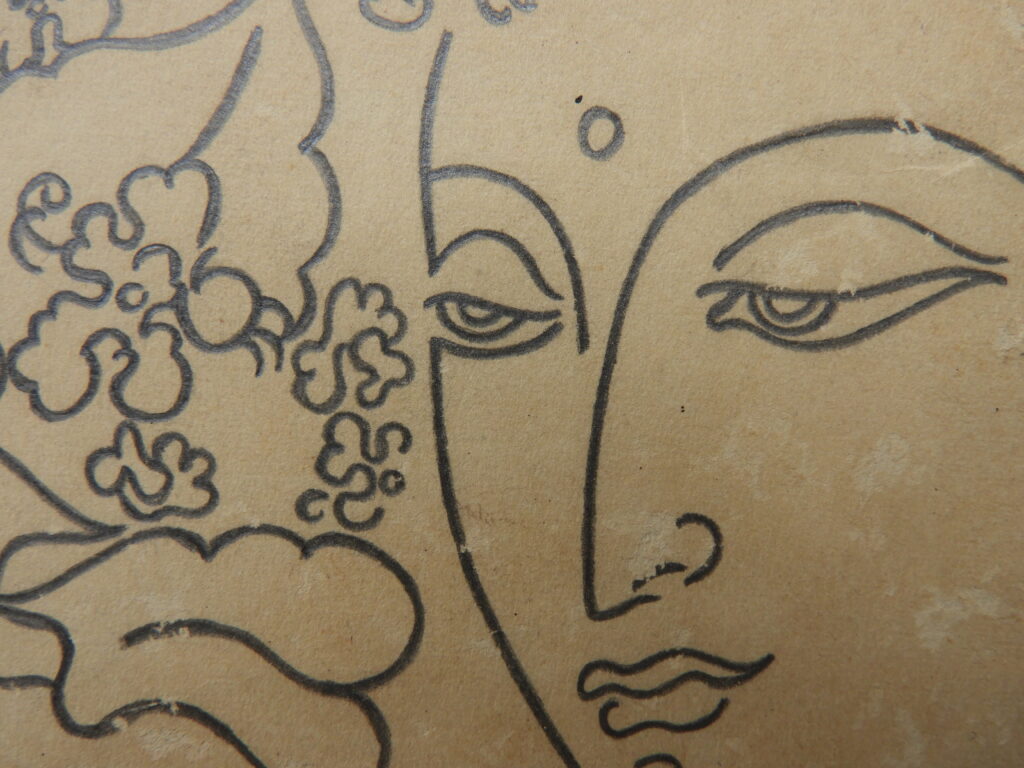
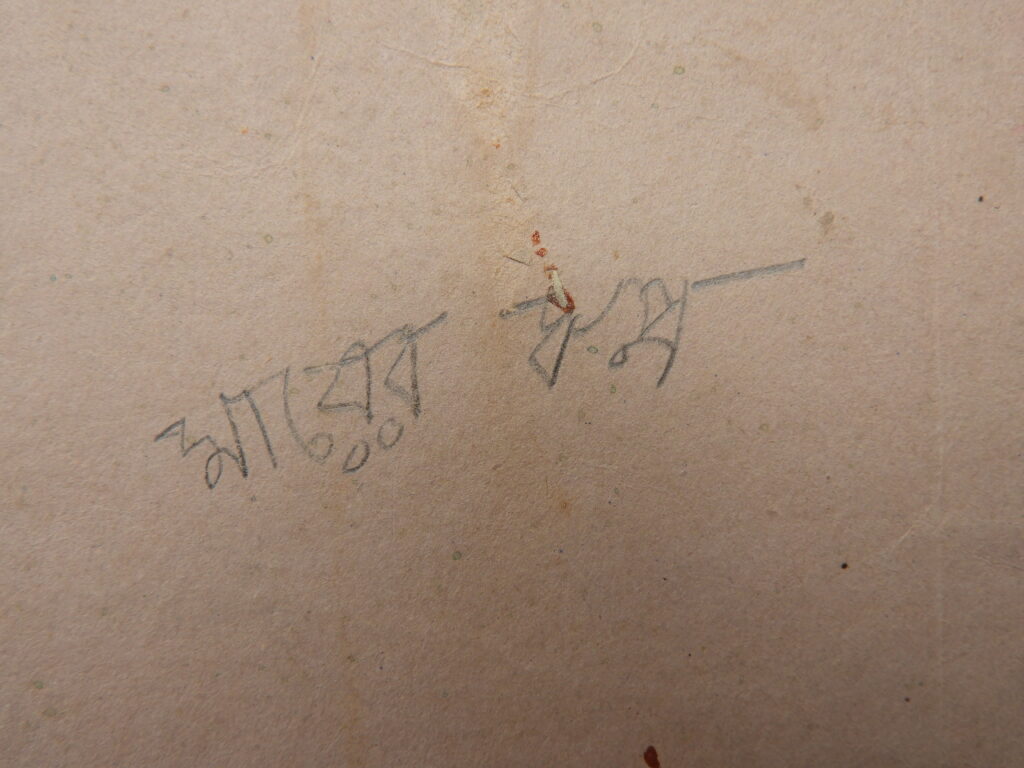
This pencil drawing is titled ‘Mayer Shopno’, A Mother’s Dream, executed in the 1960s-70s. If you look closely, you’ll notice affection and warmth oozing out of the eyes of the mother.
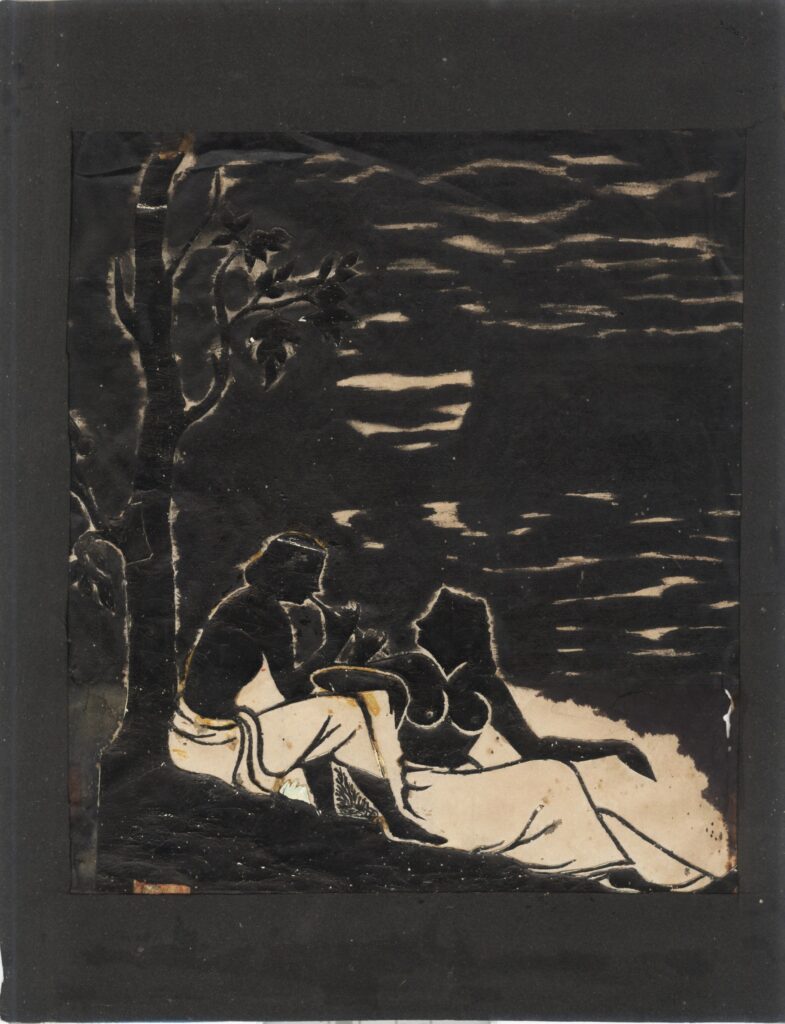
This artwork, a depiction of lovers in the night, was done using paper pastes, ink and watercolour. What makes it unique is the innovation regarding the use of mediums and the fine lines that successfully deliver and express the chemistry within the characters!
Tagore was (almost) every 20th century Bengali’s muse. Shyamal Majumdar was no exception. The profile of Tagore has long been an enduring subject in the work of many artists. This work is most likely a woodcut print executed using Chinese ink. The neatness of the design and the fluidity of the lines in the print make it stand out. Unfortunately, the original work is no longer with us, and only a photograph of it survives.
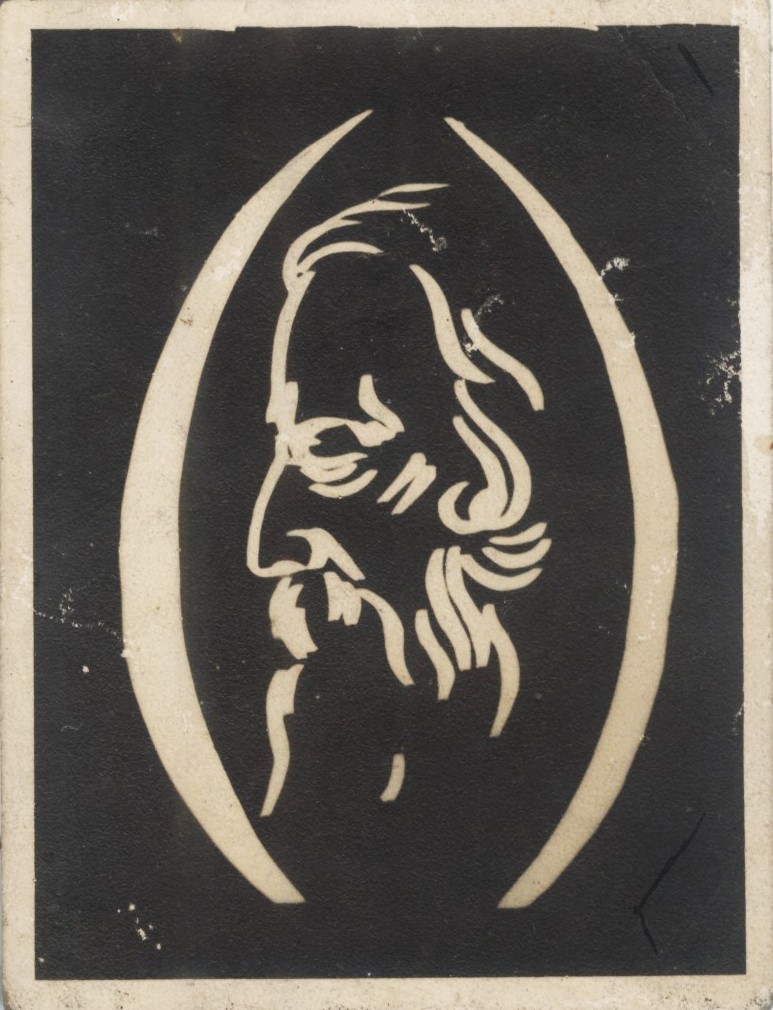
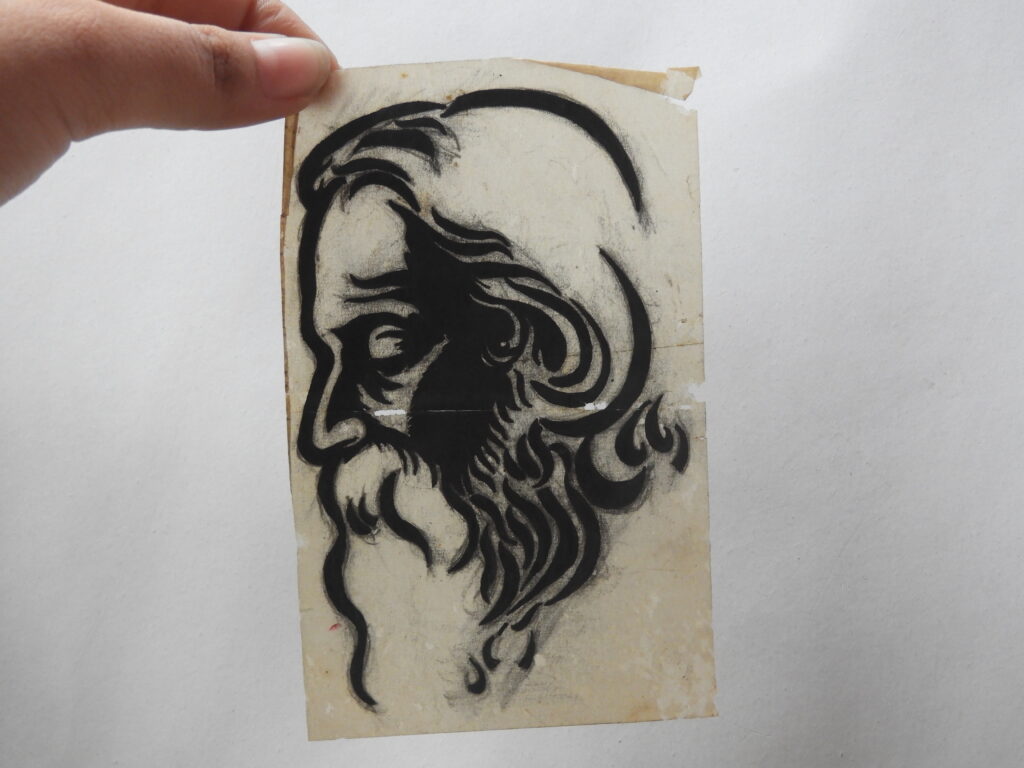
This Rabindranath Tagore one is painted with Chinese ink on tracing paper and is a piece of living evidence that, within his limited artistic span, Majumdar was very keen on experimenting with different mediums.
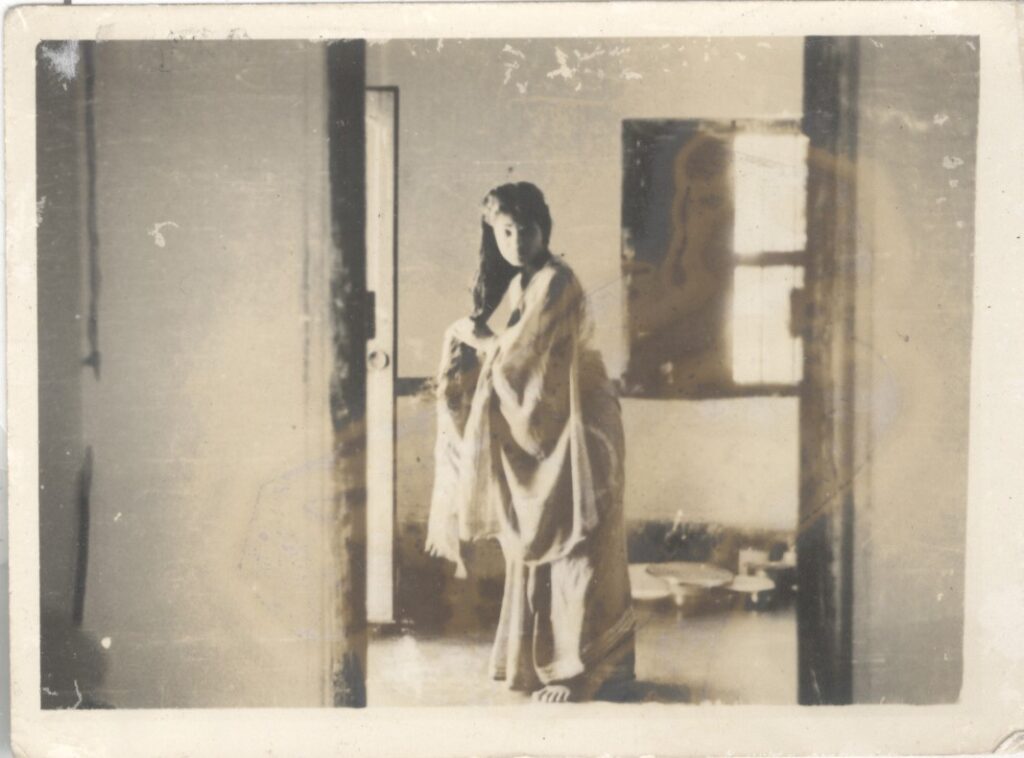
Art paved the way for us to rediscover another facet of Dadu’s creative practice- his exploration of visual media through photography. Guided by him, my father also developed a deep appreciation for lens-based practices and their many nuances. It was my father who first showed me Shyamal Kumar’s old camera and Ikophot light meter, while my mother entrusted me with a collection of photographic prints that Dadu had taken over the years.
As we spent time going through them, we were astonished by the breadth and diversity of his photographic work. The images revealed an eye attuned to a wide range of subjects, lighting conditions, and stylistic approaches. There were portraits, family photographs, landscapes, carefully composed still lifes, and many more that Dadu had uncovered within the limited physical arena.
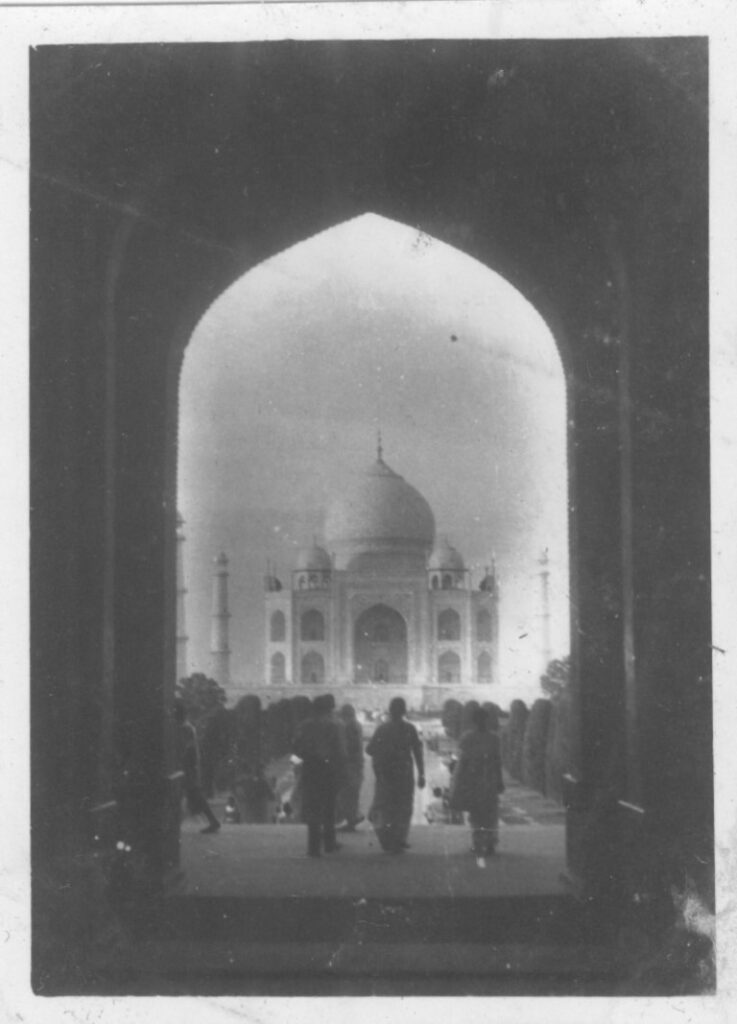
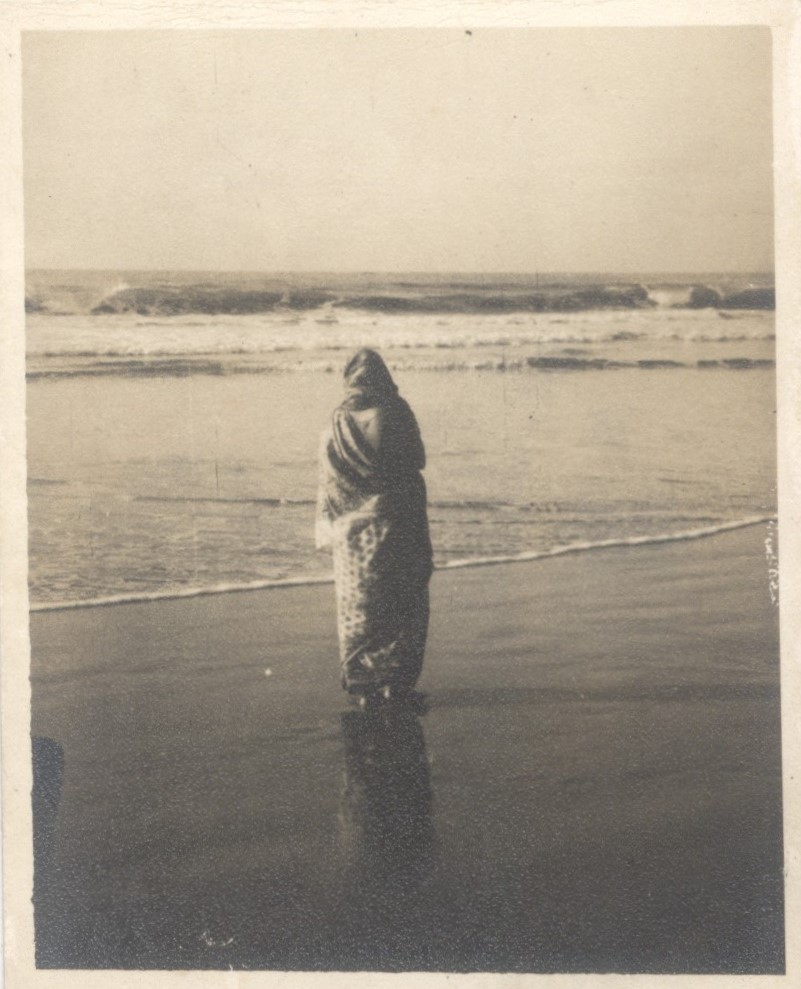
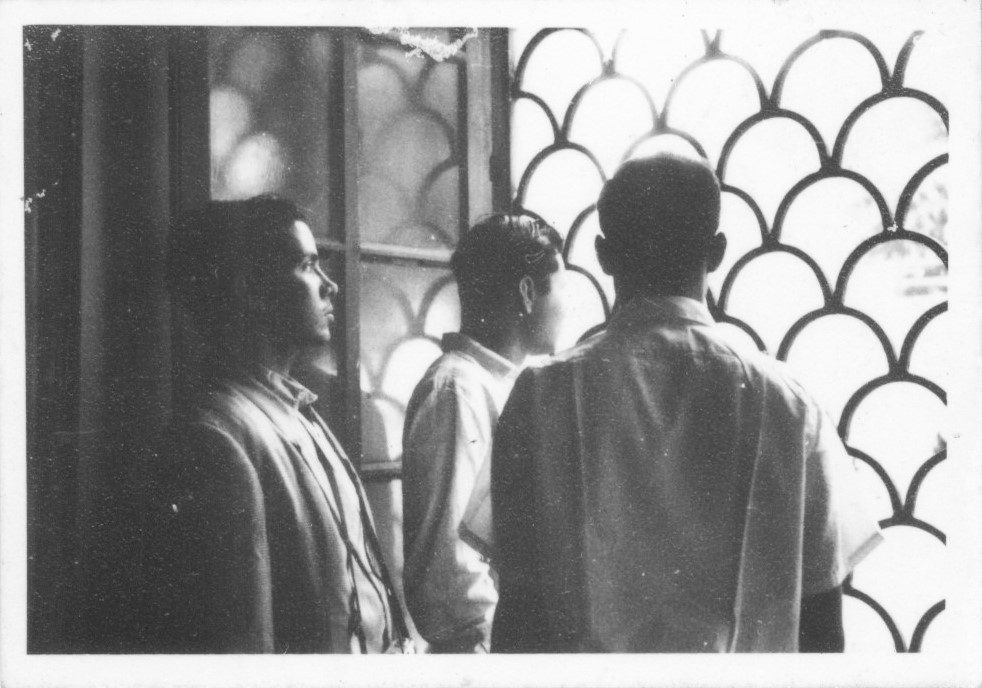
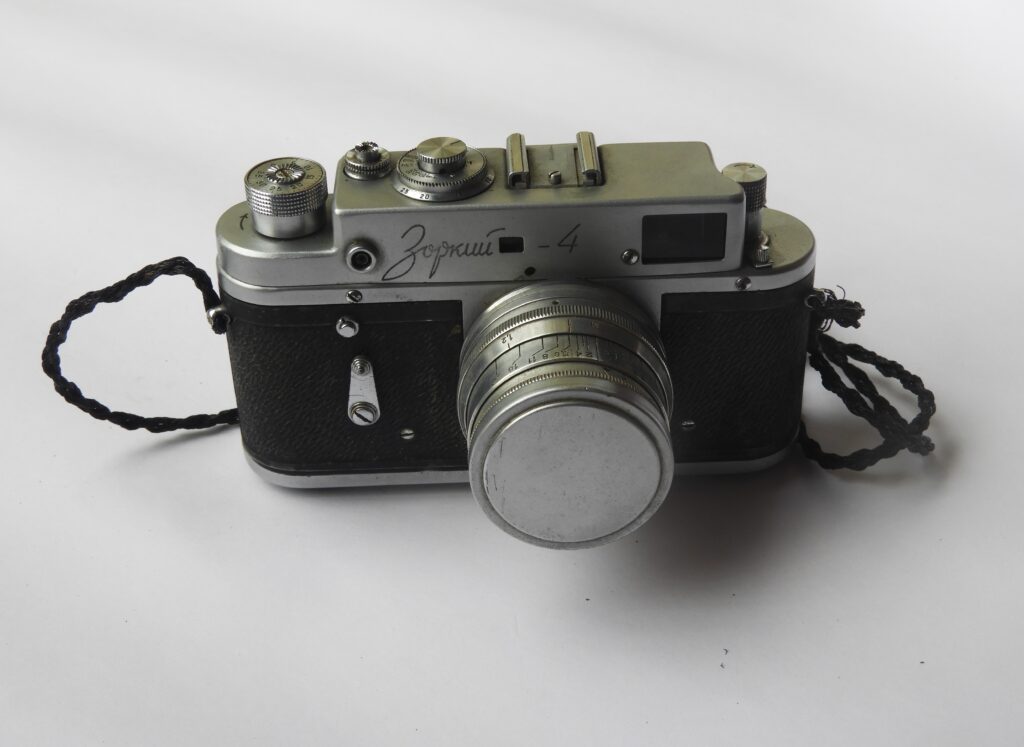
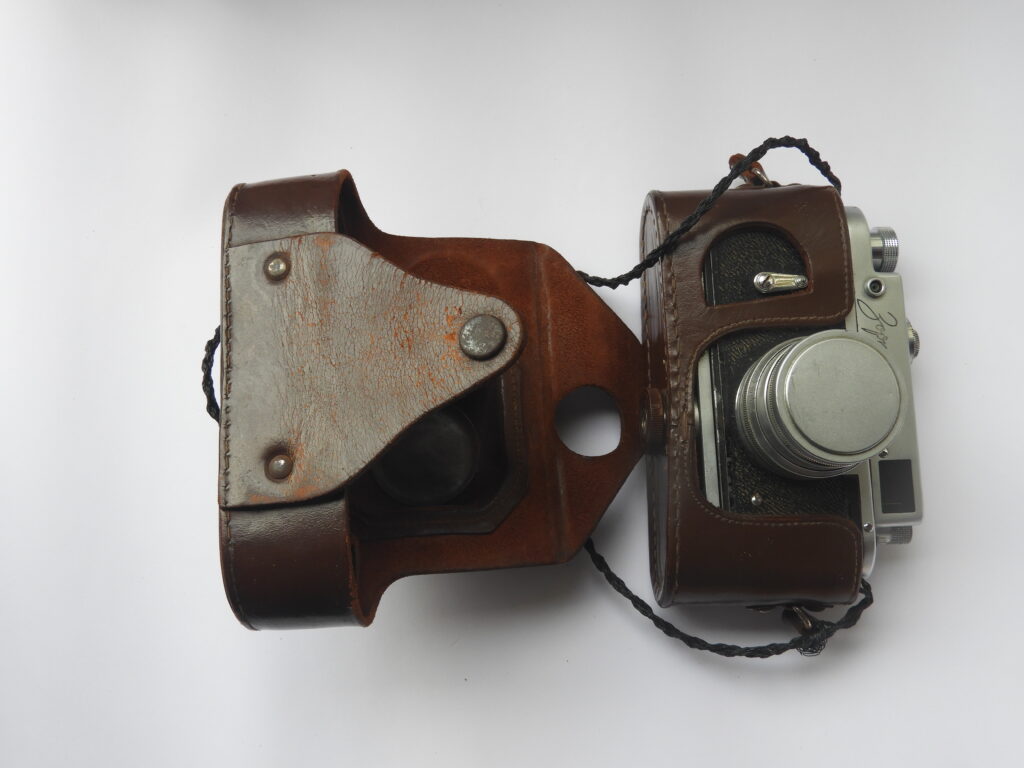
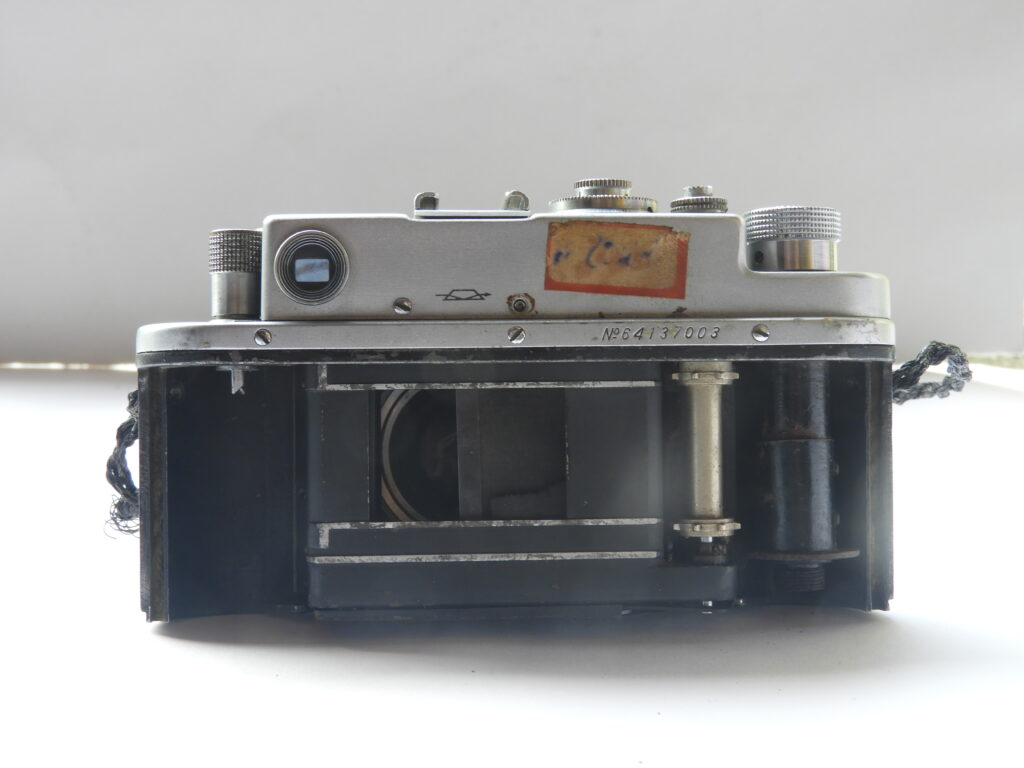
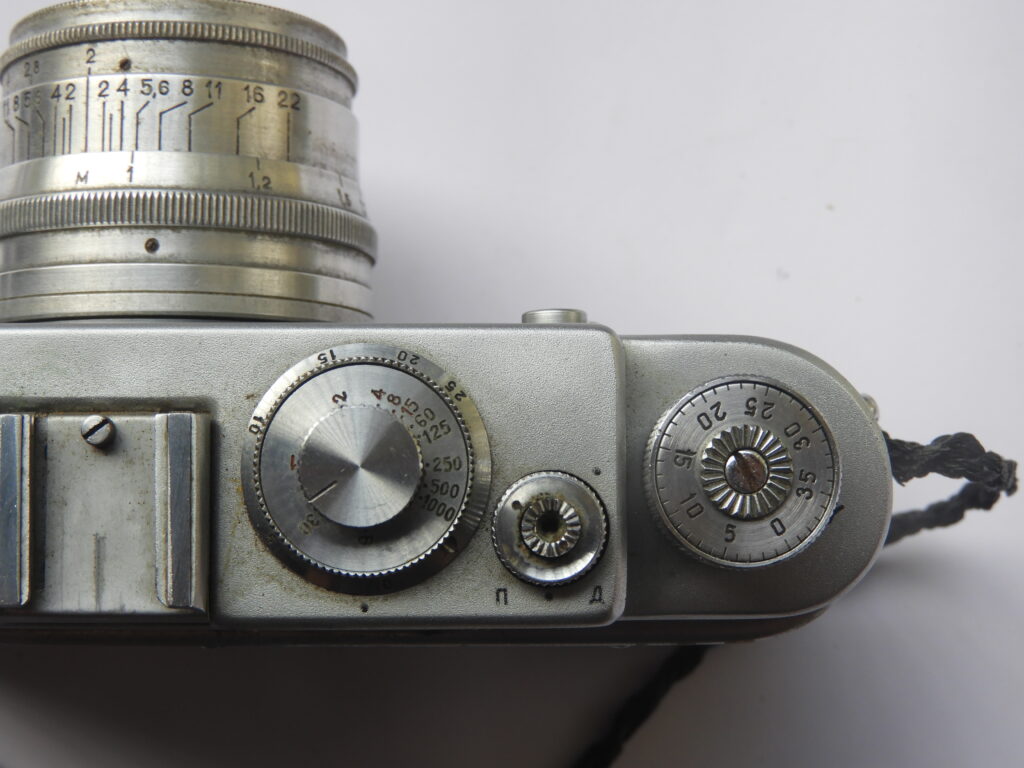
Currently, I know of only one camera that was owned by him. It is a Zorki 4 model produced by KMC Company. The Zorki 4 was possibly the most popular of all Zorki cameras, with 1,715,677 cameras made by the KMZ factory in Krasnogorsk, Russia. The Zorki 4 was also the first of the Zorki cameras to be exported in large numbers to the West. It is a fully manual camera and does not have a light meter. Dadu’s interest in photography was self-learned.
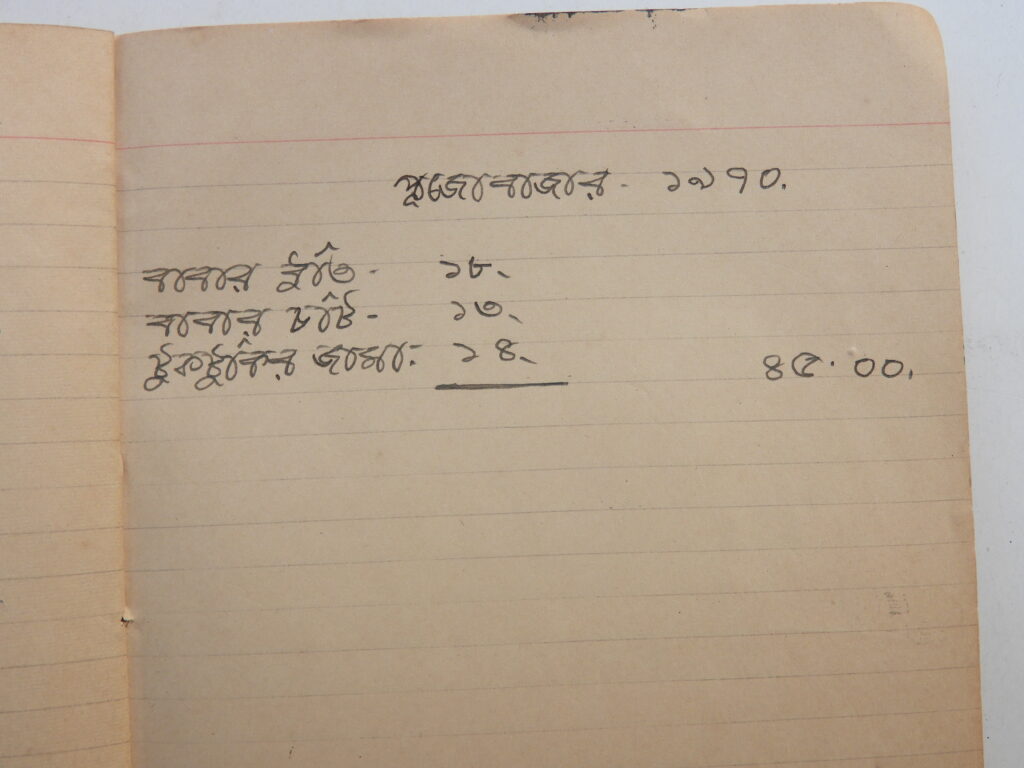
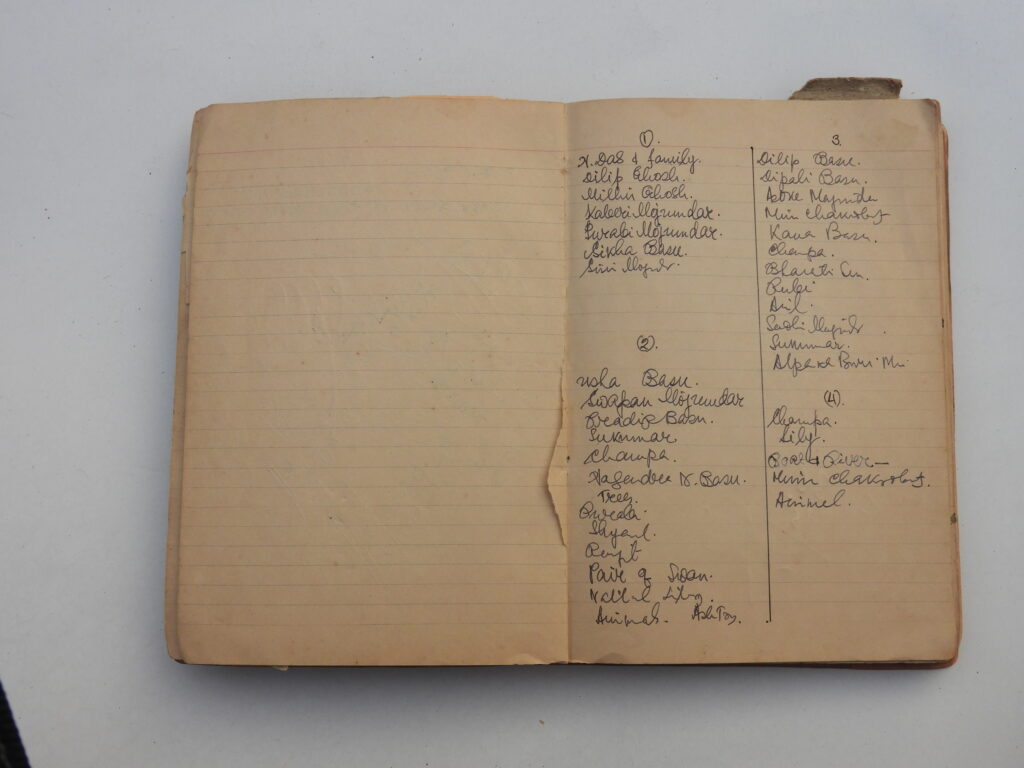
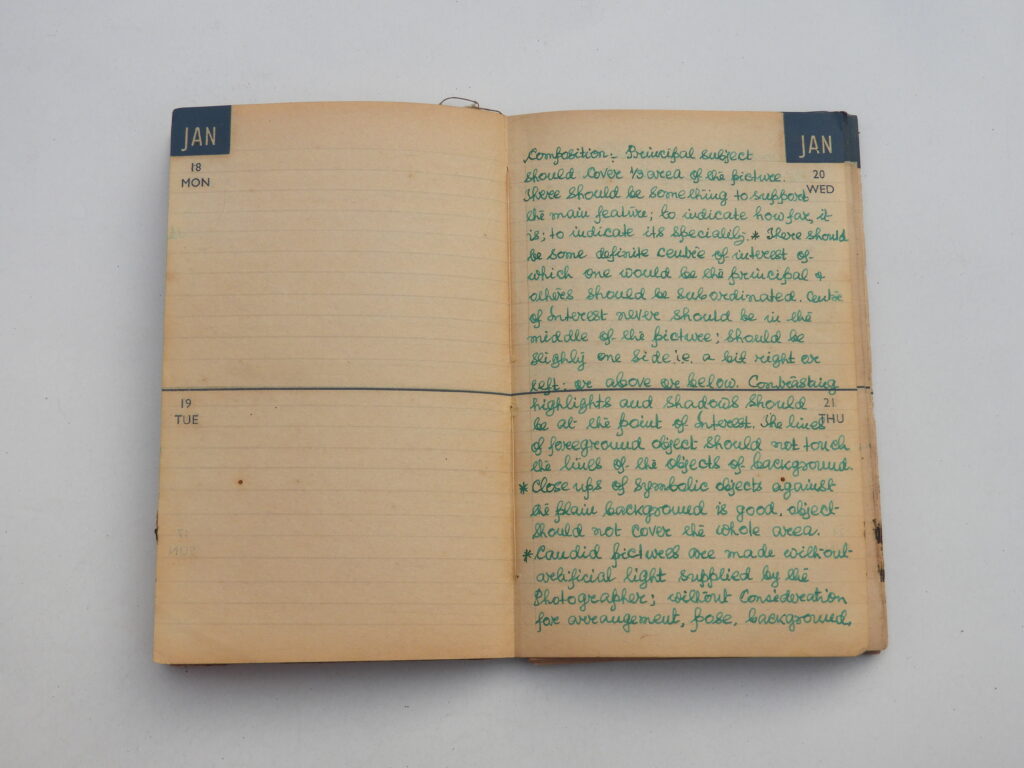
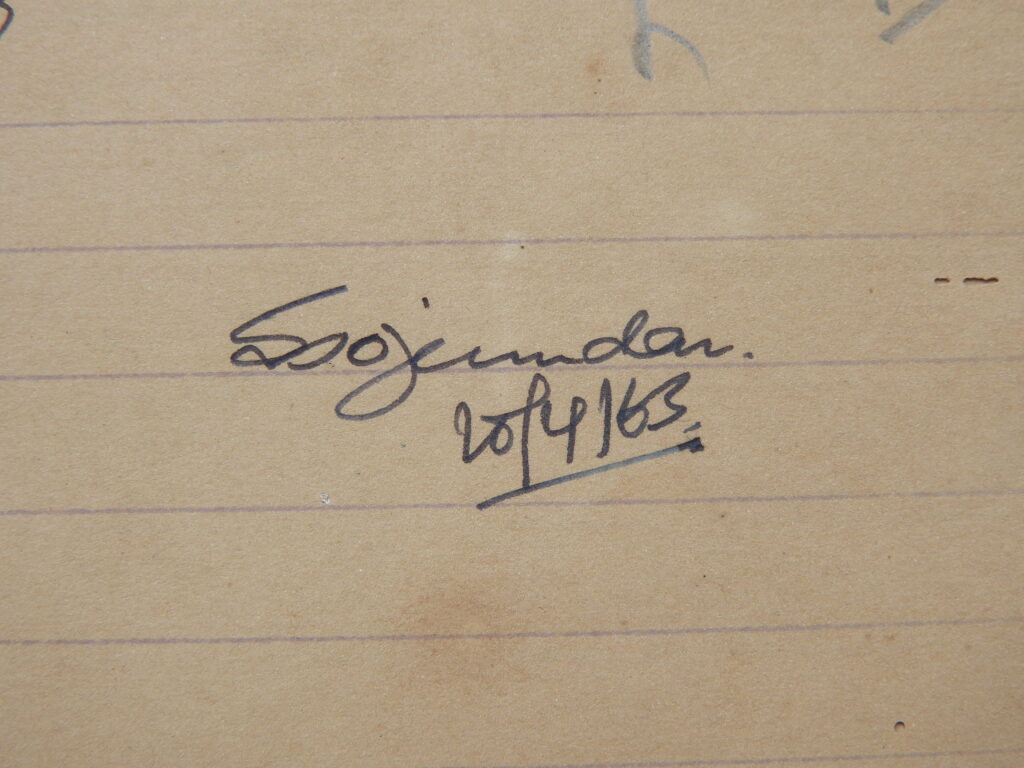
Through books borrowed from the neighbourhood library, he taught himself the art of photography and maintained a notebook to document the various aspects of it: the correct amount of light, the nature of the subject in a frame and the sensitivity needed to make the frame come to life. Among his dairies were his list of yearly Pujo expenditures, daily journals and other miscellaneous ones that have given me the rare opportunity to know him better as a person.
One passion that did not leave Dadu until his very last day was his love for music. It began early in his life, despite the fact that no one else in the family shared or nurtured a similar interest. My grandmother would often recount how, sometimes at the expense of much-needed financial security, Dadu would return home on payday carrying a stack of newly released vinyl LPs purchased with his salary. He would head straight to his room and spend hours listening to them one after another on his record player- a machine that still works today. Through him, my father developed a love for music, and in turn, so did we. Music became a constant presence in our home. Around 200 LPs from his collection are in good shape with us, ranging from Western classical and Indian classical to Bangla adhunik, recitals and dramas, and much more.
As I grew older, I began noticing not only the objects themselves but also the ways in which they occupied space within our home. Some items were carefully wrapped and stored away in cupboards, brought out only occasionally when relatives gathered for family occasions such as weddings. Others rested quietly on shelves, beneath tables, or inside glass cabinets, becoming an unremarkable yet essential part of our everyday domestic landscape.
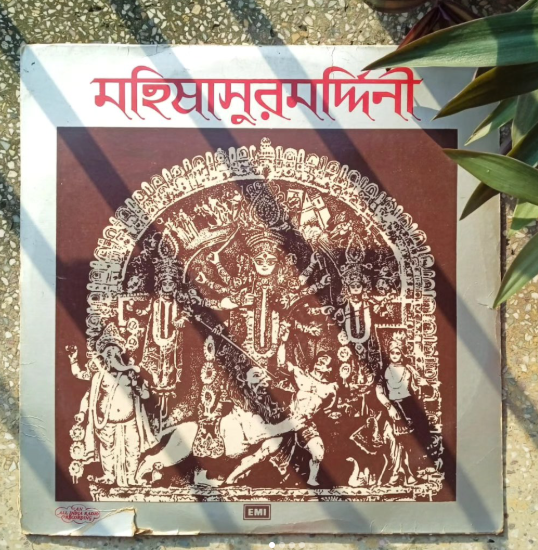
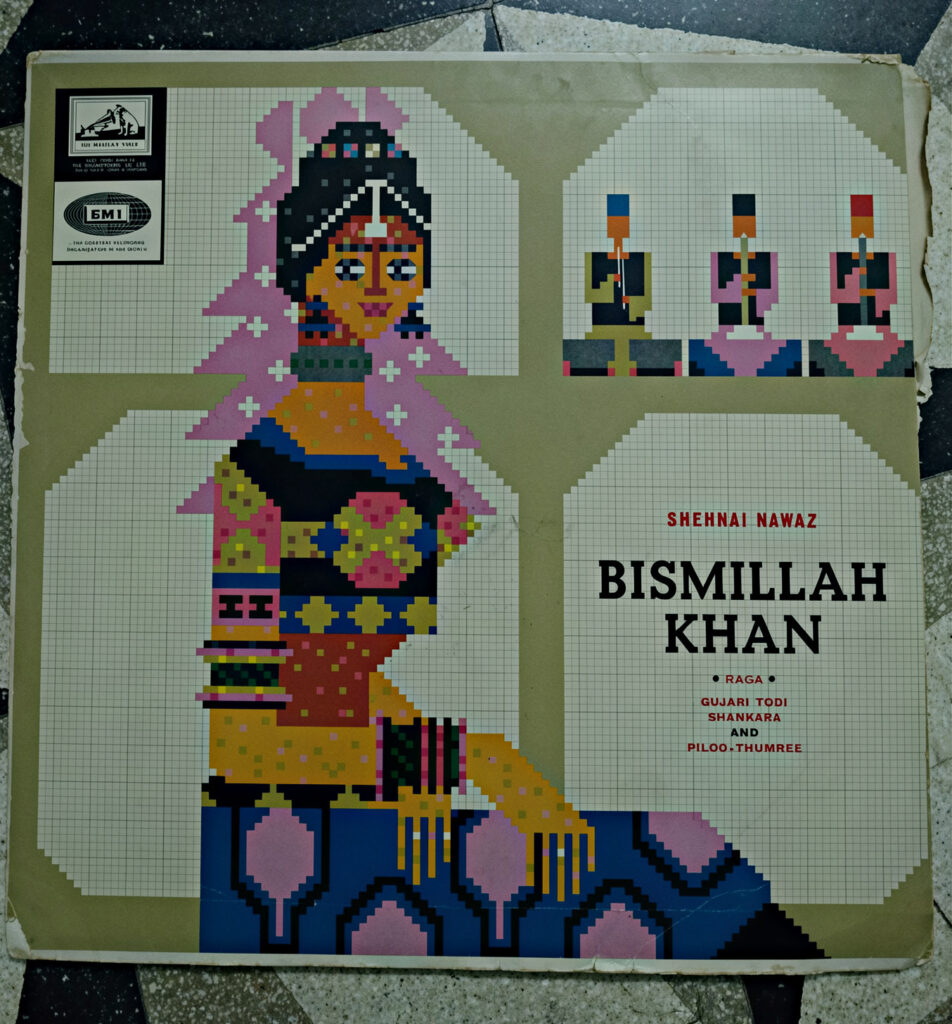
The LP records remained methodically stacked in the wooden cabinet beneath the record player, while the fragile artworks and photographs were preserved with particular care by my mother, who has always had a deep appreciation for creativity and the arts. These arrangements revealed something deeply personal, not only about Dadu’s relationship with these materials, but also about our own. The ways in which they were cared for, displayed, and revisited makes me feel that they were constant companions to memory, creativity and curiosity.
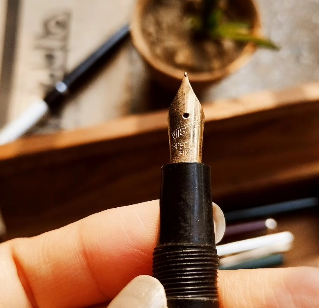
Throughout his youth, Dadu collected hundreds of fountain pens, some fitted with gold and silver nibs. Looking back now, what strikes me most is that these objects were never simply random accumulations. Rather, they were united by a distinct sensibility and way of seeing the world. Many of the items he collected belonged to a rapidly changing post-Independence India of the 1950s to the 1980s- a period when imported goods, artistic practices, and new forms of cultural exchange held immense fascination for the Indian middle class. His collections reflected an intense curiosity about the wider world and a desire to preserve fragments of it within his own life.
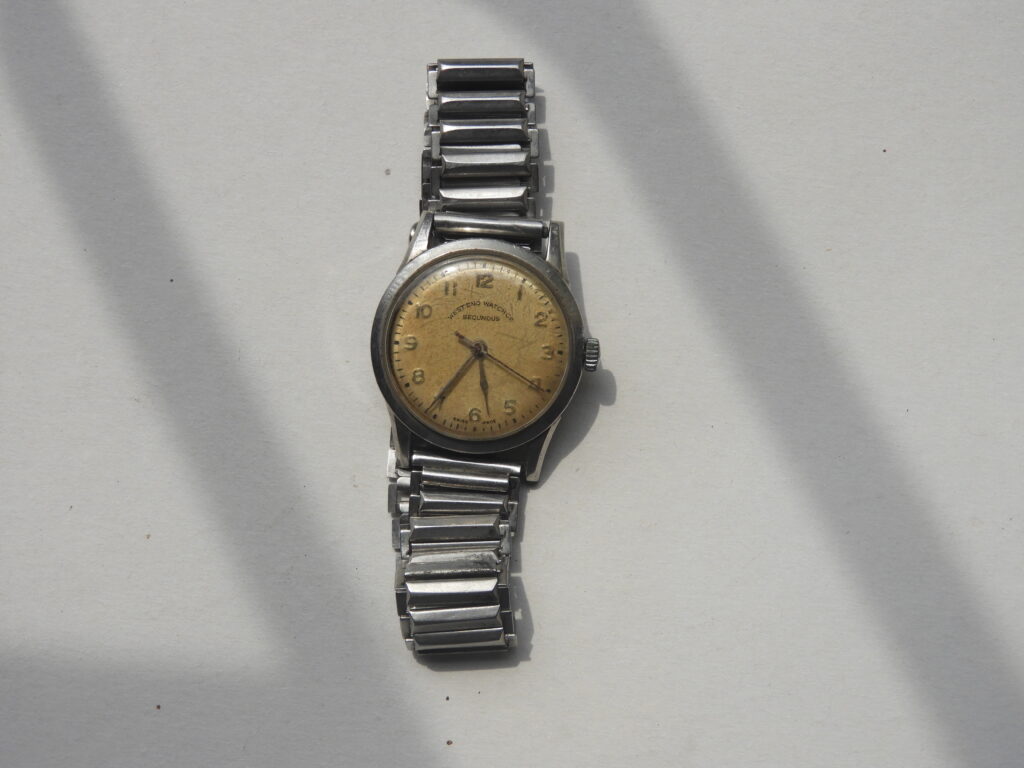
Two of my grandfather’s watches, each very different in character, illuminate this idea particularly well. Both are beautiful and well preserved, showing surprisingly little corrosion despite the passage of time. One is a classic wristwatch manufactured by the West End Watch Company, which Dadu purchased in the 1960s. Founded in 1886 and based in Leytron, Switzerland, the company has a long history of producing and distribution over 15 million timepieces that found their way across the world, including into India.
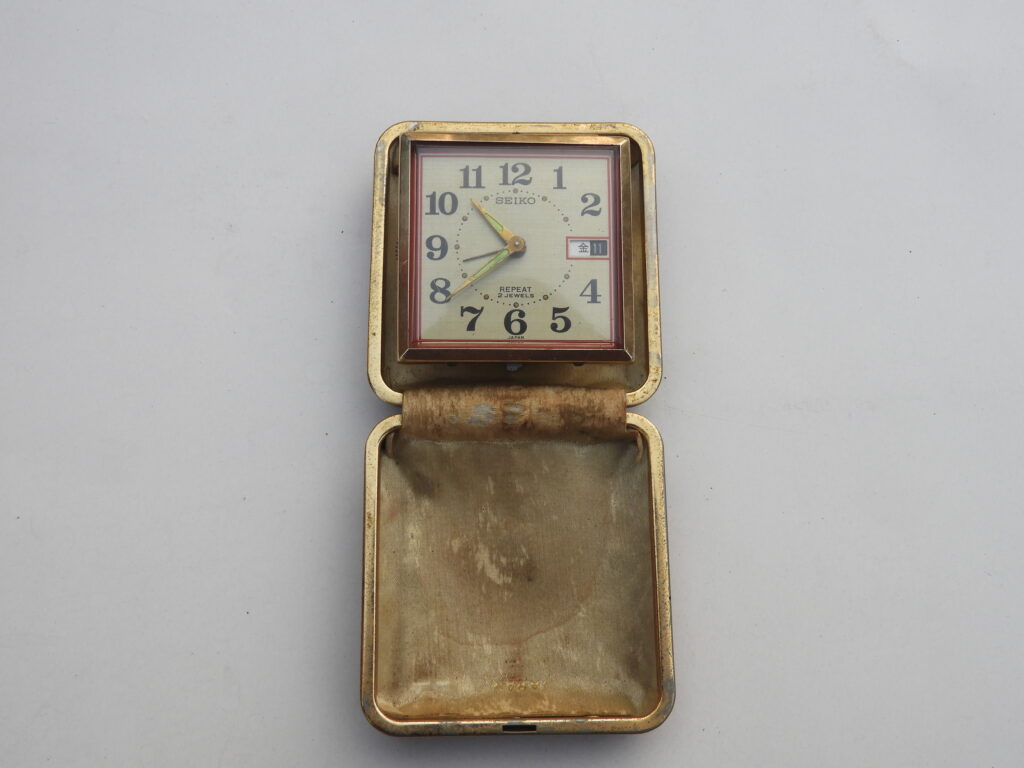
The second is a vintage portable wind-up alarm clock made in Japan by Seiko. It has a manual mechanical, key-wound movement that powers both the timekeeping and the alarm. It is designed for travel, featuring a foldable or closing case that protects the clock face when not in use.
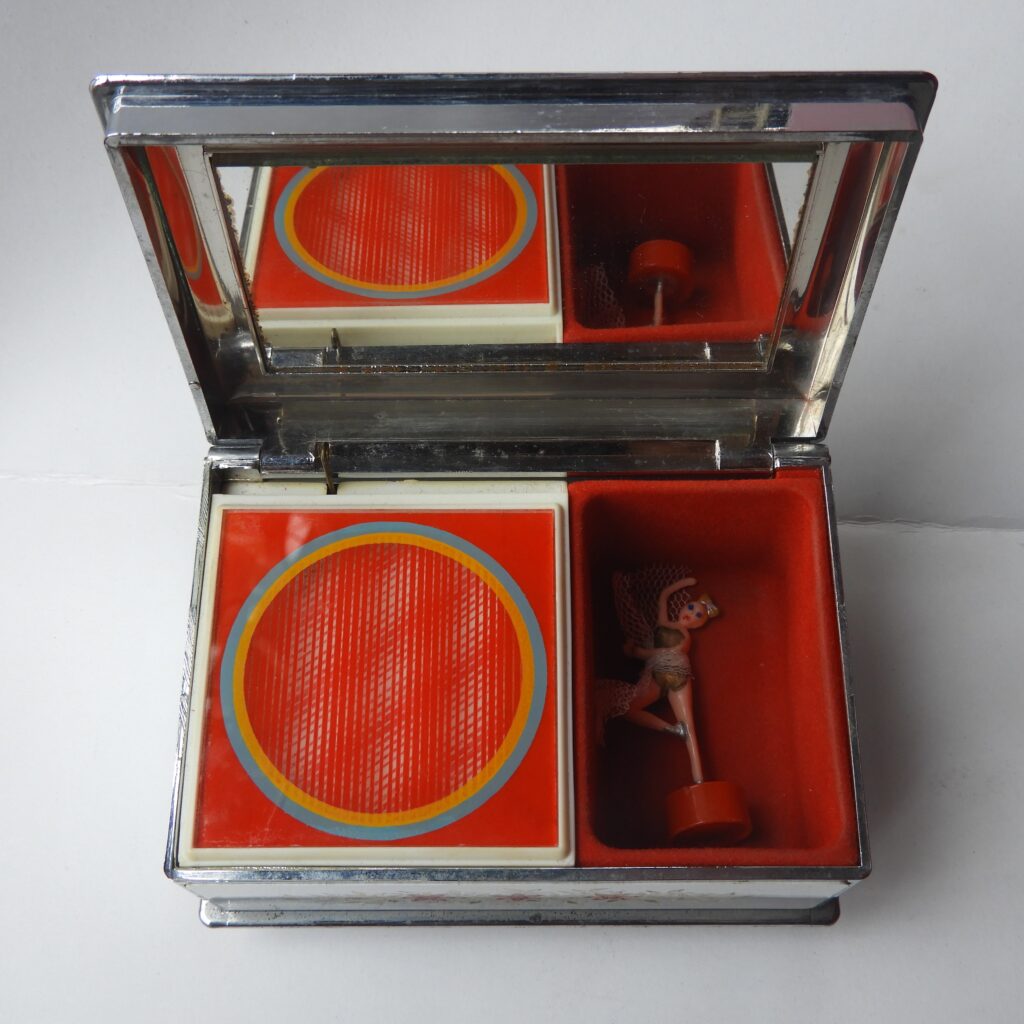
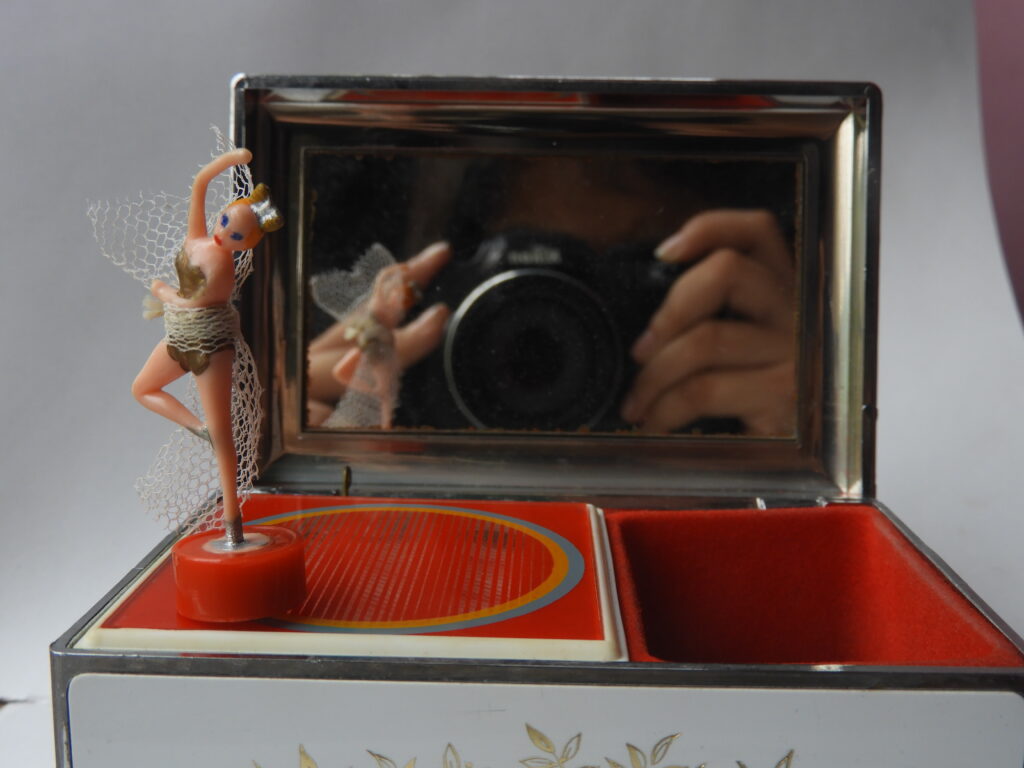
Shyamal Kumar was known widely among his family and friends for his more unique, quirky buys. One of them is a Japanese casket box he bought from New Market, Kolkata, for his daughter on her birthday. I used to be fascinated by it when I was a kid. Commonly called the Lady Mate jewellery box, it is a small red music box with a ballerina made in Japan, circa 1970. There is a mirror under the top and another one inside where the ballerina dances, which makes a Kaleidoscope effect when the music is on.
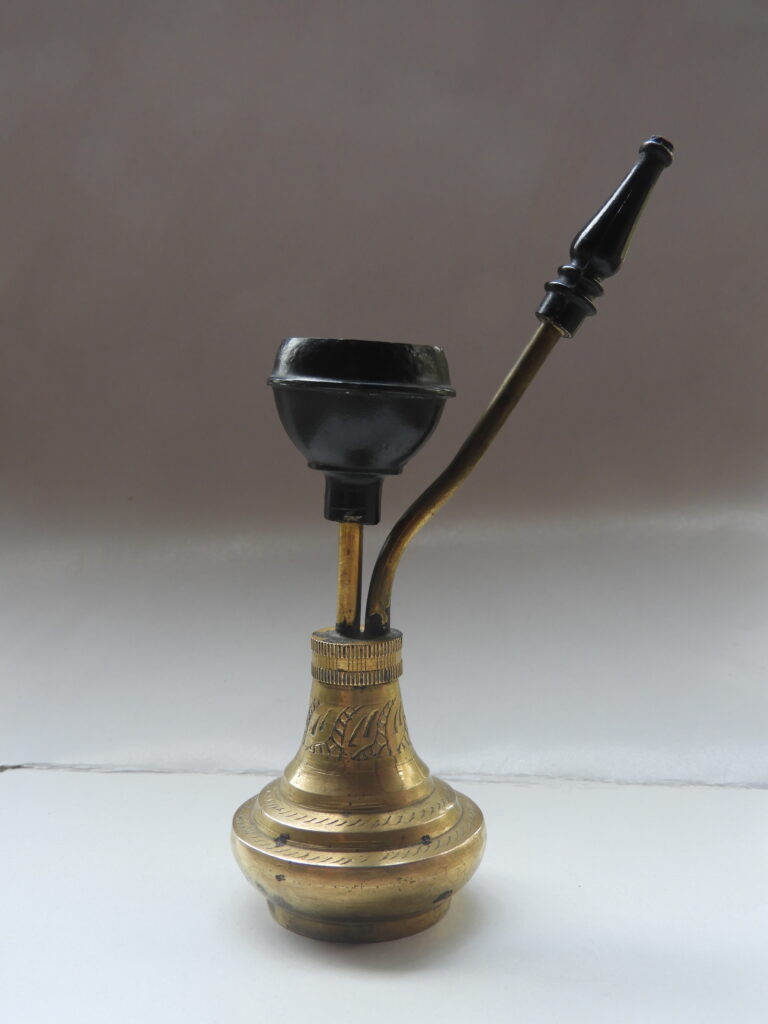
Another one in this list is a gorgeous bronze miniature hookah with ornamentation. Dadu got it during one of his work trips. In Bengali, it is called a ‘gorgora’, and although it is actually a decorative piece, one could make bubbles via the pipe by putting water inside the body of the hookah!
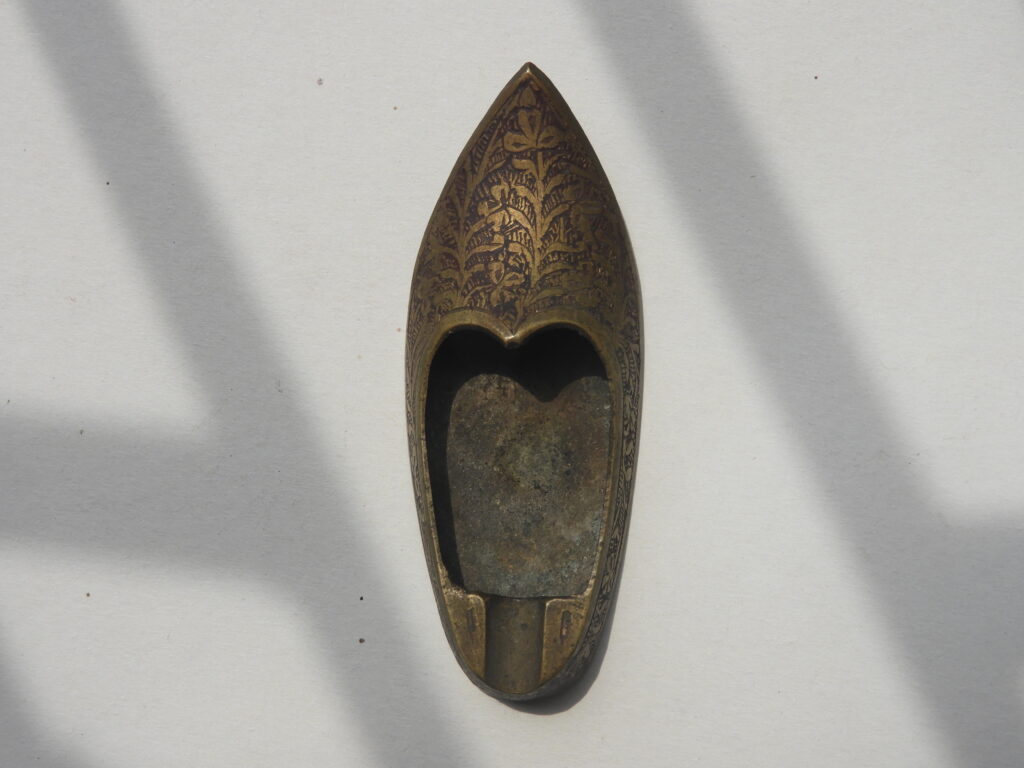
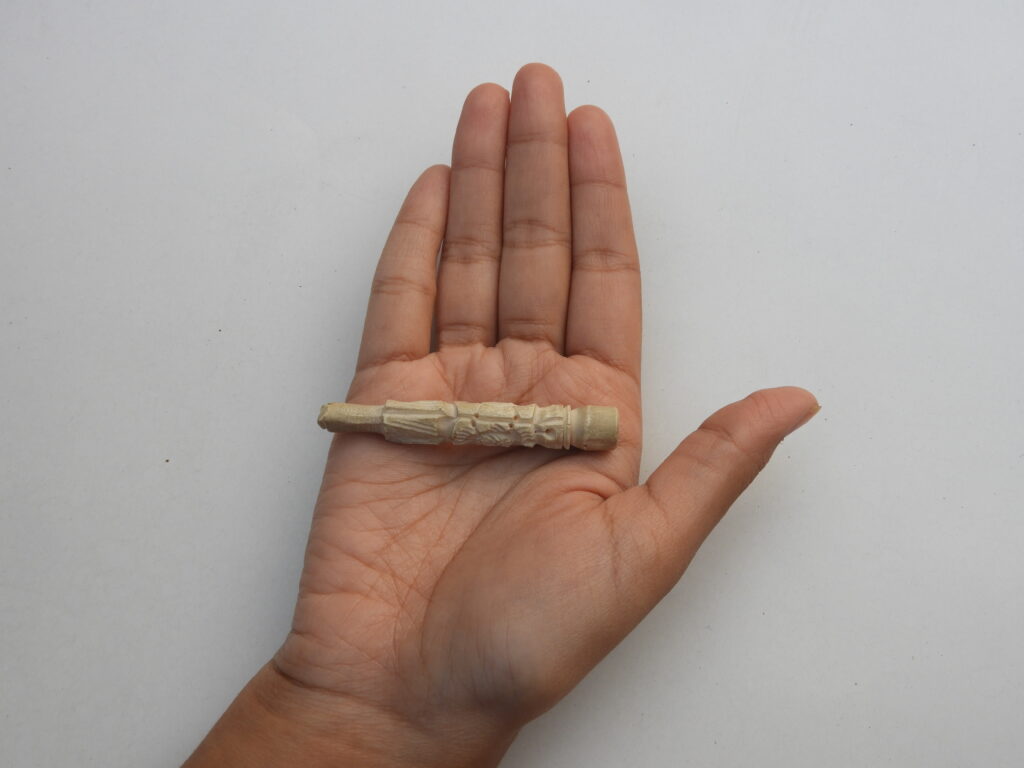
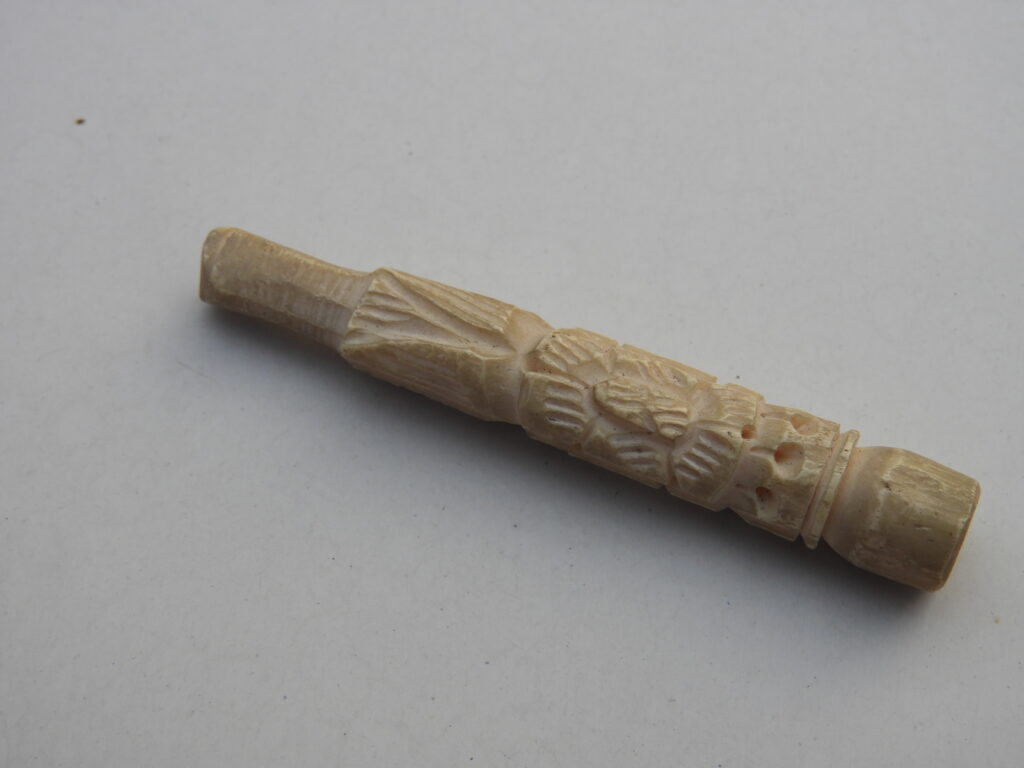
A brass shoe-shaped ashtray with Moradabadi ornamentation also stands out. Moradabad, known as the Brass City or ‘Peetal Nagri’ of India, is a world-renowned hub for handcrafted brass ornamentation, featuring intricate engraving, enamelling and casting techniques. Artisans in this Uttar Pradesh city specialise in combining functional items with delicate artistic detailing. Antique oxidation has been used to provide a rich, classic finish to this ashtray. An ivory cigarette holder, with beautiful carving, was Dadu’s favourite; he was a smoker in his youth, mostly while reading voraciously.
The timelines attached to these objects help illuminate different phases of Dadu’s life. His artworks and early experiments with photography largely belong to the 1960s and 1970s, when he was a young man balancing professional responsibilities with a deep commitment to artistic exploration. Around the same period, he acquired his West End wristwatch and many of the vinyl LP records that would go on to shape the family’s relationship with music for generations.
The Japanese music box and portable Seiko alarm clock point to the growing circulation and desirability of imported consumer goods in urban India during the 1970s. Even the Zorki 4 camera connects Dadu’s personal interests to a broader global history of photographic technology and exchange during the Cold War era. Another particularly fascinating object is the Zeiss Ikon Ikophot, a handheld light meter that he used in his photographic practice.
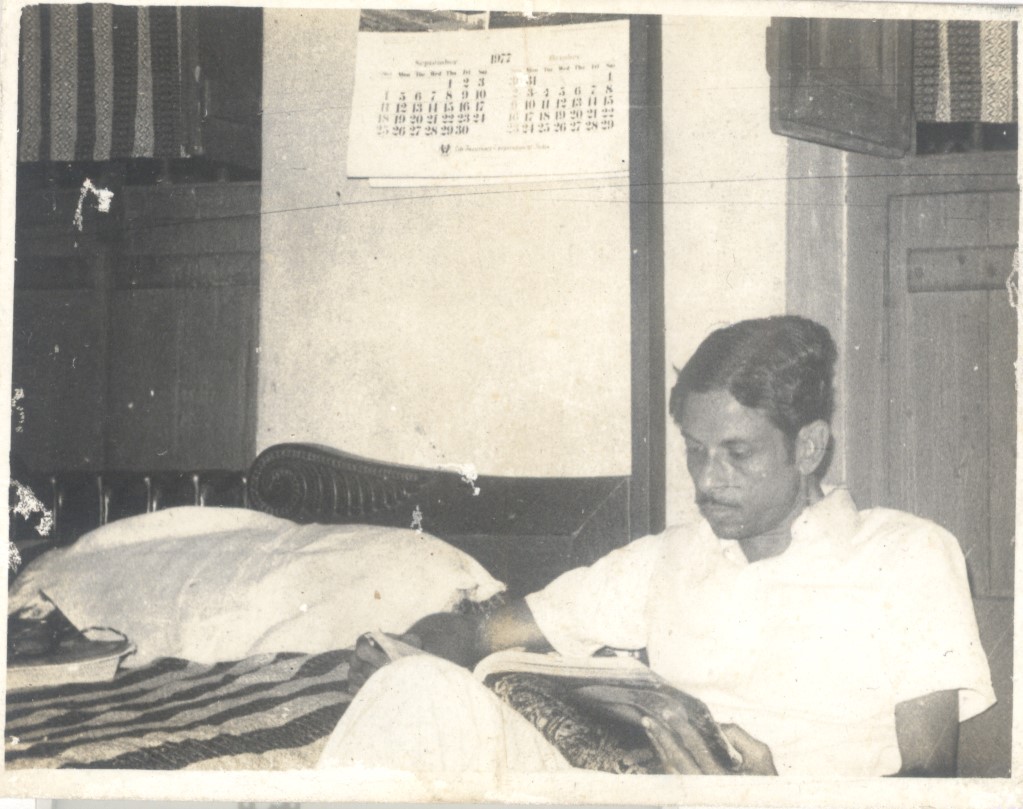
There was also something deeply archival about Shyamal Kumar’s impulse to preserve. Whether through diaries, photographs, vinyl records, or artworks, he seemed committed to holding on to moments, textures, and experiences that time might otherwise erase. His collections reveal not only a keen appreciation for aesthetics but also a lifelong desire to discover and engage with worlds beyond his immediate surroundings.
Another striking aspect of the collection is its global character. A Russian camera, Swiss watches, Japanese music boxes, and Indian handicrafts coexisted within the same domestic space in Howrah, West Bengal. These objects speak to a period when the wider world entered middle-class Indian homes through material culture, carrying with it new ideas, aspirations, and forms of connection. Seen together, these objects form more than a family archive. They constitute a material record of aspiration, taste, curiosity, and cultural life in late twentieth-century Bengal, offering insight not only into one individual’s passions but also into the wider worlds that shaped and inspired him. Together, they reflect the cultural imagination of an urban Bengali middle-class generation in post-Independence India—one that remained deeply rooted in local traditions while looking outward with curiosity, openness, and wonder.
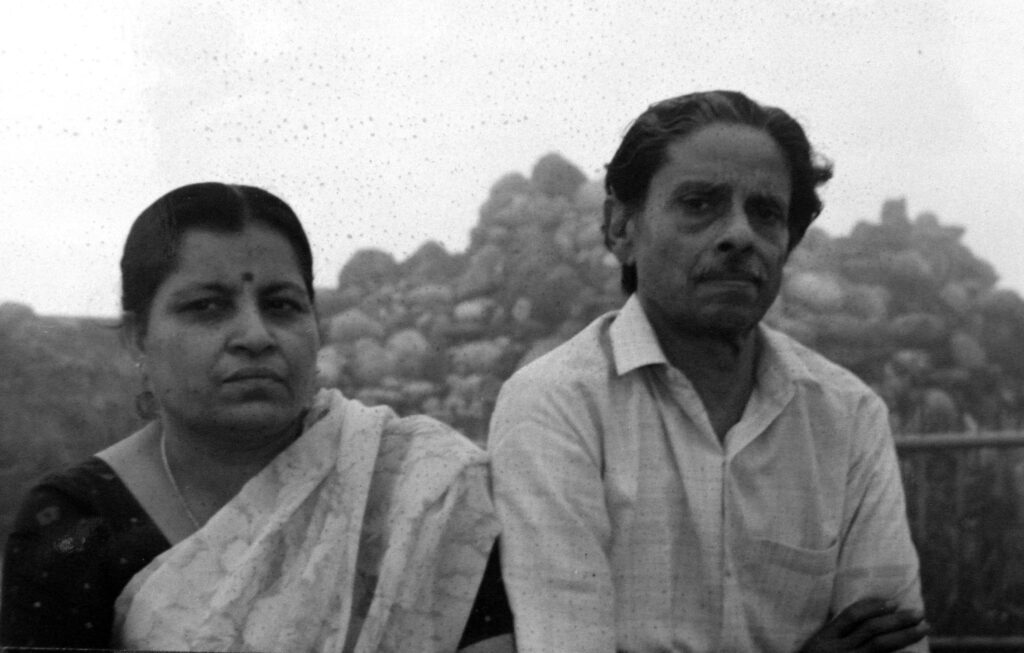
While we all wonder in awe at my grandfather’s collections and passion, this essay would remain incomplete if I did not acknowledge the presence and support of my grandmother, Ira Majumdar. It was she who held the family together and ensured Shyamal Kumar was taken care of when other things fell apart due to her husband’s eccentricities. I have heard most tales of my family’s bygone days from her when I was a kid. As we reflect on these collections and the lives they represent, may we never forget our past, the hands and hearts that held our histories together, and the care and sensitivity that both material and intangible memories deserve.