
TEXT AND PHOTOGRAPHS BY ANTARA BUZARBARUAH
Guwahati, Assam
Part 1 : When I think of the years gone by and the people who made those years special, I think of my father. I return to the objects associated with him and one such object is my parent’s wedding card. It all began in the 1964 when my grandparents were looking for a suitable groom for my mother.
You will soon know about mum, but before that, a little about her family – my mother, Aparna Goswami, is the second eldest child of eight to my grandparents, Khira Chandra Goswami, Head Assistant, Police Office, and Bina Pani Goswami, a homemaker. Born in the small town of Tezpur, Assam in 1945, my mother is a strong-headed woman with many dreams and aspiration. Now, she wears many hats – a doctorate in Plant Physiology and Biochemistry, a retired professor, the first female music composer for the All India Radio, Assam, a sitarist, a doting wife, a loving mother/in law and for all the others, their dearest Baidew or elder sister. She walks into a room and can light it up.
Five decades ago, marrying children early was a norm. My eldest aunt was already married by 19. Then came my mother’s turn. From 1964 onwards, Koka, my maternal grandfather, was desperate to get my mum married – he was clear that a daughter must get married early. When he started looking for a suitor, she was 21 years old, which, for the community, was already too late for her to have remained unmarried.
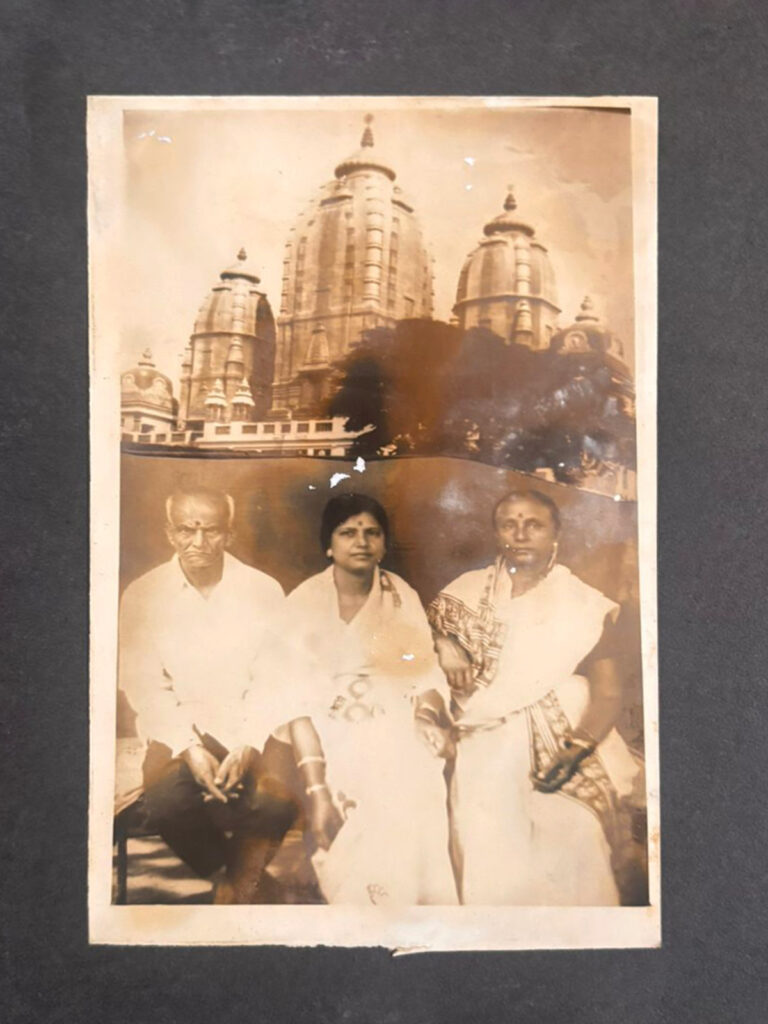
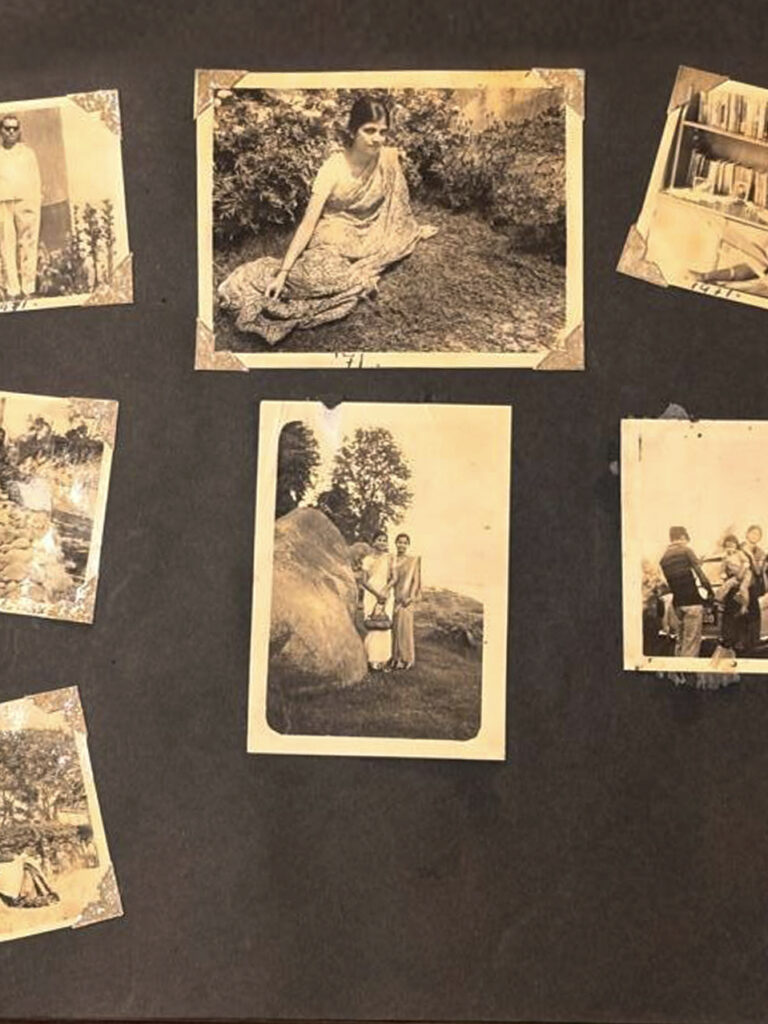
But she took advantage of this time to complete her education. She got a Bachelors degree from Cotton College, a Masters degree in Botany from Gauhati University and then joined as a lecturer at Cotton College (now University). In 2003, she retired as the Professor, Head of the Department of Botany.
When Koka (my grandfather) and Aitama (my grandmother) were busy circulating her astrological chart to everyone, they found potential grooms that weren’t a match, and others who failed to impress my mother. Then on a cold January evening in 1969, my granduncle came to their home in Guwahati and proposed someone he felt was an ideal partner for my mum. The family got together, the charts were compared, and yes, it was a match! In traditional Assamese custom, the families met and exchanged gifts as a way of ceremonially confirming the wedding plans. And so, my parents were betrothed.
*
Part 2: Although they were not formally allowed to meet and had many restrictions, my parents did try. They both lived in Guwahati, and my father was the resident doctor at the Handique Girls College, which happened to share a wall with Cotton College, where my mother worked.
There is a story I’ve heard since childhood about their attempt to meet alone for the first time. A dear friend of my father’s was a professor at Handique Girls College. When she came to know of my parent’s alliance, she invited my mum to the principal’s office, without telling her that my father too was invited – all under the impression that there was a medical emergency in the hostel. My father, Dr. Nagendra Nath Bujarbarua or Bhaiti Da, as he was dearly called by many, was a smart, intellectually stimulated doctor who had just moved back to Assam after completing his specialisation in Pathology from the King George’s Medical College, Lucknow.
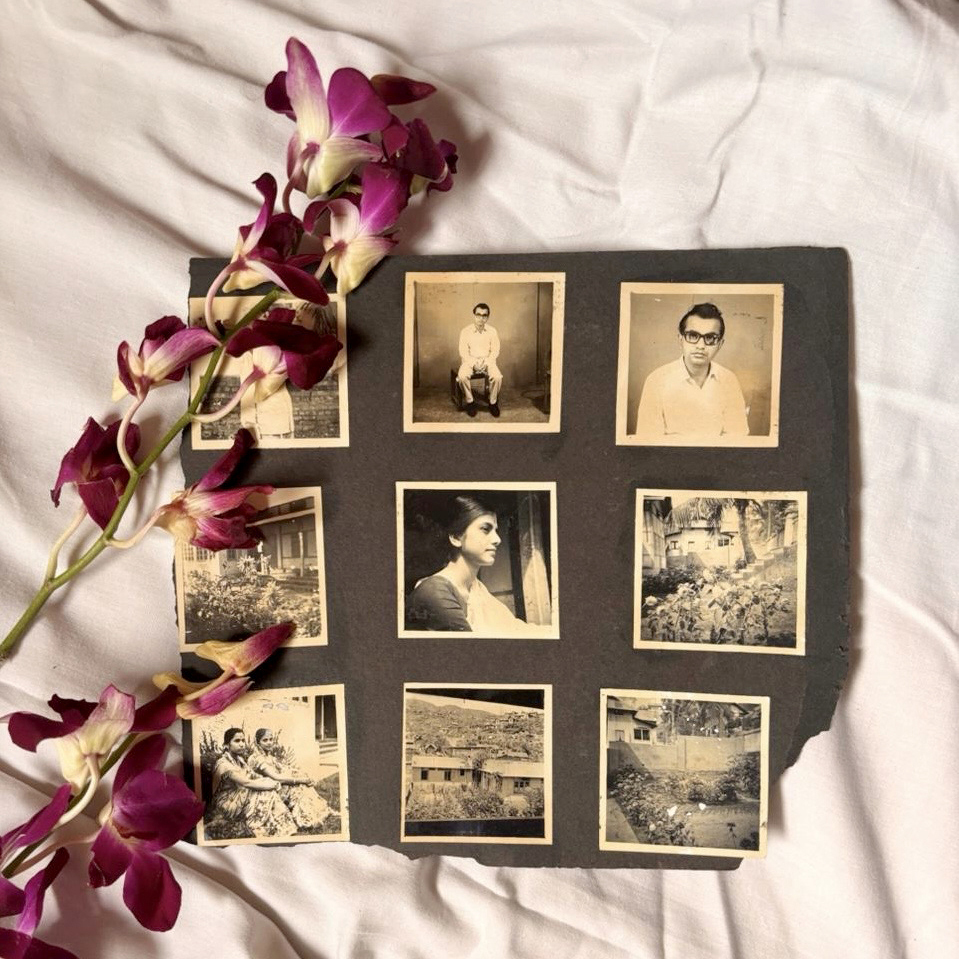
The idea was that my parents should be able to properly meet before they get married, and my guess is that this was to be their first official date! I know that this was important for my mum, as it was my dad’s personality that drew her to him. It was just about dusk when my father reached the office with his medical suitcase and stethoscope. Soon after, my mother also arrived with her sister – she would go nowhere without my aunt, Bhanti Mahi. As they exchanged greetings, his friend heard the creaking of the campus gate, and they noticed the principal of the college walking towards the office. Everyone started panicking because the principal had dropped in for a surprise visit, but more so because he was my father’s brother-in-law – and very strict!
*
Part 3 : My aunts had already met my father, and as the wedding approached, he would visit my grandparent’s home almost regularly, though my parents were still not allowed to formally meet. Once my father was sitting in the room adjacent to the kitchen, and my aunt – the very same one who accompanied my mother to her almost-first date! – lifted her up and carried her to the room, saying “Aiyaa baidew, here is your wife.” I was told my mum’s face turned red and she gingerly returned to the kitchen. But as she was leaving, she caught my dad blushing too, and I’m sure that made their day!
There was another occasion when one of my grandaunts tried to orchestrate yet another meeting. My father was at his private clinic when she quietly brought my mother there, hoping the two might spend a few moments together. But just as they began speaking, a patient walked in. Not wanting to be seen lingering there, my mother quickly slipped away, and the meeting ended as soon as it had begun.
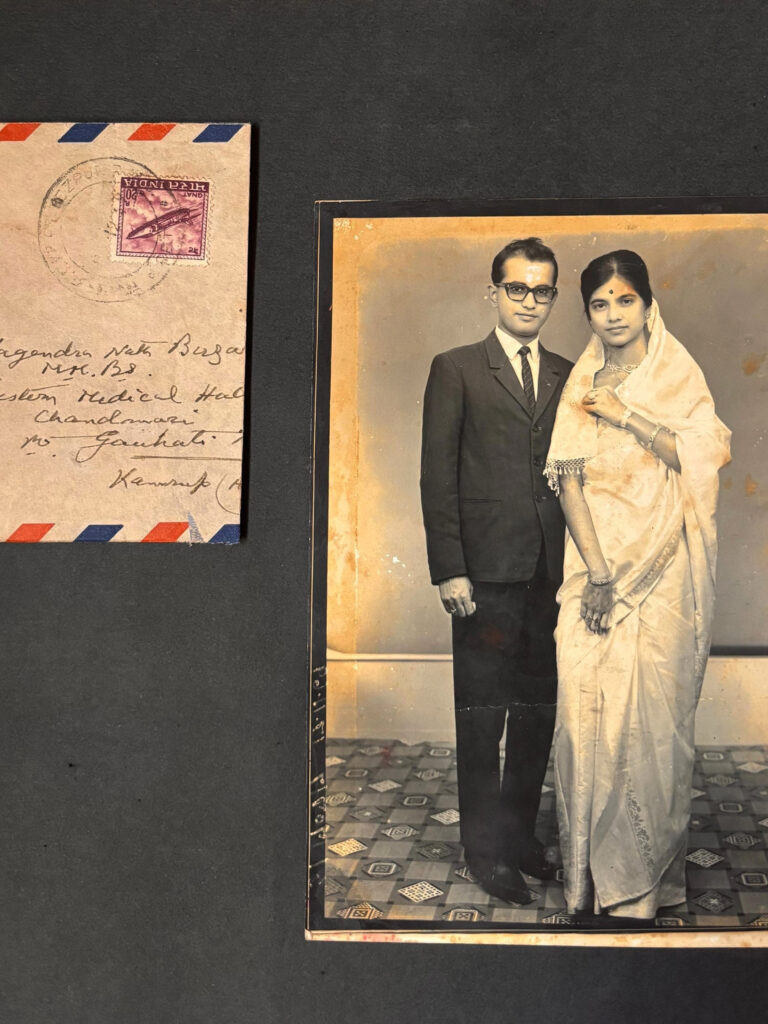
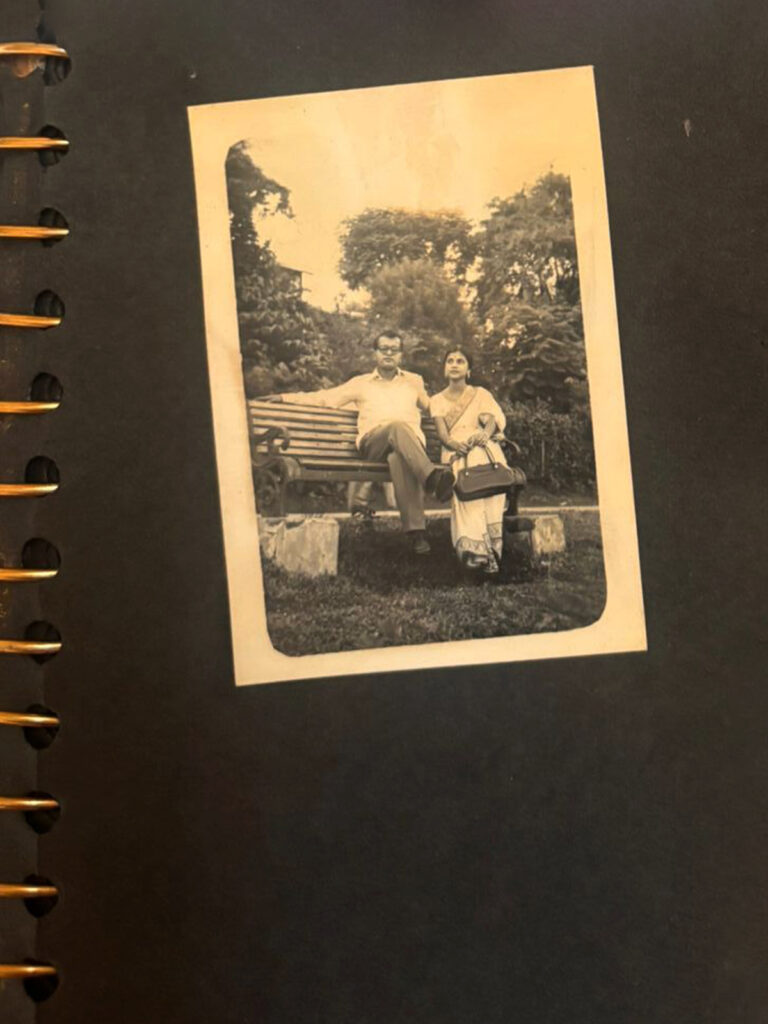
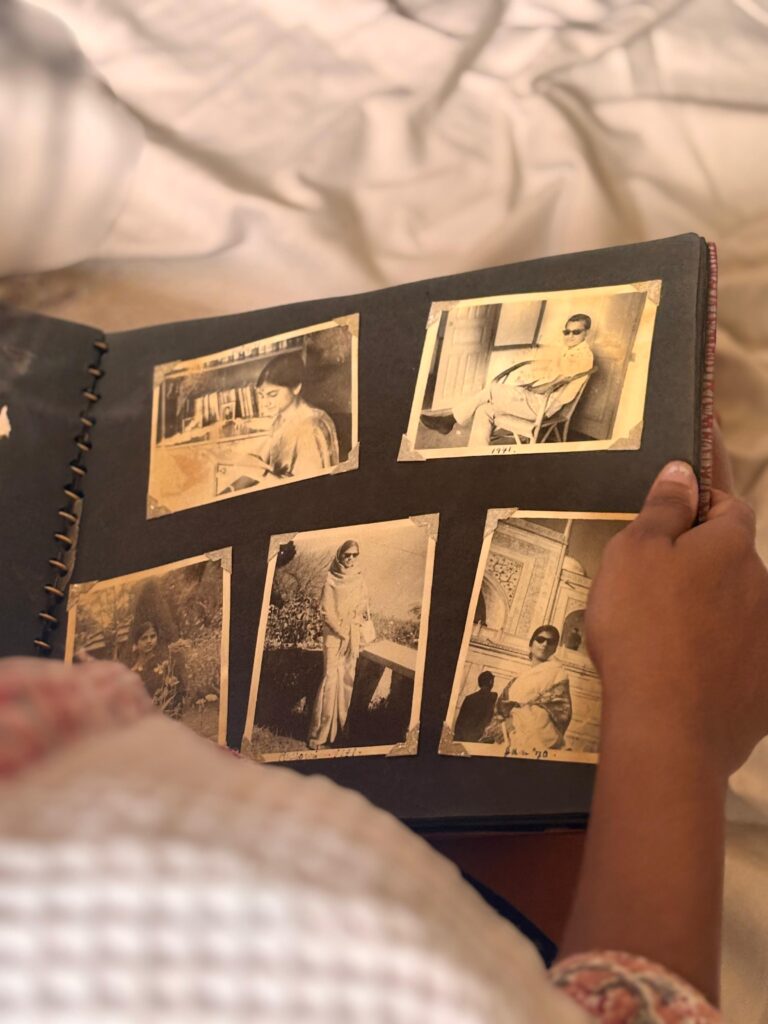
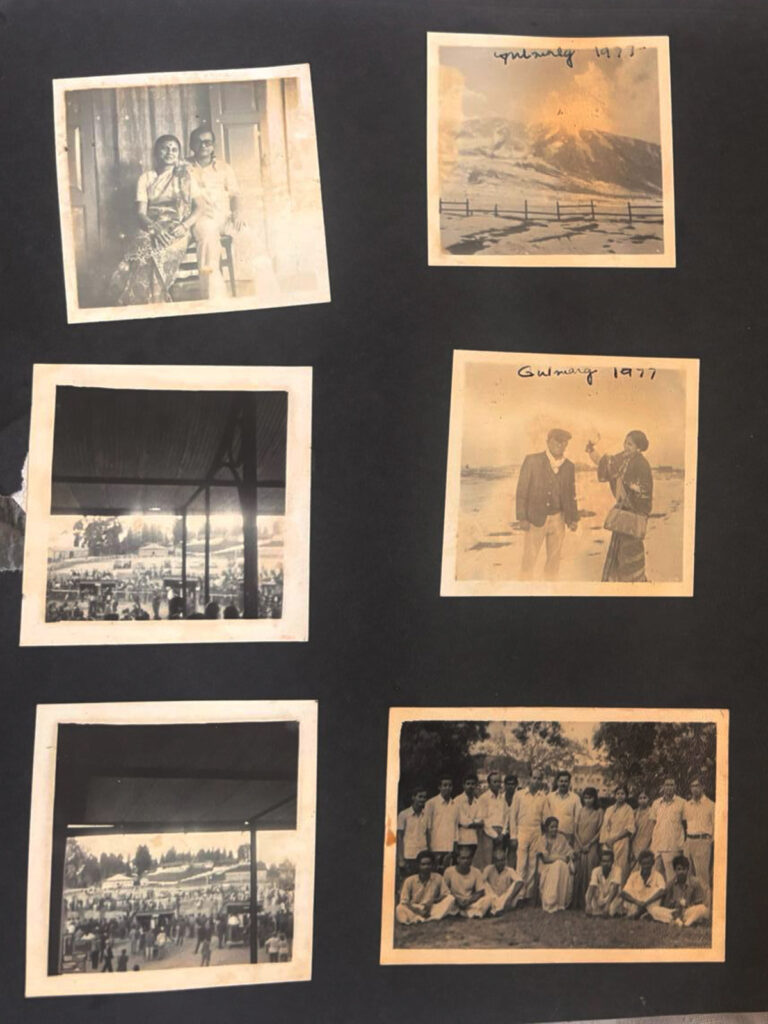
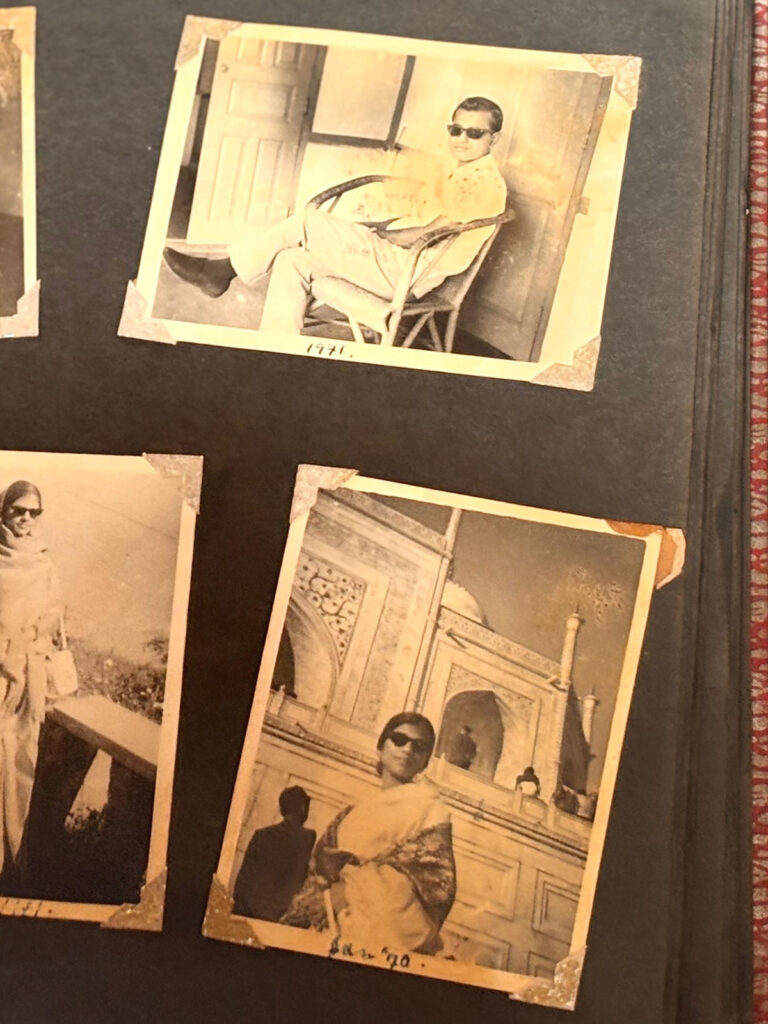
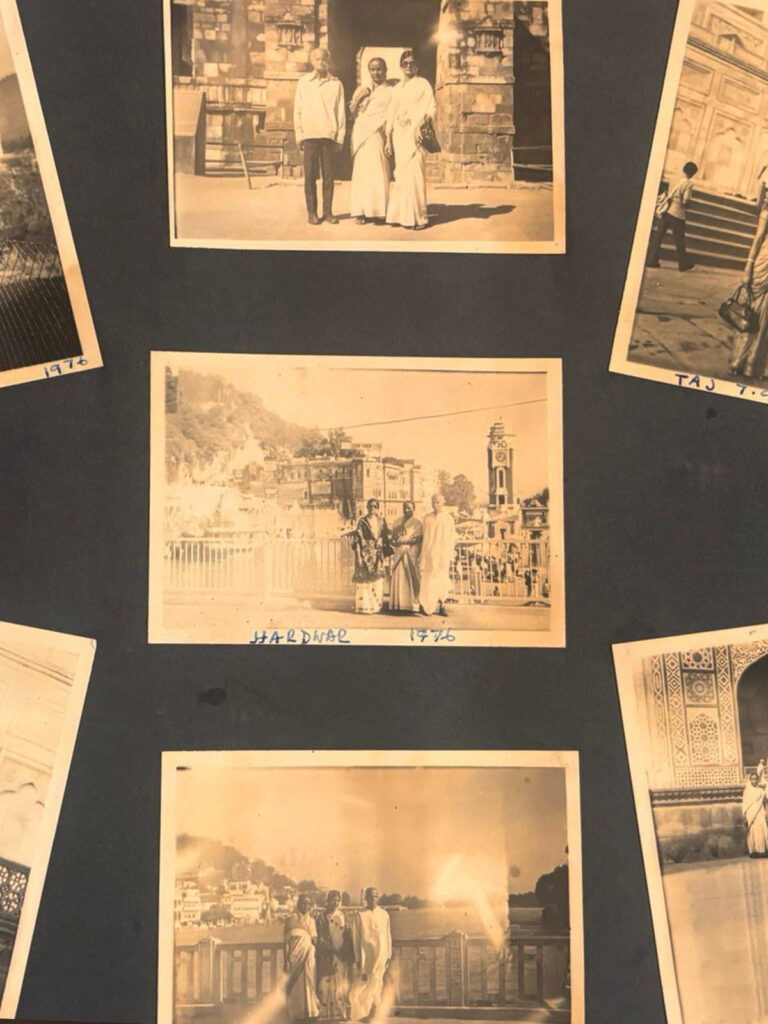
I think my father’s friend’s and my grandaunt’s attempts at making my parents meet before the wedding was a reflection of their progressive thinking. All these meetings, as fleeting as they may have been, led to the beginning of a 42 year old relationship foregrounded in friendship, kindness and laughter. It was the blossoming of love.
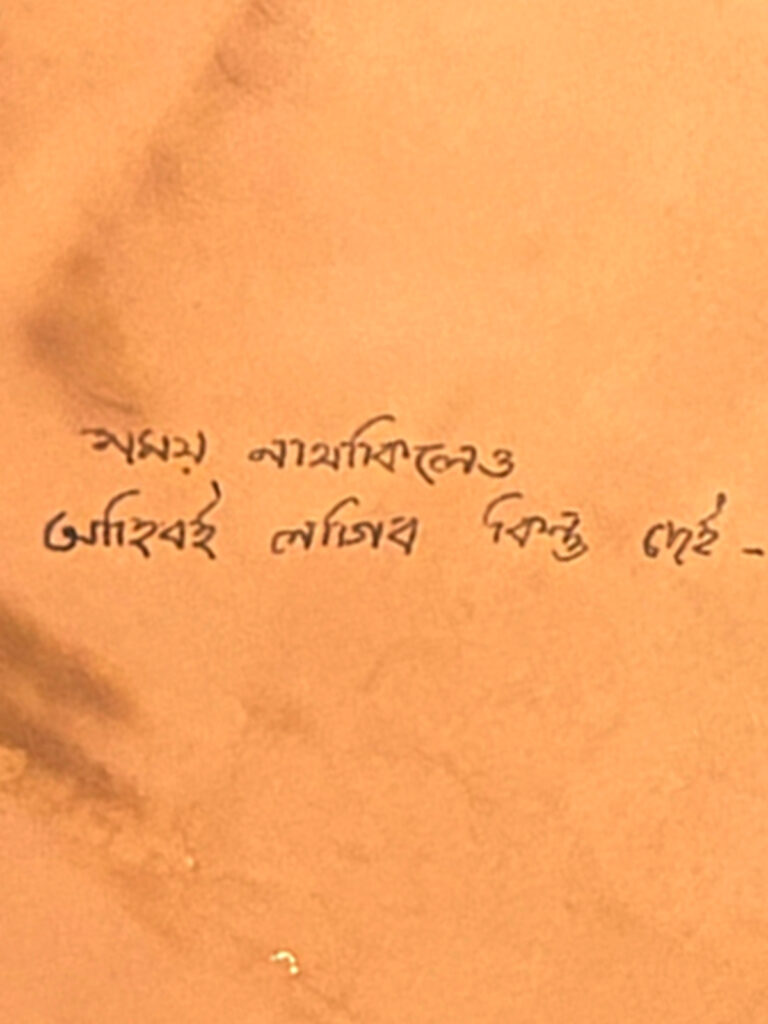
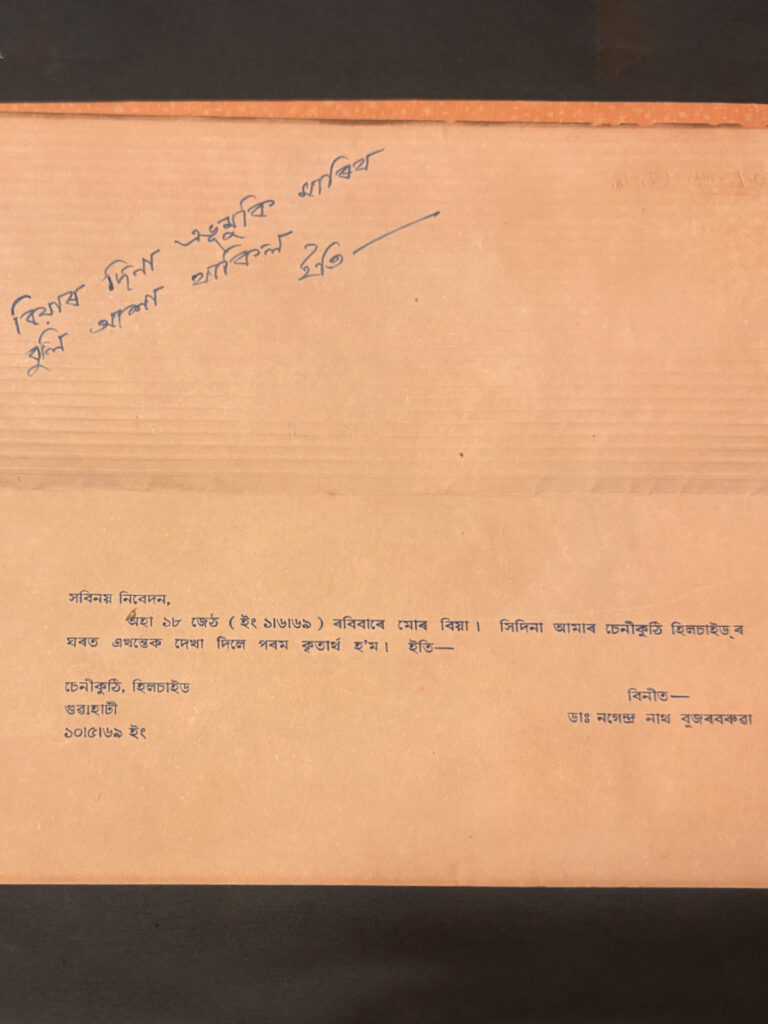
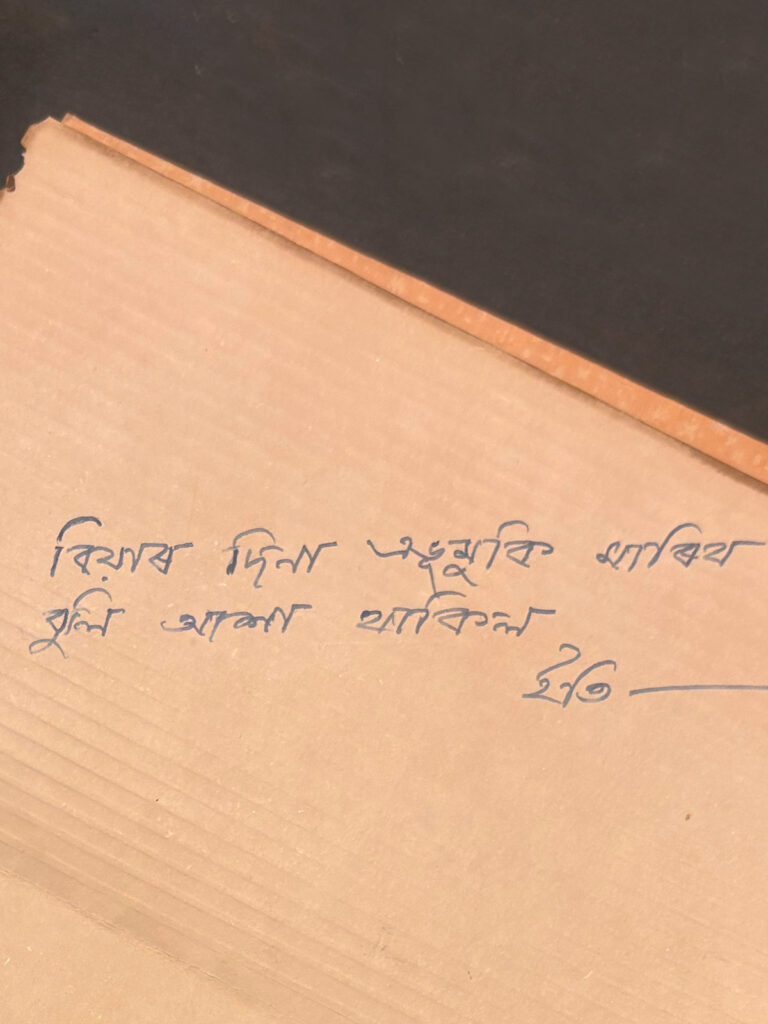
One of the most integral parts of the wedding day is the card, and it became important and special at my parents’ wedding too. Both sides created their own wedding card. My mother’s parents designed a simple card, 17.9 cm width and 17 cm height, on cream coloured paper with an invitation to the guests in a lovely cursive font. As someone born in the modern time, I am fascinated that these cards remains in their original state, pasted inside an album. But what is even more fascinating is a short message, handwritten on the card in black ink by my mum, and addressed to my father!
In Assamese, the line read, “সময় নাথাকিলেও আহিব লাগিব কিন্তু দেই”, and in English, it translated to, “Even if you don’t find the time, you must come.” It was the sweetest and the most flirtatious message I’d ever read!
But my dad was no less! On the card his family had chosen, he responded to my mum’s message with a one-liner that read, “বিয়াৰ দিনা এভূমুকি মাৰিব বুলি আশা থাকিল, in Assamese, and translated to English, it said, “I hope you can make a short visit to this wedding.”
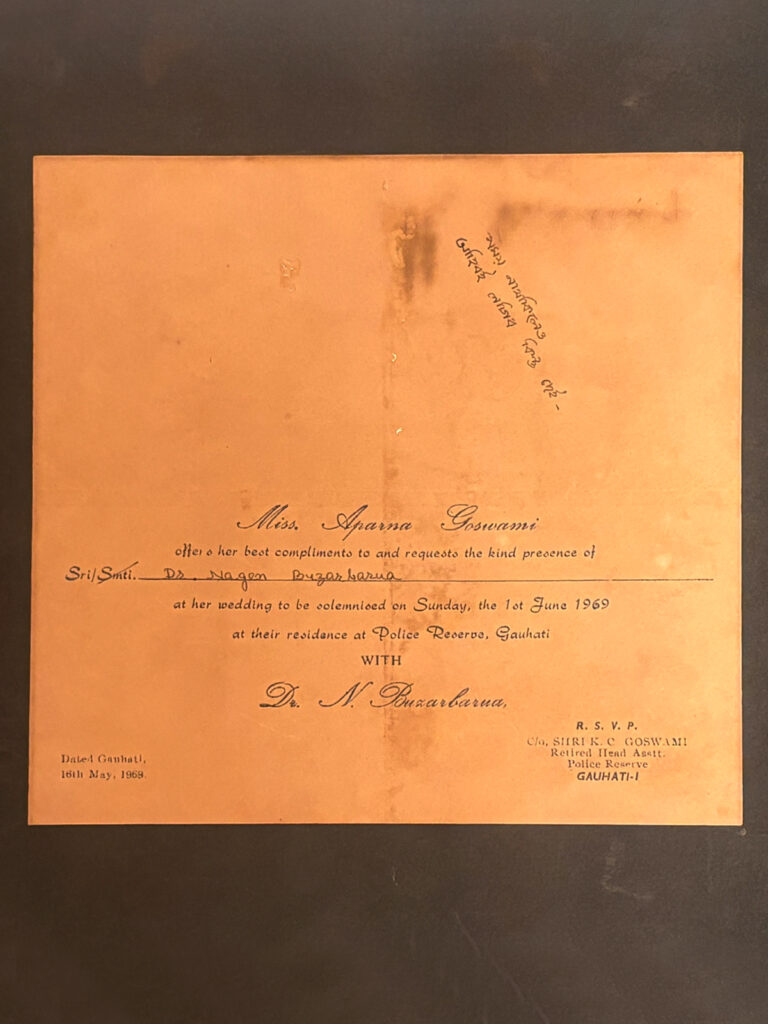
On Sunday, June 1, 1969, they were married in traditional Assamese style. It was a four day event, starting with Juroon, a ritual where the groom’s family – mostly the women folk – came to the bride’s home and gifted the things an Assamese bride would require after marriage. Cosmetics, mekhela sador, vermillion, jewellery, and sweets and local fish, which was symbolic to a woman’s fertility. Then there was a break of two days, where the rituals of bathing the bride-to-be with haldi and chandan under a banana tree would take place. And finally, on the fourth day, were the wedding and reception. My mother remembers it being a very hot day, where one of her aunts was fanning her with a hand fan throughout. It was only after my father’s passing, when we, as a family were reminiscing about him, that I learned all of these details.
*
Part 4: Today, as I write this, the wedding cards remains preserved in one of the many albums from years gone by. My father passed on in 2011 from a heart attack. He practiced medicine till his last day on earth, and the last thing he did was drink a cup of tea and listen to classical songs with his beloved – my mum.
These wedding cards are a portal for me to travel to a time which I can’t otherwise visualise. The handwritten messages by my parents in now-faded ink take me back to the simpler ways of love, fun and mischief. They remind me of a connected community. I can’t help but compare my time with theirs – that when I got married, it was just my mum and me, but their wedding was a family affair. The wedding card is also a remembrance of how they lived life together, through good and bad times. Emotionally, my heart aches because I will always repent that I never got to talk to my dad about their wedding. But I know that my whole life is influenced by their love and partnership.
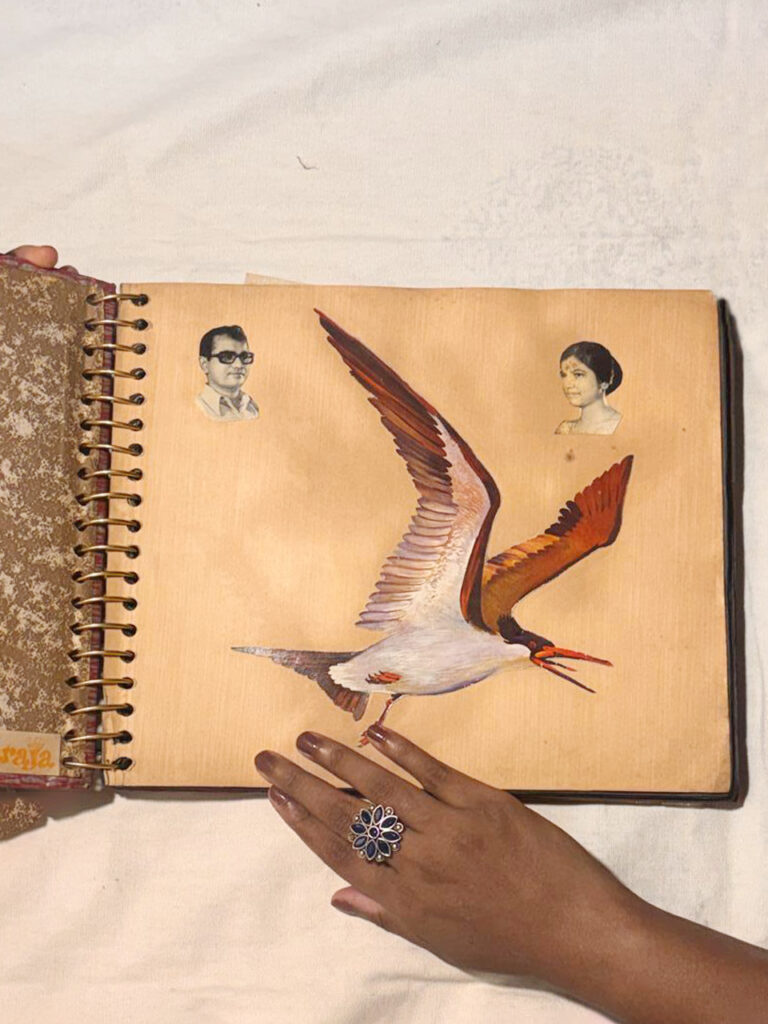
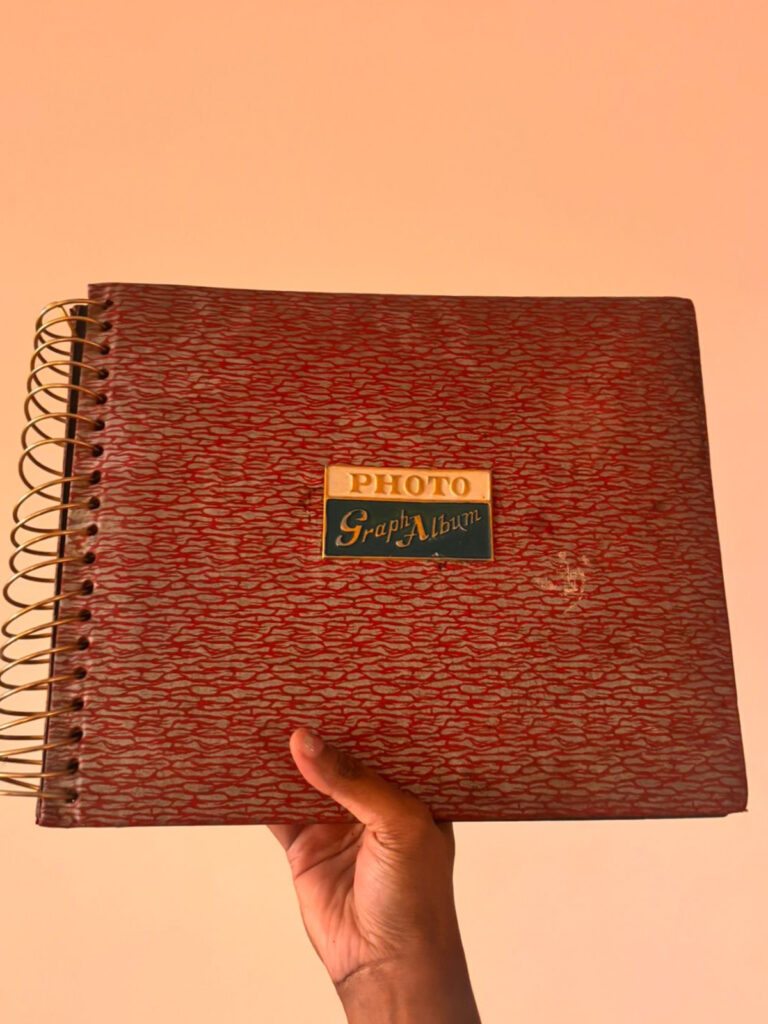
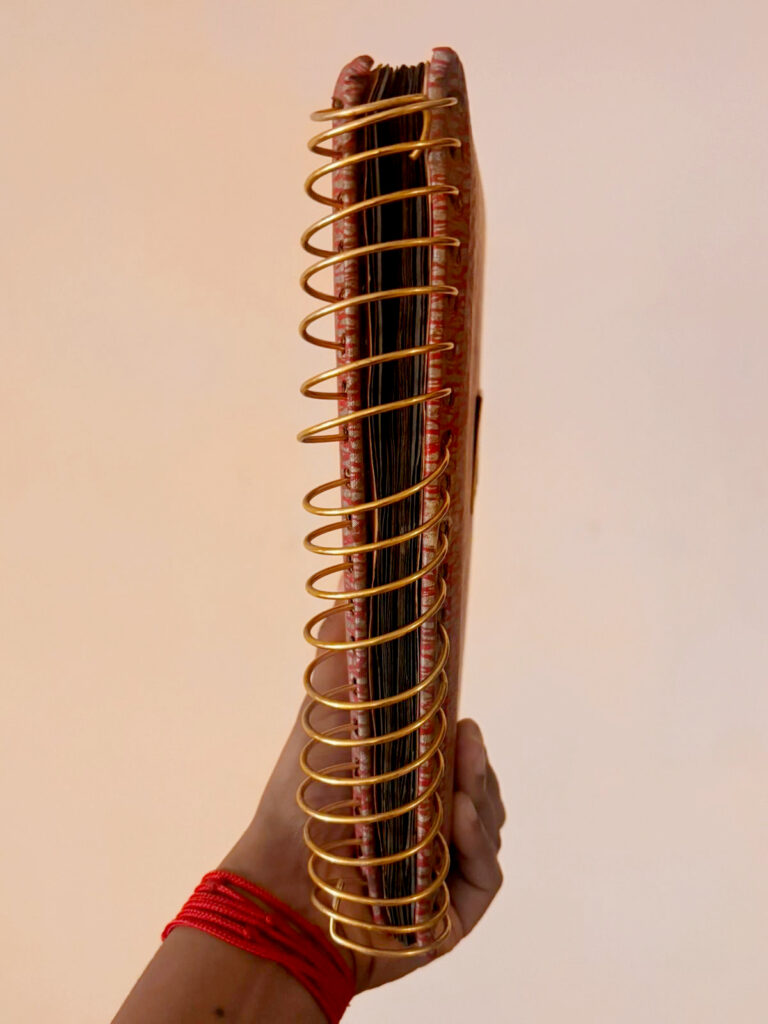
What remains of this story that started in 1969 is the value system that my parents embodied. And what I have tried to incorporate from their life into mine is the element of fun and whimsy that kept their relationship alive for 42 long years.
read this in the middle of a work day! energised me, brought tears to my eyes! thank you for telling their story to people – and just by proxy, making us part of your family and its cherised memories. I am driven to to do something similar with my parents albums too. 🙂 Thank you Antara!
Thank you Alina for your kind and warm words. It is heartening to see the love and warmth this story has received. My mum called me particularly to share how thrilled she is to see your comment 🙂 She wanted to respond to you directly but she was unsure of the tech bit of responding 🙂
I think you must, yesteryears teaches us so many invaluable lessons, and let me tell you – when you plan to work on your story – be rest assured that you would be in expert hands.
Beautifully written Antara. Your words honor a love that has grown stronger with time and show how the greatest love stories are often found within our own families.
Thank you Disha baa ..
You are so right …they are our inspiration and strength.
Wow it was so refreshing to read this. Very beautifully captured their innocent love story..
Thank you Nandita 🙂 Means a lot
Absolutely beautiful. The way you described the story of your parents really touched my heart ❤️
A lovely reminder of a slower, more deliberate era. There was a time when communication was so scarce that even a wedding card could become a keepsake, a conversation starter, or in some cases, the beginning of a love story. Today, messages travel across continents in seconds, but they often disappear just as quickly into endless chats and notifications.
Amit, I completely agree with you. Today’s communication and messaging has left us all very transactional.
A beautiful composition showcasing how the shortest of hand written notes have carried the longest of love stories. Very well and wholesomely put together Antara!
Thank you Rakesh…
And yes I agree…hand written notes that are so hard to find in today’s times and the stories it stores 🙂