Pammi Mandhwani’s dabbi

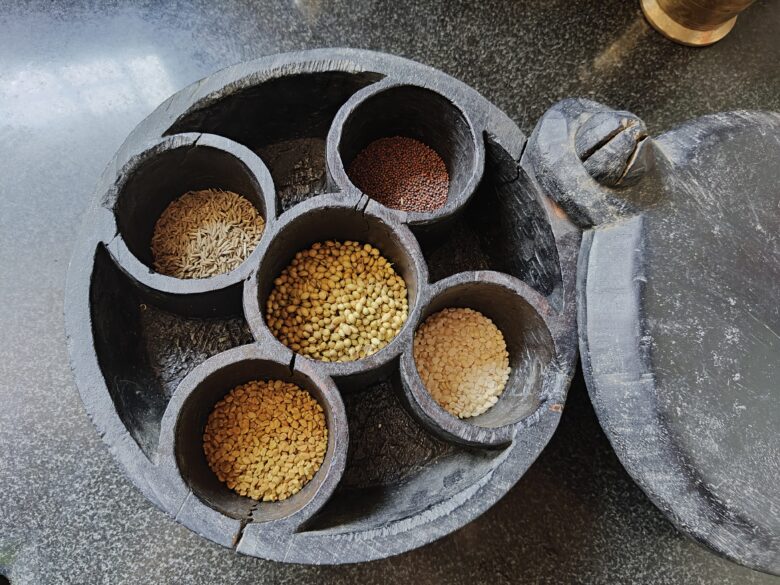
My paternal was about thirteen (we can only estimate) when her sister and she got married to two brothers and moved away from Sukkar for the very first time. This brass dabbi was one of the many objects she and her sister brought along to their marital house in Larkana.

The photo archive of Vishwa Nath Vij

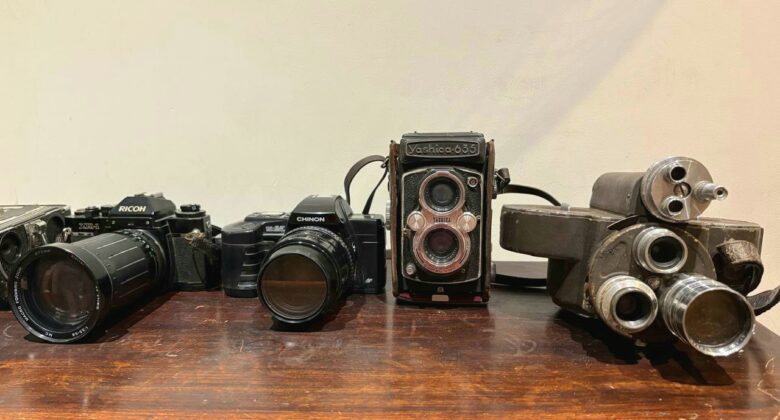
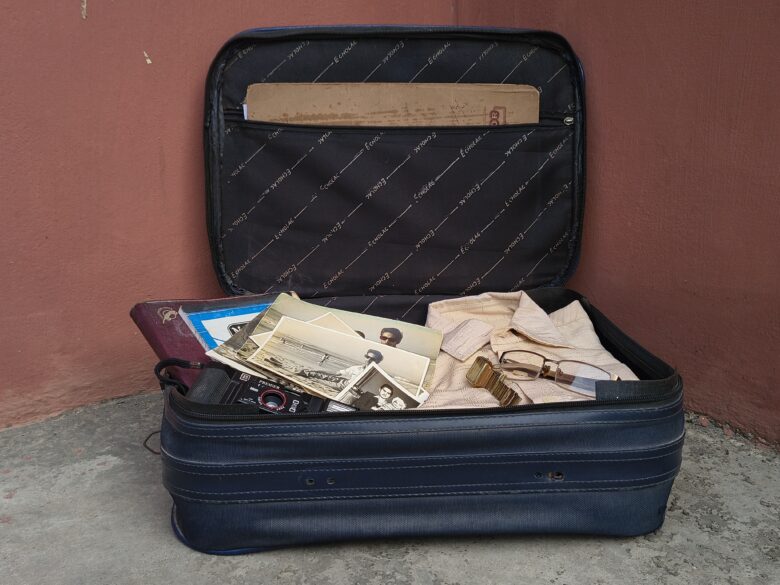
A few years ago, my aunt had given me a set of photos in a ziplock bag – small, black-and-white prints, some gently curling at the corners, the ink on their backs now faint with time. At first, I enjoyed them as a playful gaze into my grandfather’s life across the world, but I’ve since begun to consider them as a testimony about time, reading them as I would a biography. Then, in 2023, after my grandfather’s death, I came to inherit two of the many cameras through which he once saw the world.

The tunic that bridges time and distance

It is a different feeling to be holding this piece of fabric in my hand, almost like a portal allowing me to feel my grandfather’s presence. I had been carrying a piece of my land without knowing it, and seeing this object as a vessel – one that connects the immediate to the vast – has transformed my understanding of my ethnic identity.

Close
© Copyright 2024. All rights reserved.
Close

Subscribe to the Museum

Receive a new story from somewhere in the Indian subcontinent in your inbox every week!

Loading