
TEXT AND PHOTOGRAPHS BY SAMYUKTHA NAIR
Chennai, Tamil Nadu, India
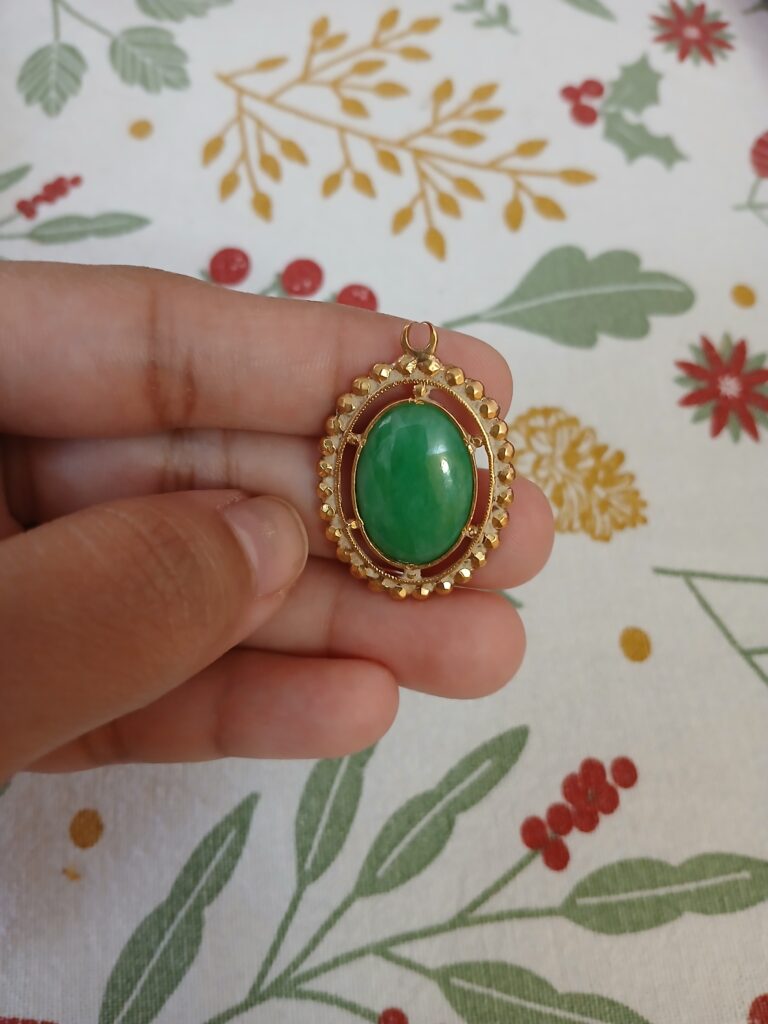
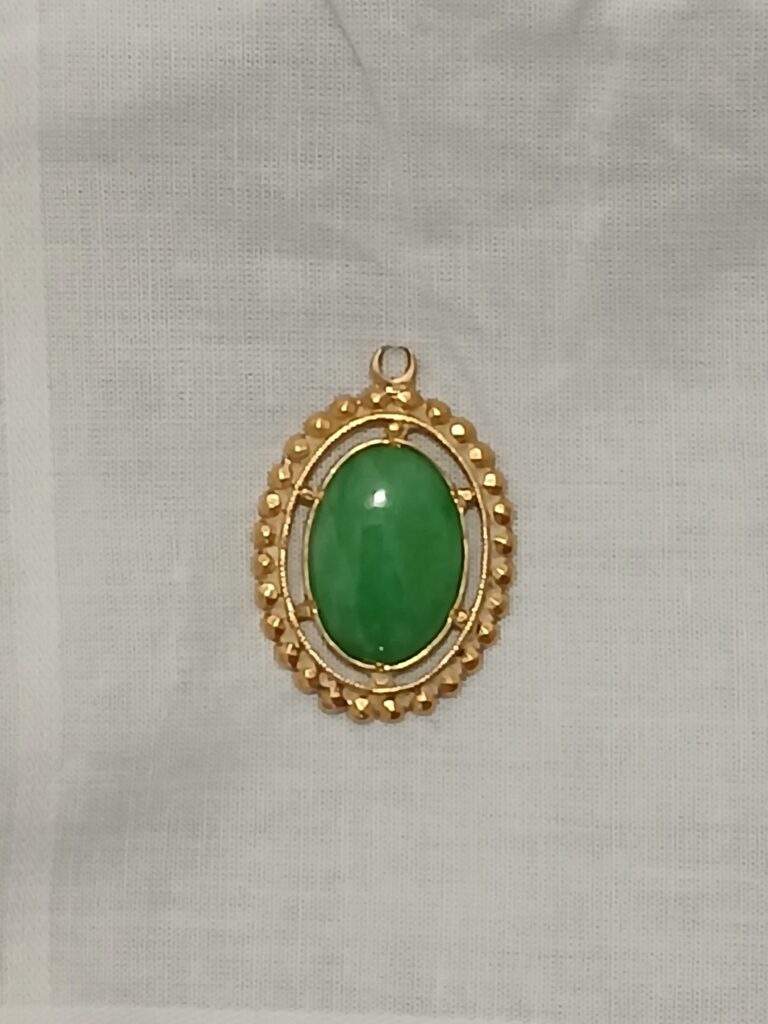
The first time I encountered the locket was as a small child. It has been part of our life at home for as long as I can remember. While my great-grandmother passed away not long before I was born, I recall my grandmother keeping it safe in her cupboard, secure among other family jewellery. Being the only daughter, she had inherited her mother’s locket, and intended to pass it on to my mother, who is her only daughter. My grandmother has preserved numerous photographs of her parents from their time in British Malaya and India, but one of the most prized possessions is this jade set in a gold locket that had been purchased from Malaya or Singapore by my great-grandfather.
Hailing from a small village called Thonoorkkara, tucked away in Kerala’s Thrissur District, my great-grandparents—Konnanath Padmanabha Menon and Ananghat Kausalya—lived through tumultuous times—World War II, Independence, and all the social and political turmoil India faced in the latter half of the 20th century. Staunch supporters of Nehru and the Indian National Congress, they went to Thrissur town to protest the arrival of the Simon Commission, shouting, “Simon, go back!” They even took my grandmother to Nehru’s rallies when she was a little girl, and once, Nehru, who was known to be fond of children, put a flower garland that had been given to him around my grandmother’s neck.
They were extremely progressive people, especially my great-grandfather and in the 1960s, when many people in India were (and still are, sixty years later) wary of love marriages and preferred their children to have arranged marriages with partners of the same caste and linguistic backgrounds, they married their son to a Sindhi girl whose family had migrated to Bangalore after Partition. When asked by the bride’s family as to what they would like to call her after marriage (since changing a woman’s name after marriage is a Sindhi tradition), my great-grandfather said the name her parents gave her was perfectly fine. Over the years, they witnessed and blessed various inter-cultural and interreligious unions in our family, making our clan a mini India! My great-grandfather’s unconventional attitude extended towards his own marriage—he was very fair, while my great-grandmother was quite dusky. Some members of his family were not happy with her dark skin, and suggested that she was ‘too dark’ for him. My great-grandfather, however, had no such hang-ups over skin colour, and retorted that he liked her complexion, and married her! Unfortunately, they both passed away before I was born, so I never had a chance to meet them.
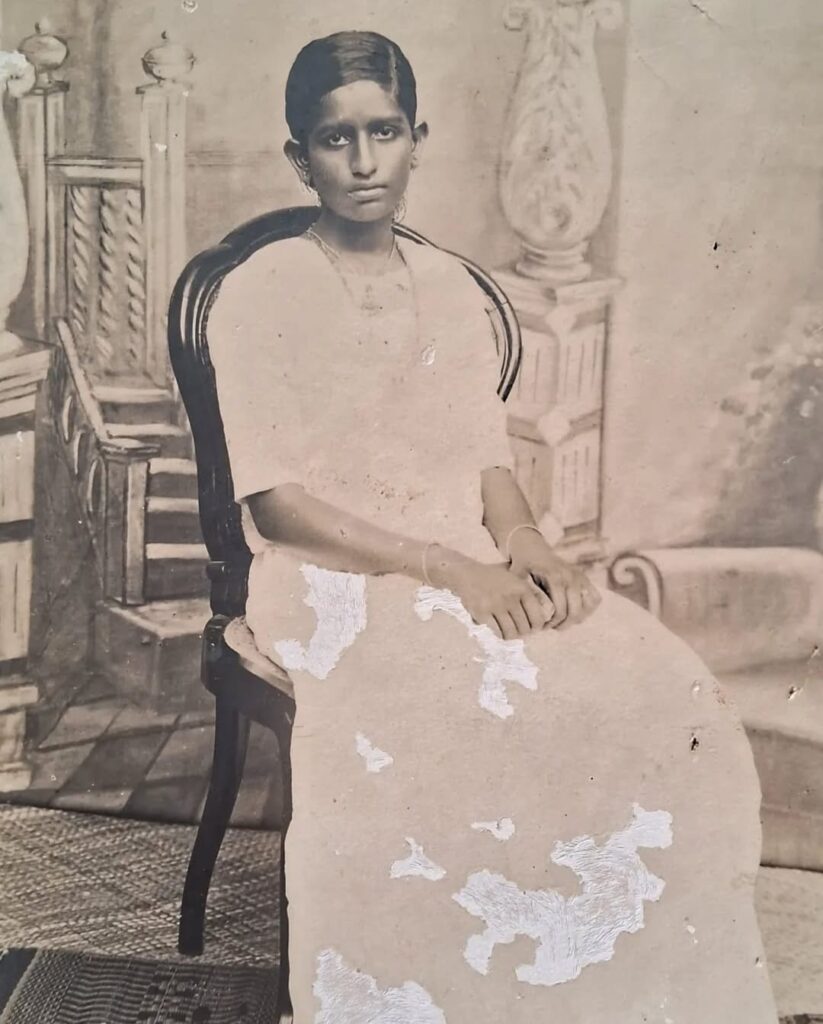
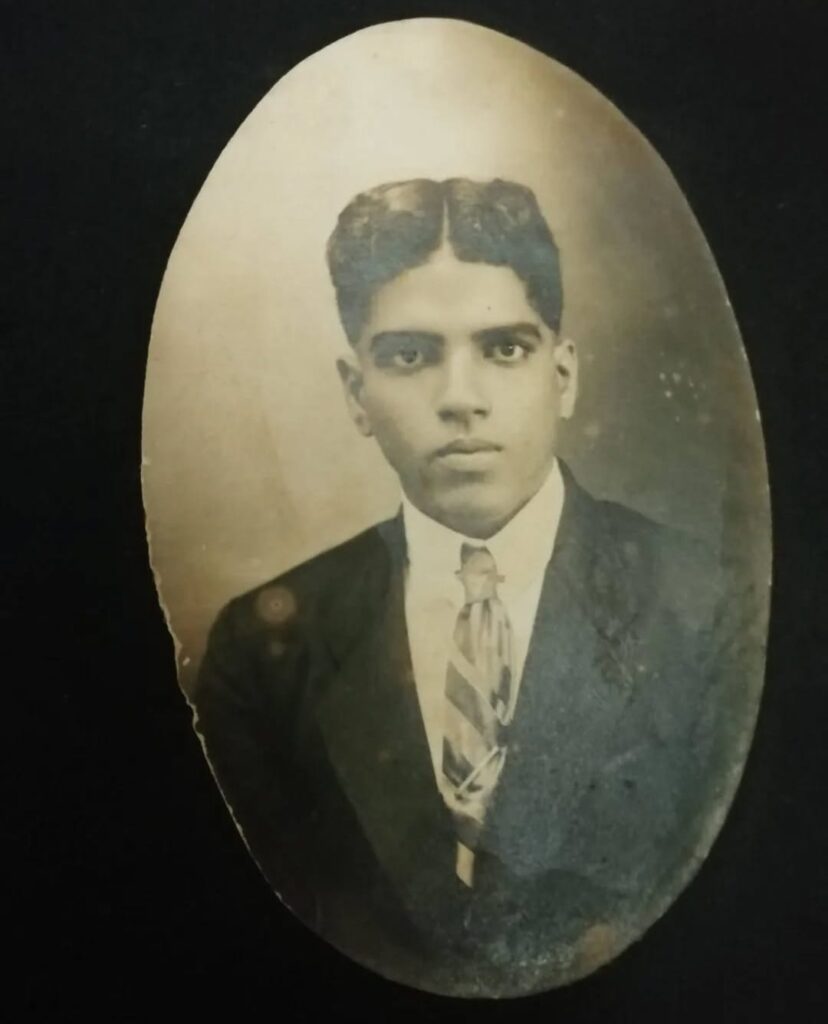
The most inspiring story I’ve heard about my great-grandparents is about how they survived World War II. Soon after their marriage, they moved to British Malaya (now Malaysia), and settled in Kuala Lumpur, becoming part of the Indian diaspora there. In 1931, they were blessed with a daughter, Lakshmi (my grandmother), and nine years later, a son, Muralidharan. World War II broke out in 1939, resulting in large-scale mobilisation of troops and the closing of international borders. My great-grandparents were forced to take a decision—stay on in British Malaya, or return home to India. Unfortunately, he was unable to give up his job at the firm he worked at, and so decided to send his wife, daughter, and infant son home to the safety of their village in Kerala while he stayed on and continued working. My great-grandmother made the long journey to India with her young children, and the channels of international communication closed.
The war seemed far away from rural Kerala—my great-grandmother returned to her parents’ house, where she raised her children among those of her sisters. Belonging to a matrilineal community, it was the norm for children to be raised in their maternal homes. While her children had an idyllic and privileged childhood in the lap of nature and received the best education Kerala could offer at the time, my great-grandmother existed in a sort of limbo, waiting for telegrams from British Malaya, never knowing if she was a widow or not.
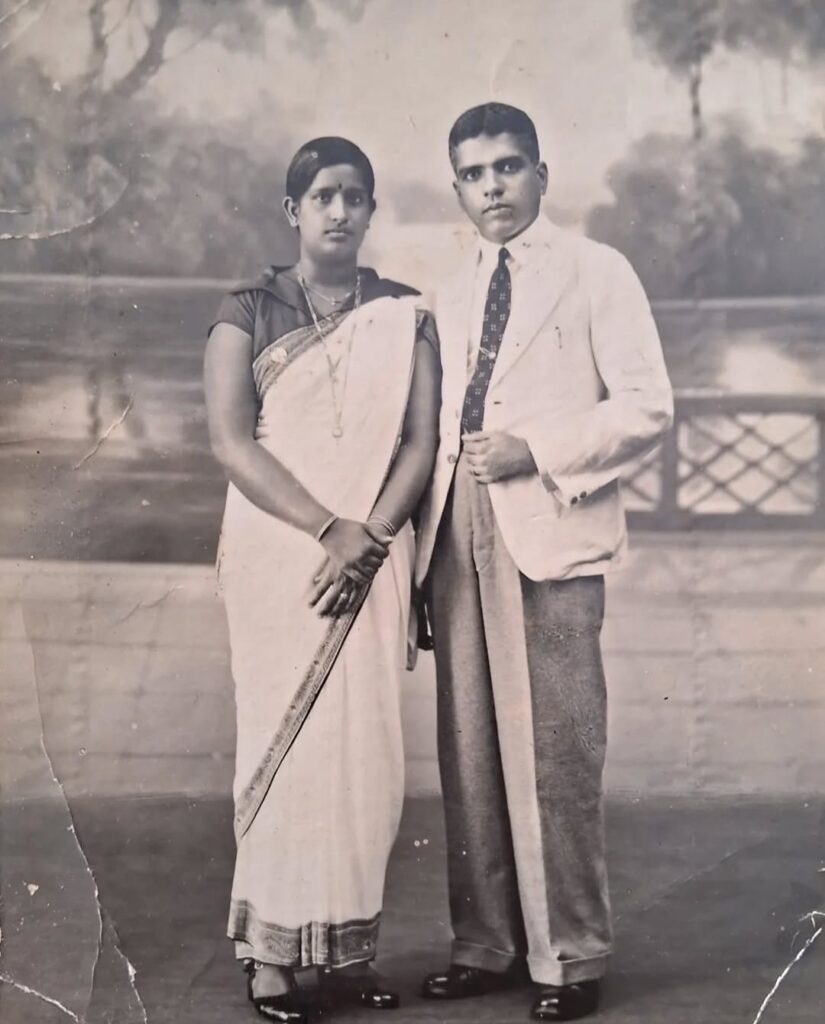
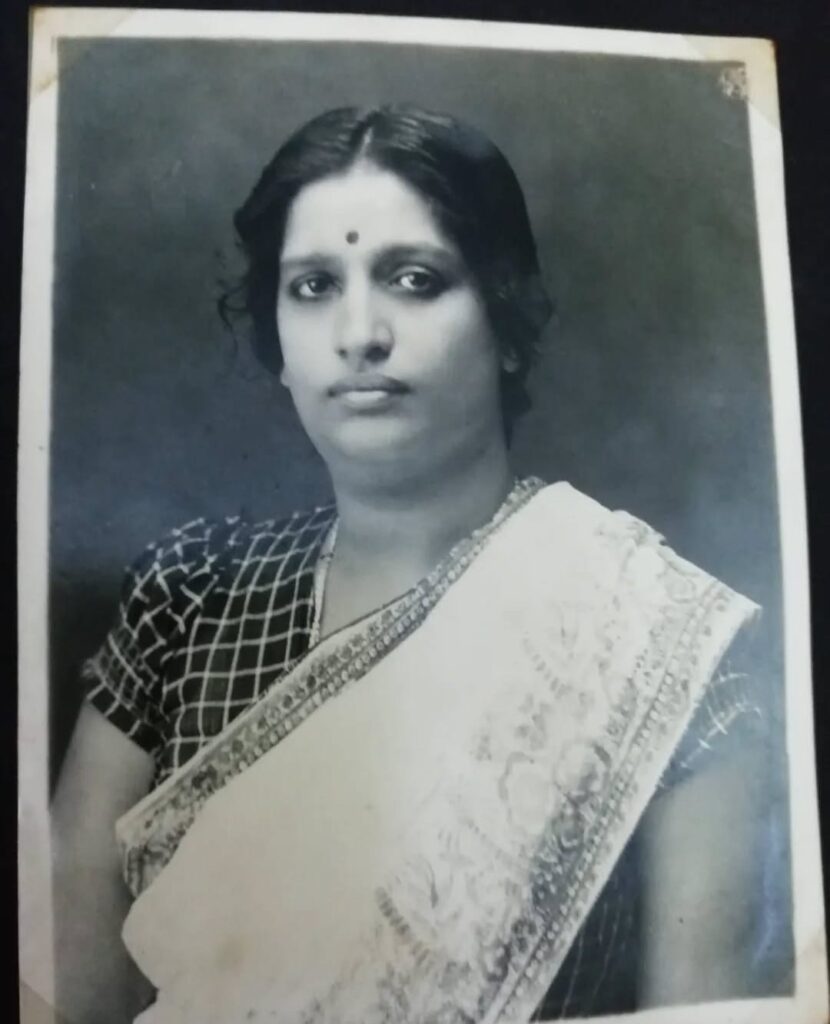
Years passed, and with the Allied victory and withdrawal of the Axis troops, the world heaved a collective sigh of relief. For my great-grandmother, the end of the war was doubly joyous—borders opened and international communication was possible again—she received a telegram from my great-grandfather telling her that he was alive and well, and would see her and the children soon.
When my great-grandfather saw his family again, they were quite different from what he remembered—his daughter—my grandmother—was in her early teens, and his son was no longer the infant he had sent to India, to safety. My grandmother’s brother, Muralidharan, still recalls that his earliest memories of his father are all from the post-war period—due to the war, his father had completely missed his baby and toddler years.
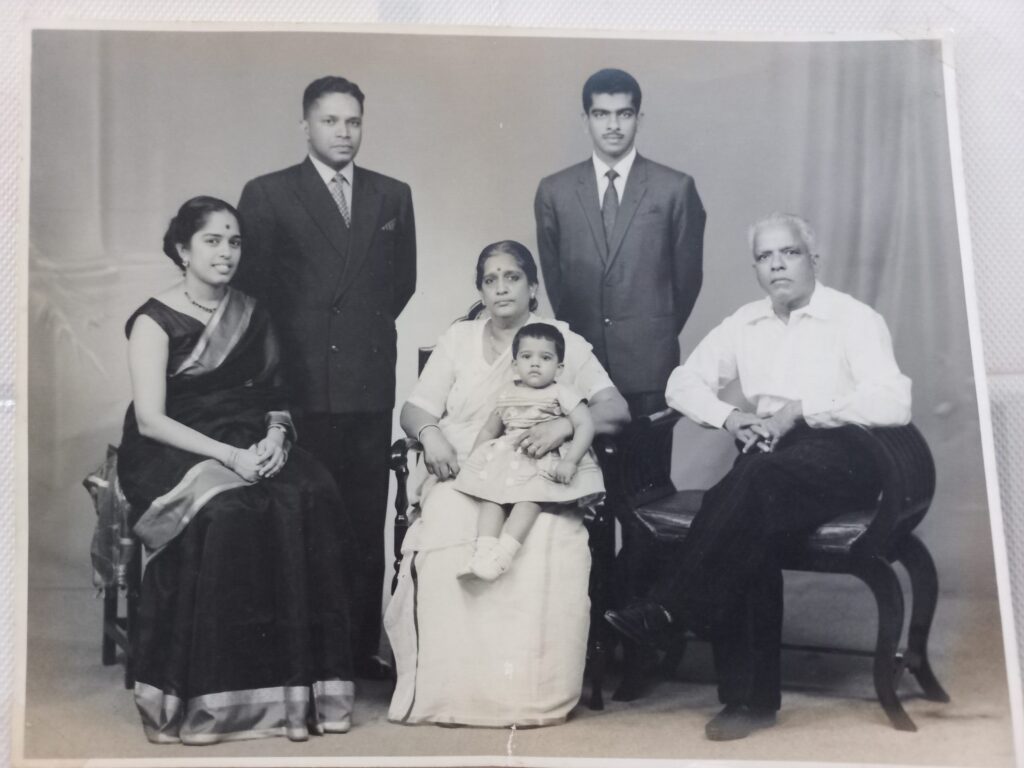
The Nair community to which I belong did not formalise the institution of marriage till early in the 1920s. Previously, there used to be a ritual called the ‘sambandham’ or ‘union’, where a man would present a woman with two mundus (traditional white sarongs), and if she accepted, it was a sign that she was amenable to the union. They would cohabit and have children, but if the woman or her family wanted to end the union for some reason, or if the man was killed in war (as was common in those times as Nair soldiers formed a major part of the armies of local rulers, and went on to become a major part of the Madras Regiment), she was free to enter into another sambandham without facing the social stigma of divorce or widowhood. By the time my great-grandparents got married, formally registered marriages were more common, although Nair wedding ceremonies were still rudimentary, and still revolved around the simple symbolic gifting of two mundus.
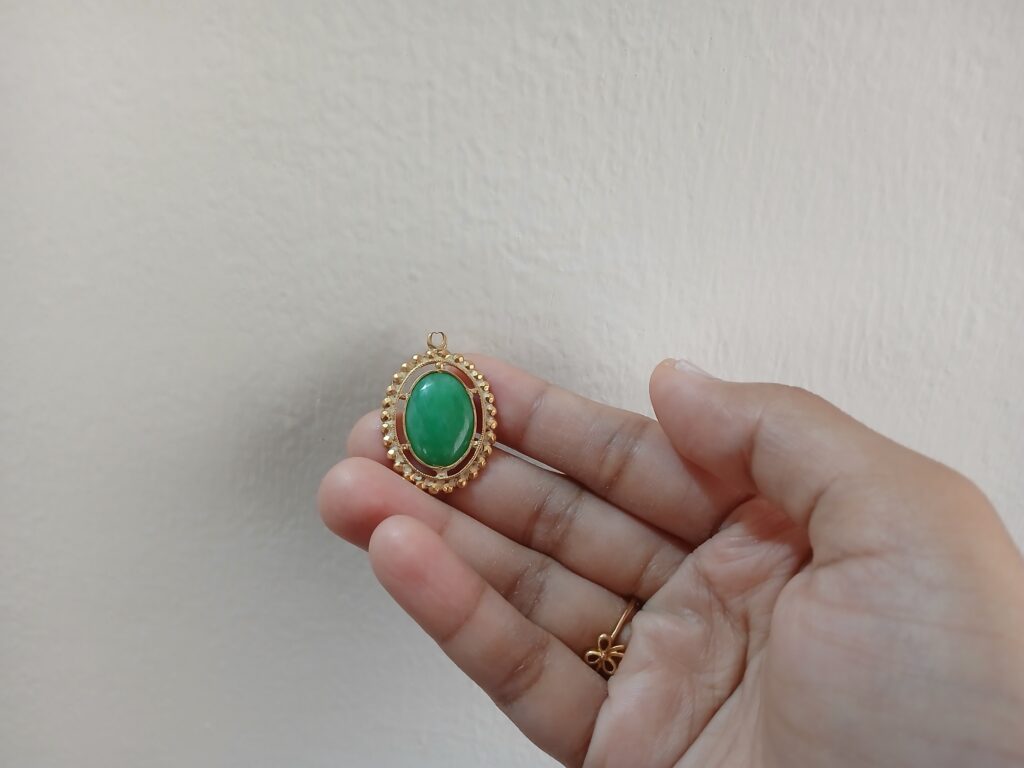
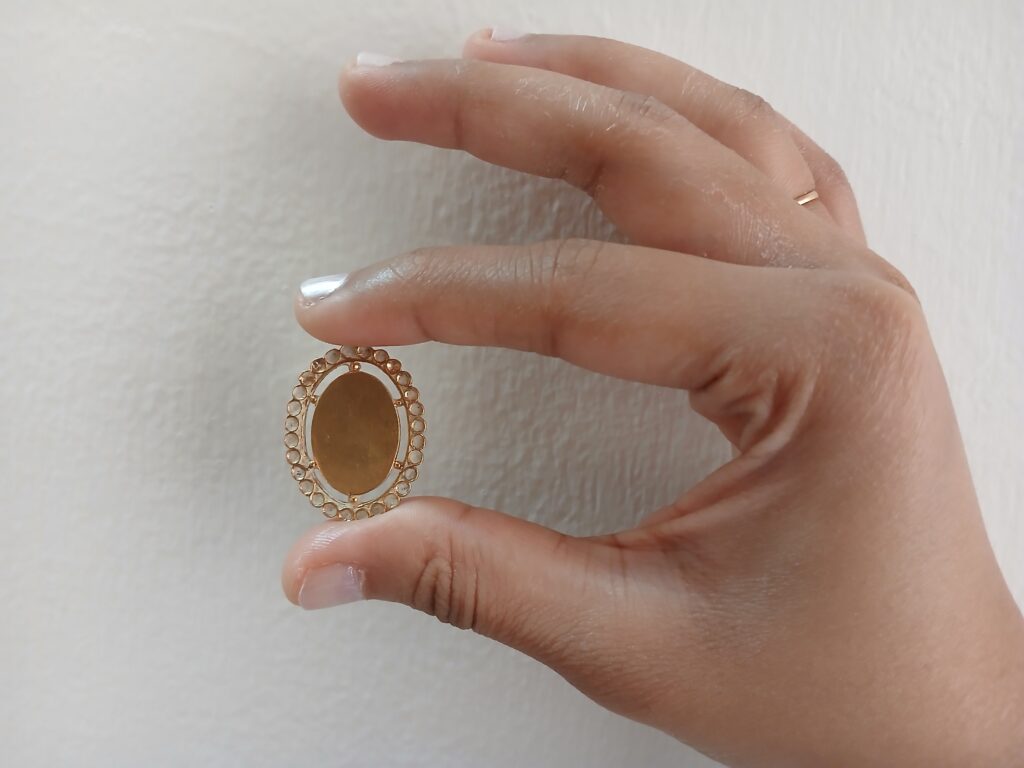
The concept of a mangalsutra or thaali for married women is still fairly new in my community, and our wedding rituals are very simple. While the wedding ceremony had evolved to include a thalikettu (tying of the mangalsutra) by the time my grandparents got married in 1959, my great-grandmother did not have a piece of symbolic jewellery, and so wore the jade pendant on a gold chain gifted to her by her husband all her life, until her death in the mid-90s.
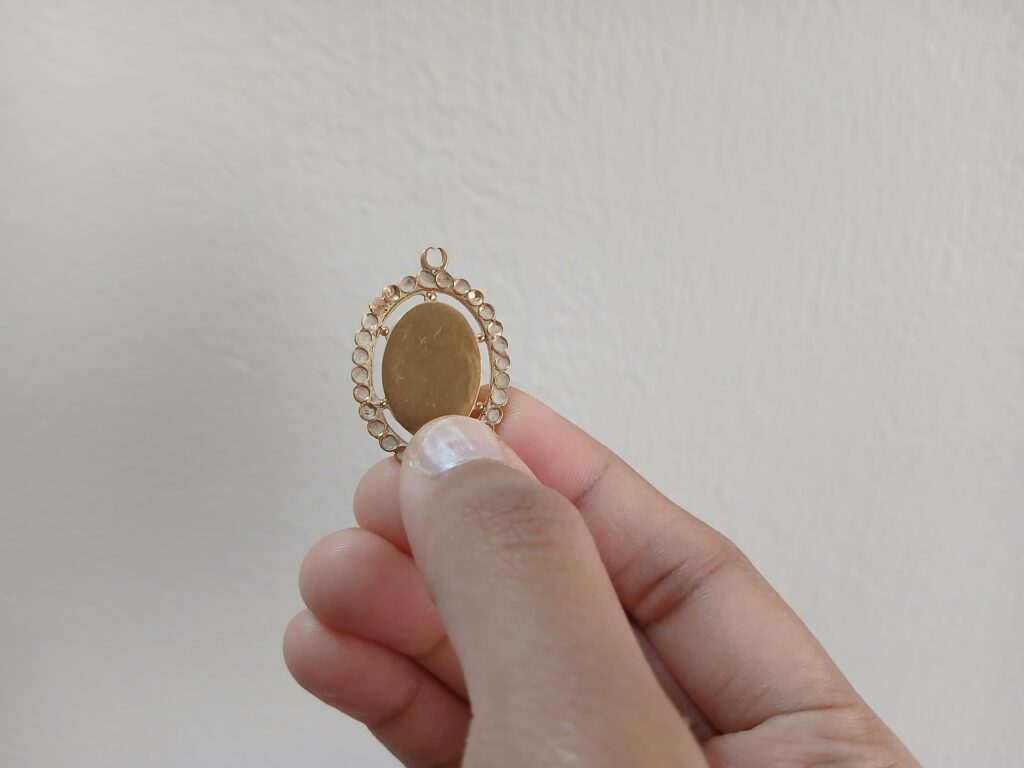
A little bigger and wider than an almond, the locket is an even, glossy green that retains its finish, even though the gold frame it is set in has become slightly discoloured and weak, and requires polishing. Cool to the touch, it gives me a feeling of wonder and serenity, knowing that this is an emblem of generations of women in my maternal family.
My great-grandfather continued working in British Malaya after the war, while his children went on to be educated in Kerala and Madras. When he retired, he built a bungalow in Thonoorkkara and named it ‘Rohini’, after the birth star of Lord Krishna. He moved back to India permanently, and spent the rest of his life with his wife and children—the whole family eventually shifted to Madras, and the bungalow and its attached grounds were sold in the 1980s—as of 2017, it still stood in an overgrown garden, locked up, but retaining much of the original structure.
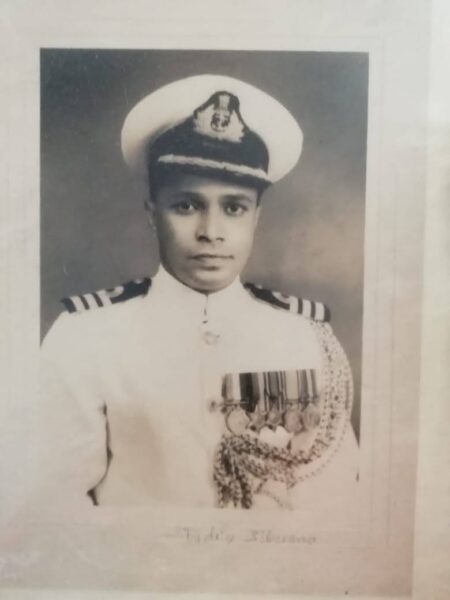
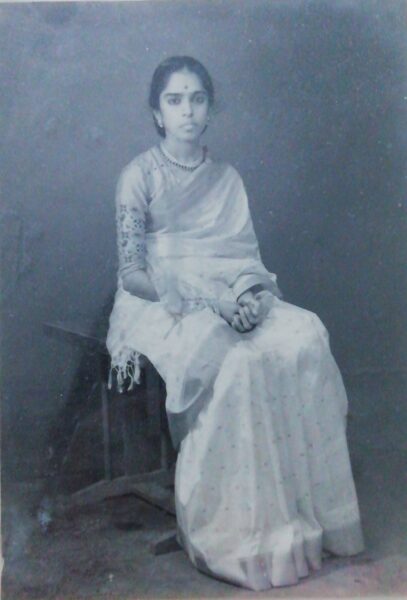
The locket was then passed on to my grandmother, who wore it for many years. When she passed away in January 2025 at the age of 93, it was passed into my mother’s hands. My mother treasures it as a precious family heirloom and a physical reminder of her grandparents’ resilience, love, and above all, belief in each other. It is currently carefully stored in a jewellery bag at home, too full of memories of beloved ancestors to be relegated to a cold, impersonal bank locker, and is taken out from time to time to be held and reminisced over.
One day, this piece of family history will become mine. I do not know how else to describe it as an incredibly precious piece of history tied to strong, kind, and wonderful women in my family, without whose experiences, love, and care I would not be who I am today. I am not in a hurry to inherit it – I hope my mother remains its happy owner for many long years. I am content to take it out of the cupboard once in a while to hold and look at, and to think of my grandmother, and her mother.