
TEXT AND PHOTOGRAPHS BY SAMYUKTA PARCHURE
Nashik, Maharashtra
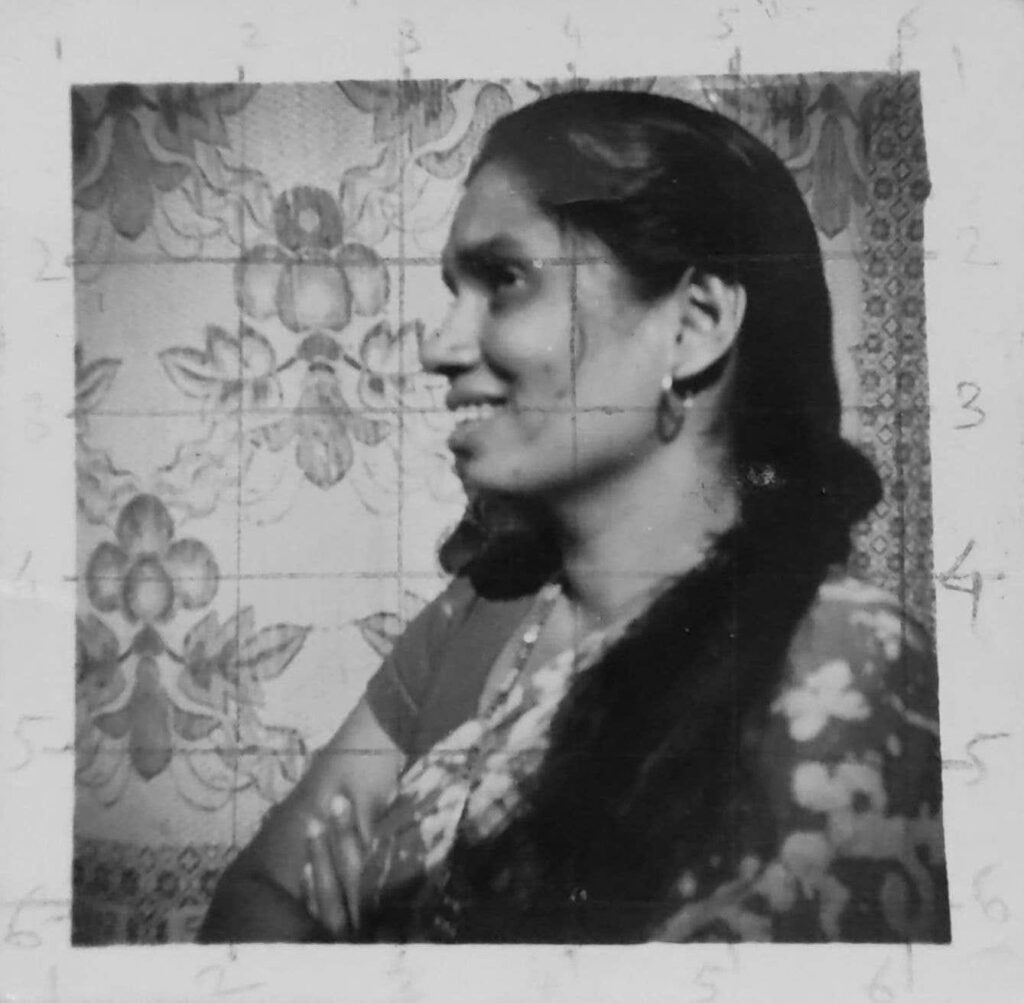
“Is this Usha Ajji?” I asked my mother.
“Yes. Wasn’t she beautiful?”
“Her smile is so pretty and natural”, I said.
It was a polaroid-shaped, black-and-white photo that I was holding in my hand, and the beautiful, long-haired woman in it was my grandmother. It was a hot Sunday afternoon many years ago. A typical pastime for my sister, my mother and me during those screen-free, scorching summers was getting lost in a room filled with old photographs. My mother would tell us stories about people we would know only through them.
These photos ranged from the black-and-white era to the recent past. More often than not, they belonged to people who were long gone and my mother would walk us through their stories and memories. Her recollections weren’t always happy; sometimes they carried a subtle edge of melancholy. Yet listening to her always gave me a sense of belonging to these long-lost people who had once been a part of my family.
Even today, I genuinely enjoy looking through old photographs and listening to my mother tell the same stories over and over. My mother, too, never hesitates to retell them. She relishes wandering in those memories. It is like revisiting that particular incident, event, or person time and again, each visit revealing finer nuances of their lives. Being the youngest in my family, I was introduced to many people through our collection of black-and-white photographs. The lady in that photo, for instance.
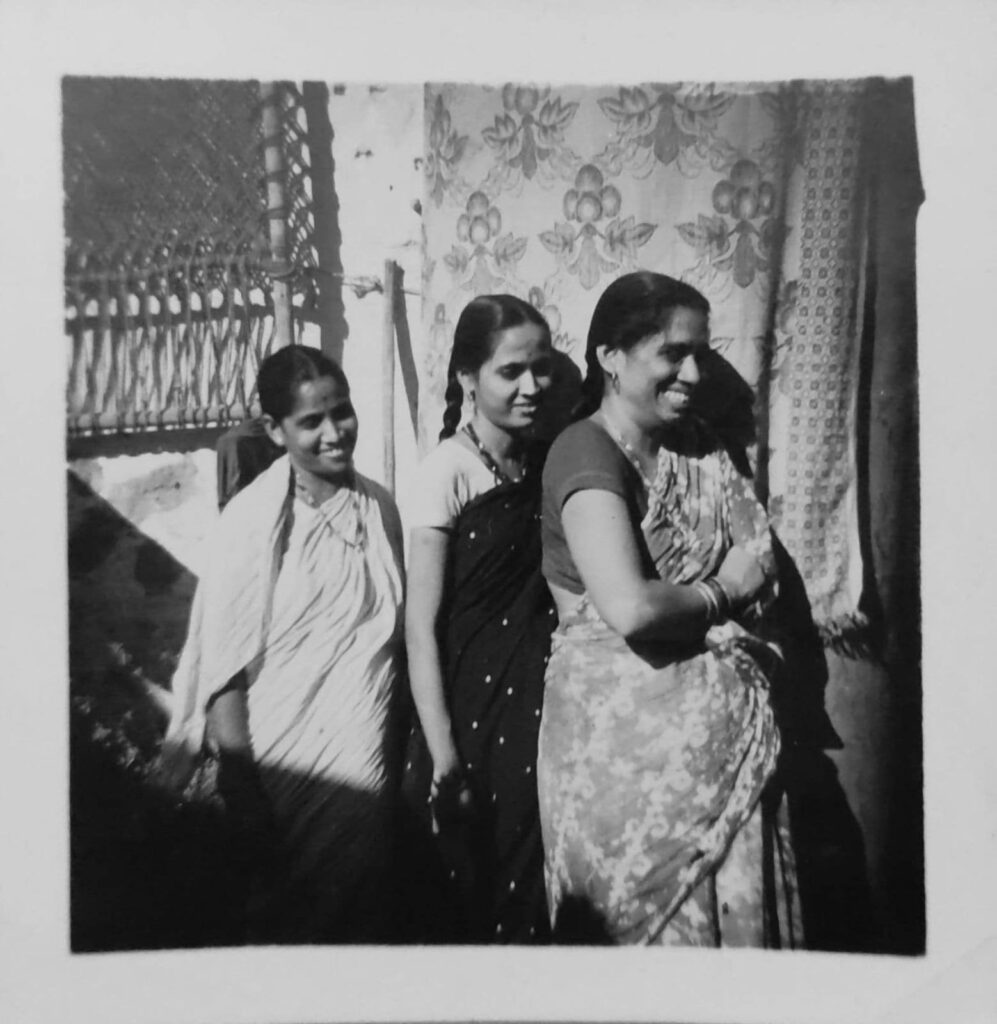
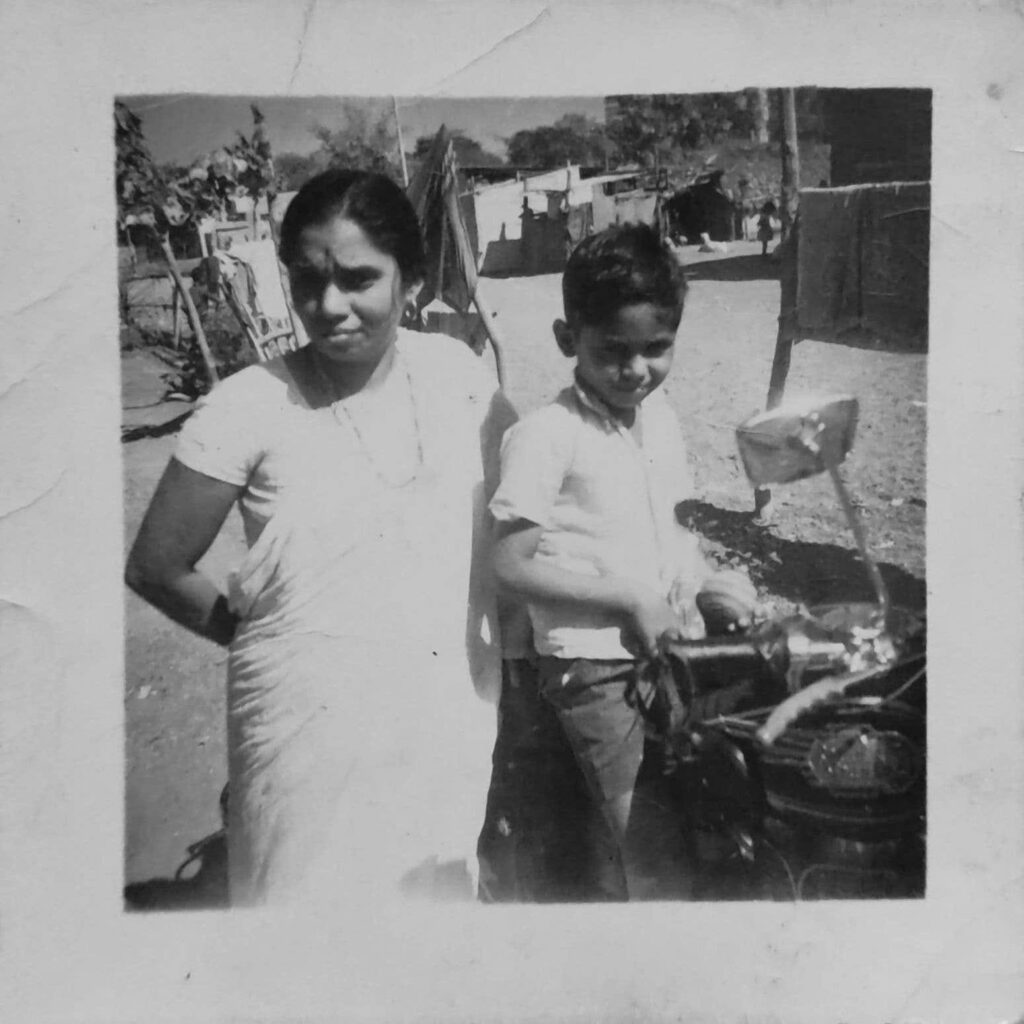
Let me introduce you to my Dadi, Usha Parchure, my father’s mother, whom I never had a chance to meet. She passed away a few years before I was born and I know her only through the stories my parents tell me occasionally. Yet, for reasons I cannot explain, I have always felt a deep connection to her.
Born into a modest family, she was the eldest daughter, with two older brothers. She was born in the year 1936 and lived through India’s independence, a thought that still gives me goosebumps. Her father was originally from Sakharpa, a small town near Ratnagiri, and her mother was from Shahapur, near Thane. Her father often changed jobs, and thus the family was constantly on the move, relocating from one town to another. Eventually, he settled in Kalyan, and it was here that she spent most of her childhood and grew up.
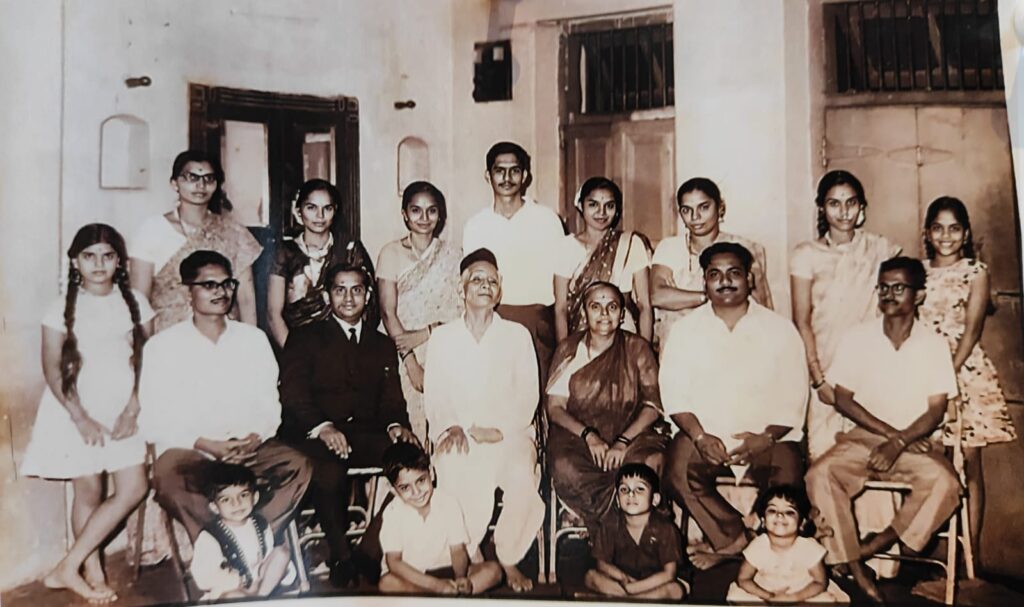
right is my grandma, and seated in front of her is my grandpa. The two young boys
seated at the bottom centre are my father (left) and my uncle (right)
Educating girls was quite uncommon then. Yet she completed her schooling up to Matric, which was equivalent to the 10th standard at that time. To continue with higher education after that was demanding for her. Her family’s financial situation was far from stable and she had to contribute to the household income. Presumably, she began working as a Montessori teacher soon after completing her Matric and continued working for the next few years.
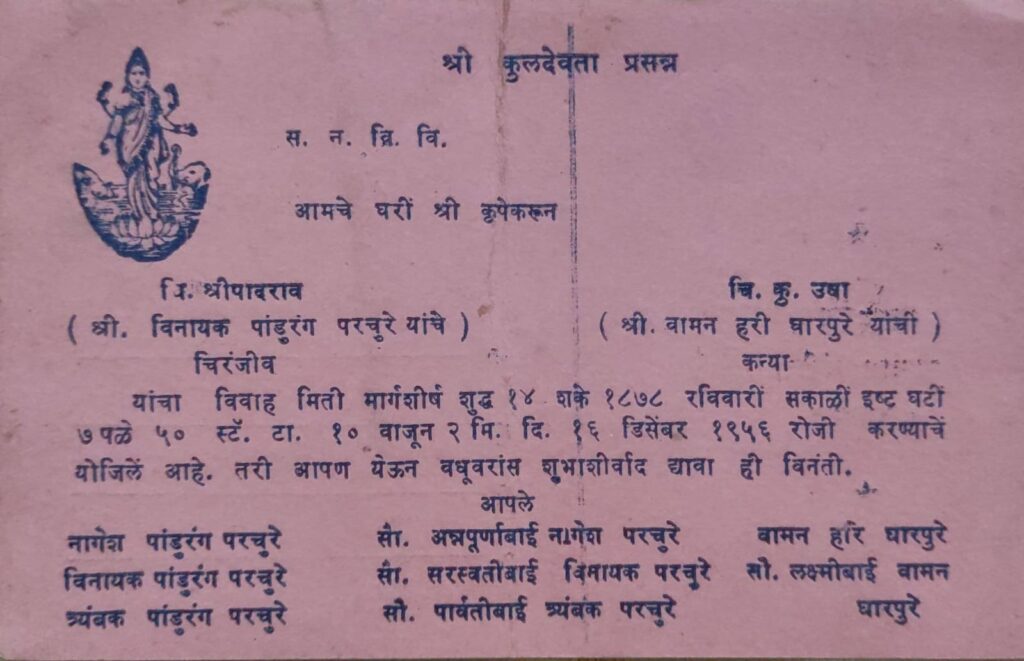
At around 20 years of age, she got married. In those days, marrying off young daughters was seen as a way to reduce the number of mouths to feed. For the first few years, she balanced her responsibilities at home and school and enjoyed her financial independence. As her family grew, she chose to leave her job to devote herself to the needs of her growing family. She travelled extensively across Maharashtra, accompanying my grandfather, who served as an officer in the Maharashtra Police. These journeys often took to the most remote villages across the state.
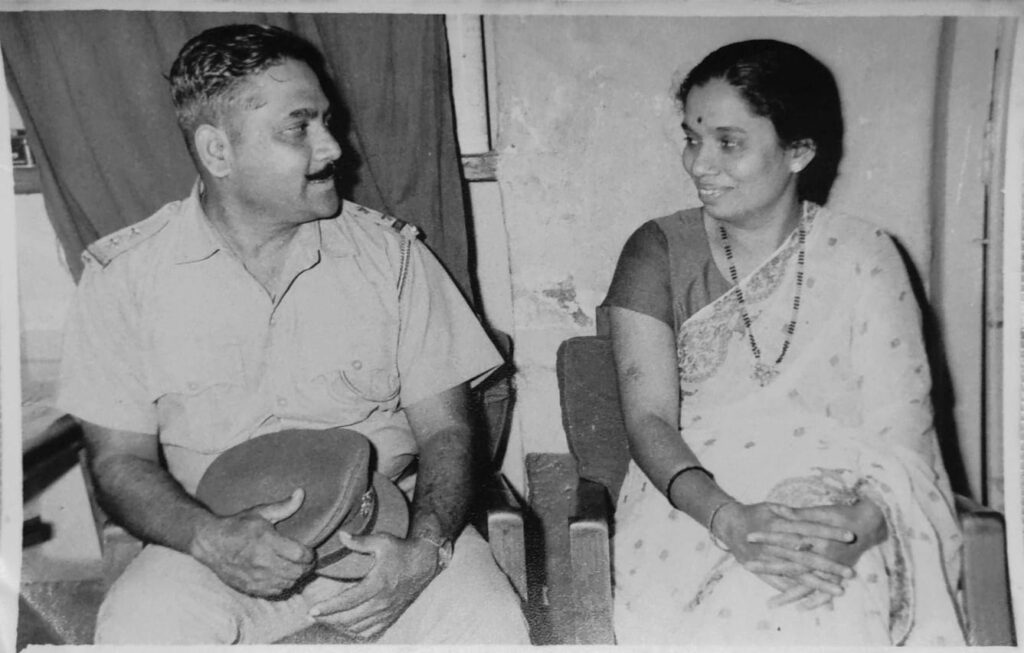
hat, while my grandma is wearing a simple white saree. I love her smile in this photo.
My father recalls that she was a voracious reader. I feel that she developed this habit in her younger years wherein reading would have been a refuge from all her anxieties. I don’t think she ever read any English literature that was popular at the time, but she had read most of the Marathi classics, travelogues, novels and non-fiction works. My father often recalls the fulfilling conversations about books that he shared with my grandmother. She introduced my father, uncle and aunt to the world of books. Before they were old enough to read on their own, she would read stories aloud to them. She never censored their reading choices and believed that children develop their own sense of what they should and should not read. The seeds she planted have reached my generation as well. My father taught my sister and me not only how to read but also why reading matters. When holding books was still too heavy for my small hands, I would sit on his lap, and he would read aloud to me. He carried me on the magic carpet through the world of stories. Like his mother, he, too, never sought to censor what I read. My parents gave us the freedom to discover for ourselves what we enjoyed reading and what we did not.
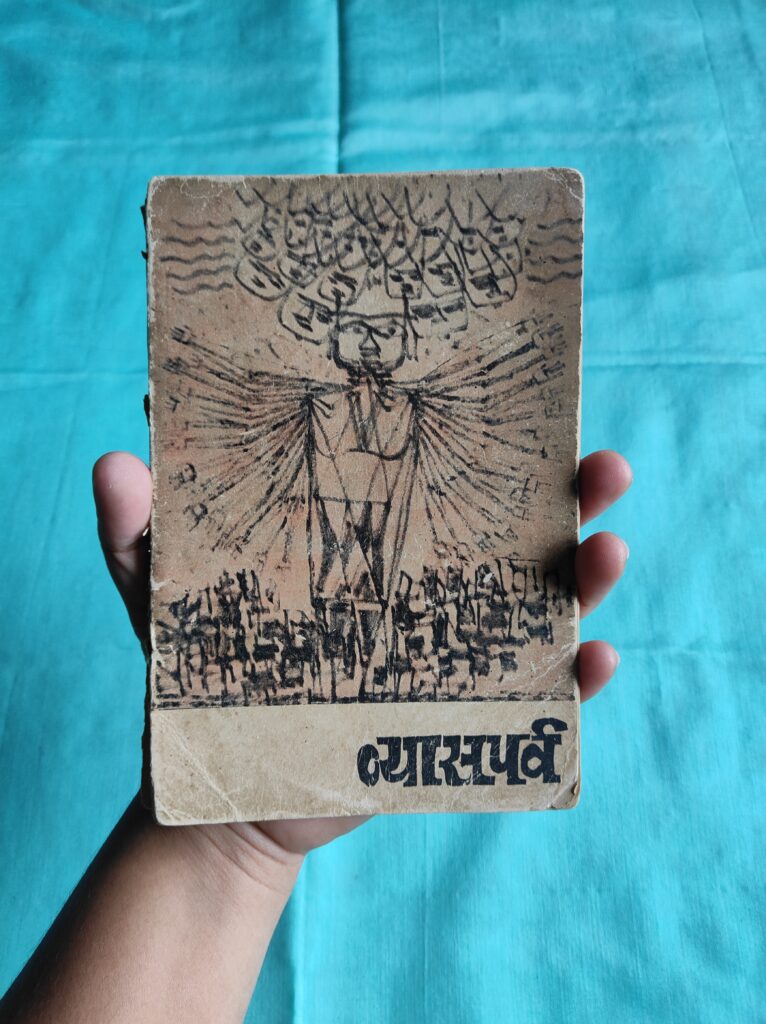
When my parents got married, it was she who encouraged my mother to look for a job or pursue further study, at times even against my grandfather’s wishes. Perhaps she quietly hoped that her daughter-in-law would not have to sacrifice her financial independence, the way she had to. I will never know how she looked at her life. She seldom shared anything personal with her family, or even with her siblings.
As far as I know, she spent most of her life tending to the needs of others. She cared not only for her husband and children but also for her daughters-in-law, grandchildren, and extended family. She never spoke ill of anyone and seemed to know how to deal with annoying people in her life with grace. She was diagnosed with diabetes at a rather young age, perhaps because of the stress she had to handle. One morning, she simply did not wake up and left us forever. She was only in her early sixties.
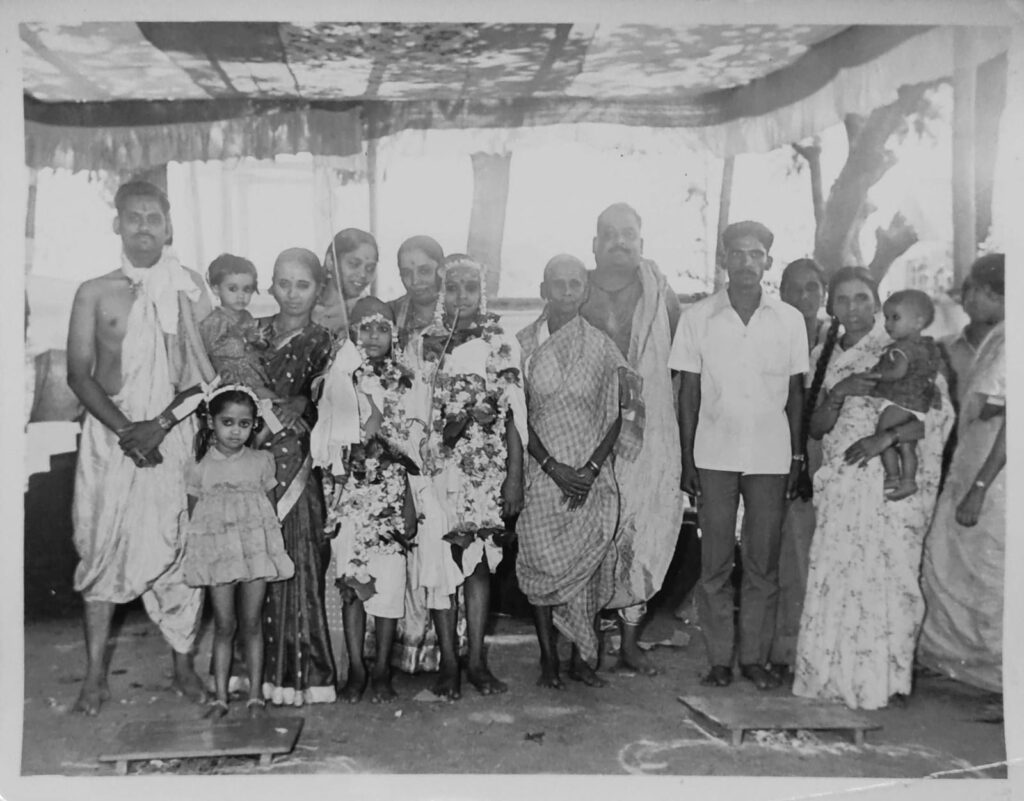
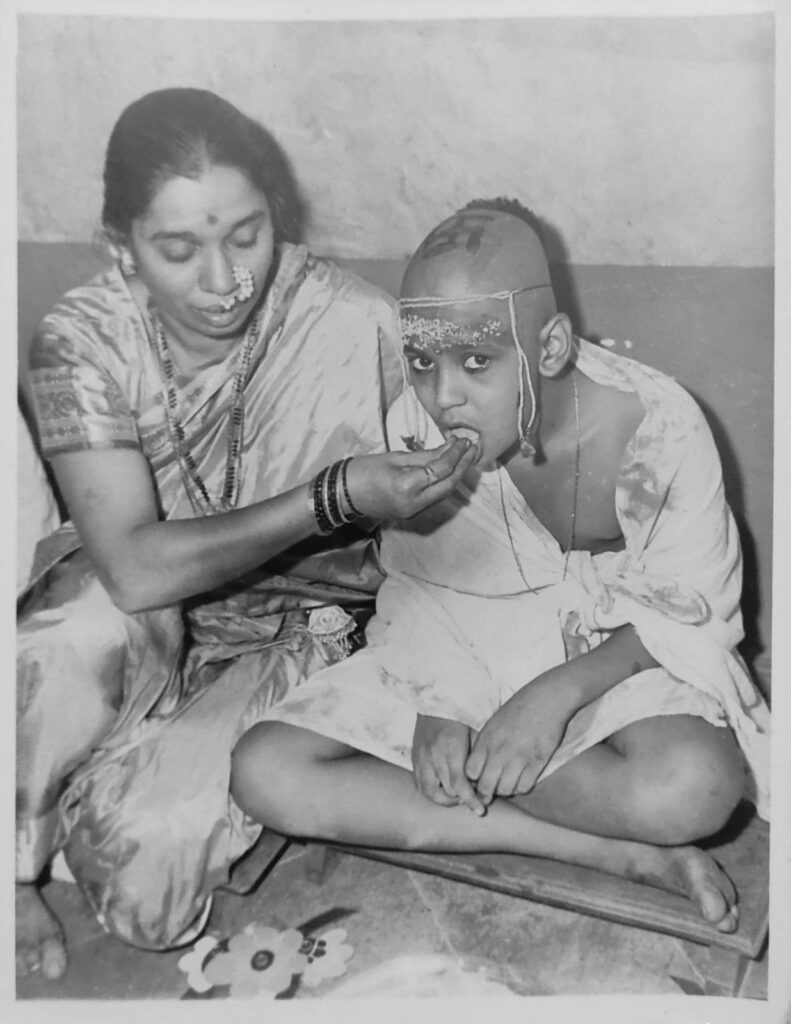
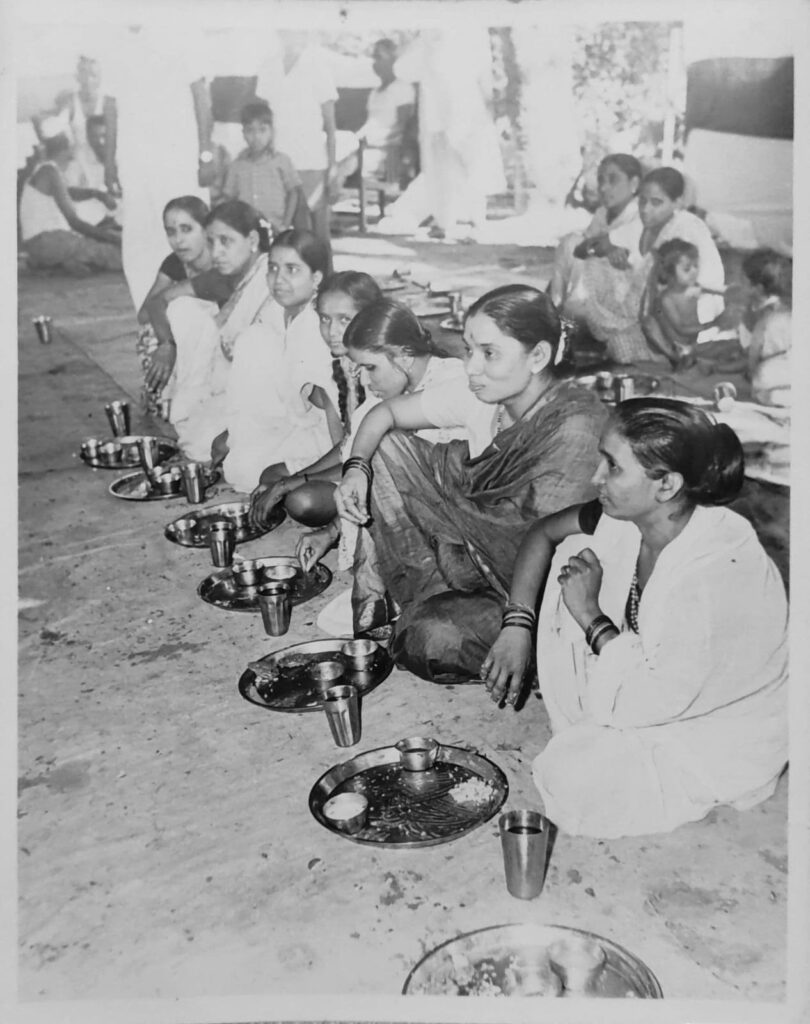
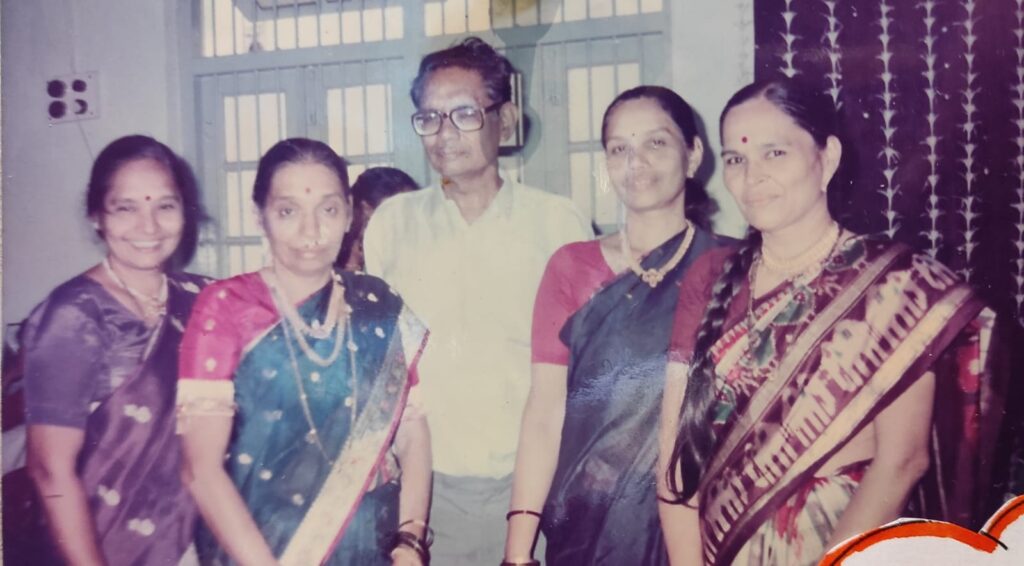
I was born two or three years later. I didn’t really mind not having my own grandmother, since there were many others to pamper me. Now, when I look at her pictures, I wish for her presence in my life. I have come to know through anecdotes and photographs. Recently, while clearing out some old things at home, I discovered a tin box filled with black- and-white photographs of my grandmother. Through these, I have been able to connect the dots and piece together the different phases of her life. These photos have come to mean a great deal to me. I can imagine her celebrating different occasions and festivals, and I can even see how she enriched her ordinary life by losing herself in books.
Fate never gave us the chance to meet in person. Yet it brings me immense comfort to hold certain sentiments about our bond. I like to believe that somewhere within me lives at least a small part of her, passed down through my father. It reveals itself in little ways – my habit of losing a sense of time in the pages of books, for instance. Whatever anyone might say, I believe in such things, and I will always cherish them. I will continue to discover fragments of her life through old photographs, family stories, and unexplored written archives. Her memories will accompany me, and I hope they will endure through the generations. Again, perhaps, through the photographs?