TEXT AND PHOTOGRAPHS BY JAIPREET KAUR LALL
Digboi, Assam, India
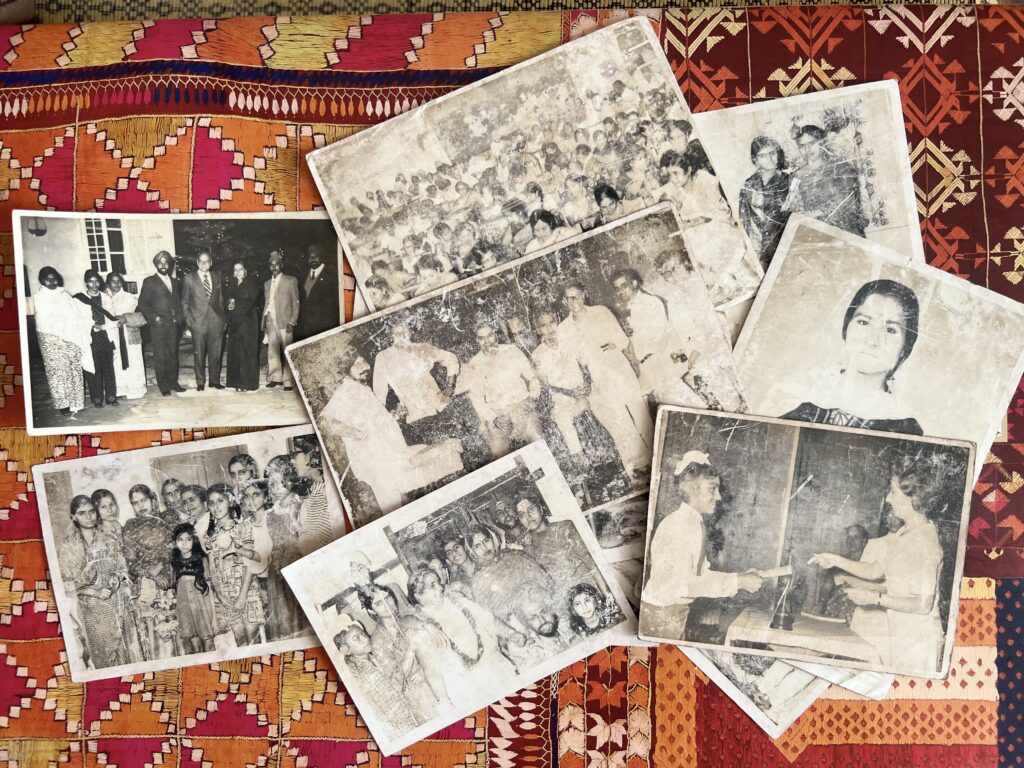
I discovered this postcard quite unexpectedly during a recent visit to our family home in Digboi, Assam. It was tucked away among old family photographs on a shelf in what is now my brother Karanbir Singh Lall’s and my old bedroom — a place I still think of as ‘the children’s room’. This was the same house where my grandparents, Gian Kaur (Biji) and Dayal Singh Lall (Babaji), spent most of their lives together, and where they both eventually passed away.
As I was going through the photographs, I came across this small, worn postcard. The moment I picked it up, I felt an immediate sense of wonder. It was more than just a piece of paper; it felt like a doorway into a moment from sixty years ago. The paper had aged, the ink had faded in places, and yet it carried a remarkable presence. Finding this postcard made me curious about a chapter of their lives that I had never witnessed — a time when they lived apart, Babaji in London and Biji in Phagwara. I found myself wondering what he had written to her, how long she had waited for news from him, and what she must have felt when this postcard finally arrived.
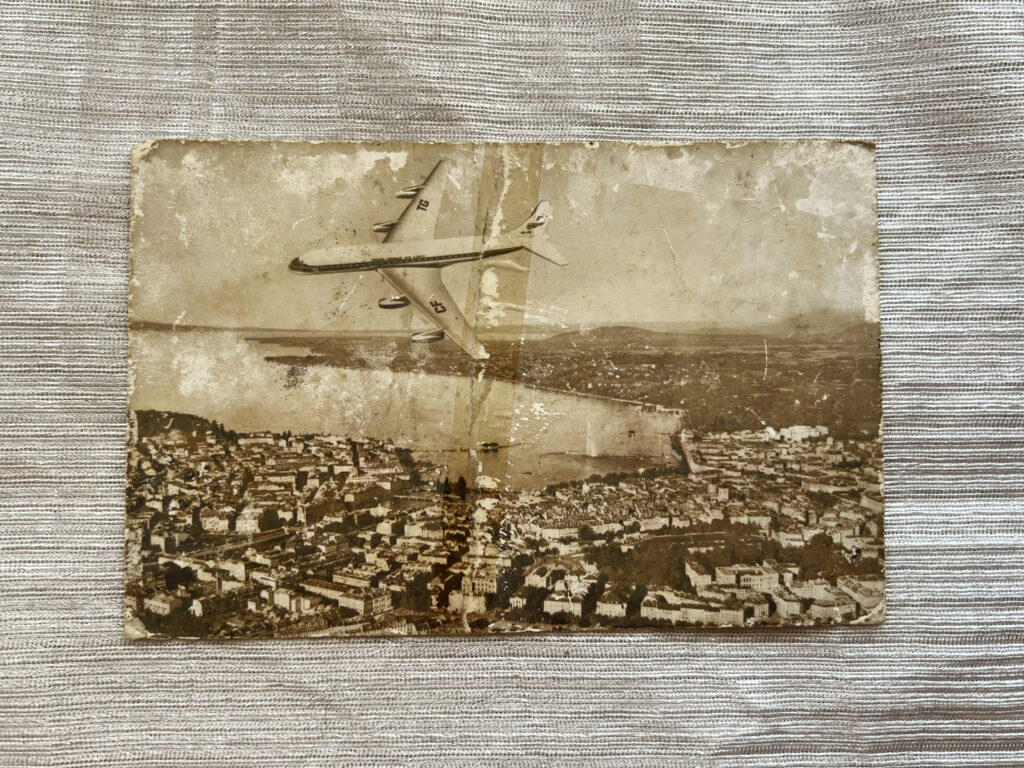
Holding it in my hands, I was struck by the intimacy of handwritten correspondence. In an age before instant communication, every word would have mattered. What moved me most was the realization that Biji had kept this postcard for decades. Through relocations, changing homes, and the passage of time, she preserved it carefully enough for it to find its way into my hands. Discovering it felt less like finding an old object and more like receiving a message from them across generations.
My grandparents’ lives were shaped by movement across regions and the opportunities created by India’s growing oil industry. Biji was from Kotli, Punjab, while Babaji’s family had established themselves in Digboi, Assam. Although the family’s roots were in Punjab, their lives and livelihoods had taken them to India’s northeastern frontier, where Babaji built his career in the oil industry.
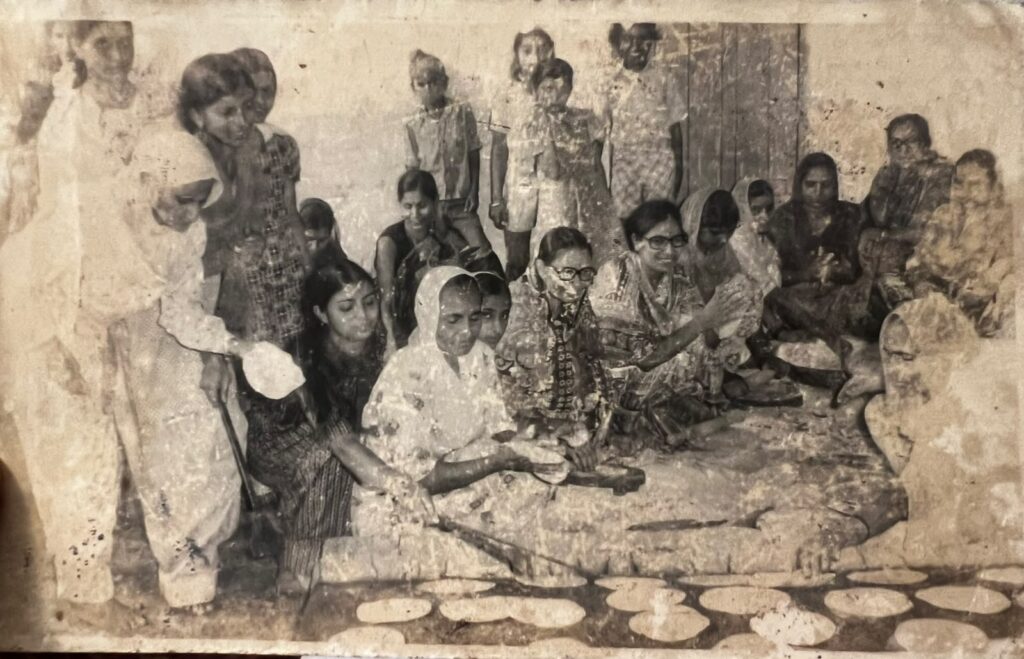
Digboi Gurudwara Community Kitchen, Assam
Their marriage was arranged, as was customary at the time. Babaji travelled from Assam to Punjab for the wedding. He often recounted that Biji arrived for the wedding ceremonies with her face covered by a traditional ghunghat. Before the marriage, he had only seen a photograph of her. That photograph was their only introduction, and their first real meeting took place during the wedding itself. Together, they built a life across regions, cultures, and distances. They eventually settled in Digboi and raised four children: Mahinder Singh, Ranbir Kaur, Amrit Kaur, and my father, Balbir Singh Lall, who was the youngest.
My grandparents were an important part of my childhood. When circumstances brought our family back to Digboi, we moved into their home, where they became a constant presence in my everyday life. To me, they were never simply figures from an earlier generation; they were my companions, storytellers, and caregivers. I grew up listening to their memories and watching the rhythms of their daily life.
Perhaps that is why finding this postcard felt so meaningful. It revealed a younger version of the grandparents I knew so well—a newly married couple navigating separation, distance, and uncertainty long before I was born. Through this small piece of paper, I caught a glimpse of their relationship at a time when their future together was still unfolding. Biji passed away in 2000 and Babaji in 2004, both in the Digboi home where they had spent much of their lives.
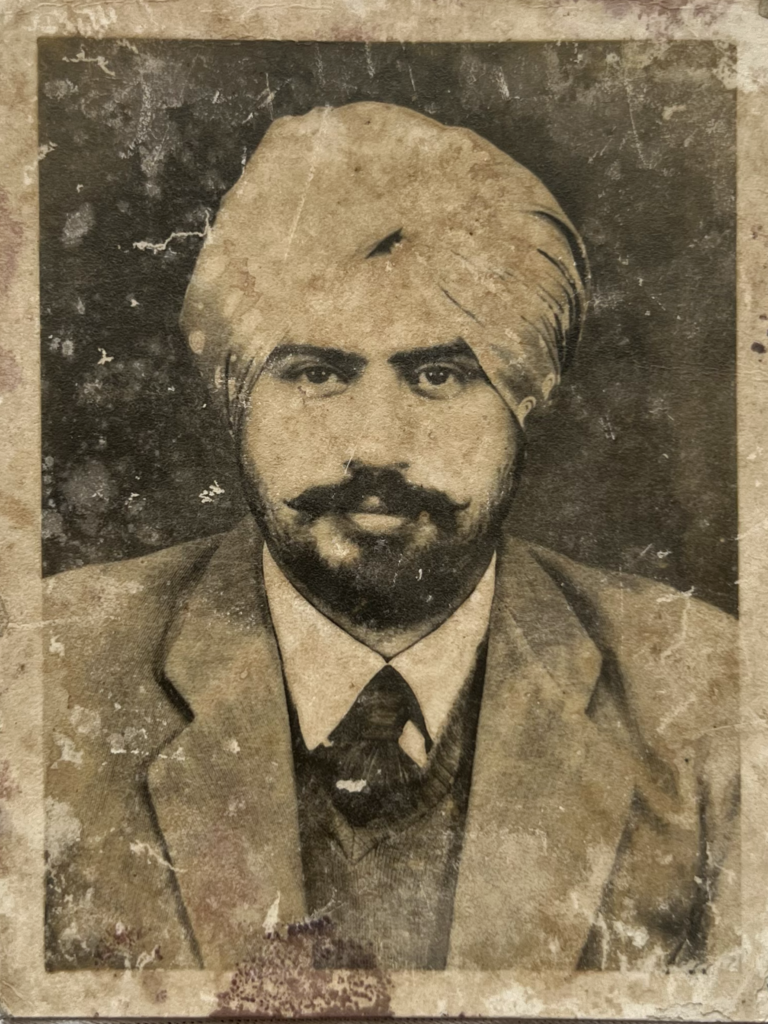
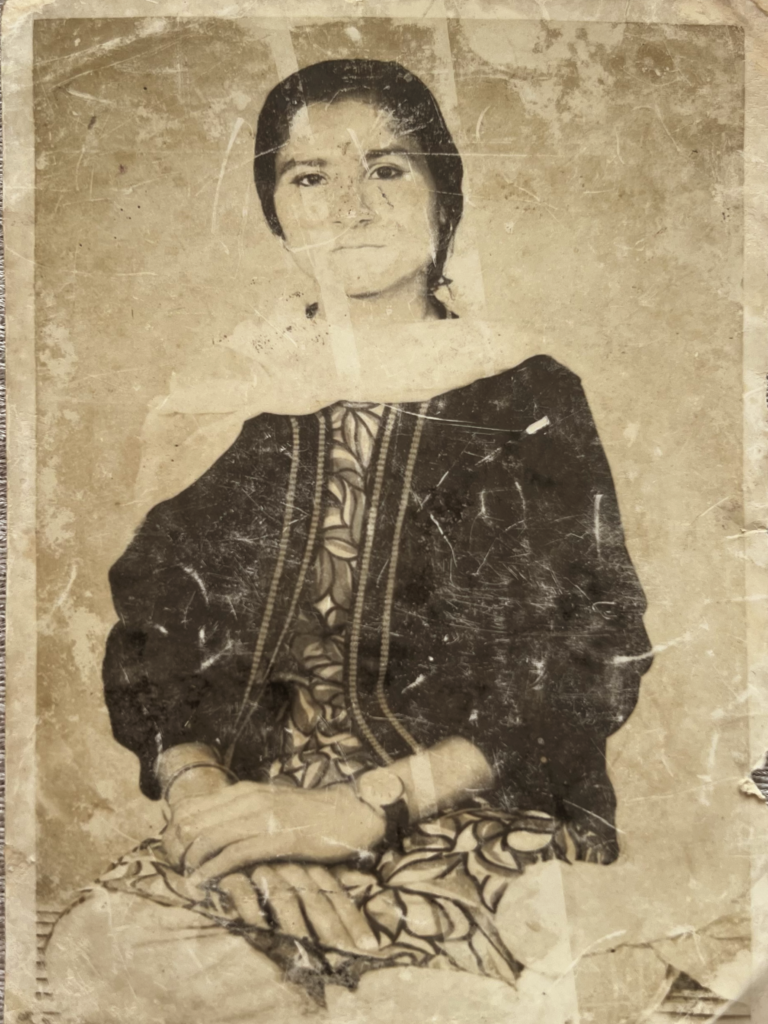
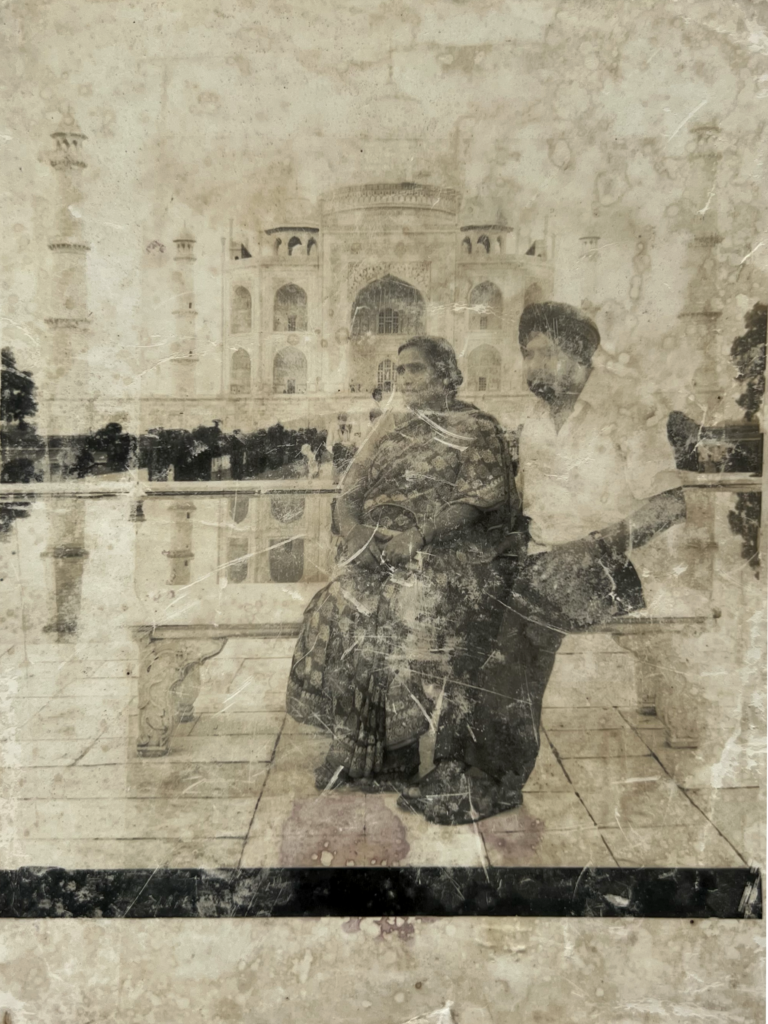
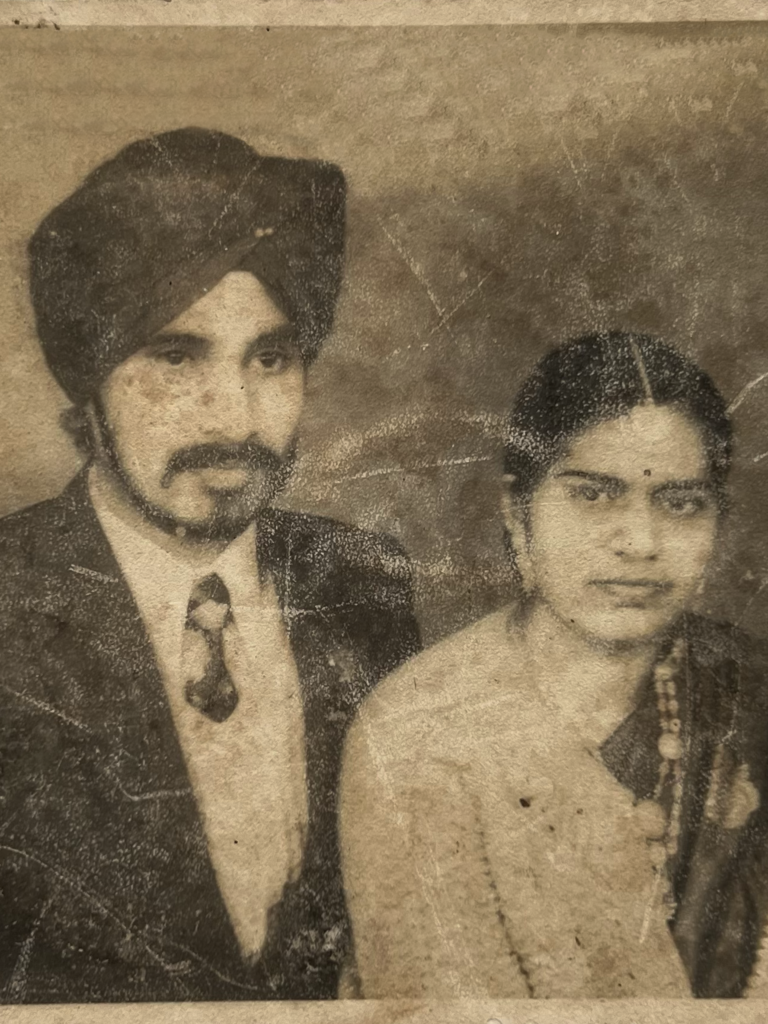
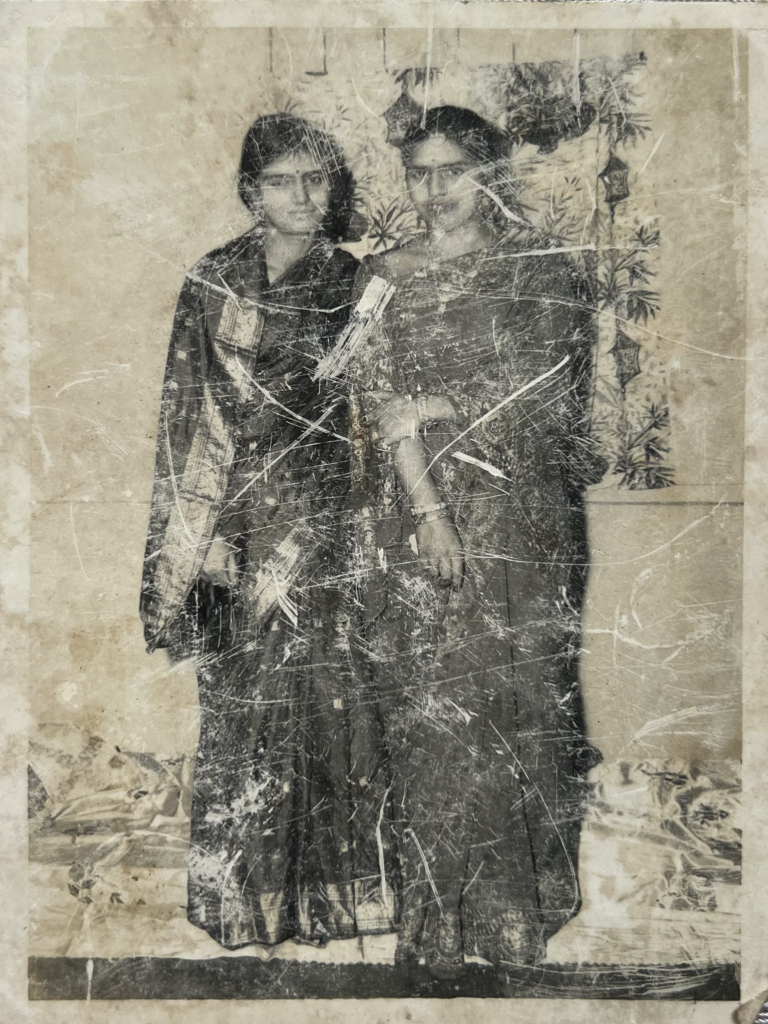
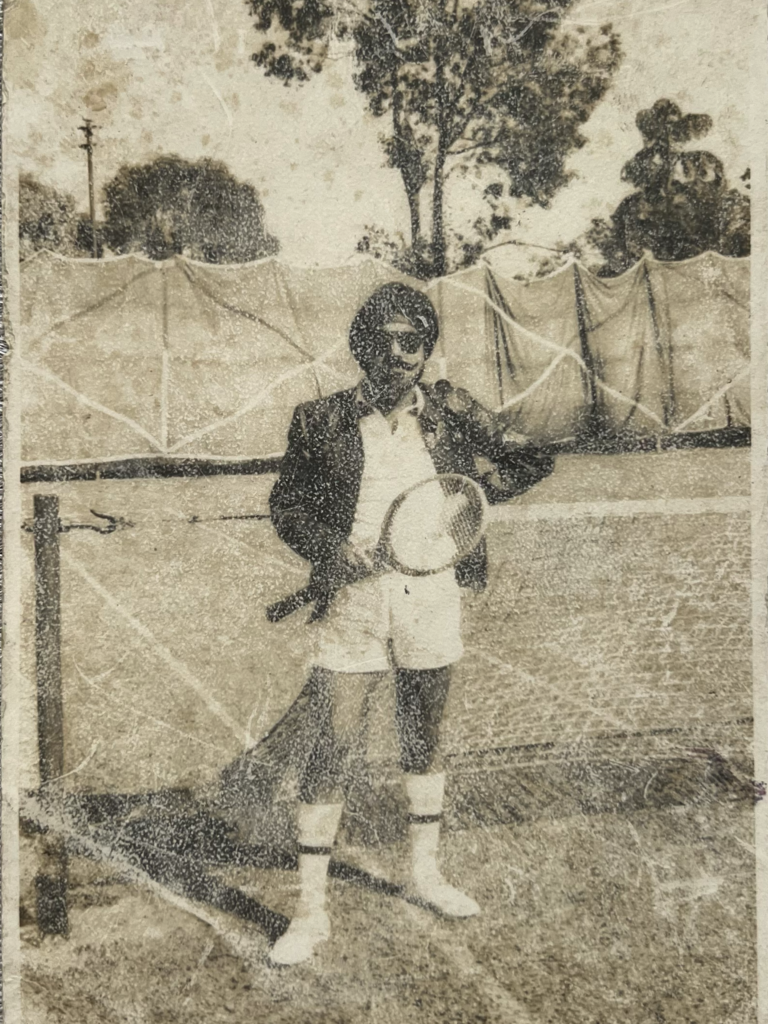
Family photographs, clockwise from the top L-R – The author’s grandfather, Dayal Singh Lall | his cousin sister, Surinder Kaur | Gian Kaur and Dayal Singh at Taj Mahal, Agra | the couple’s son, Balbir Singh Lall at the Digboi Club Tennis Court | the couple’s daughters, Ranbir and Amrit Kaur | Ranbir Kaur with her husband Sukhdev Singh Bansal
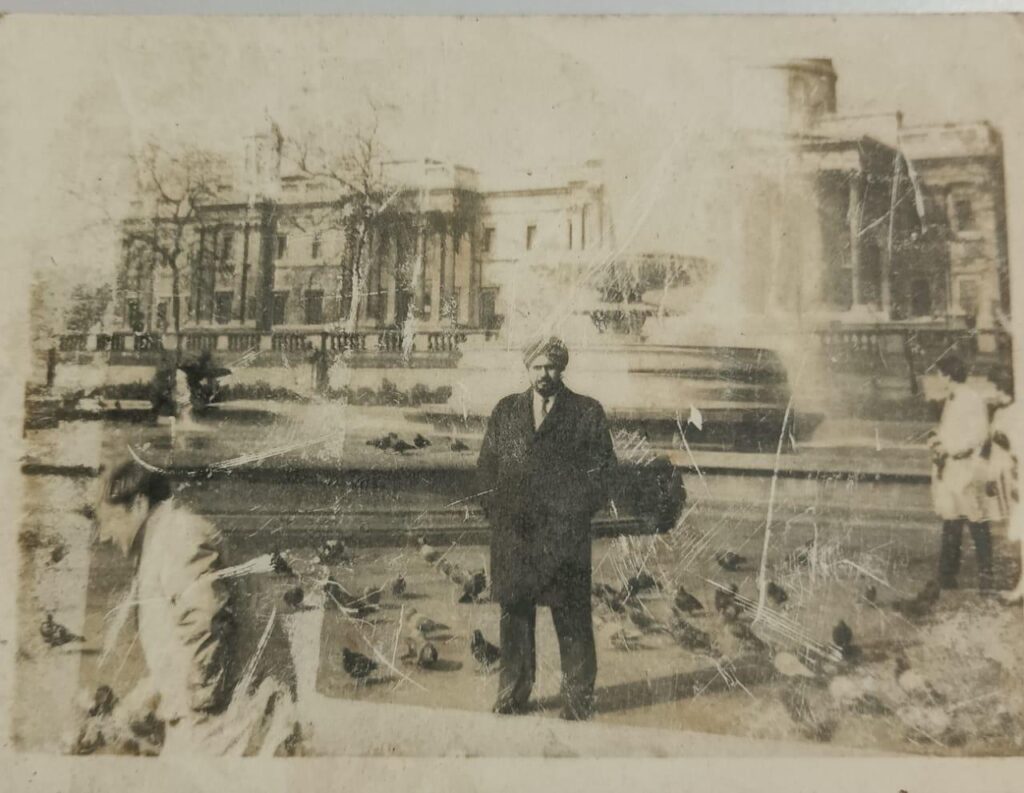
This postcard was sent by my grandfather from London in 1963. At the time, he was in the United Kingdom on a year-long assignment with The Burma Oil Company Ltd. He had been sent to London to receive training in automation systems for industrial furnaces and refinery operations. The visit was part of a broader effort to modernize oil industry infrastructure in India. During his stay, he not only underwent technical training but also studied industrial layouts, engineering systems, and operational structures that could later be adapted and implemented in the oil installations and refineries of Digboi and Duliajan, Assam.
For a young man from Digboi, the opportunity to spend a year in London was significant. It represented both professional advancement and participation in a period when India’s industrial sectors were expanding and adopting new technologies. Yet the assignment also meant spending an extended period away from home and family.
While Babaji was in London, Biji remained at the family home in Phagwara, East Punjab, caring for their children and managing the household. Separated by thousands of miles, they relied on letters and postcards to stay connected.
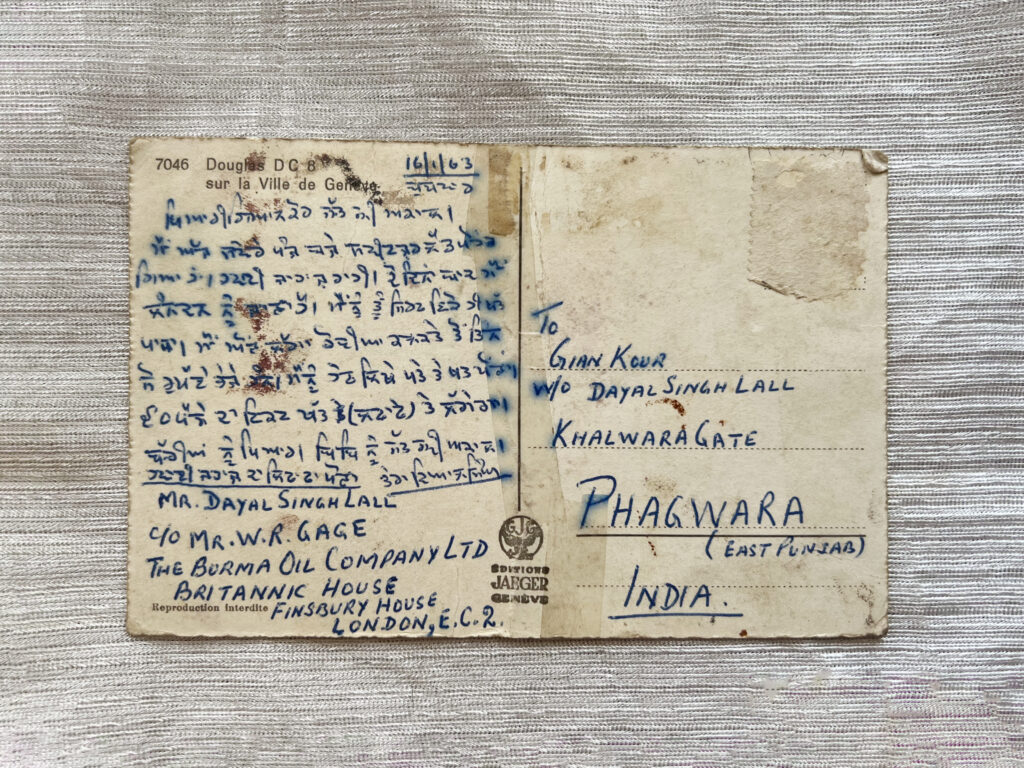
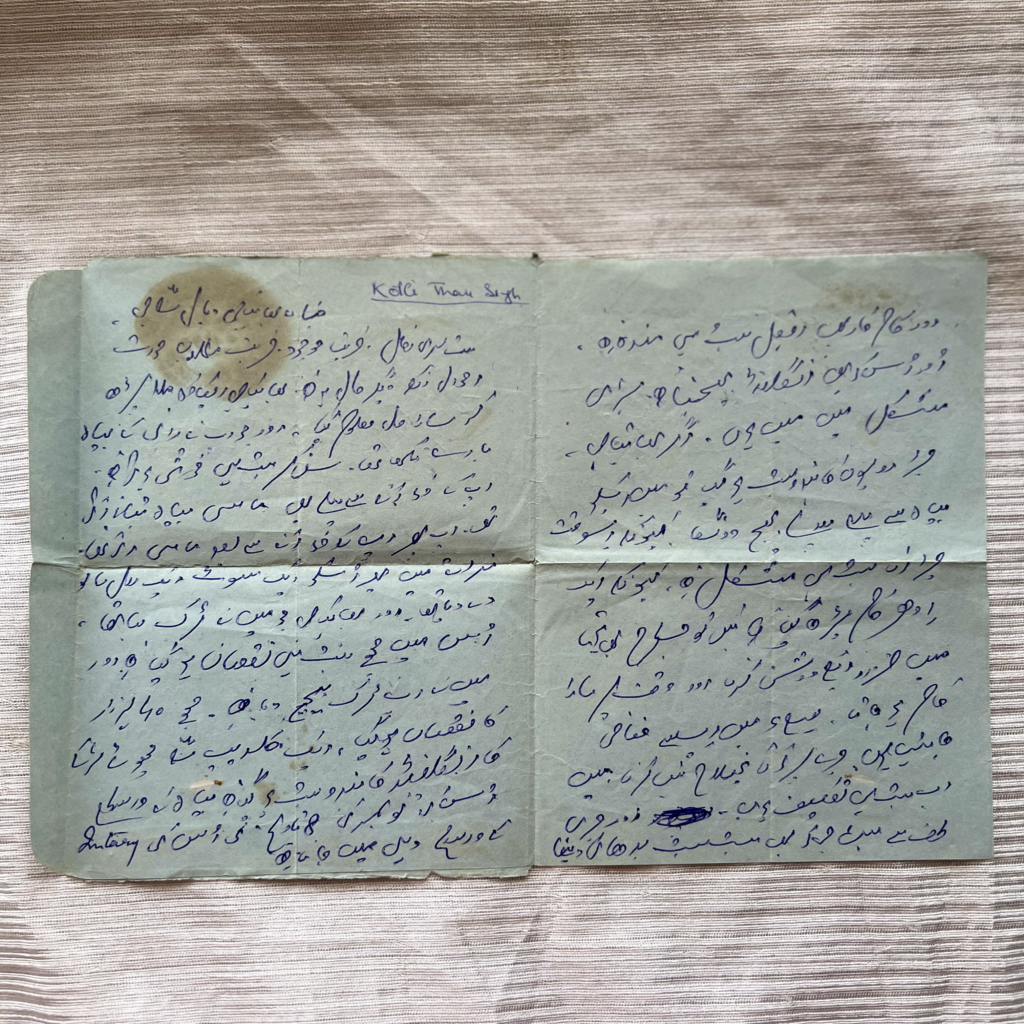
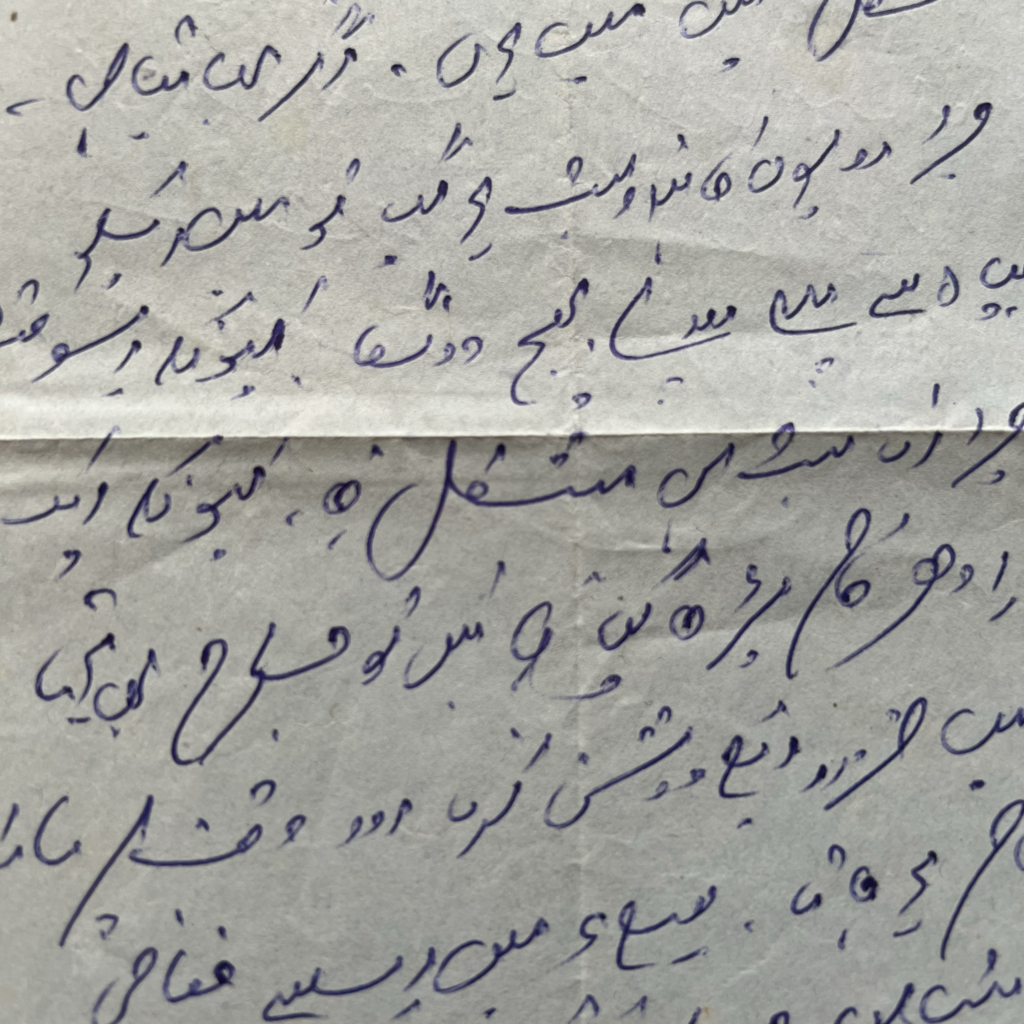
When my grandfather sent this postcard from London in 1963, communication between continents depended on patience. News, affection, and everyday conversations travelled slowly through the postal system, often taking days or even weeks to reach their destination. For families separated by oceans, letters and postcards were not merely correspondence; they were lifelines. This postcard carries a message written in Punjabi, the language my grandparents spoke to one another. The address is written in English, conforming to the requirements of the postal system, while the message itself belongs entirely to the private world they shared.
In Punjabi, the post card reads,
“Pyari Gyan Kaur, Sat Sri Akal.
Mai aaj savere 5 bje Switzerland pohonch gaya han. hawai jahaj rahi. 2 dina baad mai London nu jana hai. Menu tu sirf ekko hi khat paya. Mai aaj laga hoya Calcutte toh tin soo rupaye peje han. Menu aith likhe pate the khat bhejo ; 90 paise da ticket khat liphape the lagega. Bacheya nu pyar, bibi nu sat sri akal. Hawai jahaj da lifafa pauna.
Tera Dayal Singh”
And translated in English, it reads,
“Dear Gyan Kaur, Sat Sri Akal.
This morning at five o’clock, I reached Switzerland by aeroplane. In two days, I will travel onward to London. I have received only one letter from you. Today, I have sent 300 rupees from Calcutta. Write me the letter in the below mentioned address. Use the 90 paise ticket on the letter pack. Love to children, Sat Sri Akal to Bibi. Use the air, for sending the letter pack.
Yours Dayal Singh”
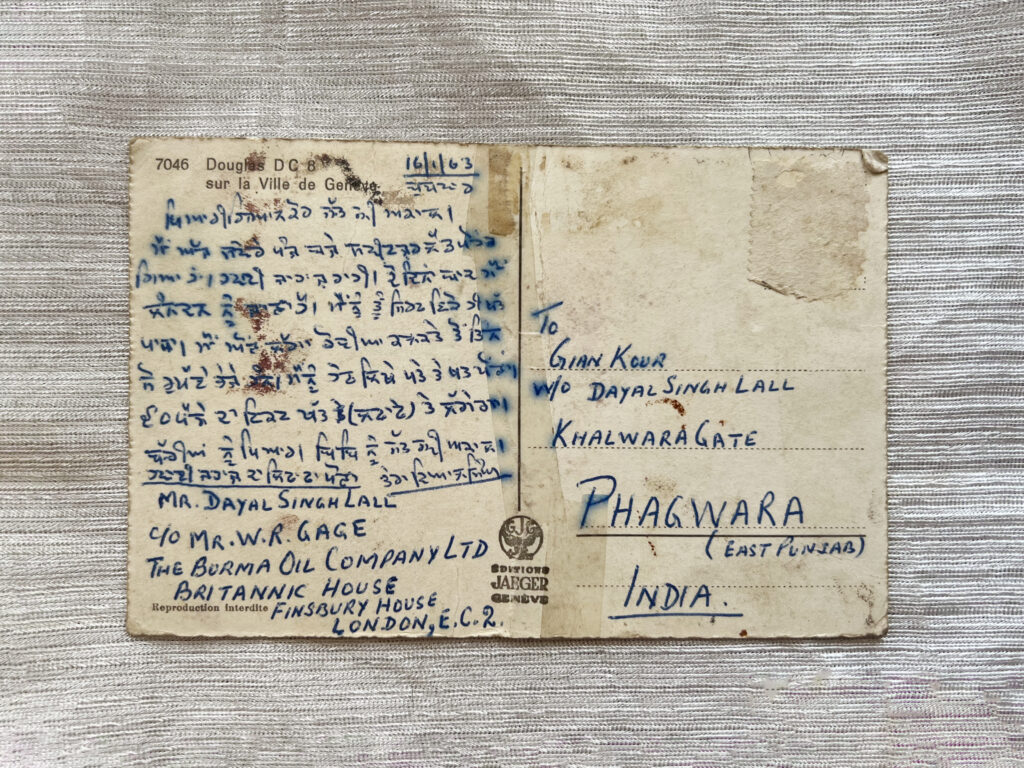
Here, one line in particular stands out. My grandfather reminds Biji to write back and send her reply using a 90-paise stamp. What strikes me most about the message is its combination of the ordinary and the extraordinary. Here was a man travelling across continents at a time when international air travel was still uncommon, yet his thoughts remained firmly anchored at home. He writes not about Europe or adventure, but about letters, money sent to the family, the children, and the practicalities of staying in touch. Even in its brevity, there is a desire to keep the thread of communication alive despite the distance.
I often imagine the journey of the postcard itself. Babaji sitting in London, carefully writing each word by hand. Perhaps he chose his words thoughtfully, knowing that every line mattered when communication was so infrequent. Once posted, the card would have crossed countries and continents before eventually arriving at the family home in Phagwara.
I then imagine Biji receiving it. I wonder where she was when it arrived, who handed it to her, and whether she immediately recognised Babaji’s handwriting. After travelling thousands of miles, the postcard would finally have reached the person for whom it was intended. Her hands would have touched the same piece of paper that he had held weeks earlier. In a world without instant communication, this small object became a physical connection between husband and wife.
More than sixty years later, that connection still survives. The postcard remains not only a record of communication, but also a record of presence. Through its worn paper and fading ink, it preserves a moment when two people, separated by continents, remained connected through the simple act of writing to one another.
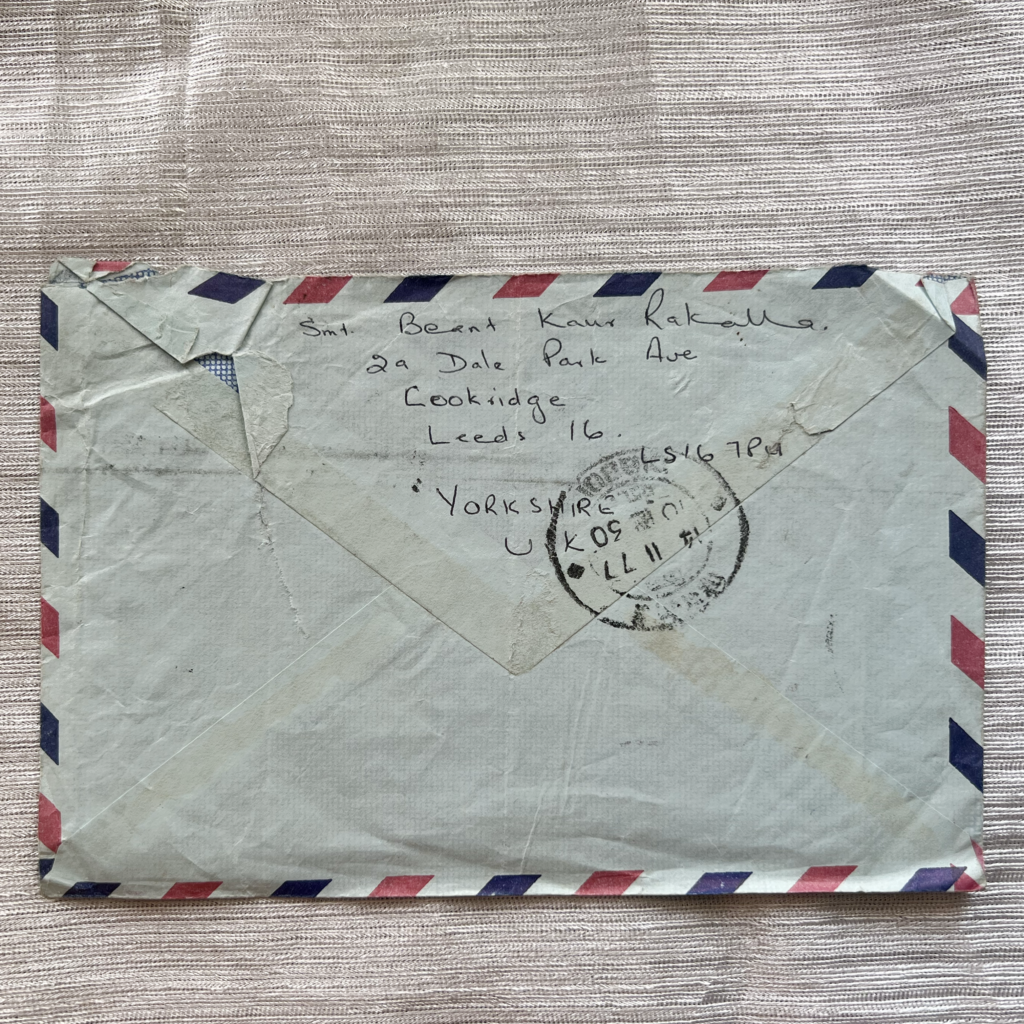
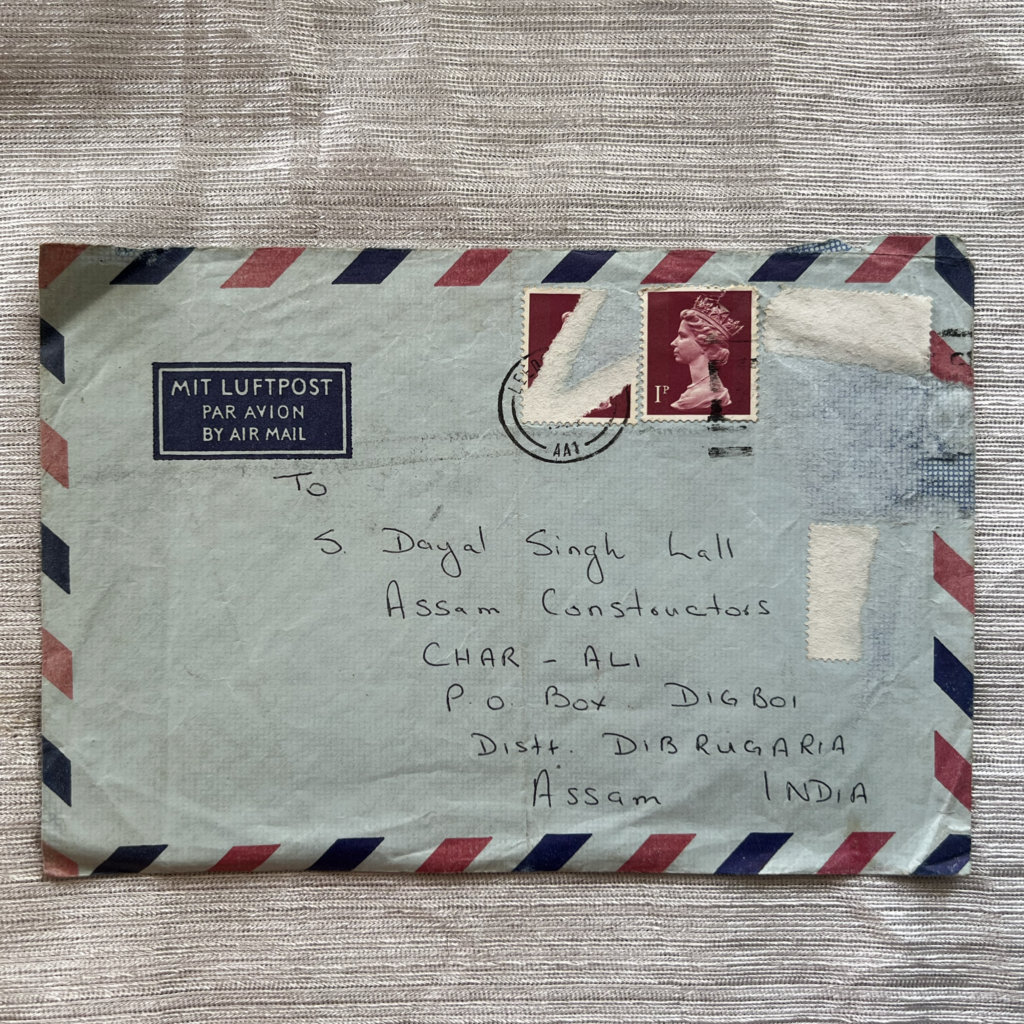
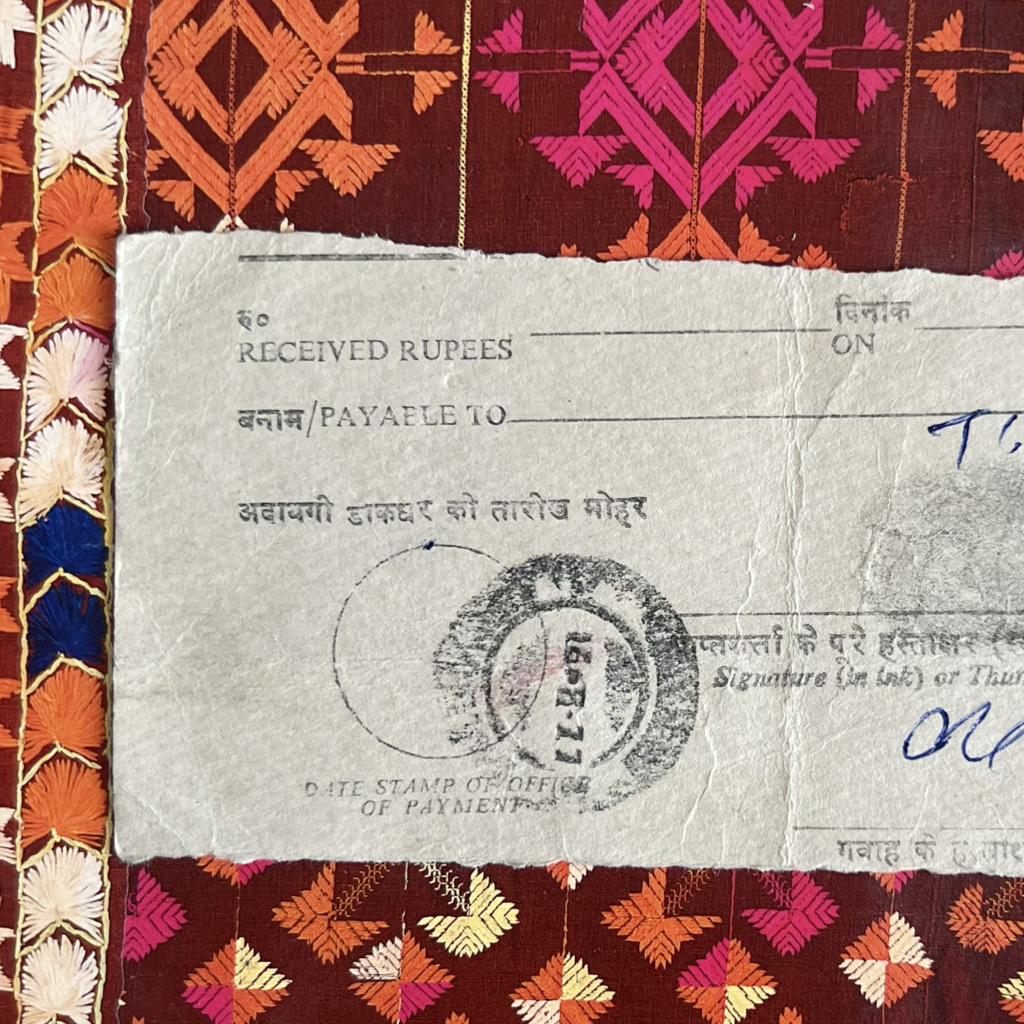
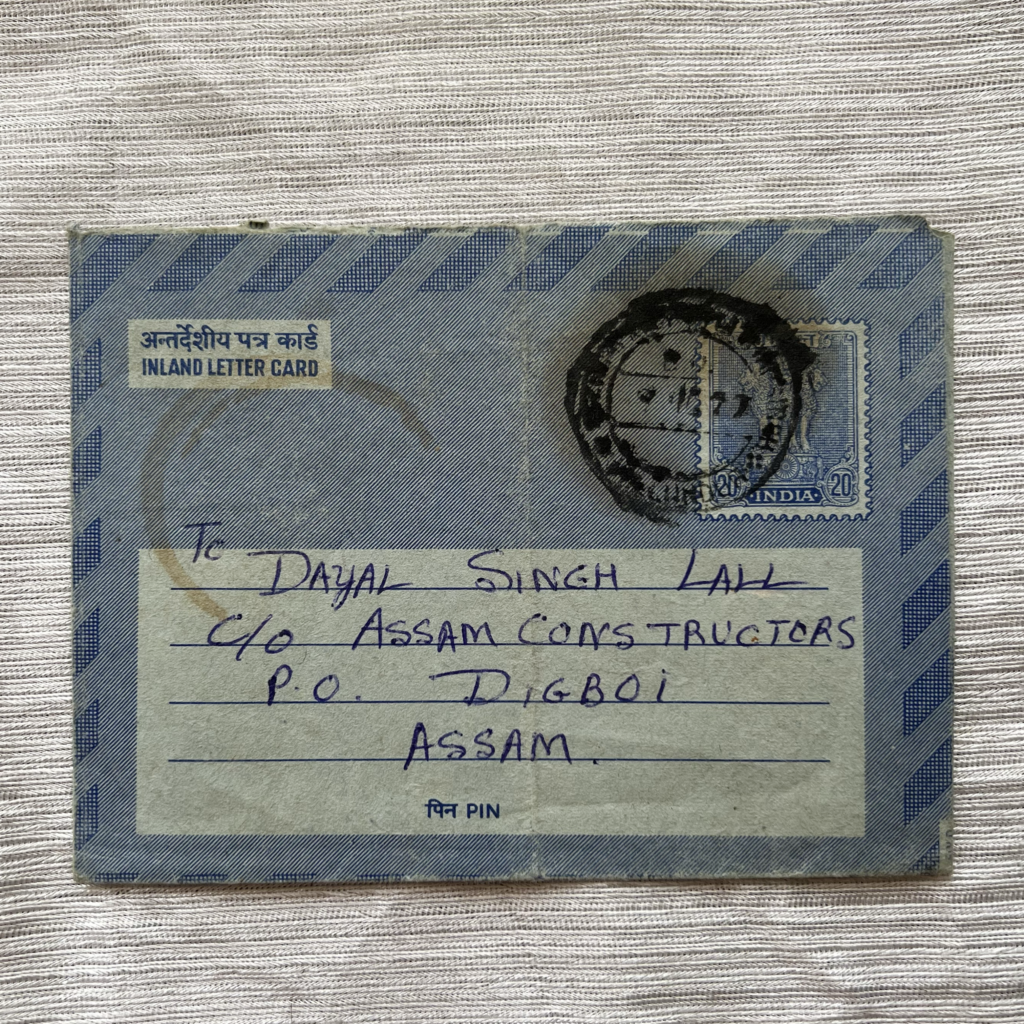
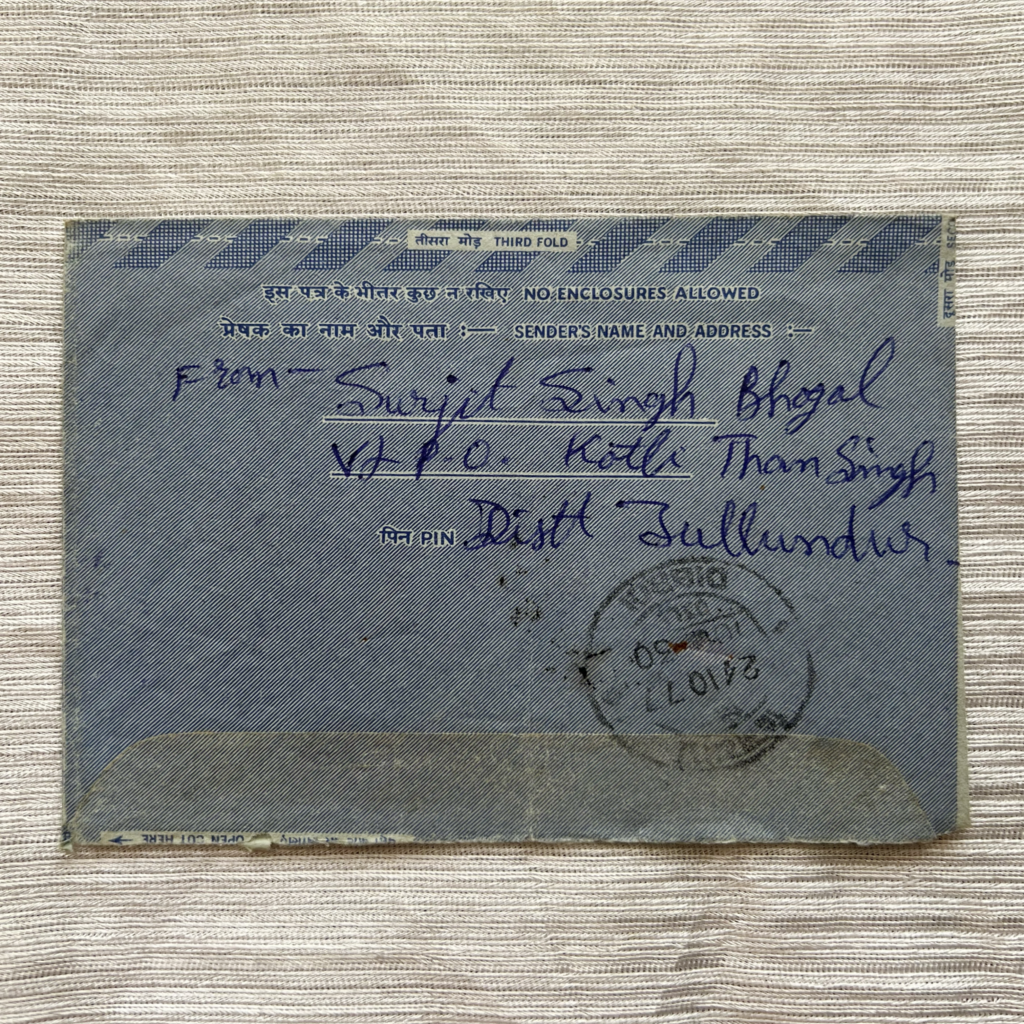
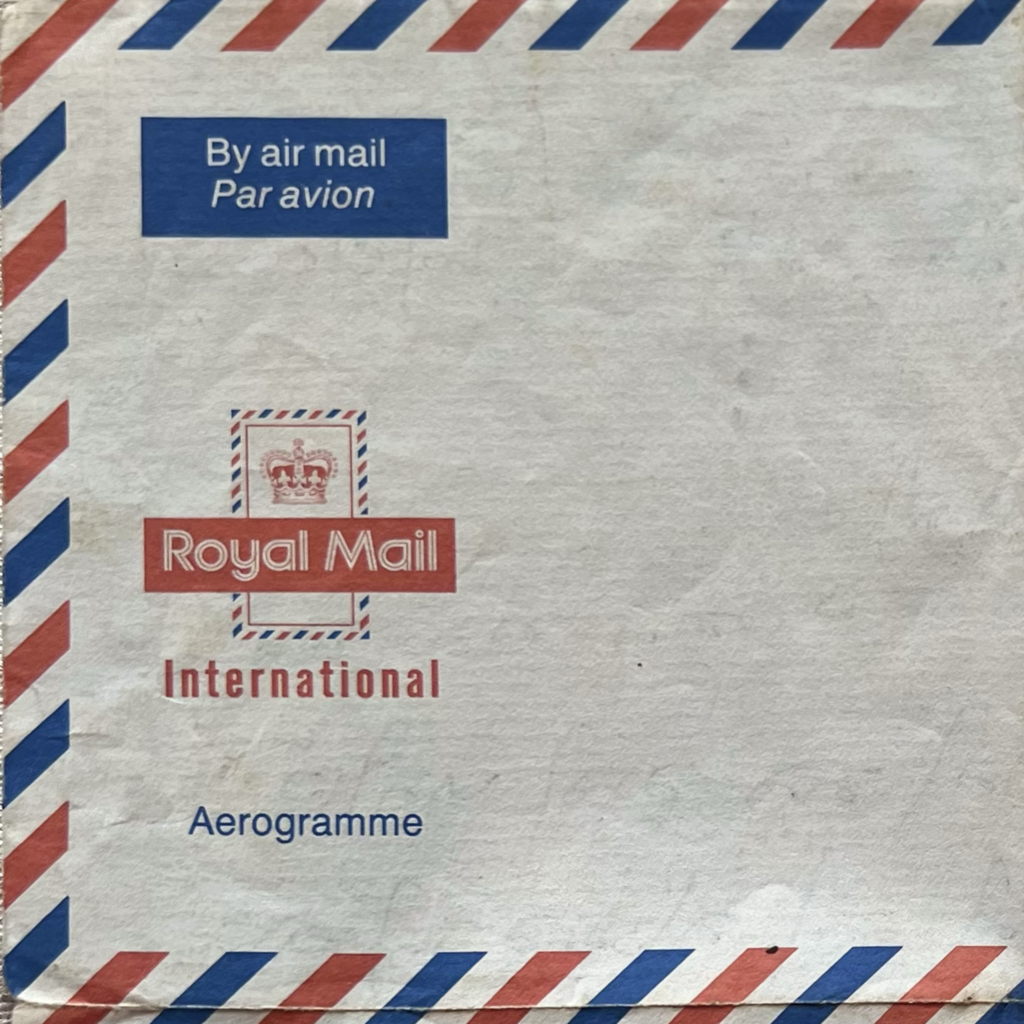
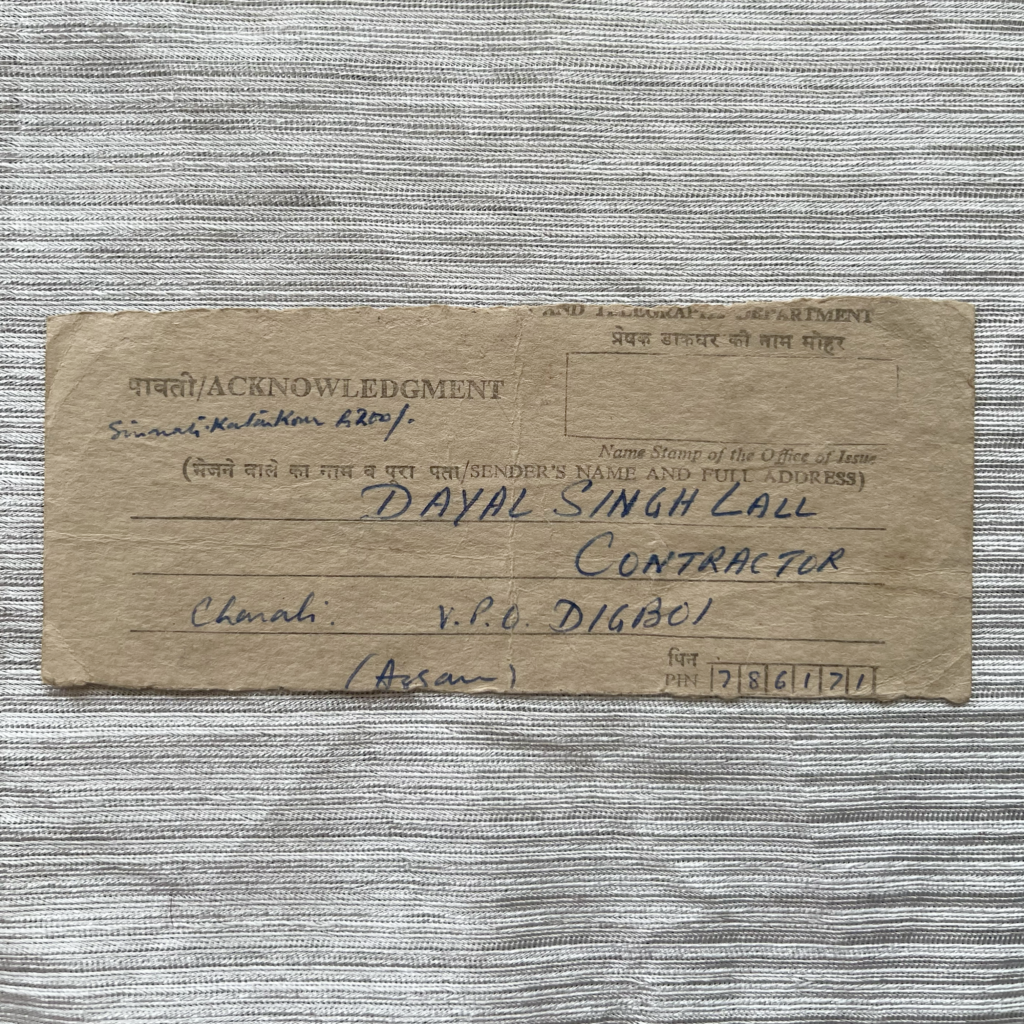
After his return to India, the postcard travelled with the family to Assam, where my grandfather worked in the oil town of Digboi, one of the earliest oil-producing regions in India. It remained in the same family home in Digboi—a house that is now known as Houri Homestay, where my mother, Raminder Kaur Lall, continues to live and care for many of our family’s belongings. Today I hold the same postcard in my hands. As the founder of Houri Life, a social craft enterprise that works closely with handmade paper, Indian textiles, sustainable materials, and storytelling through objects, I spend much of my time thinking about the life of materials. I handle paper every day, yet there is something profoundly different about holding a piece of paper that has survived for over sixty years. Its surface feels softer than contemporary paper, its folds have become part of its character, and every crease seems to record a moment in its journey making it richer through time.
What moves me most is the realization that this postcard has been touched by multiple generations of my family. My grandfather held it while writing it in Europe. My grandmother held it when she received it in Punjab. Decades later, I find myself holding the very same object while reading the same words. This single sheet of paper has become a bridge between our lives. My grandparents are no longer with us, and neither are both of their sons, including my father. In many ways, this postcard has outlived the people whose lives it once connected. Perhaps that is why it feels so precious to me. Through its faded ink and fragile paper, it preserves a conversation, a relationship, and a moment in our family’s history that can still be held, read, and remembered.
Perhaps that is the true legacy of this postcard—not simply that it survived, but that it continues to connect the hands, hearts, and histories of three generations of our family.