
TEXT AND PHOTOGRAPHS BY VRIDDHI
With inputs and conversation with Mrs. Sampat Devi Dugar
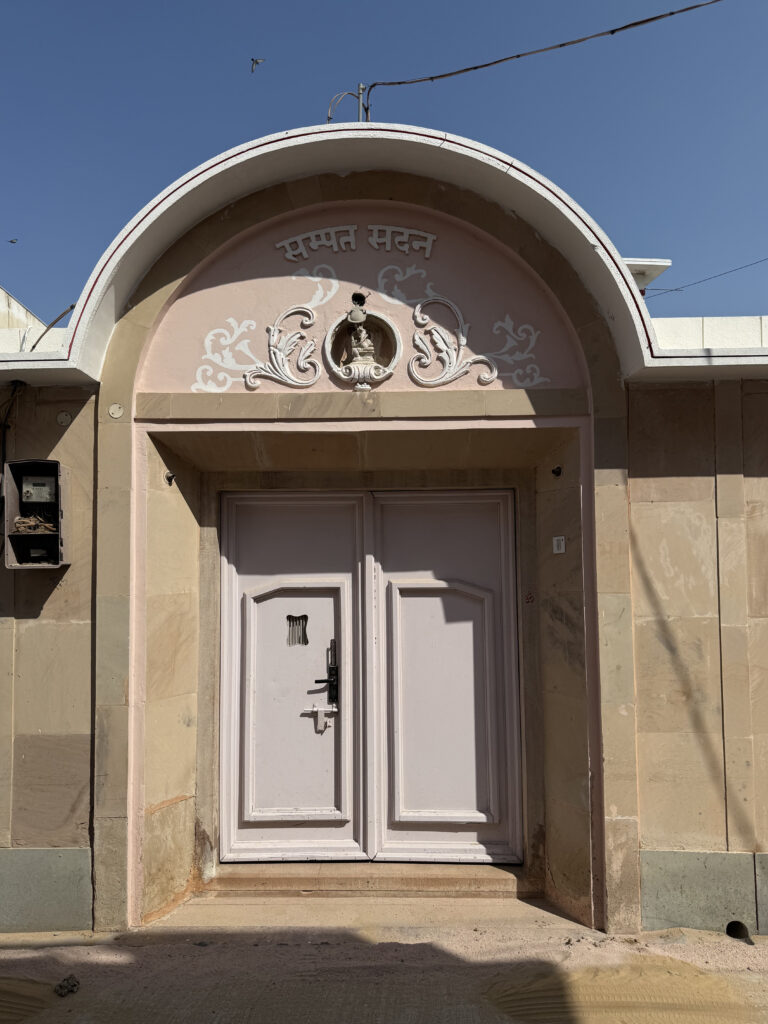
Sardarsheher, Rajasthan, India
Houses are time machines – This is not a metaphor but a lived reality. A house holds within it the layered histories of people, decisions, silences, and survival. By returning to a house I visited every summer as a child, located in Sardarsheher in the Churu district of Rajasthan, I encountered a space that was both familiar and estranged. Sardarsheher is where my maternal lineage took shape, where my great-grandmother was married, where my grandmother spent her childhood, and where multiple generations of women lived in resilient ways. A decade after my last visit, I returned at the age of twenty-eight, now carrying the absence of both my great-grandfather and my mother.
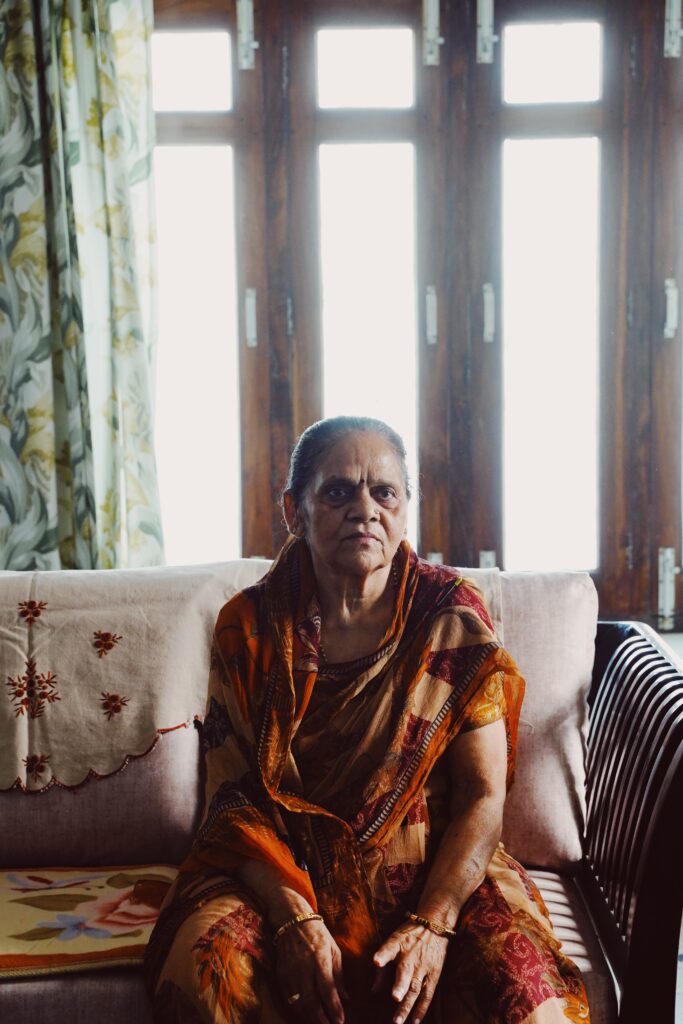
As I wandered through the house with my great-grandmother, 55 years of age and experience separating us, I became almost childlike. I opened cupboards I had never thought to open before, pulled out forgotten objects, and asked endless questions.
“Yeh kya hai? What is this?”
She would laugh, answer, and then another story would appear.
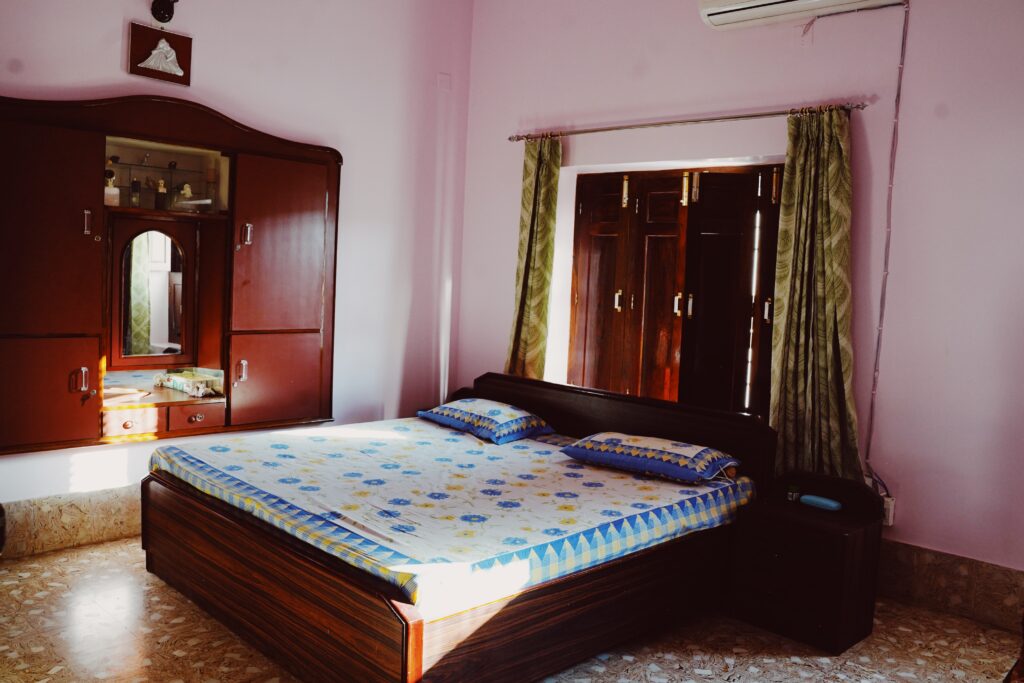
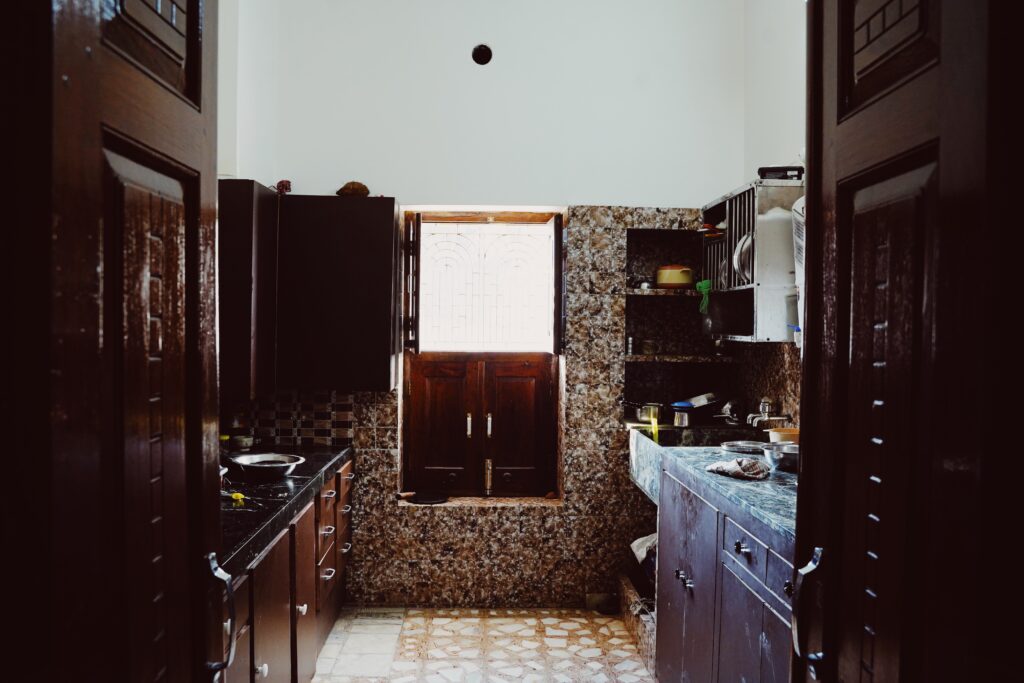
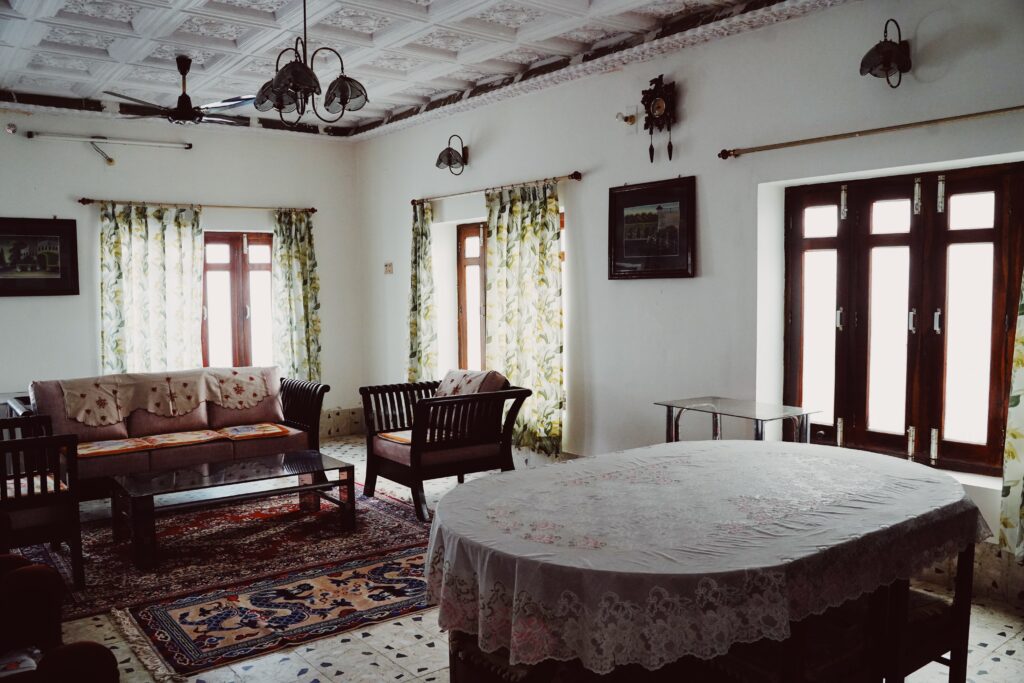
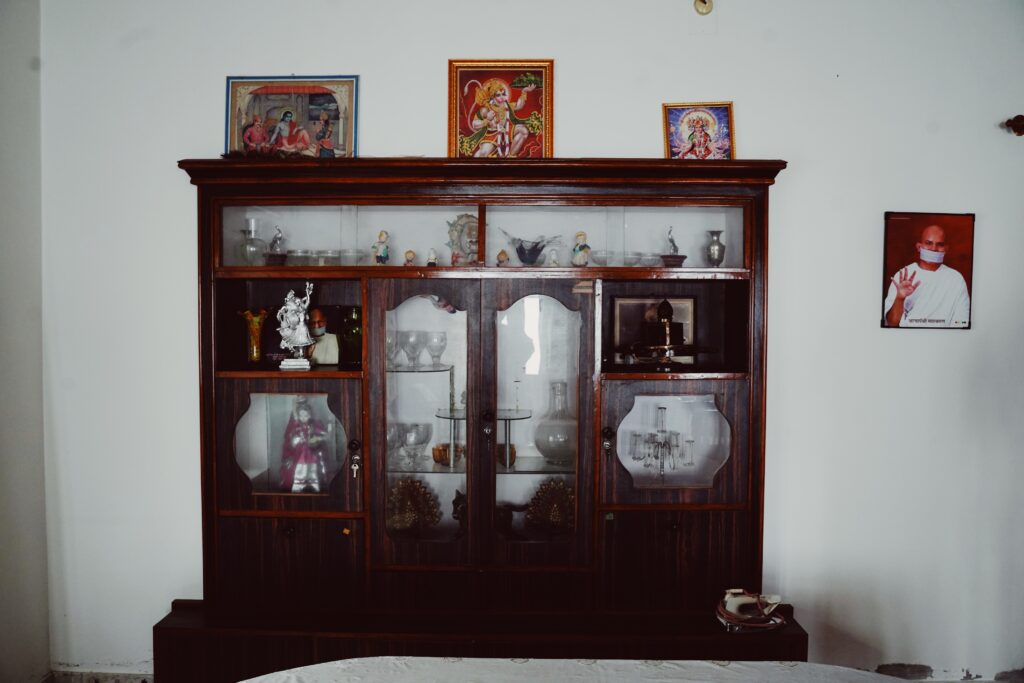
One afternoon, while walking into one of the rooms, I noticed a framed photograph hanging on the wall. I couldn’t believe I had never really looked at it before.
“Who’s this?” I asked. “I know the woman on the right is you.”
She looked up at the photograph almost instinctively. “That’s my mother-in-law,” she said, pointing to the woman in the centre. “And that’s her elder daughter-in-law. When we decided to leave the joint family home [a few blocks away] and live independently, this is what I brought with me. I wanted to keep them with me.”
The photograph is dated 1955. What struck me wasn’t simply who was in the picture, but who wasn’t. Growing up, I had become accustomed to seeing framed portraits of men occupying the most visible spaces in family homes – grandfathers, fathers, patriarchs whose images quietly affirmed lineage and inheritance. Yet here, the only portrait displayed in my maternal great-grandmother’s house belonged entirely to women. Three generations. No men. This was something quietly radical.
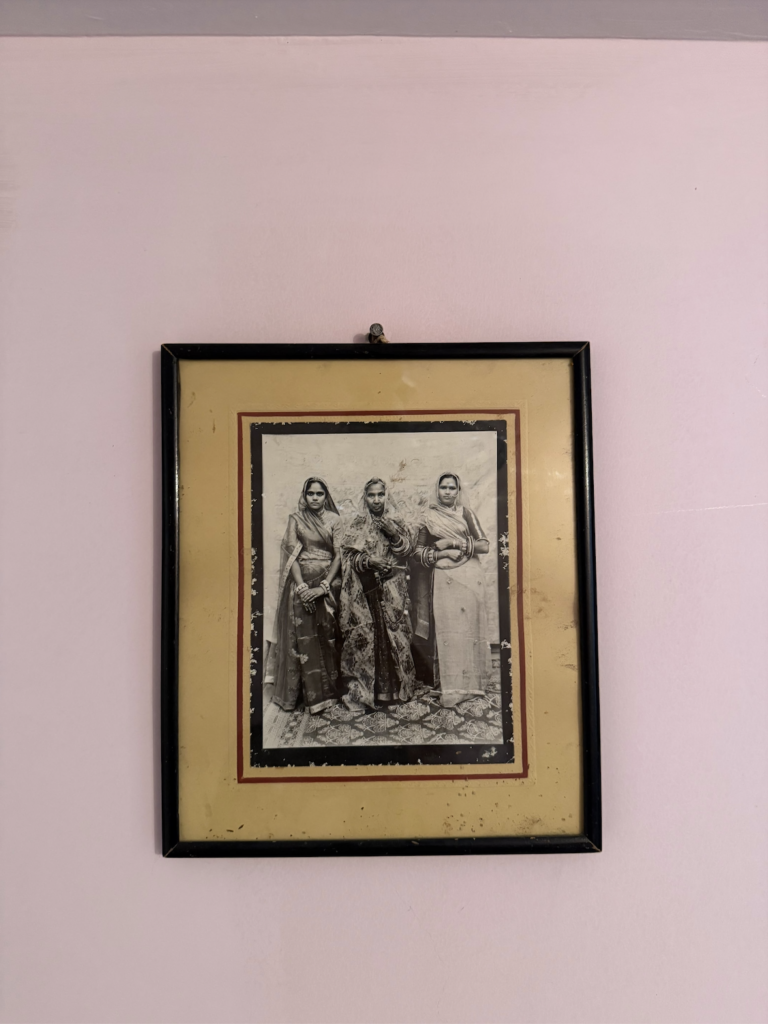
Looking at the photograph, I realised the women in my family had always been changing the course of our history, even if they’d never described it that way. They remained within the domestic sphere, yet each expanded the possibilities available to the next generation. They ensured their daughters were educated, encouraged independence, and slowly loosened expectations they themselves had inherited. None of it looked like rebellion. In fact, it looked just like everyday life, and perhaps that’s why I hadn’t recognised it before.
This photograph isn’t simply a family record, but evidence that lineage can also be maternal, that inheritance can be passed through gestures, labour, and acts of care rather than through surnames alone.
A little later, on our walk through the house, I found myself opening another cupboard. Inside was a small steel supari box divided into neat compartments. “What about this?” I asked my great-grandmother.
“Oh,” she smiled. “That was one of the first things I bought after we moved into this house.”
She explained that visitors came constantly. After meals, the box would sit in the middle of the table, filled with different kinds of supari, ready for anyone to help themselves. As she spoke, I could almost see a house I had never lived in. Doors opening. Guests arriving without notice. Long conversations stretching into hot Rajasthani evenings. Someone reaching across the table to lift the steel lid after dinner.
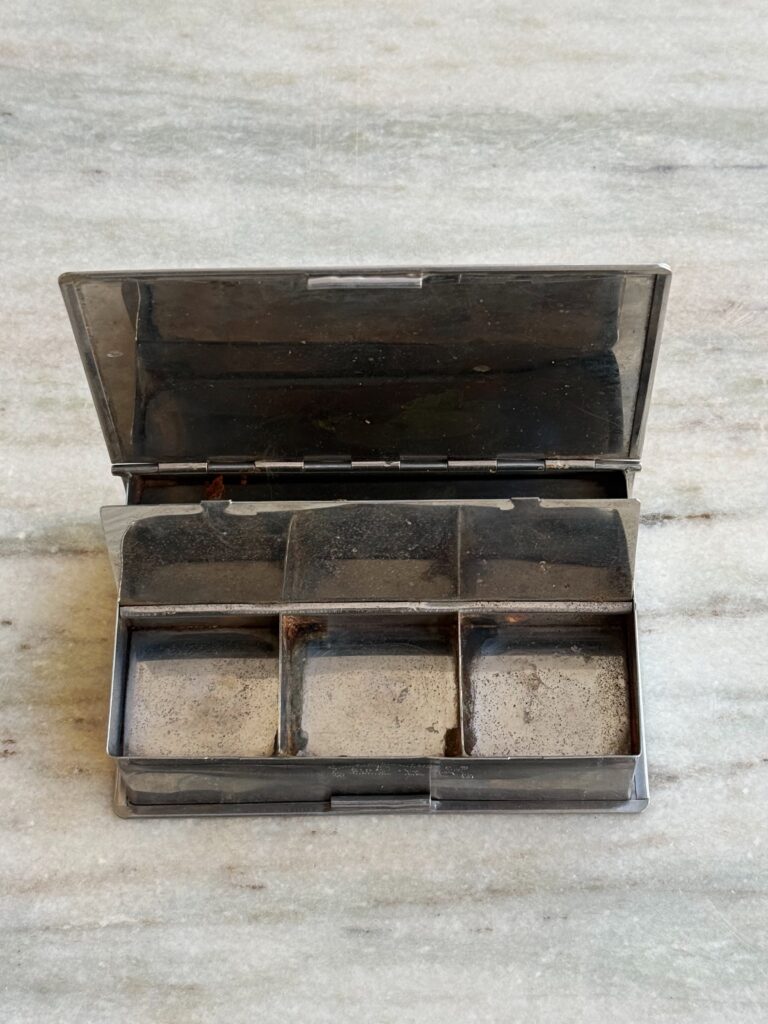
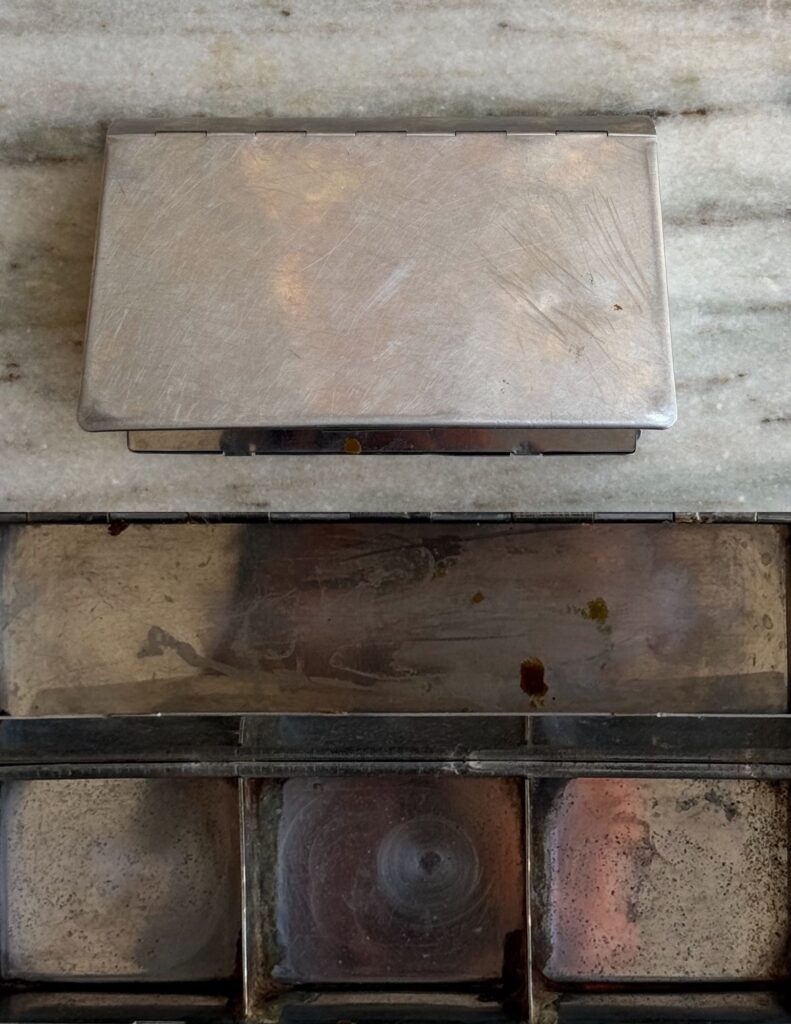
The object became a way of entering a history I could never directly remember. At the same time, it reminded me that those scenes now existed only because someone could still tell me about them. The people may have disappeared, the conversations may have ended, but what remained were these fragments. Sometimes an object is all that’s left to carry an entire ecosystem.
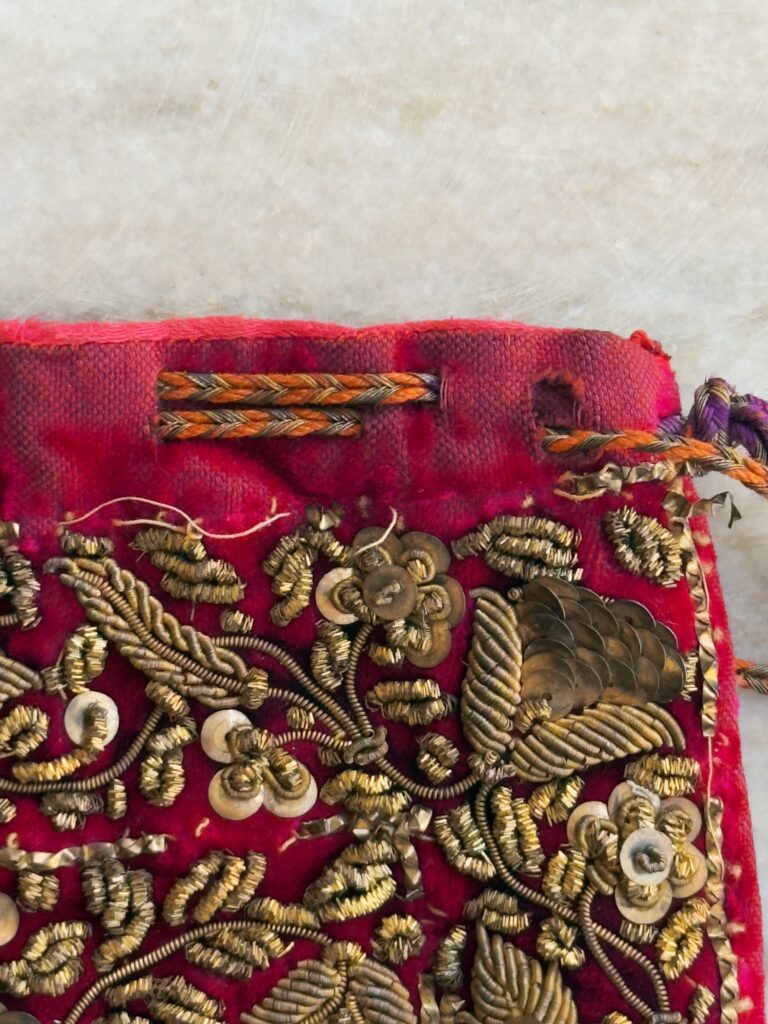
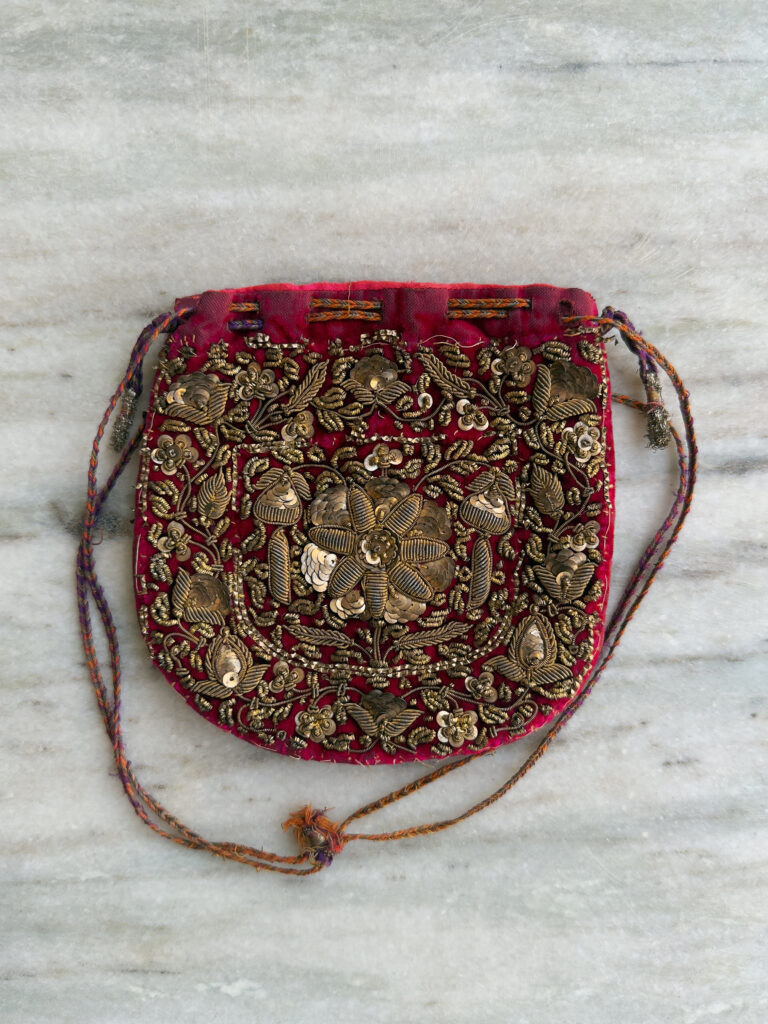
While I helped her clean her almirah, she reached into the back corner and carefully unfolded a cloth bundle. Inside was an intricately embroidered tiny bag that would fit my palm end to end, a dark pink piece with zari work, all done with silver and by hand. It was unlike anything I had ever seen. I remember holding it and thinking about the hours of labour it must have taken to make.
“Nani,” I asked, “is this yours?”
She nodded. “Yes.” Then, after a pause, she smiled. “I think it’s yours now.”
She told me it belonged to her mother. It had later been kept aside for my own mother, but she was never able to give it to her.
“Kitna purana hai?” I asked, “How old is it?”
She laughed softly. “100 saal se toh upar hi ho gaya, ladi.” More than a hundred years.
My mother never inherited the bag. She had married outside our caste, a decision that unsettled certain expectations within the family. No one ever explicitly described the bag being withheld as punishment, but silence has its own language. Objects often carry social structures long after the conversations around them have ended. Years later, my great-grandmother chose to give it to me instead. I’ve often wondered whether that gesture says less about inheritance than it does about forgiveness, change, and the passage of time. The freedoms I experience today feel inseparable from the tensions my mother lived through. Somehow, this embroidered bag came to embody both.
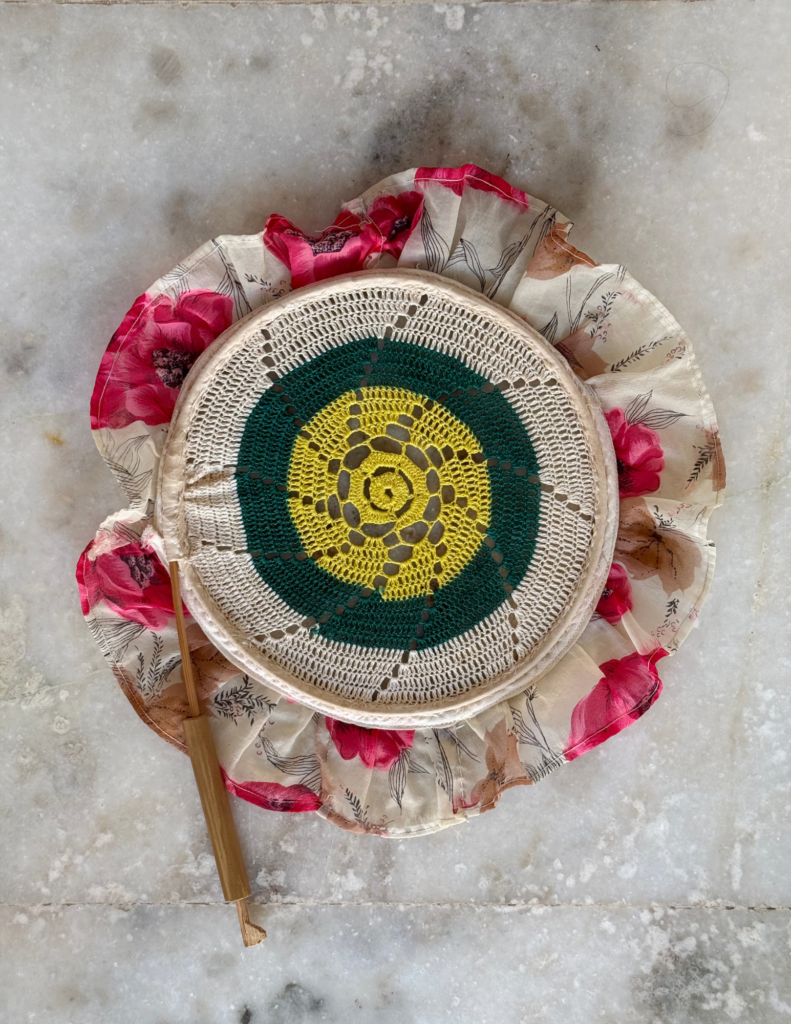
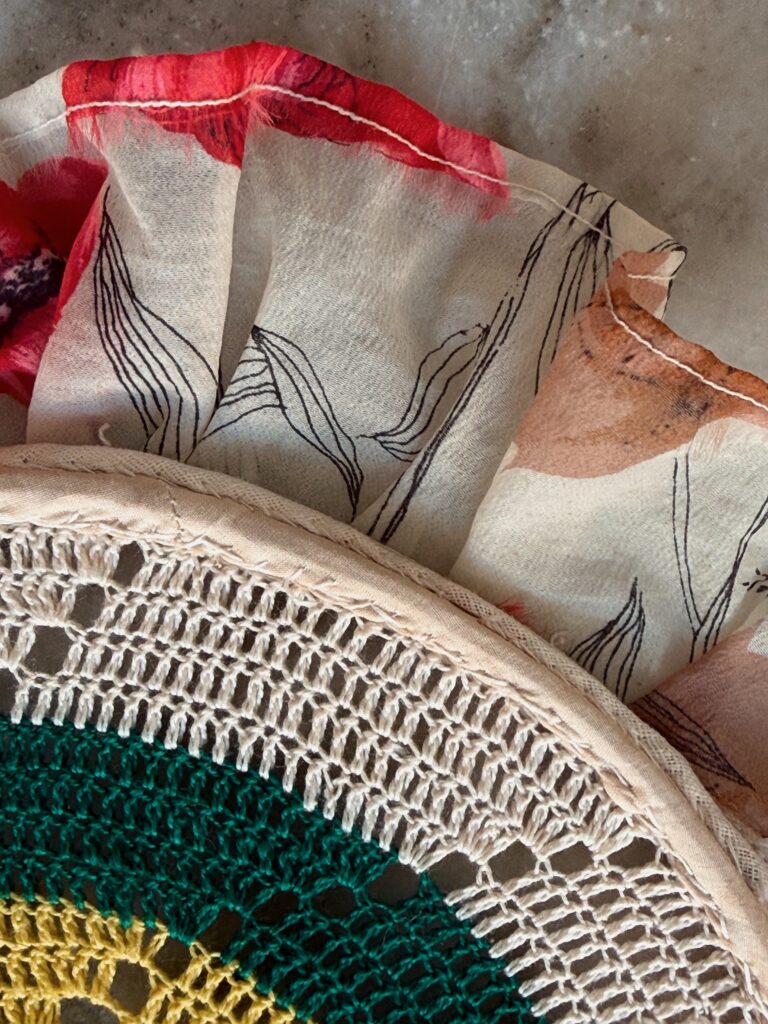
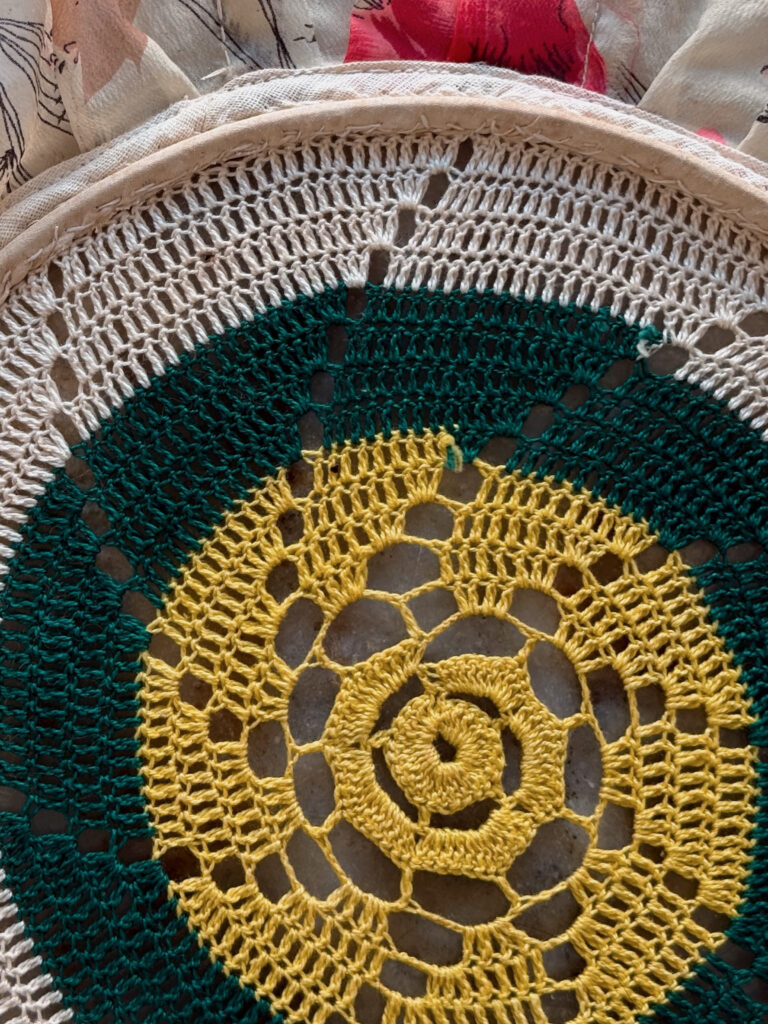
On another impossibly hot afternoon, she pulled out a hand fan she had made decades earlier, handing it to me casually. I held it as though someone had handed me an award. Crocheted by hand and bordered with delicate floral fabric, it transformed an everyday necessity into something unexpectedly beautiful. What fascinated me wasn’t only the craftsmanship, but the impulse behind it. She had devoted hours of patient work to an object whose only purpose was to make summer slightly more bearable. It reminded me that beauty once existed comfortably inside utility. Domestic labour wasn’t always separated from creativity, for the fan carried both.
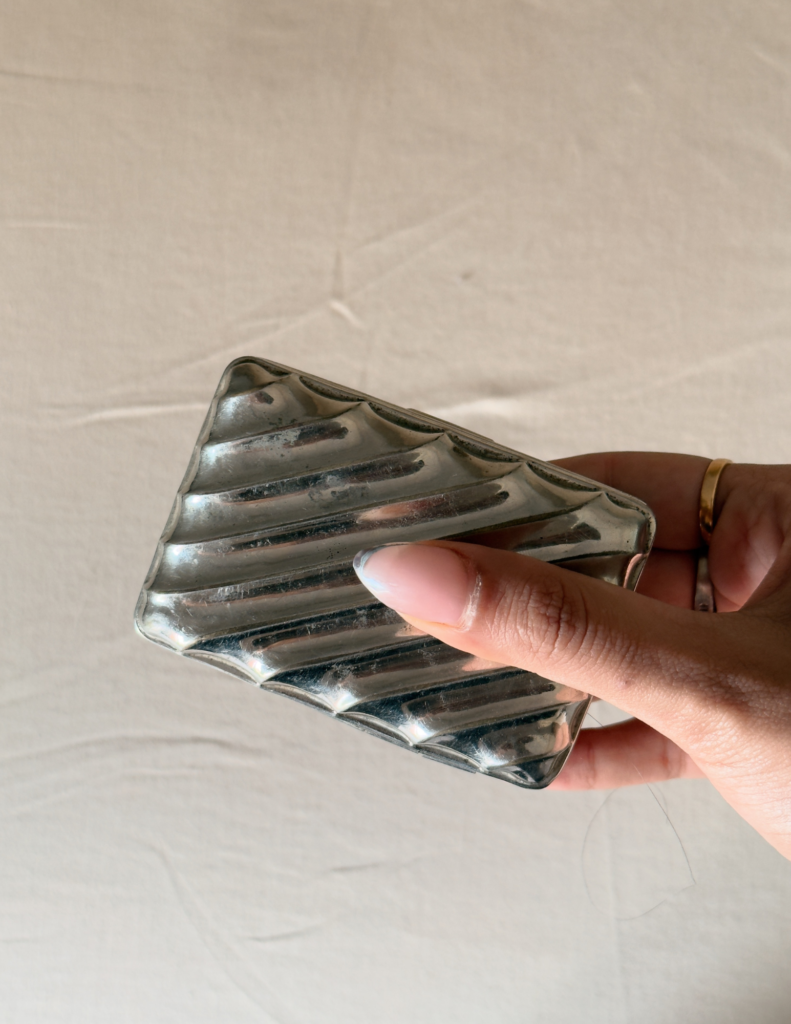
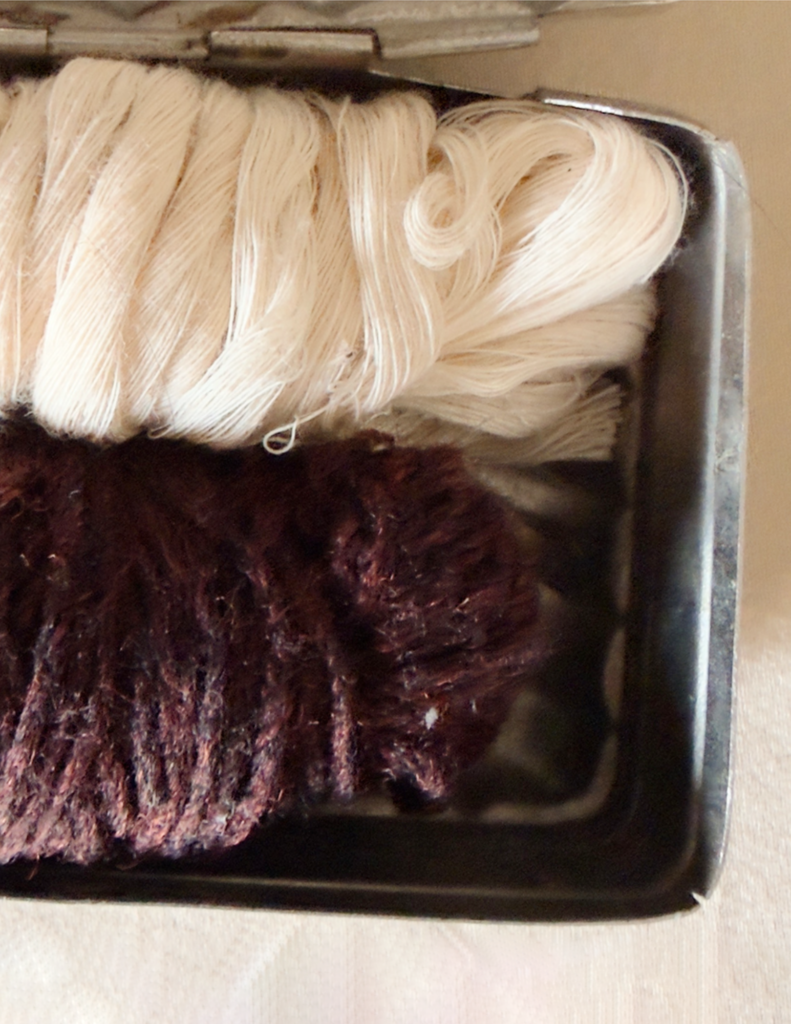
That afternoon eventually led us to her sewing box. She told me it had been given to her by her mother-in-law because it was small enough to travel with. When I asked whether I could keep it, she handed it over without hesitation. To her, it was simply a box for needles and thread. To me, it looked like a tiny handbag. Today I carry lip gloss, hair ties, and the small fragments of my own everyday life inside it. Its purpose has changed, but its intimacy hasn’t.
Rather than preserving it as an untouchable heirloom, I wanted it to continue to have a life. Sometimes I think inheritance isn’t about protecting objects from use. Perhaps it’s about allowing them to gather another lifetime of memories. By folding these objects into my own routines, I don’t feel as though I’m preserving the past. I feel as though I’m carrying it forward. Making it a part of my routine as they did. Perhaps that’s another way absence becomes presence.
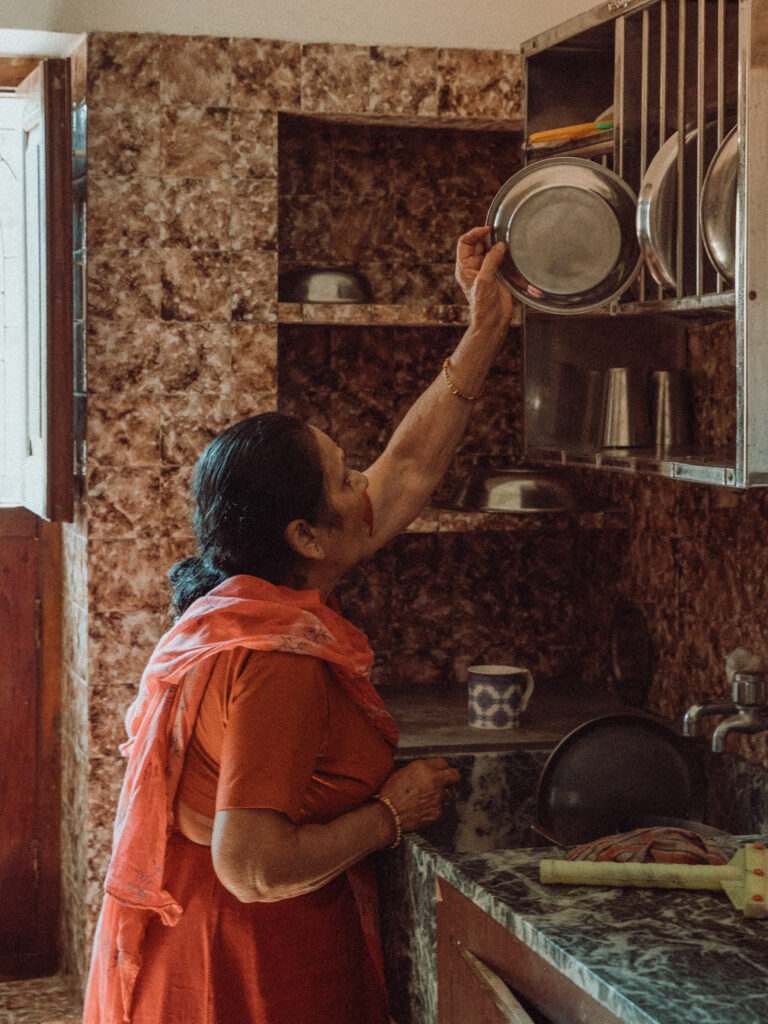
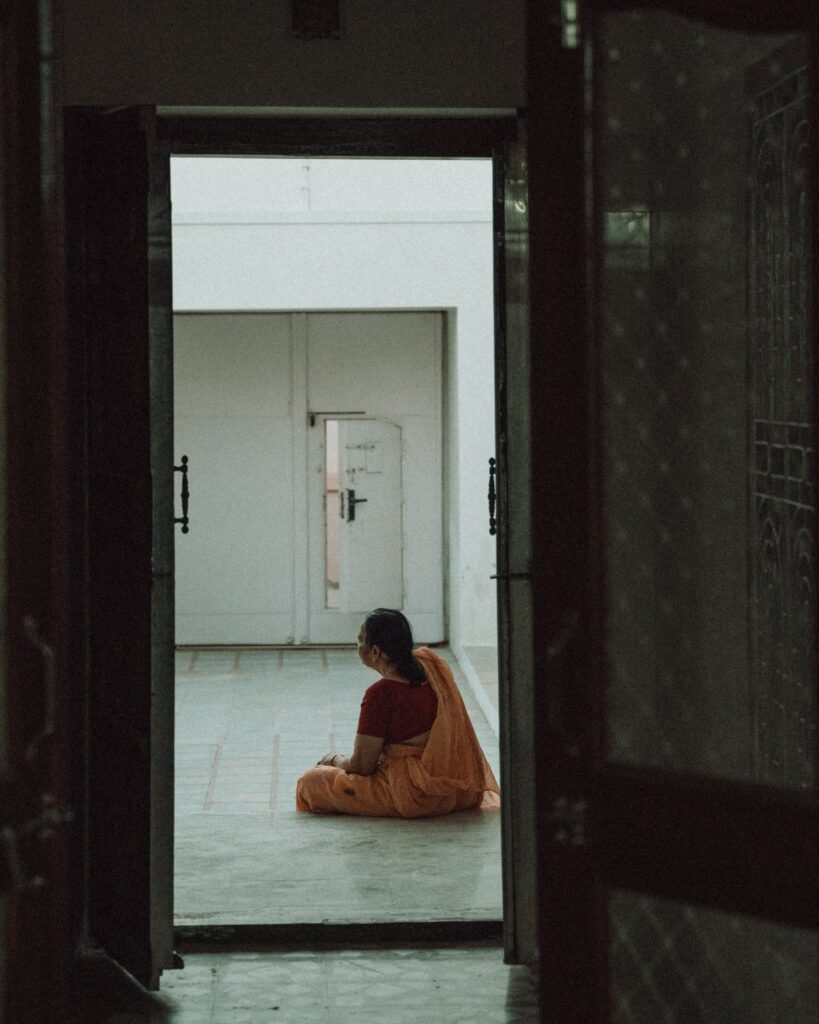
Time indeed is relative
Truly blessed to be able to live with our great-grandparents and share such a beautiful, special bond with them. ❤️ Their love, stories, blessings, and endless affection are treasures that we will cherish forever.
“Old is Gold” — and this generation is proving it beautifully! ✨❤️
Very well pained.beutifully written. Vridhi is versatile artist.photography also too good.each photograph had a story.all the best gunna.keep it up.love you .Sarla bhua nani
Such an interesting article, never thought such simple objects could play such an important role in taking forward the legacy and bridging loss.