
TEXT BY SUGANDHA DAS
PHOTOGRAPHS BY SUGANDHA DAS AND NAVARINO NARAH
Almora, Uttarakhand, India
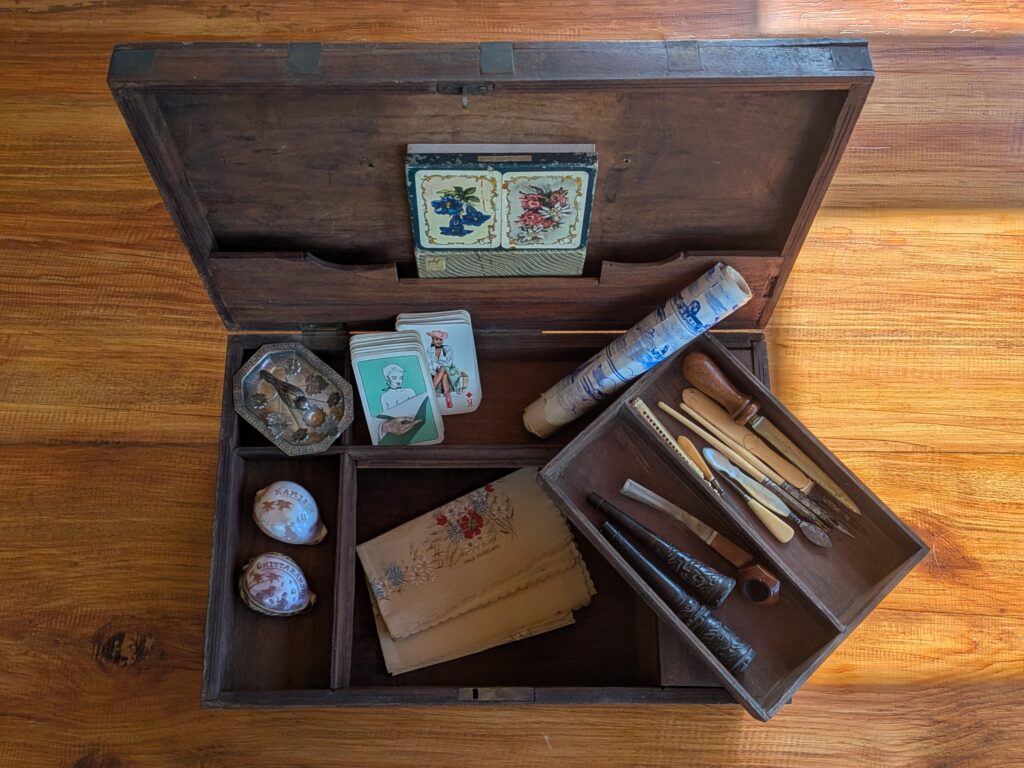
I have met my grandfather through his quirks and collectibles – books ranging from the theatre of the absurd to Rumi’s philosophical ruminations, little silver votives carved with exquisite care, sea shells with his and his wife’s names engraved on them, Dutch wall paper borders extending to 24 feet long, ebony wood chillums never used, and playing cards printed with astounding clarity.
My entire childhood was spent finding little treasures all over the house, and invariably, when asked, I was told they belonged to my grandfather. CR Das was born in the 1930s, to a family of timber merchants in Muzaffarnagar. I imagine it was a childhood of opulence, since silver asharfis were distributed in town at his birth. The story of his given name is what marks the foundation of our family of baniyas breaking away from the mould – my great grandfather Mitthan Lal Vaish was so involved in the Indian Freedom Struggle and particularly in awe of Chittaranjan Das, that he named his first-born son after him. Chittranjan Das, popularly called Deshbandhu, was a Bengali freedom fighter, political activist and lawyer during the Indian Independence Movement and mentor to Subhas Chandra Bose.
Apparently, the family gave away most of their material wealth to the cause of the freedom struggle. My grandfather even wrote his first letter to his wife, a year or so into their wedding, on 14 August 1947, the eve of Indian independence, congratulating her. Despite his contributions, he still had enough money to move to Bombay on a whim, to produce and direct a film. Being a shaukeen mijaaz man, he wore immaculately tailored suits and lived at the Taj Hotel from 1950-1952.
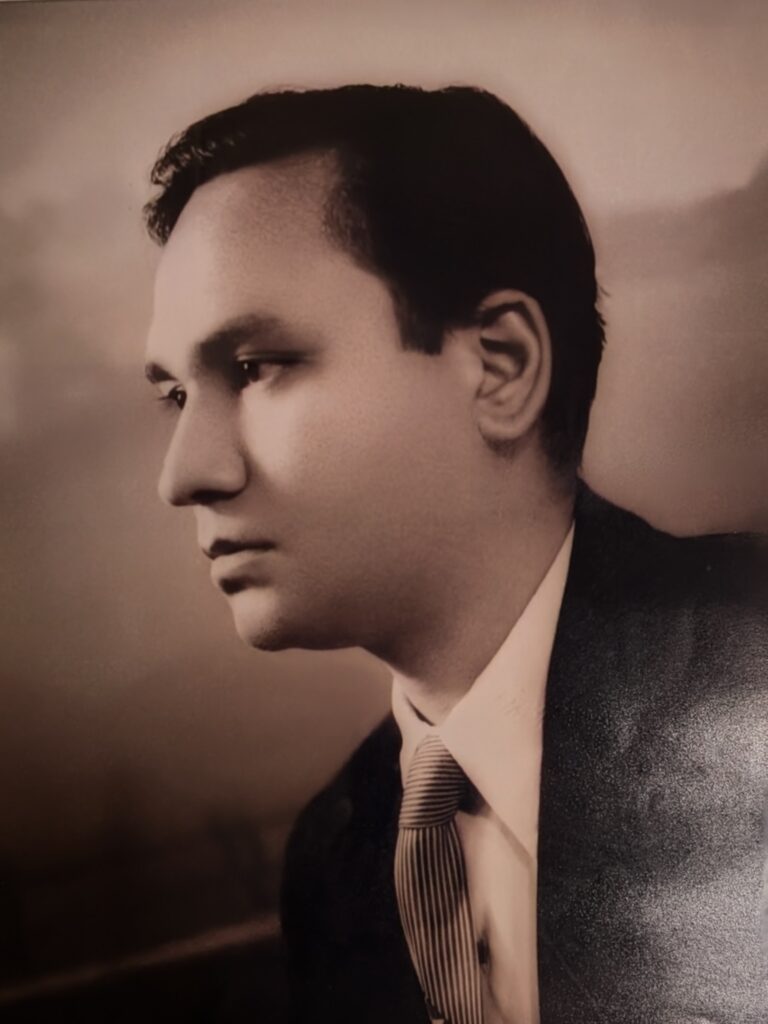
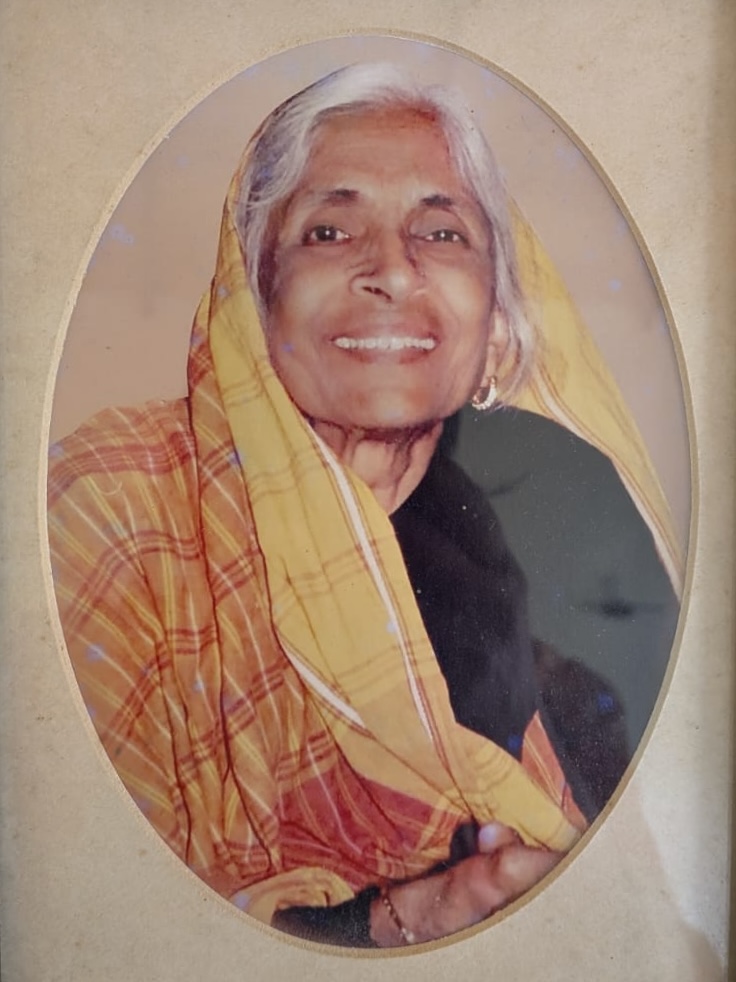
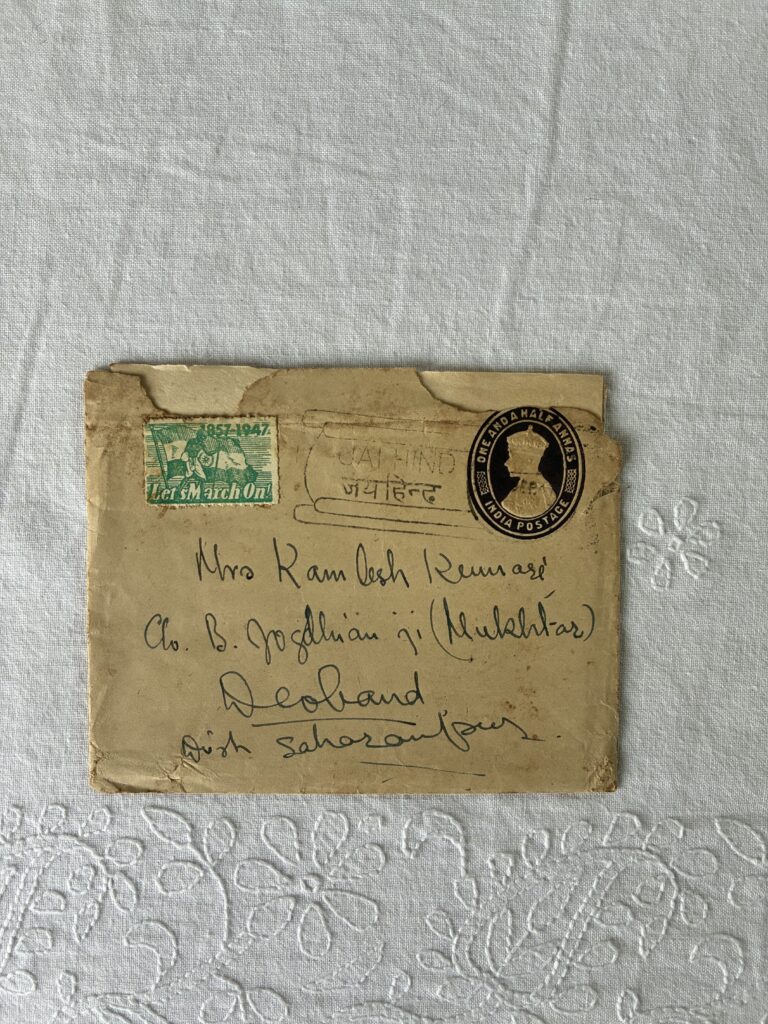
My grandmother, Kamlesh Kumari, however, refused to move to Bombay, even after their daughter was born because she preferred the large garden and backyard of her Lucknow home to the flats of Bombay. My grandfather had promised her a car but she wanted her child to be able to run around in large spaces rather than shuttle her around in a car, and so she famously told him, “aap apni film bana ke waapis aaiye. Hum Lucknow mein hi rahenge”.
My grandmother was from Deoband, the daughter of a lawyer and my grandfather was from Muzaffarnagar. Since both did not like the patriarchy and old ways of their towns, they moved to Lucknow – a city known for its secularism and culture. This is where my aunt, my father, my uncle and I were born. This is the city where they all continue to live, except for me; I made my move to a little Himalayan hamlet in 2012.
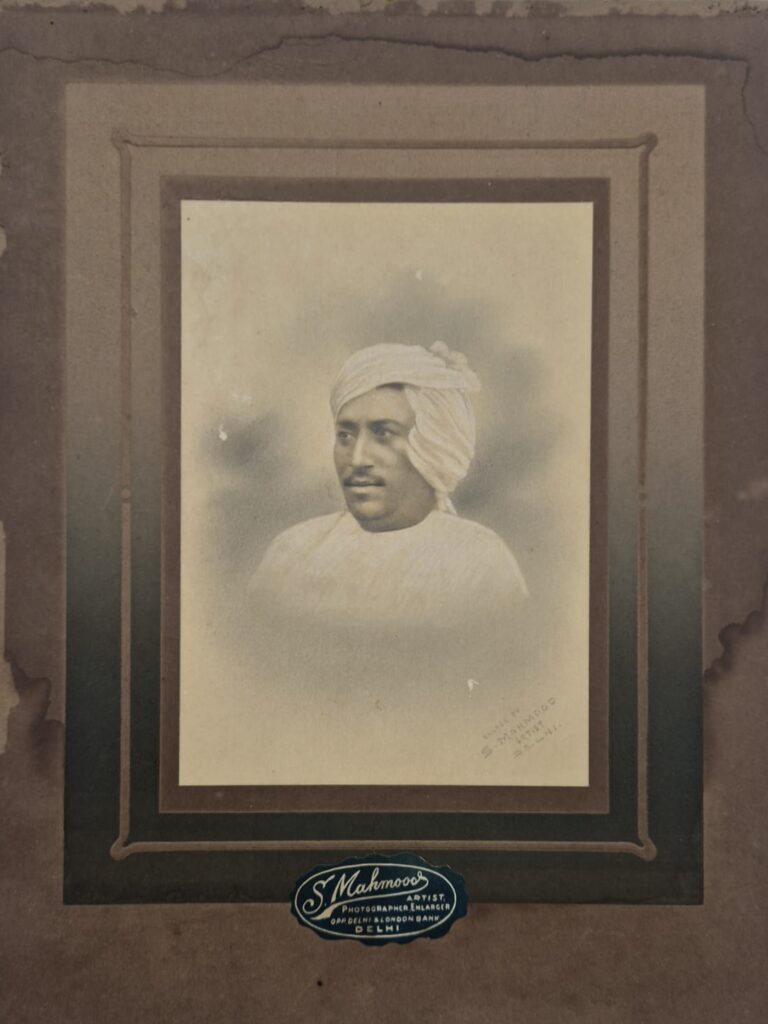
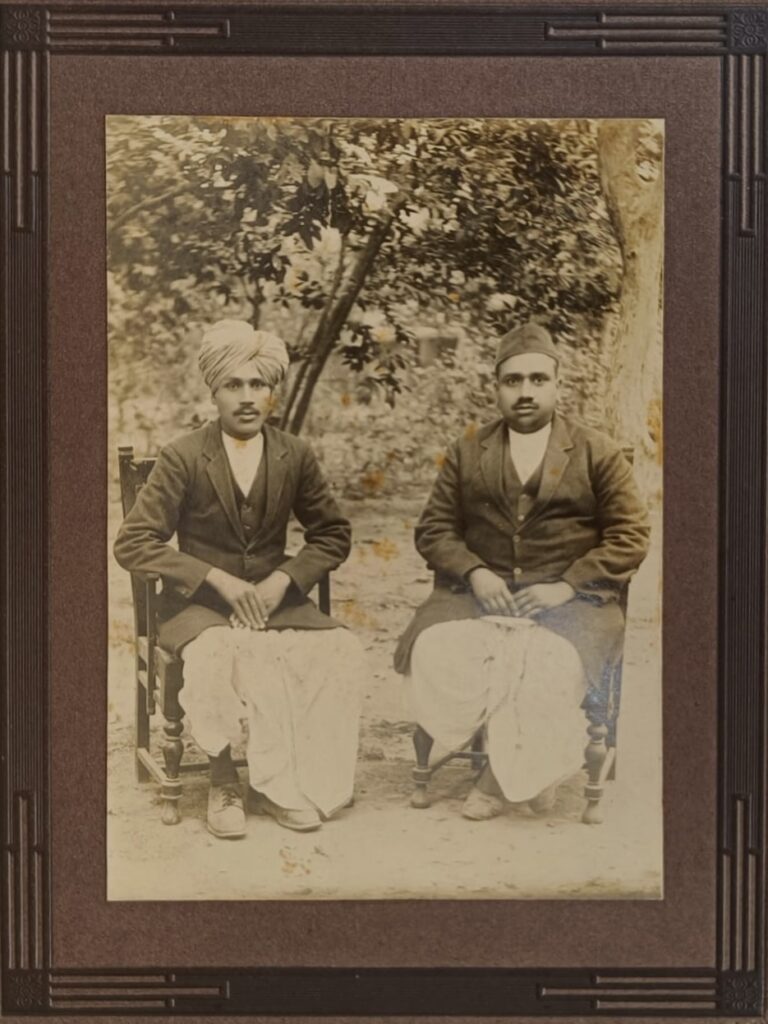
I have always found my grandfather’s fondness of quirky things at odds with his inherent philosophy and ideals. He was vocal about social change, communism and rejecting redundant or sexist social mores, yet he also enjoyed the remnants of a rich life, as seen in the curiosities he continued to collect, even when he lost all his wealth in Bombay. My great grandfather and great-great grandfather were also collectors, and yet, firm believers of socialism and equality. There is a photograph of my great-great grandfather Lala Chandan Lal (taken sometime in the early 1900s) and also one of my great-grandfather, Mitthan Lal Vaish with his best friend and namesake. These are from a time when photographs were a rare luxury.
In Bombay, my grandfather produced a film called Anaaj, based on the 1943 famine in Bengal. It was a leftist film directed by Harinath Chattopadhyay in 1948-49. The actress was Vanamala and playback singing by Geeta Dutt (neé Roy). The title song was “Ab nabh mein pataka nachat hai, laal hai uska rang”. This has been mentioned in Balraj Sahni’s autobiography, Meri Filmi Aatmakatha. Unfortunately, my grandfather lost all his wealth because the Censor Board (for its direct and harsh critique of British rule) did not pass the film, and he came back to Lucknow in 1952, with 10 rupees in his pocket. After he lost his money, he wrote the script for a Sandeep Kumar movie called Charitraheen but sadly, he had to ghostwrite it and sell the script without acknowledgement.
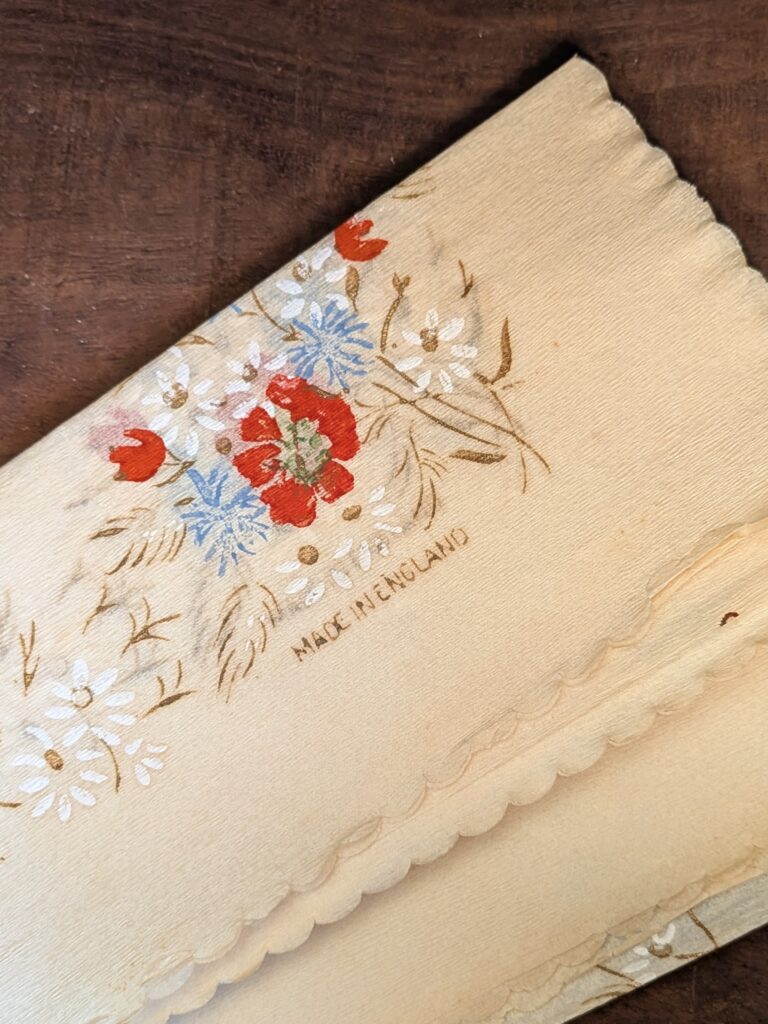
Despite these setbacks, he carried home a little memory of his time at the Taj Hotel – a set of scalloped-edge tissue papers hand-painted with the text, ‘A Harley Product’ on one corner and ‘Made in England’ on another, that would have probably accompanied his meals or placed in his room, now in my possession.
Once back in Lucknow, my grandfather became an LIC agent to make ends meet, and pursued his passion for acting and story-telling by directing hundreds of plays and nukkad nataks – my father acted in several of these. When my father told him that he wanted to become a freelance photographer, CR Das did not flinch. This was the mid 1970s, when photography was barely a paying vocation, but he encouraged his son to pursue what his heart desired. My uncle, his younger son, went on to become an investigative journalist and the brothers together opened their leftist bookstore Dastavez Prakashan in 1996, in Lucknow. I think this defiant pursuit of passion is genetic – I too quit corporate offers to build a simpler, softer life in the Himalayas.
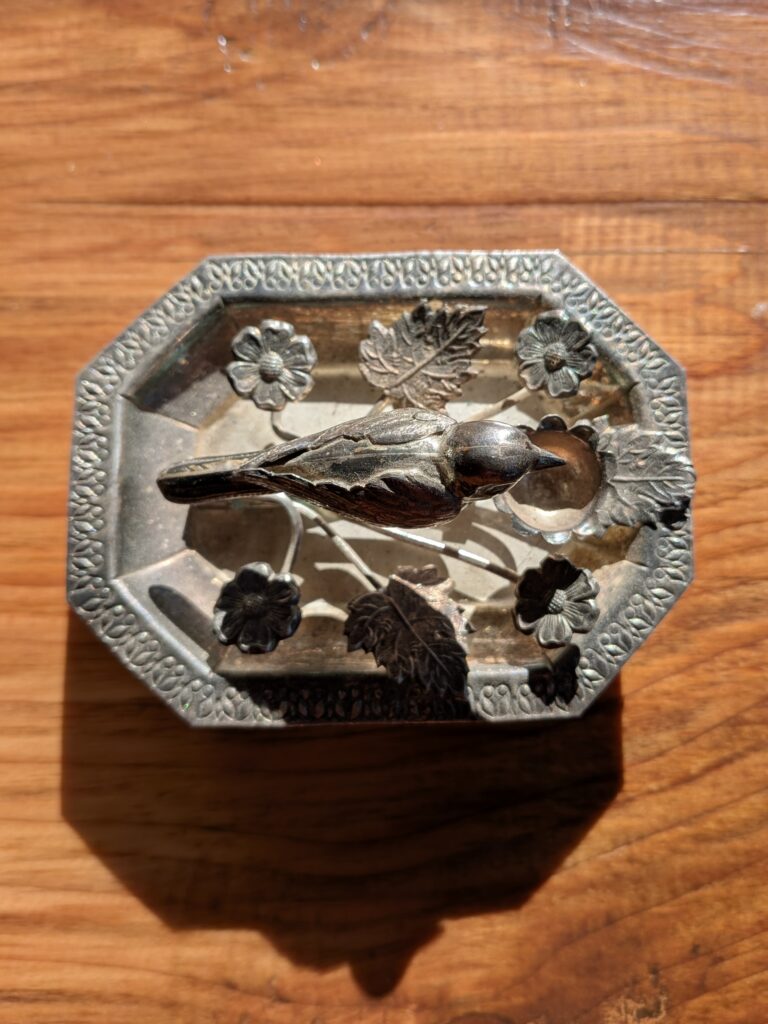
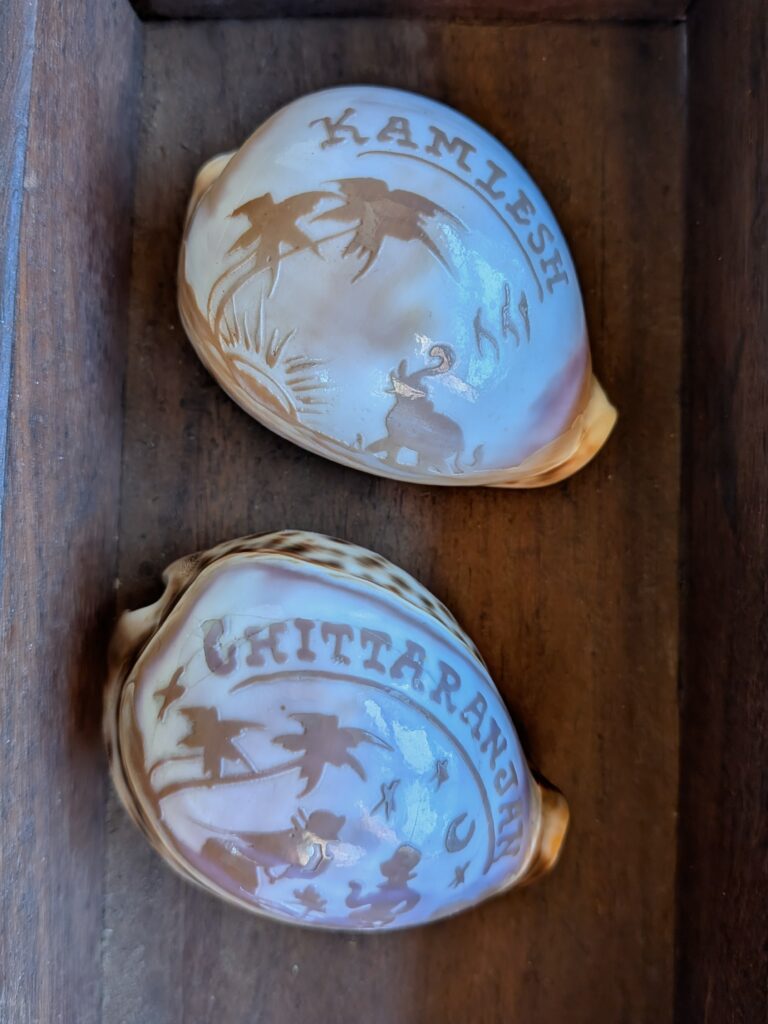
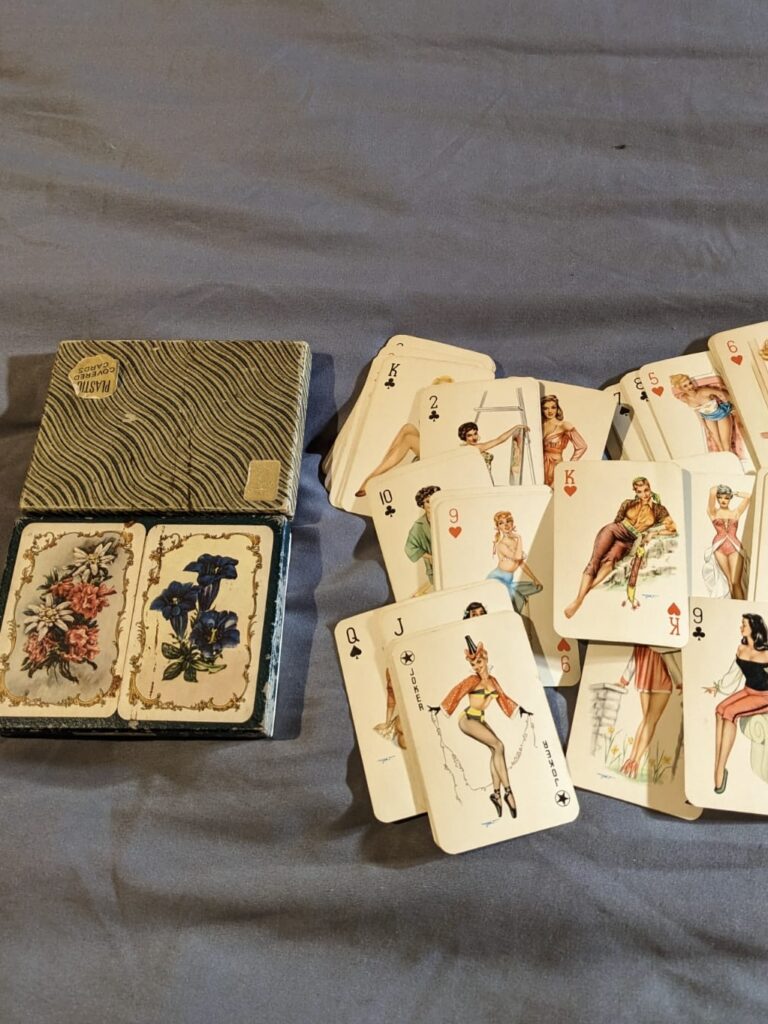
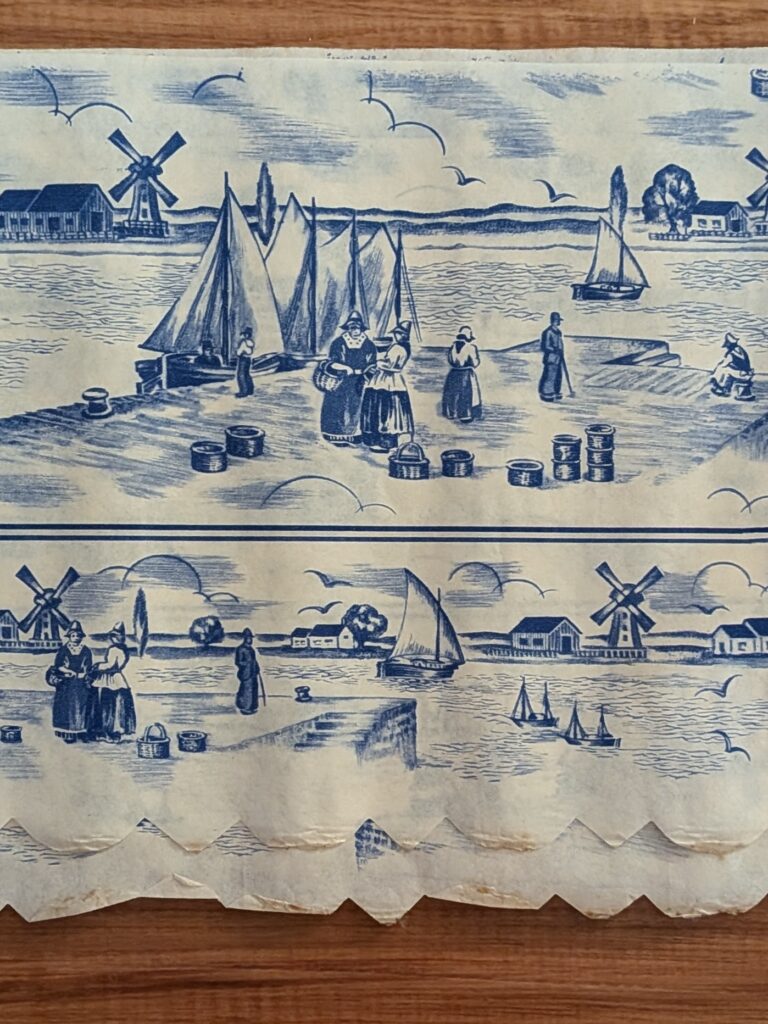
Lately, I have begun to look at my grandfather’s treasures more closely. I never met the man; he died in the early 1980s, much before I was born. But I see him in the things I have inherited. I often wonder about who he was as a human being, a husband, a father, what he might have been like as a grandfather. Why did he collect these odd, often unusual items? What memories did he associate to them; did they mark a certain event? What stories would he have told me about them? Since I built my home in the Himalayas in 2025, I have had the time to finally pause and feel the things that my grandfather left behind.
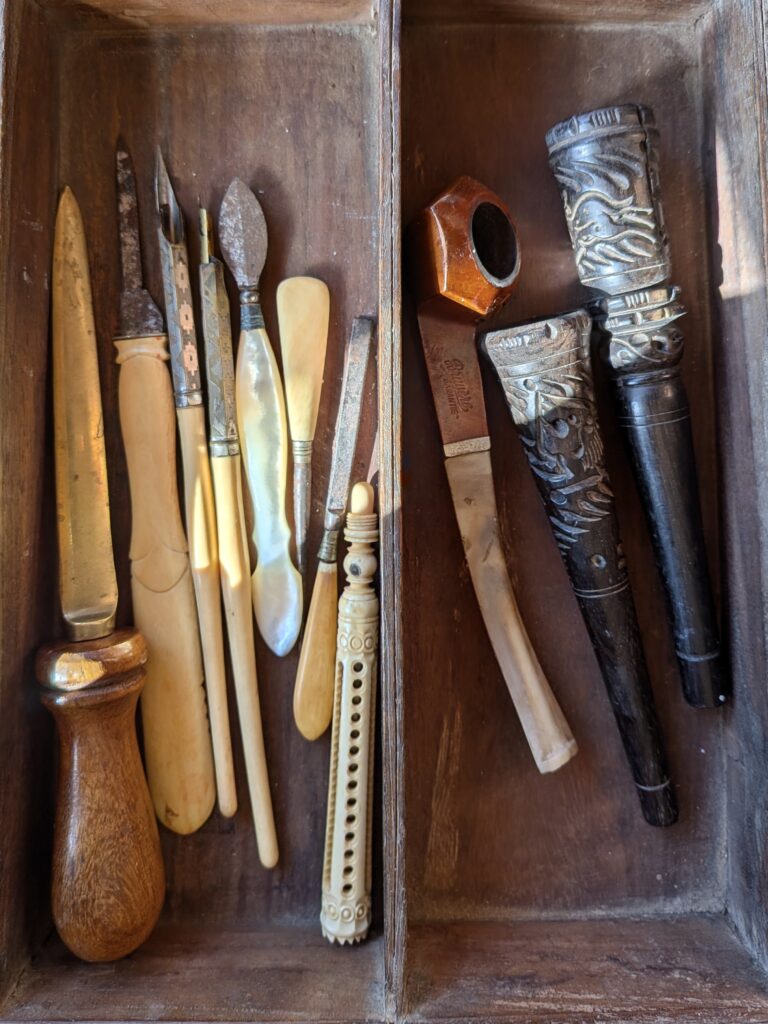
The Dutch wallpaper from 1951 that he bought in Bombay. It unfurls to over 24 feet and I wonder, with a smile, what I am to do with it. A set of Austrian playing cards from the 1940s—with very Playboy-esque prints on them—kept in the same box they came in. Although, I haven’t dared play a game of Rummy with them yet, I do smile at their cheekiness. There is a set of ebony chillums, engraved and never used (I hope)! They sit in an old wooden box, alongside a wood and ivory smoking pipe. Since no one smokes anymore in the family, sometimes I open the box just to look at them, imploring them to tell me some stories.
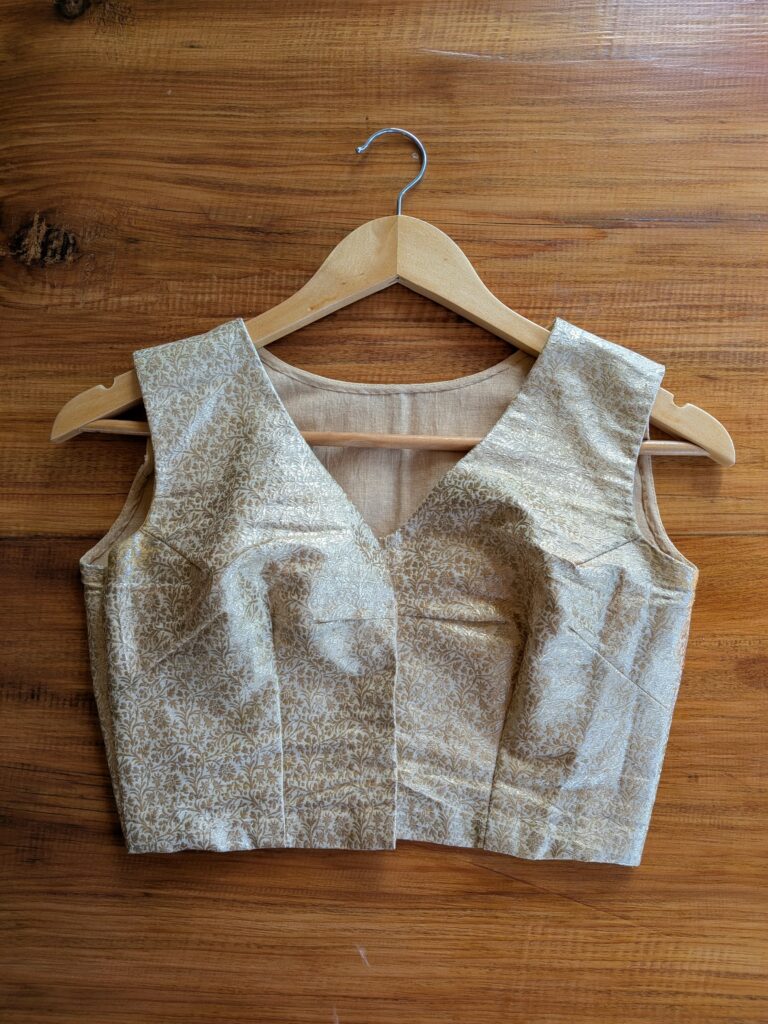
I also often wonder about my grandparents’ wedding, which happened sometime in 1945/1946. Was it a simple affair, or done with fanfare? I have inherited, amidst all the other memorabilia, a gold brocade blouse that my grandmother wore at the wedding, then my aunt wore at hers, and I wore at mine. Although it has begun to fray, it is my most cherished inheritance—from the women of the family.
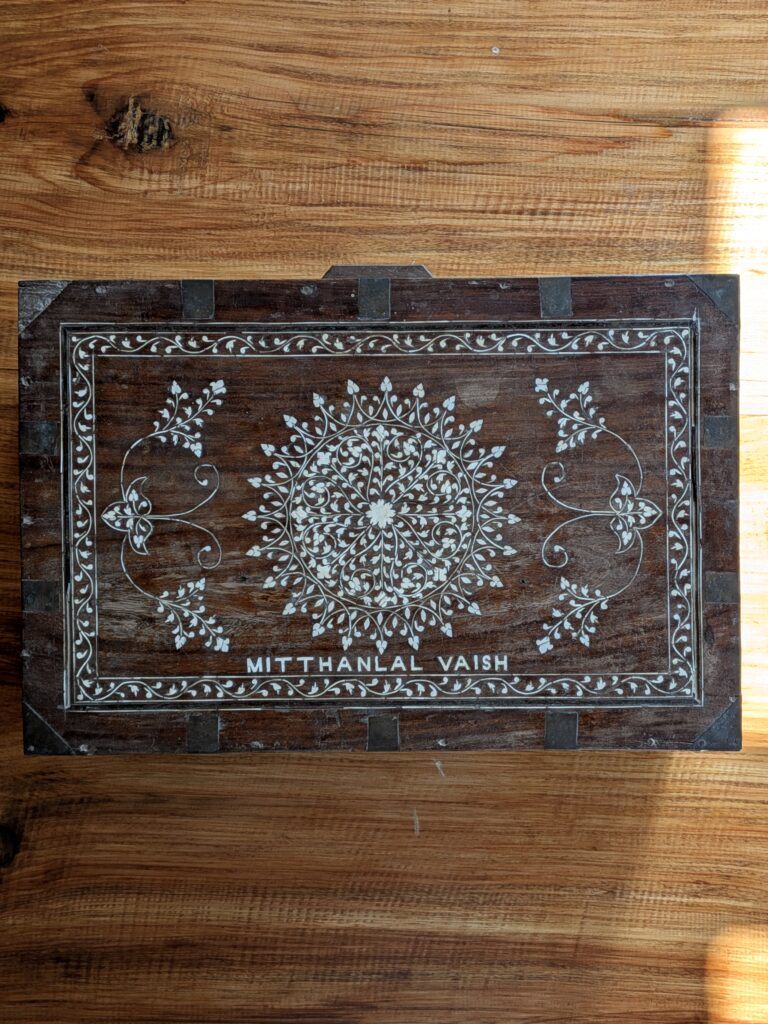
Most of my grandfather’s idiosyncratic collections are stored in an ancient wooden chest with ivory inlay, which bears my great-grandfather’s name, Mitthan Lal Vaish. The chest is made of teak, and has brass cleats for reinforcement. The ivory has now yellowed and the teak looks old and worn out. It was, at the time, a businessman’s briefcase and I imagine my great grandfather must have kept cash, letters and documents in the chest. Inside it, I also found ivory fountain pens and letter openers.
The story I have heard about this grand little chest is that my great-grandfather had a namesake, who was a dear friend and the father of the famed Dr Tarachand of Lucknow. Two identical chests were made for these two friends and whilst I have the one belonging to my great-grandfather, I wonder what happened to the other? Unfortunately, I have not been able to trace the friend’s lineage but I hope that someday, I find it and complete these half-known stories of times begone.
In the meanwhile, I continue to reminisce and imagine about CR Das and his curiosities. And as this history unravels, I find out more about his father and his grandfather too. But what seems at odds with my family’s history is its silence on the women. There is no information or stories about the women that came before my grandmother, apart from little tales about their obesity, fondness for cooking and embroidery, and unwavering support for their men. Surely there was more to the richness of their inner lives than just this.
Since I have spent significant time with my grandmother, a lanky, simple woman with a fondness for Premchand, Agyay and cotton handloom, I wonder even more about my grandfather. The two seem so much at odds in my head—she preferred minimalism, practicality and had a slightly anxious demeanour. He, on the other hand, seems so ahead of his times, a risk-taker, a connoisseur. Often, I think myself to be a mix of the two! And while the histories of my paternal and maternal sides collide within me, I find myself drawn to the man I never met— the extraordinary Chittaranjan Das.
Beautifully written. What stories these objects tell. Thank you for sharing.
I’m so moved and inspired by your grandfather. Thank you for bringing such personal insight to his story. As you say, it would be very good to know about the women.