
TEXT AND PHOTOGRAPHS BY PARTH LEKHI
New Delhi, India
I am the fourth generation living in Delhi, but originally the family hails from Ludhiana. It was my great-grandfather, R.L Lekhi who first set foot in Delhi. He was educated in Ludhiana and then went to Mayo College, Lahore, now known as National College of Arts, to pursue a degree in the Fine Arts. It was a premier institute to study even in those days and can be compared to J.J School of Arts in India today. The very first Principal there was John Lockwood Kipling, the father of renowned author Rudyard Kipling. India’s greatest freedom fighter Bhagat Singh has also been a student at Mayo College.
R.L Lekhi must have received great exposure during his time there, as he was sent as an art student for the British Empire Exhibition in 1924. A colonial exhibition, its official aims were “to stimulate trade, strengthen bonds that bind mother Country to her Sister States and Daughters, to bring into closer contact the one with each other, to enable all who owe allegiance to the British flag to meet on common ground and learn to know each other.[1]”
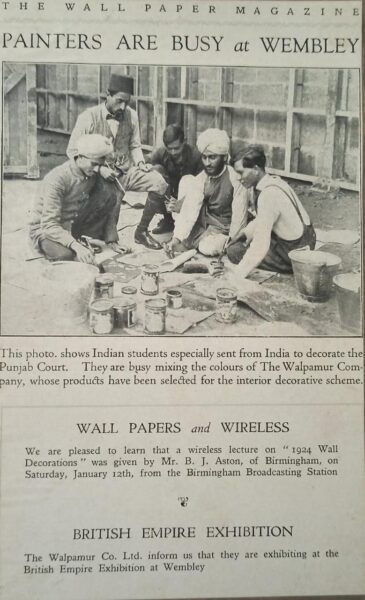
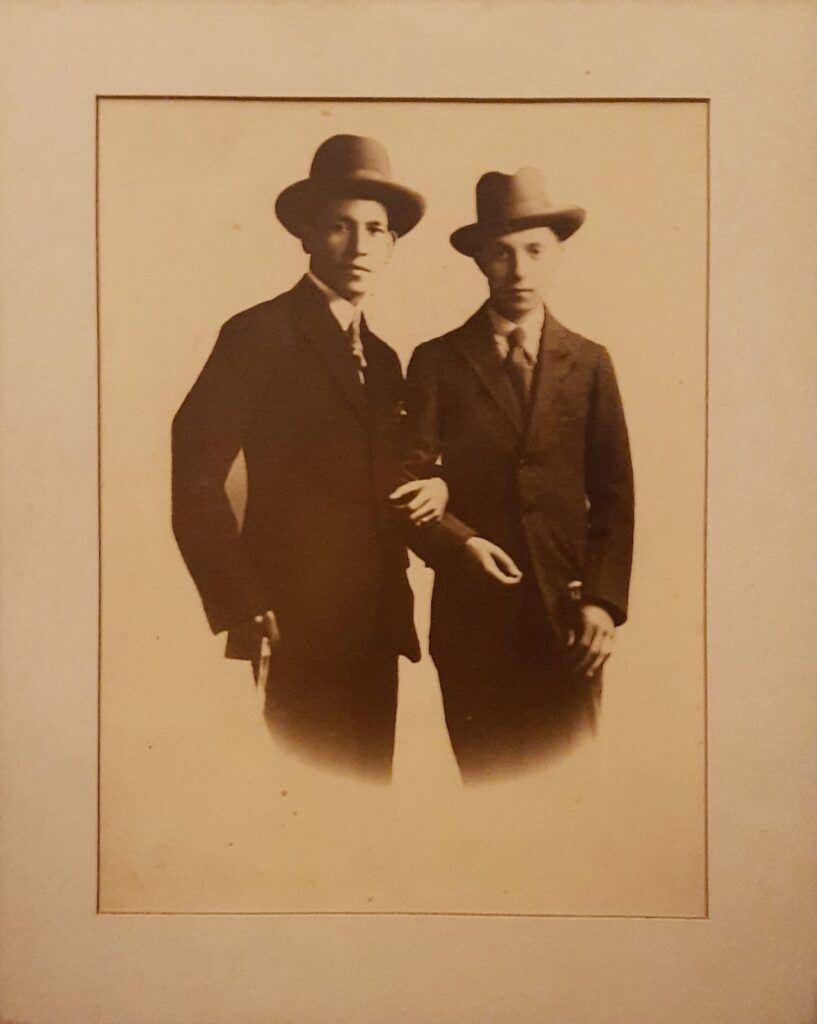
Mammoth pavilions from colonised nations like India, Burma, Nigeria were nestled in picturesque gardens and “in the course of an evening stroll, visitors could ‘travel’ far and wide across imperial colonies and dominions, from Hong Kong to Canada.[2]” The venue of the sprawling exhibition later became Wembley Stadium. In a rare surviving photograph, my great-grandfather can be seen with a group of student sent by India to Wembley to work on the ‘Punjab court of the Indian Pavilion’.
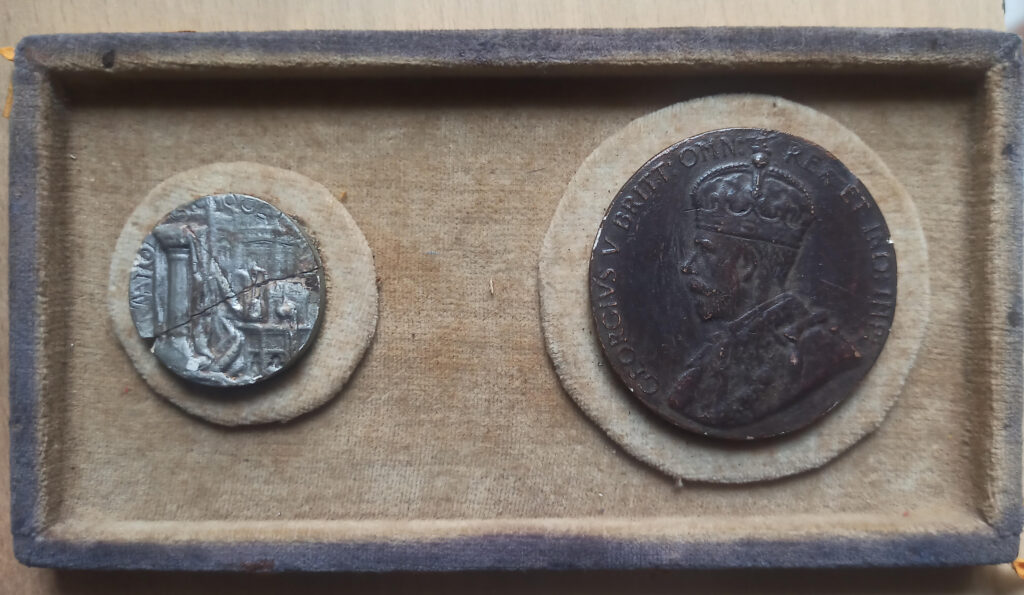
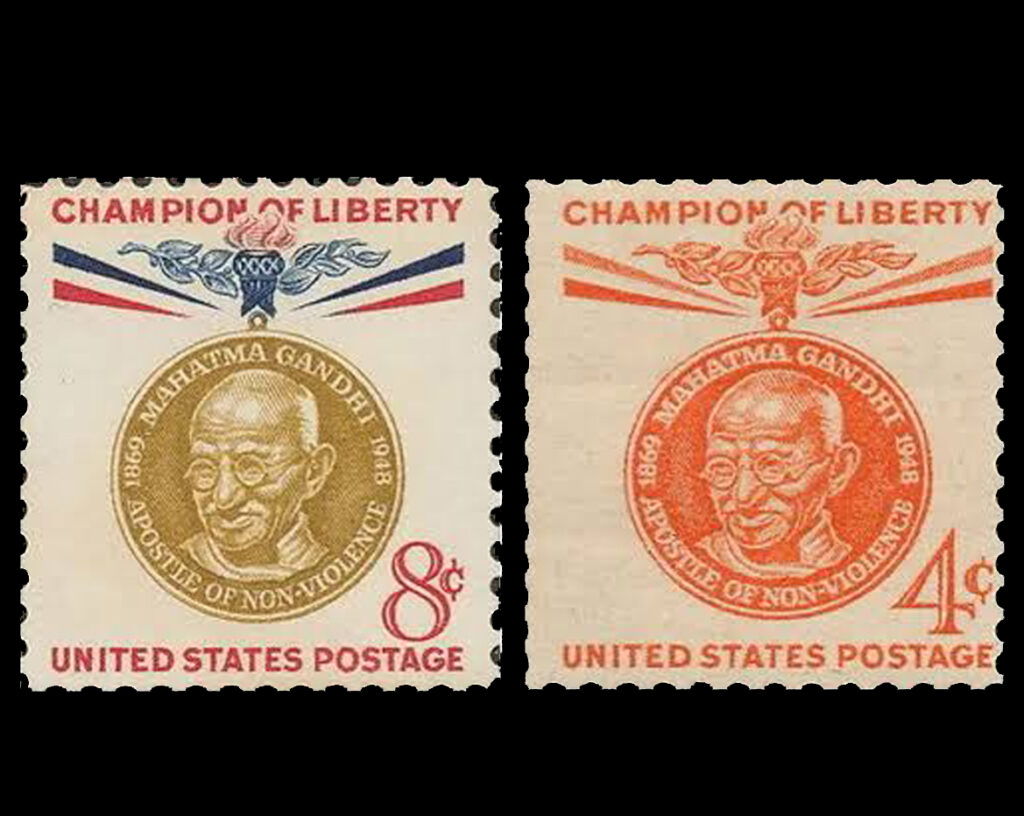
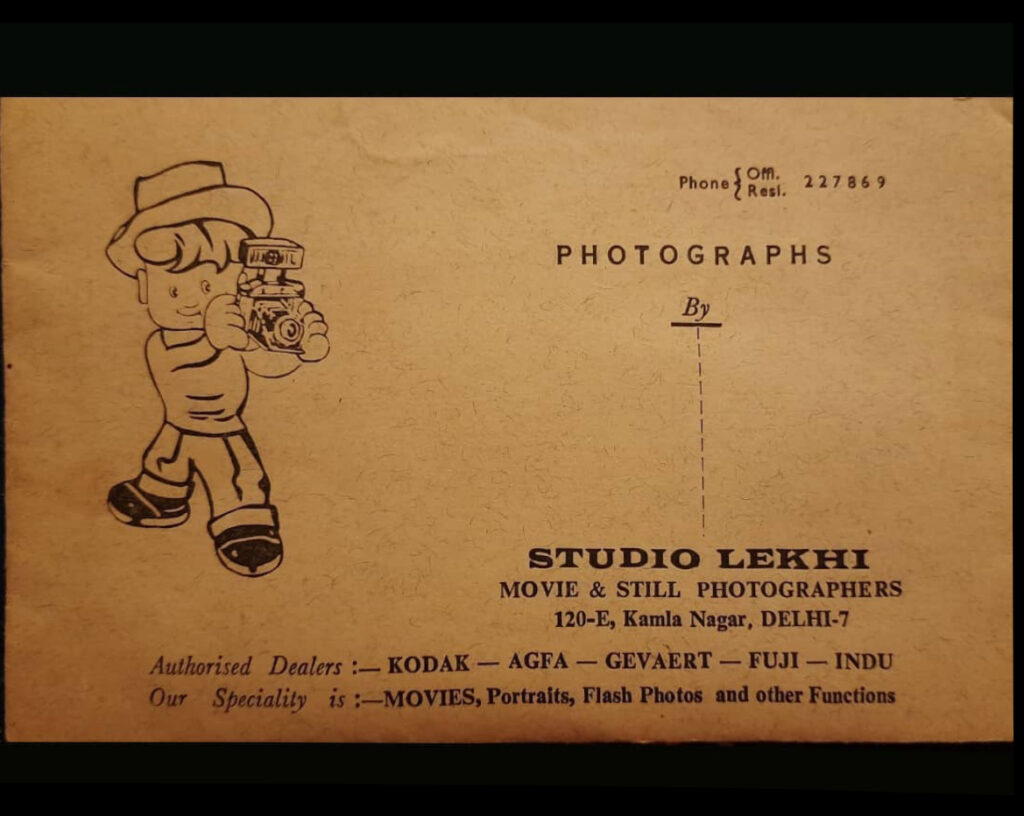
Soon after graduating from Mayo College, R.L Lekhi landed his first job and worked as the Chief Photographer for Indian Railways. He was appointed by Lord Mountbatten and later started working for Press Information Bureau, eventually becoming a gazetted officer. Meanwhile, he was the official photographer to Jawaharlal Nehru and Sardar Patel. He won a gold medal for his portrait of King George V[3] and also has a U.S stamp based on his sketch of Mahatma Gandhi to his credit. Upon retirement, he founded the Lekhi Studio in Kamla Nagar, Delhi in the 1950s which was the only studio in the entire neighbourhood at the time.
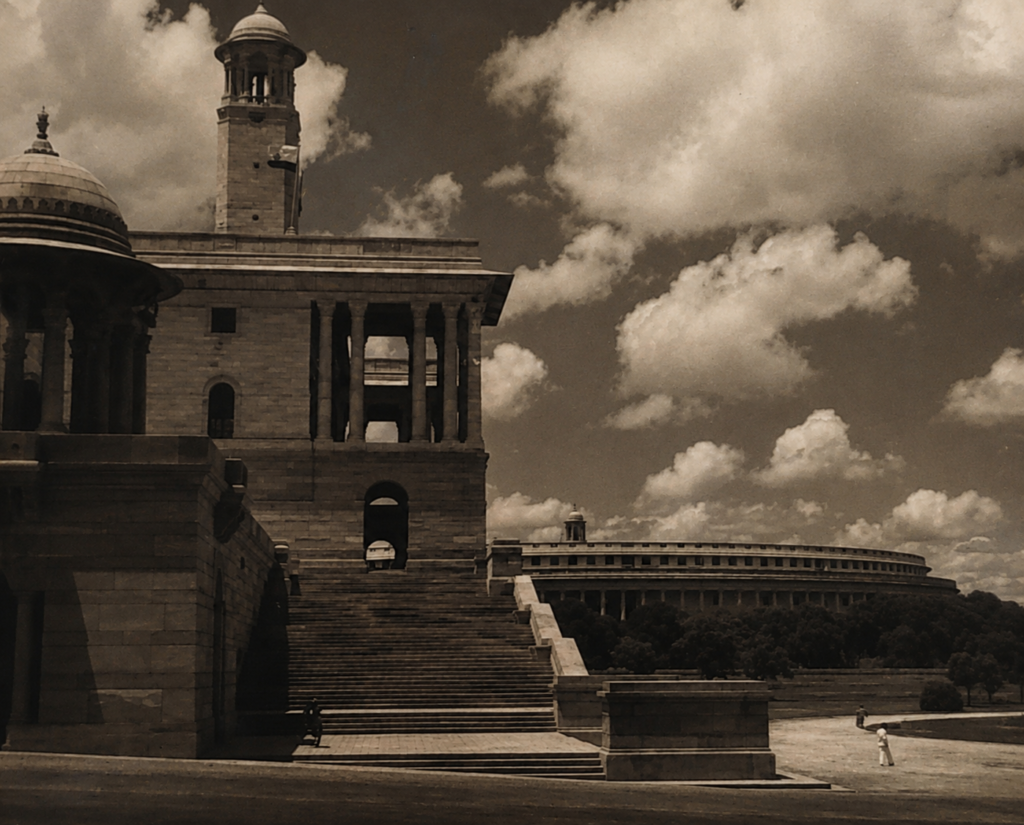
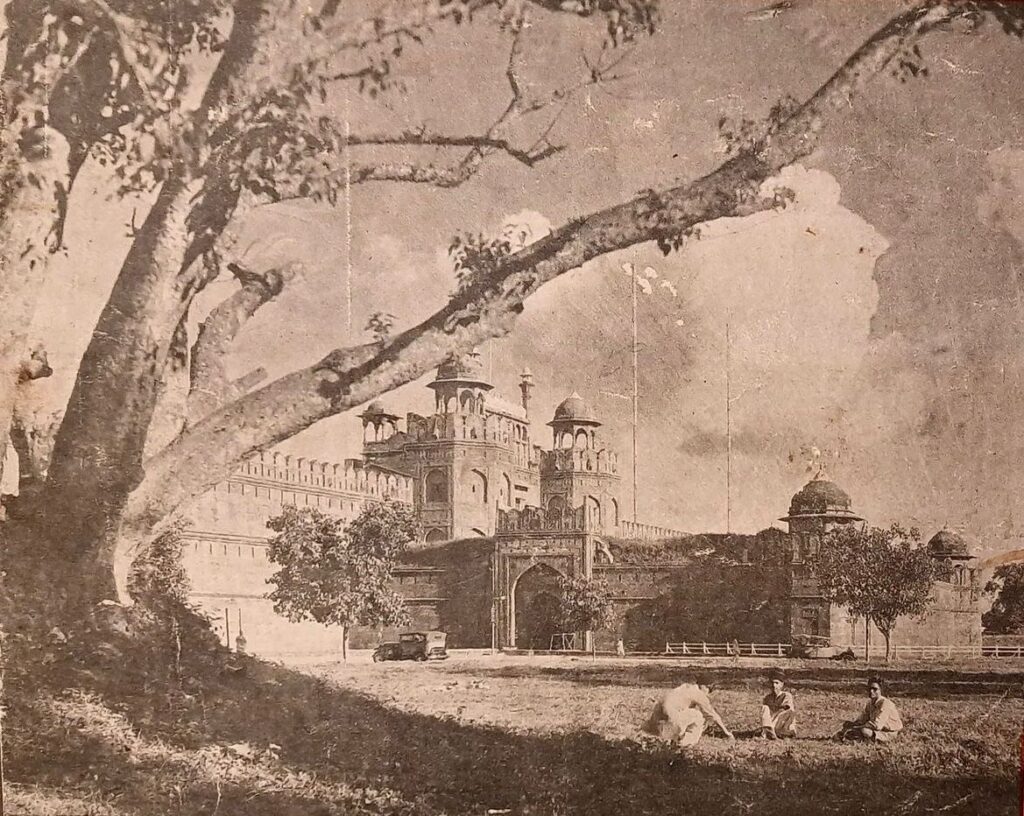
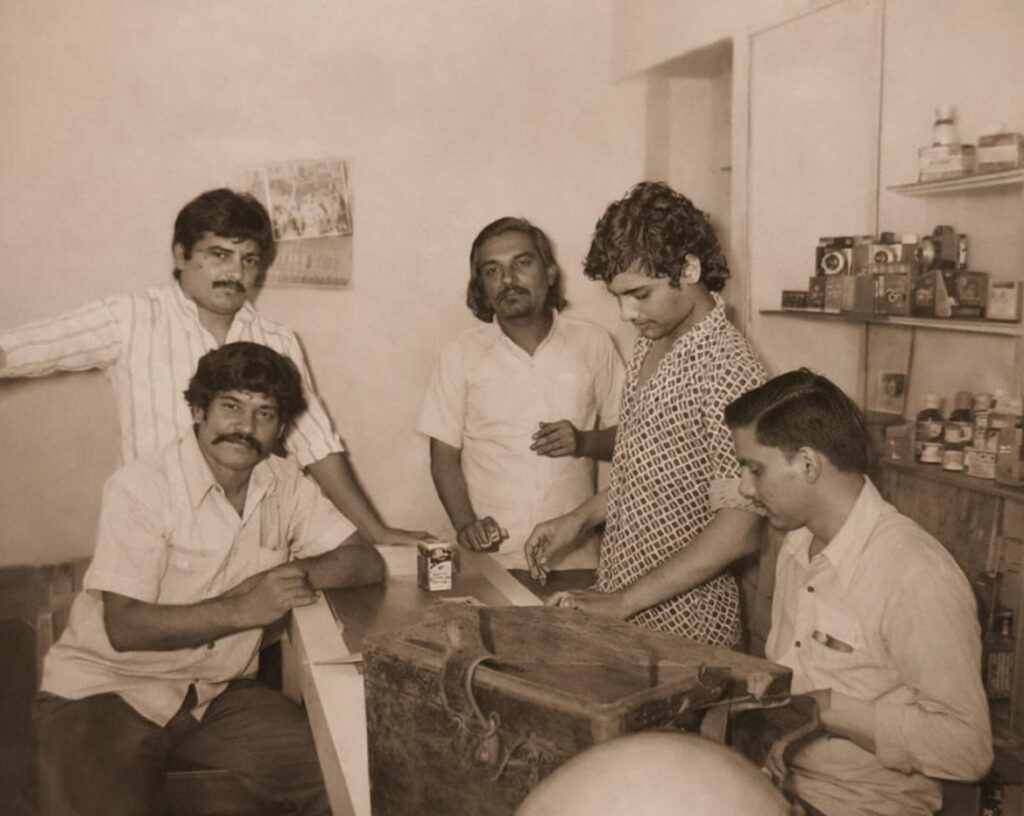
My grandfather, Ramnik Lekhi was born into a family where photography was an everyday affair and became a natural career choice. However, he wanted to be in the Press specifically, as it meant a lot more exposure, meeting important public figures and covering international events. It also provided opportunities to travel within the country and overseas, especially while working for international news agencies.
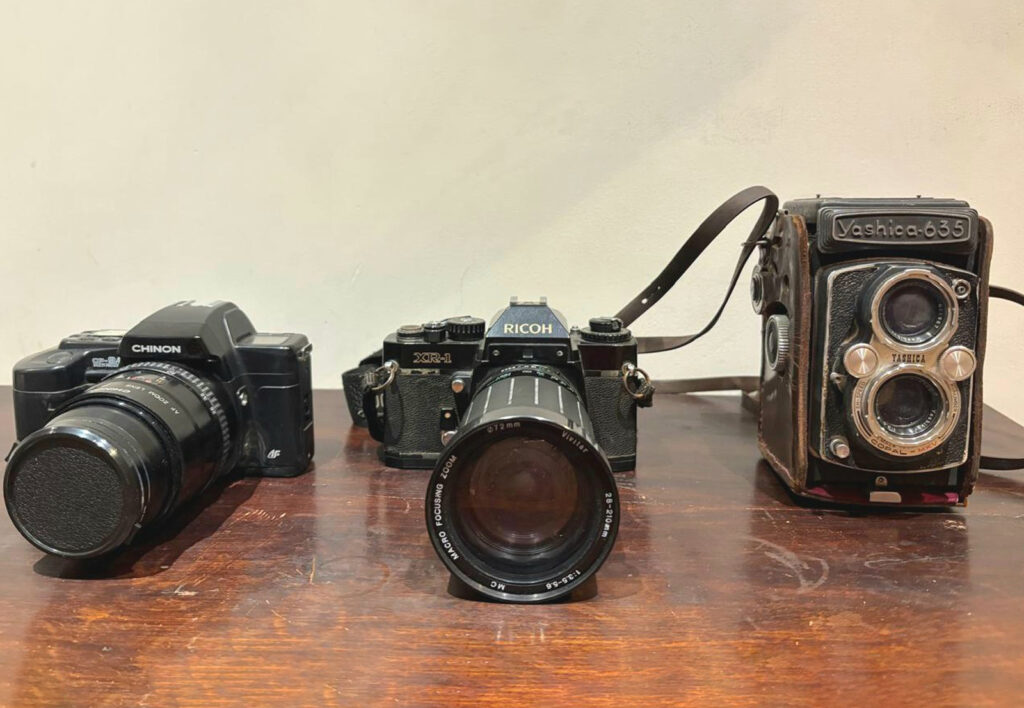
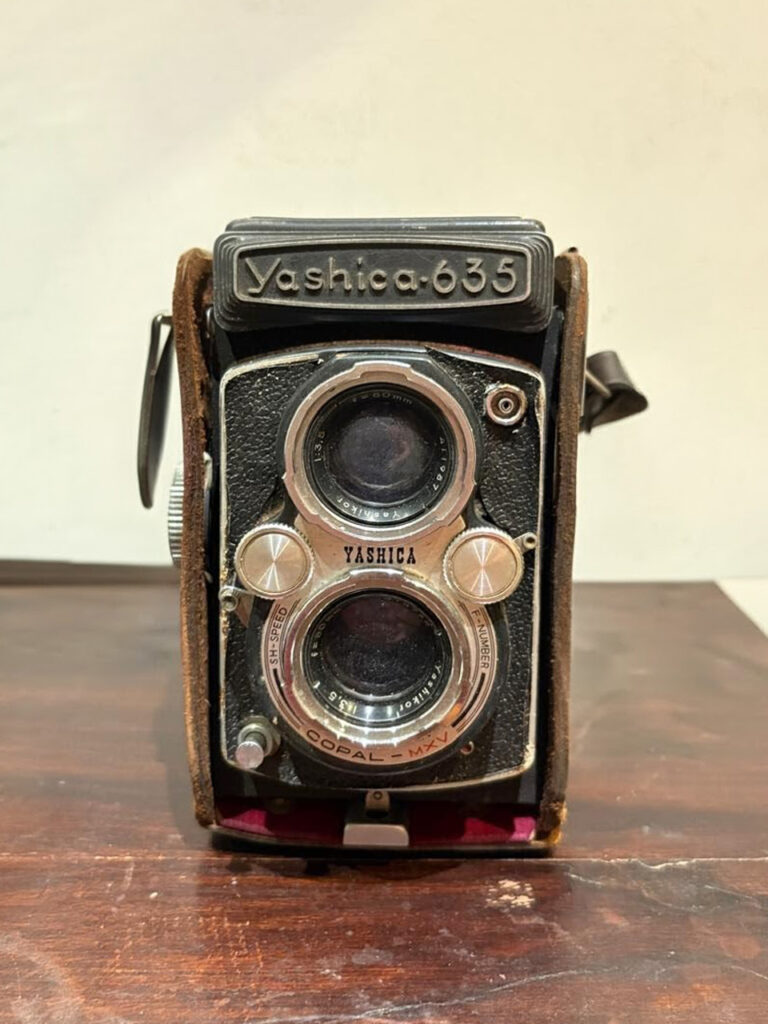
He first worked as a freelancer and then joined CBS news as a cameraman in the 1960s. His Yashica 635 and Paillard-Bolex H16, which are now with me, were originally bought during his time with CBS. The Yashica is a classic, fully manual twin-lens reflex (TLR) camera introduced in 1958. It is named the 635 because it can produce 6x6cm images on 120 film as well as 35mm photographs (when an adapter kit is installed to shoot the smaller format). It is with these cameras that he covered major events across India’s frontier, like the 1961 Liberation of Goa, the war with China in 1962, and Pakistan in 1965. He lost his life in 1970 while covering the war in Cambodia at the young age of 40.
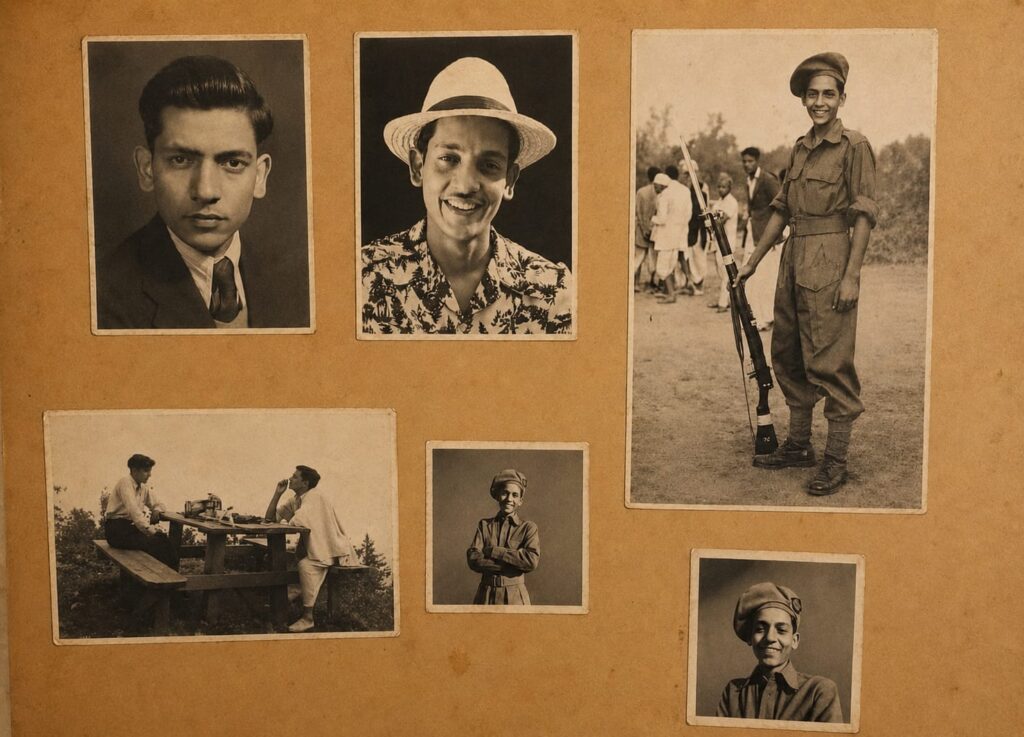
I’d always heard about tales about my grandfather from the family but it was in 2020 when I had the luxury of time to learn about the family’s history and specifically my grandfather’s work. I discover century-old family photo albums, where I could trace my entire lineage, unearth moments right from my great-grandfather’s time in Lahore to my grandfather’s childhood pictures, to his final days in Cambodia. It really changed my perspective about family and I felt the urge to go deeper. Though I never had the chance to meet my grandfather, I was fortunate enough to know him through his telegrams and the glimpses of him through the historical events he was present at. But can photograph tell you about the person behind the camera?
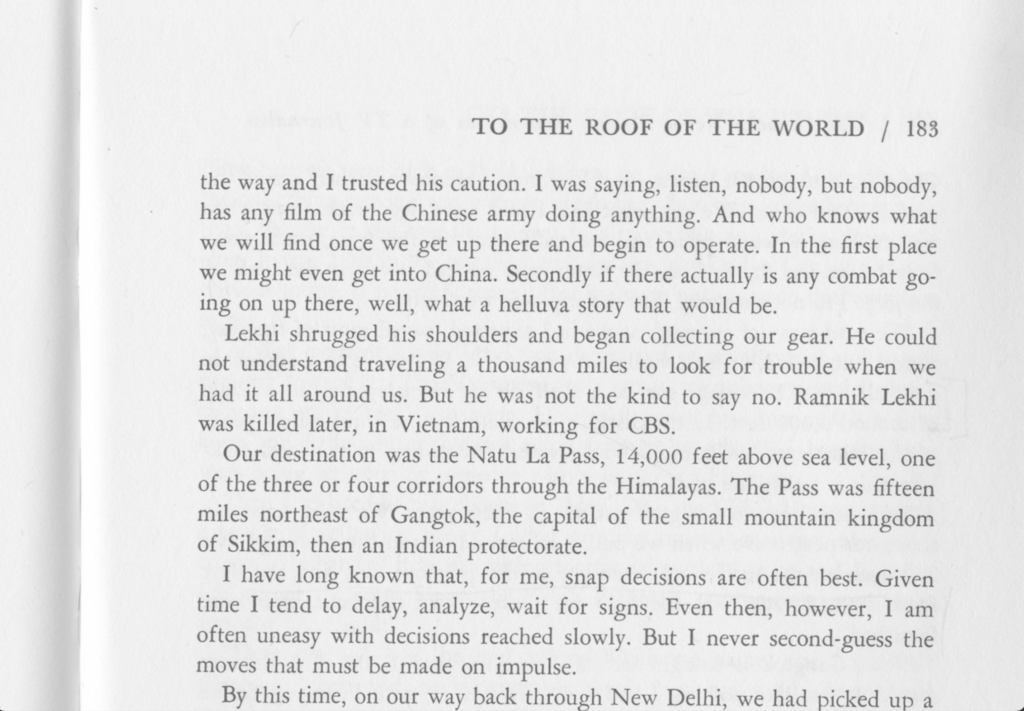
In 1965, working as a stringer for the American journalist and commentator, Dan Rather, on their way to film the Chinese army at Natu La Pass, fifteen miles northeast of Gangtok and 14,000 feet above sea level, I learn that my grandfather was “not the kind to say no” on any expedition. The journalist details the trip, complete with tiger tracks, varying cases of altitude sickness and capturing footage of Chinese soldiers against the “distinctive clack of a shell being rammed into a magazine, no more than ten yards away.” [4]
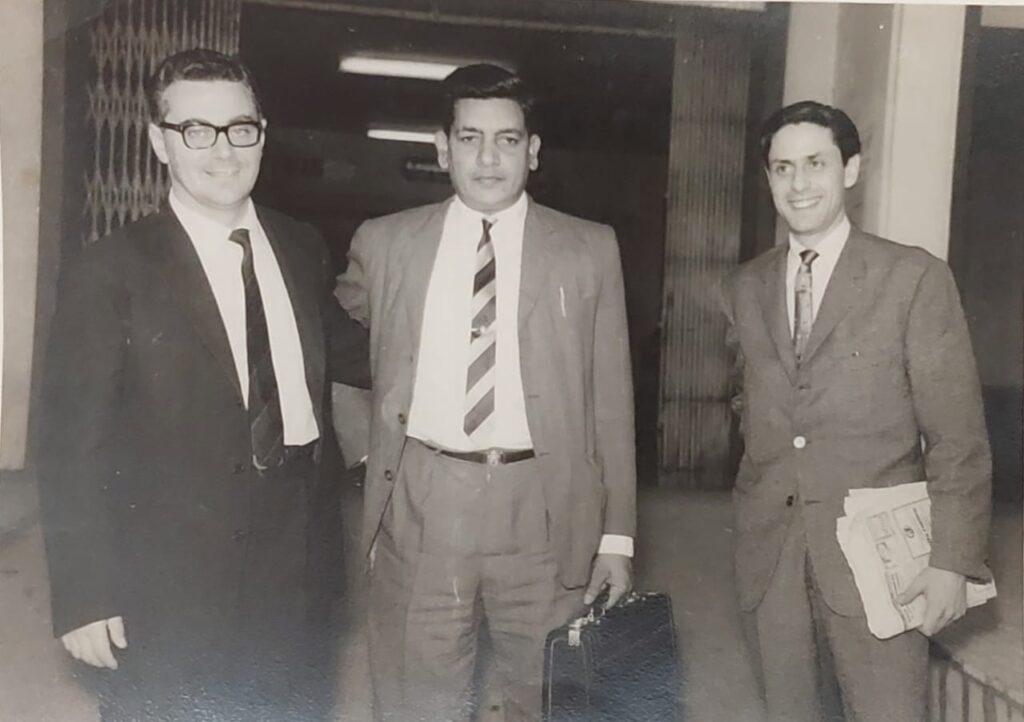
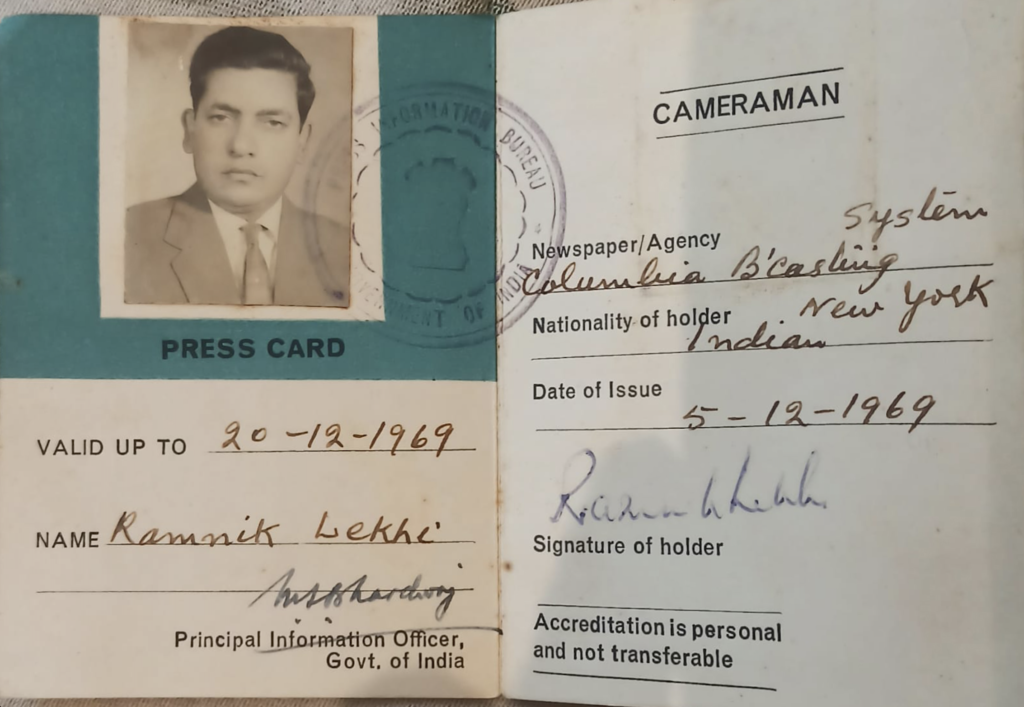
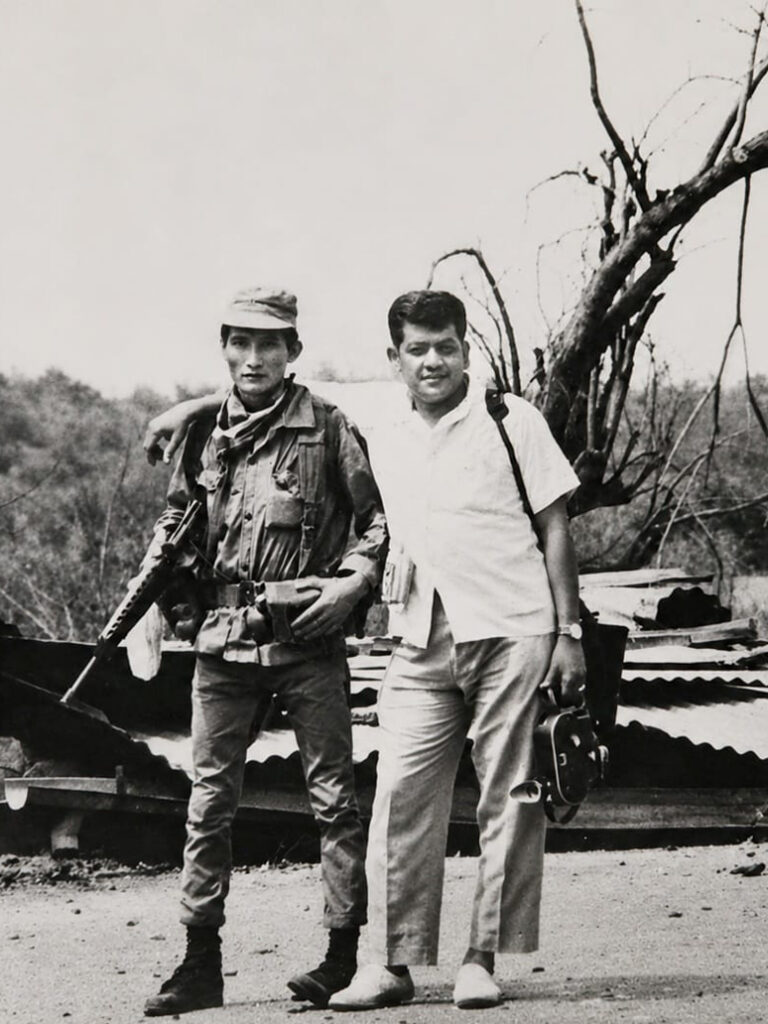
My grandfather went to Afghanistan in 1970 to cover the developments taking place and in the same year to Cambodia to cover the civil war fought between Khmer Rouge against the Kingdom of Cambodia. For him to be present at such a volatile and jeopardising situation was nothing new, rather familiar as he had been to such war zones multiple times before but little did he know that this would be his last frontier.
It was a regular day on May 31, travelling with his colleagues when they were ambushed by North Vietnamese and Viet Cong troops and their jeep was hit by a rocket-propelled grenade (RPG). This horrific event became national and international news making Ramnik Lekhi’s name one of the subject of all the leading newspapers. The family was in disbelief, especially my grandmother, until his body was soon discovered in Cambodia and after cremation the ashes were flown to India. The lives of Ramnik Lekhi’s three sons, including my father, 13 years old, his two siblings, 12 and 17, and my grandmother, only 39 at the time, was never the same again yet they had to accept this bitter truth. As a homage to all the journalists killed while covering the war, the Cambodian government built a memorial, which mentions the names of all the journalists along with their respective countries.
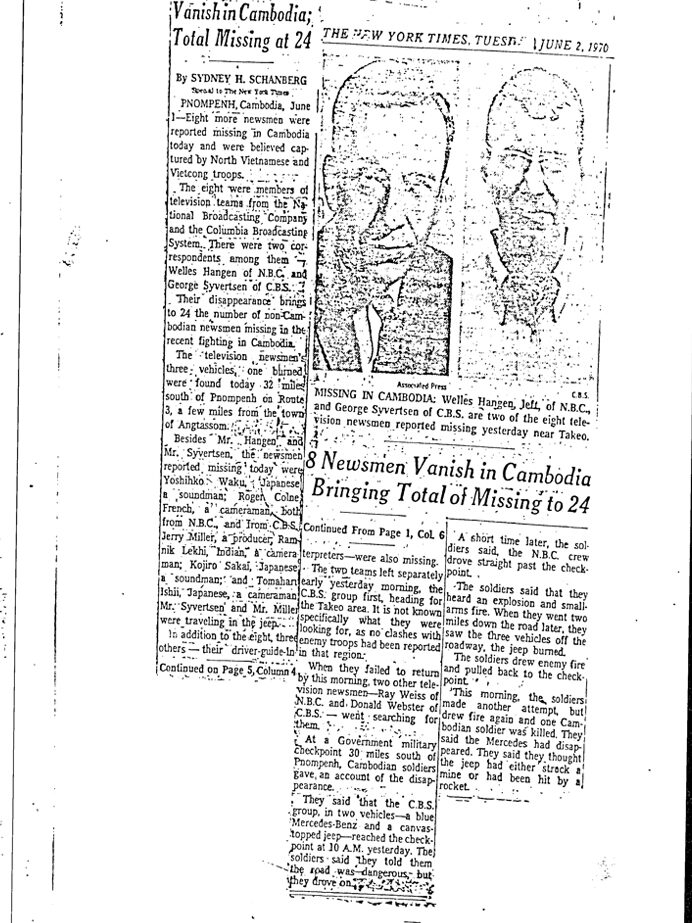
In the first week of June, 1970 the New York Times newspaper ran a page-one story about journalists working NBC and CBS, who appeared to have vanished in Cambodia, bringing the total number of missing journalists to 24. The story featured pictures of two correspondents, Welles Hangen from NBC and Groege Syvertsen from CBS and identified the following others: Ramnik Lekhi, a CBS cameraman from India; Jerry Miller, a CBS producer; Roger Colne, a French cameraman with NBC; Tomoharu Ishii, a Japanese cameraman with CBS; Kojiro Sakai, a Japanese soundman with CBS; and Yoshihiko Waku, a Japanese soundman with NBC.[5]
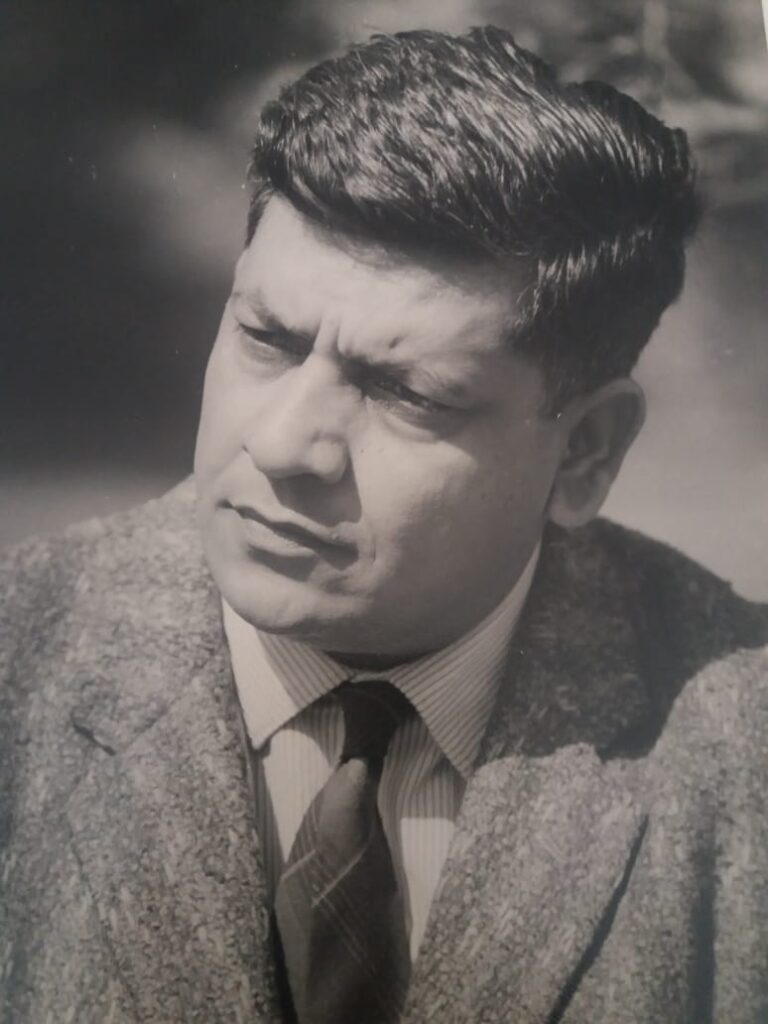
Hearing the tales of my grandfather and his work has had a profound impact on me. I feel proud to be related to him and hope to imbibe his qualities, right from how he dressed and carried himself to his integrity towards his work, taking no days off even when it meant missing important family moments. His photos show world events in a way that few people had the opportunity to experience first-hand. He was witness to so much history during his lifetime.
Photography remains an integral part for me and the rest of the family. My two uncles have added to the legacy, becoming photo journalists with BBC and AP(Associated Press) respectively. Even my cousin graduated with a degree in journalism which makes him the fourth generation in line. With this said, it is safe to say that my family’s role in journalism is far from over.
[1] https://mixedmuseum.org.uk/btcotc/the-british-empire-exhibition/
[2] Ibid
[3] M. S. Cheema, The Tribune n.d., newspaper clipping on photographer R. L. Lekhi, author’s family collection.
[4] Dan Rather, ‘To the Roof of the World’, p.182- A Camera Never Blinks: Adventures of a TV Journalist, 1994.
[5] Sydney H. Schanberg, “8 More Newsmen Vanish in Cambodia; Total Missing at 24,” New York Times, June 2, 1970, 1, In ‘TRIBUTES TO FALLEN JOURNALISTS: THE EVOLUTION OF THE HERO MYTH IN JOURNALISTIC PRACTICE’ by Raymond McCaffrey, Doctor of Philosophy, University of Maryland, 2013