
TEXT AND PHOTOGRAPHS BY RAISA MORSHED
Dhaka, Bangladesh
Mahboob and Dilruba.
The beloved, and the one who steals the heart.
Their names sound almost too poetic to belong to real people, and yet perhaps that is fitting, because so was their love story. It lasted only nineteen years, ending with his sudden passing in October 1985. In the days leading up to his death, both Mahboob and Dilruba had fallen severely ill. Mahboob confided in someone close to him that he feared Dilruba might not survive. He said that if she died, he would too, and he worried about what would happen to their children if they were left without a parent.
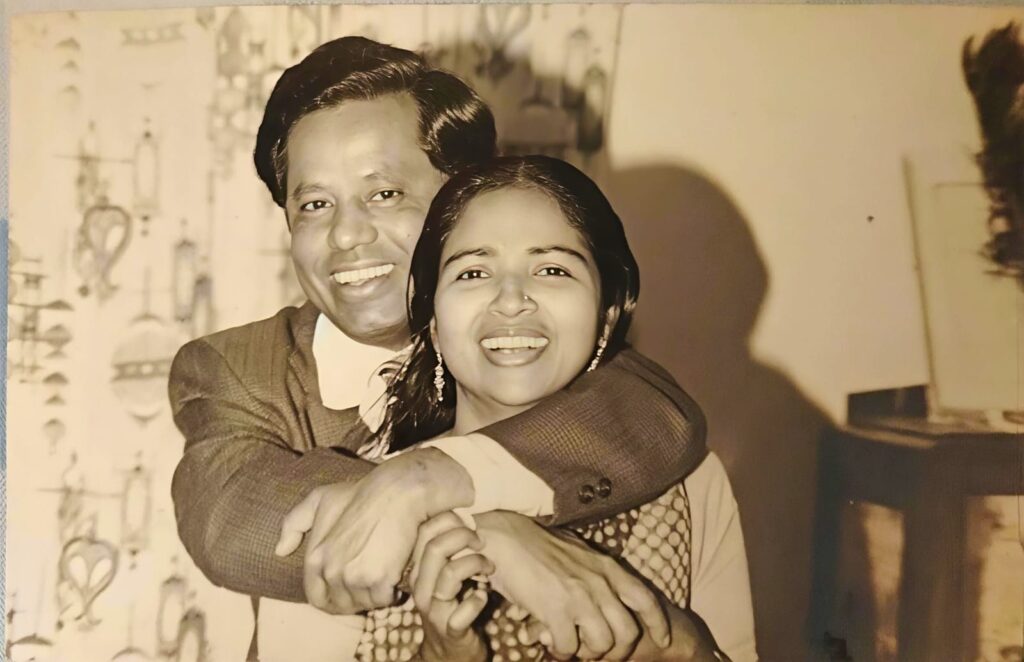
Soon after this conversation, they both found themselves admitted to the hospital, lying on separate beds in the same room, only a few feet apart. Dilruba was discharged a few days later, while Mahboob was transferred from the Railway Hospital to Combined Military Hospital (CMH) in Chittagong.
On the morning of his passing, Dilruba visited him in the ICU with his brother, bringing food from home, including his favorite dish, maagur maachh (a type of catfish). The part he loved most was the head, a small detail she knew well. She spent time and cared for him until she felt too unwell herself to stay. Before leaving, she tried to feed him, but when her own illness made it difficult to continue, she asked his brother to help. He was able to feed Mahboob, but the head of the fish, his favorite part, was too difficult to manage with a spoon.
A few hours later, Mahboob passed away. For years afterward, Dilruba noticed that his brother would avoid maagur maachher maatha (head of the catfish), even though he had always loved it himself. She felt that he carried the guilt of not being able to give Mahboob the one part of the meal he loved most before he died.
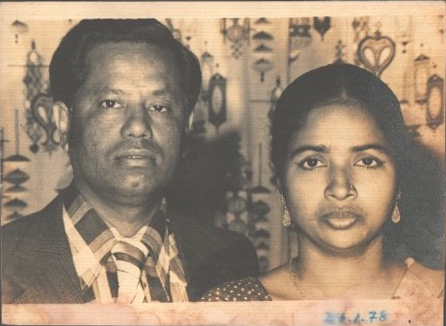
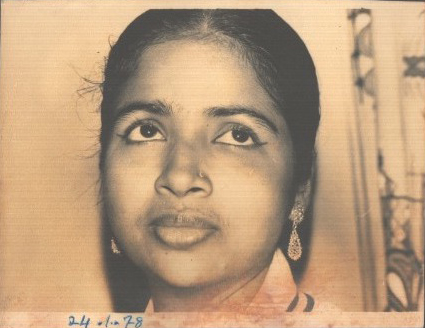
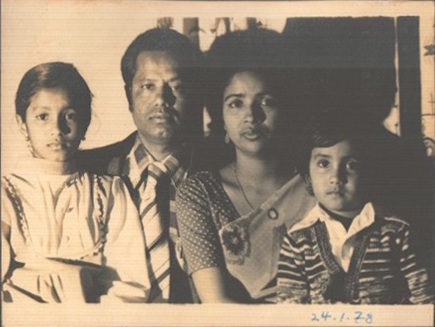
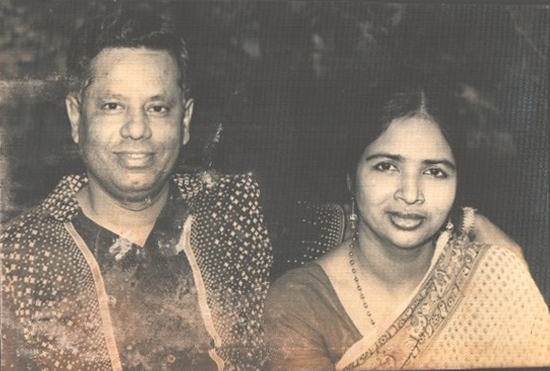
Soon after his passing, Dilruba received a call telling her that Mahboob was very ill and that she needed to come immediately. In reality, he had already passed away, but the family could not bring themselves to tell her over the phone. Rushing toward the hospital, sitting in a car caught in traffic, she heard the Maghrib azaan. At that moment, she says she knew her husband was gone. For years afterward, she could not bear to hear the evening call to prayer; it carried her back to the moment when she lost the person who had shared her life for nineteen long years.
I was born decades later, two generations after Mahboob. But only now, forty years after his passing am I beginning to acquaint myself with my paternal grandfather through the remnants he left behind: letters, diaries, postcards, photographs, and most importantly, the memories of his beloved Dilruba. It is through her stories that he remains alive.
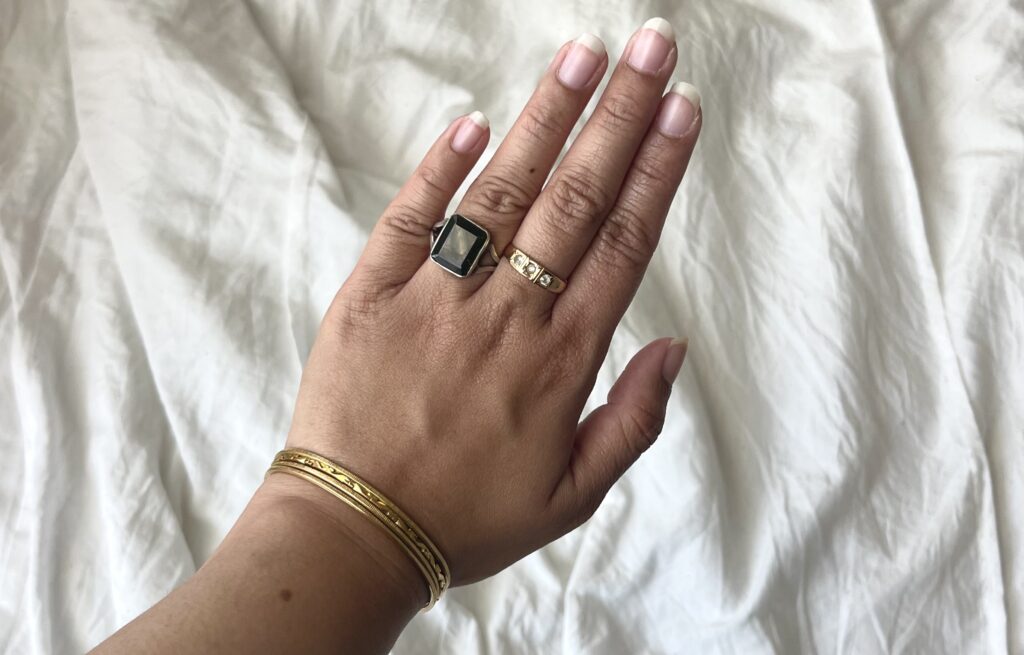

At the center is my grandmother’s wedding ring from December 1966, now passed down to me, along with her wedding bangles and the ring my grandfather wore every day. Hers is a simple gold band with three stones that once marked the beginning of their life together. These objects have slowly become a doorway into my grandfather’s life, his character, and the stories his beloved has carried for decades.
Mahboob Morshed was born in October 1939 in Barishal, East Bengal, then part of the Bengal Presidency, where his father was posted as an Accountant in the Public Works Department (PWD). By a strange coincidence, Dilruba would also be born in Barishal years later, during her father’s posting in the Sales Tax Department, though both families were originally from Comilla. Their lives would pass through British India, Pakistan, and Bangladesh, not by physically moving through the subcontinent, but because the world around them kept being renamed.
In 1963, when he had just begun his career as an engineer with Pakistan Eastern Railway, Mahboob was sent to Lahore, West Pakistan, for nine months of training. While he was away from home, his younger sister passed away in a fire. She was only twenty-one, three years younger than him, and I am told they had grown up almost side by side. No one was allowed to write to him about her death and he completed his training not knowing that she was gone.
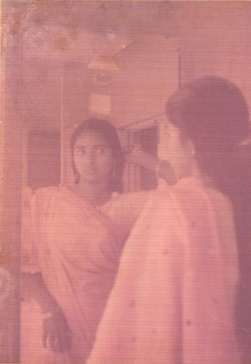
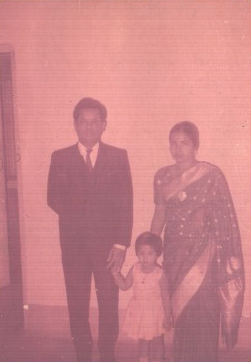
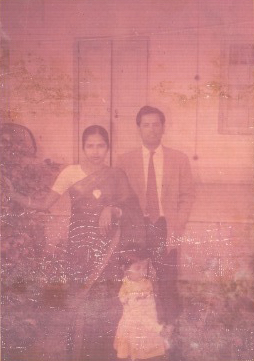
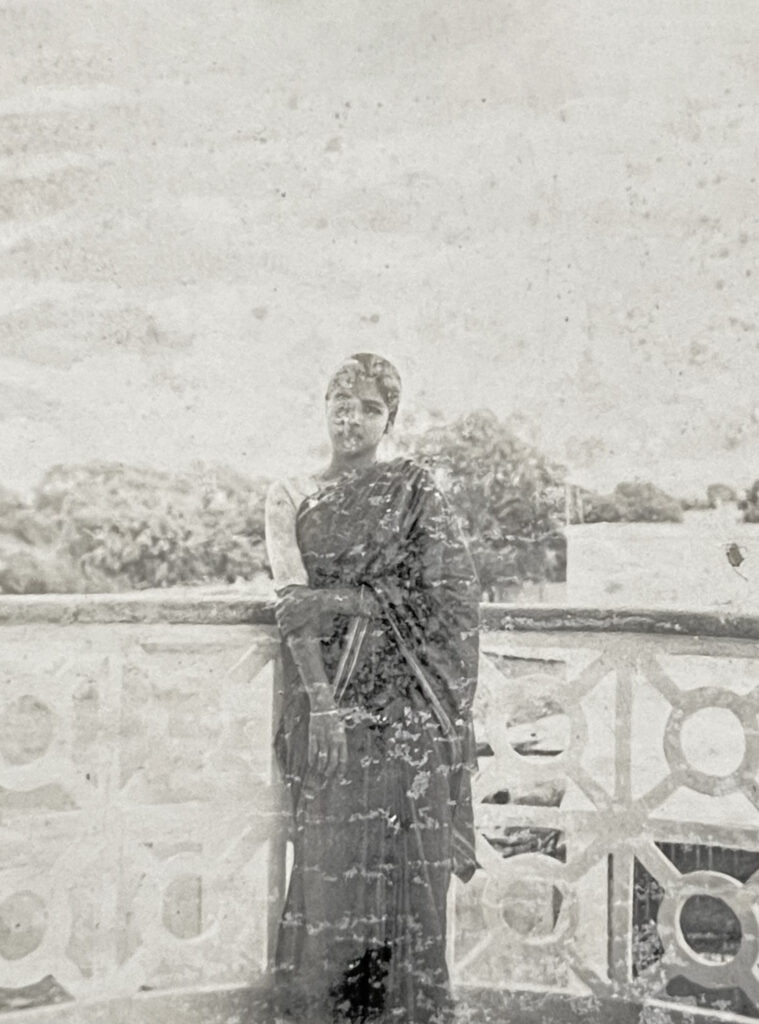
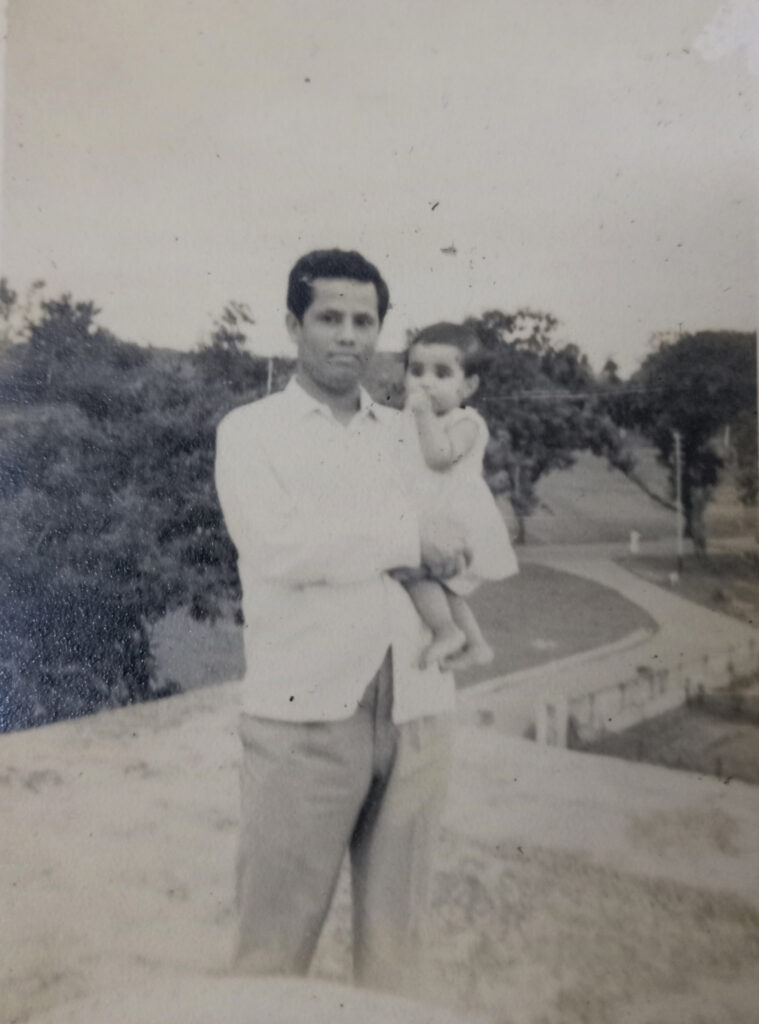
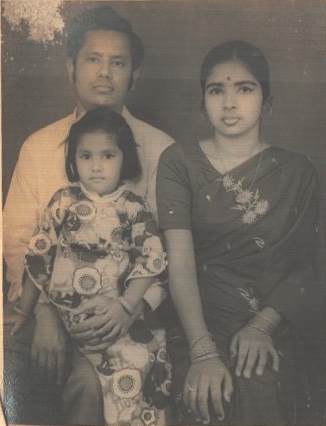
He brought back a hair clip for her from Lahore, expecting to see her at the airport when he arrived. Only after he reached home did he learn that there was no sister left to receive his gift. I had known about her passing, but not this story, and perhaps would never have learned of it, had it not been for the conversations these old objects began. Like stories such as this one, the clip too, was lost to time.
His training in Lahore marked both a loss and a beginning. In 1964, he was sent to Bogura, about 200km from Dhaka, for his first assignment. There he saw the first and only ceramics factory in what was then East Pakistan, newly built in 1959. From there, he brought back plates and serving dishes engraved with his surname, “Morshed,” written in his own Bangla handwriting.
This set of ceramics from 1964 carries more than just a surname. Up until my great grandfather, our family name had been Patuari. He changed it to Morshed, beginning with his children, making my grandfather part of the first generation to carry it. I have often wondered why he decided to change our family name. Perhaps it was simply personal preference. I have been told he disliked the name Patuari and rarely used it himself, preferring to go by his first and middle names, Abdul Matin. Or perhaps it reflected the changes of his generation. I have noticed a similar pattern in Dilruba’s father, Ali Asghar, who also chose not to use his surname, Sarkar, and instead went by his first and middle names. Both men were among the first in their families to enter government service and move away from their ancestral homes in Comilla[1]. As their lives expanded beyond the places and identities they inherited, perhaps their names became another way of shaping the futures they were moving towards.
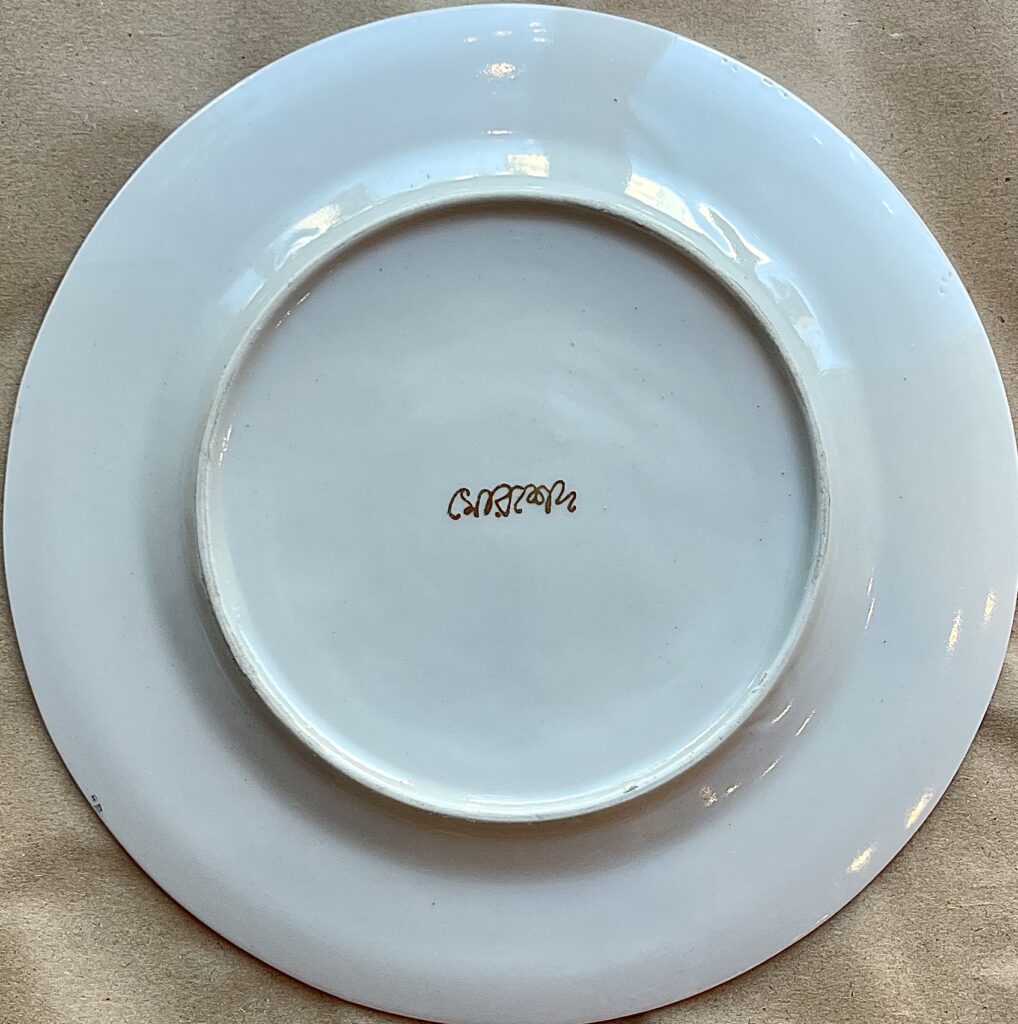
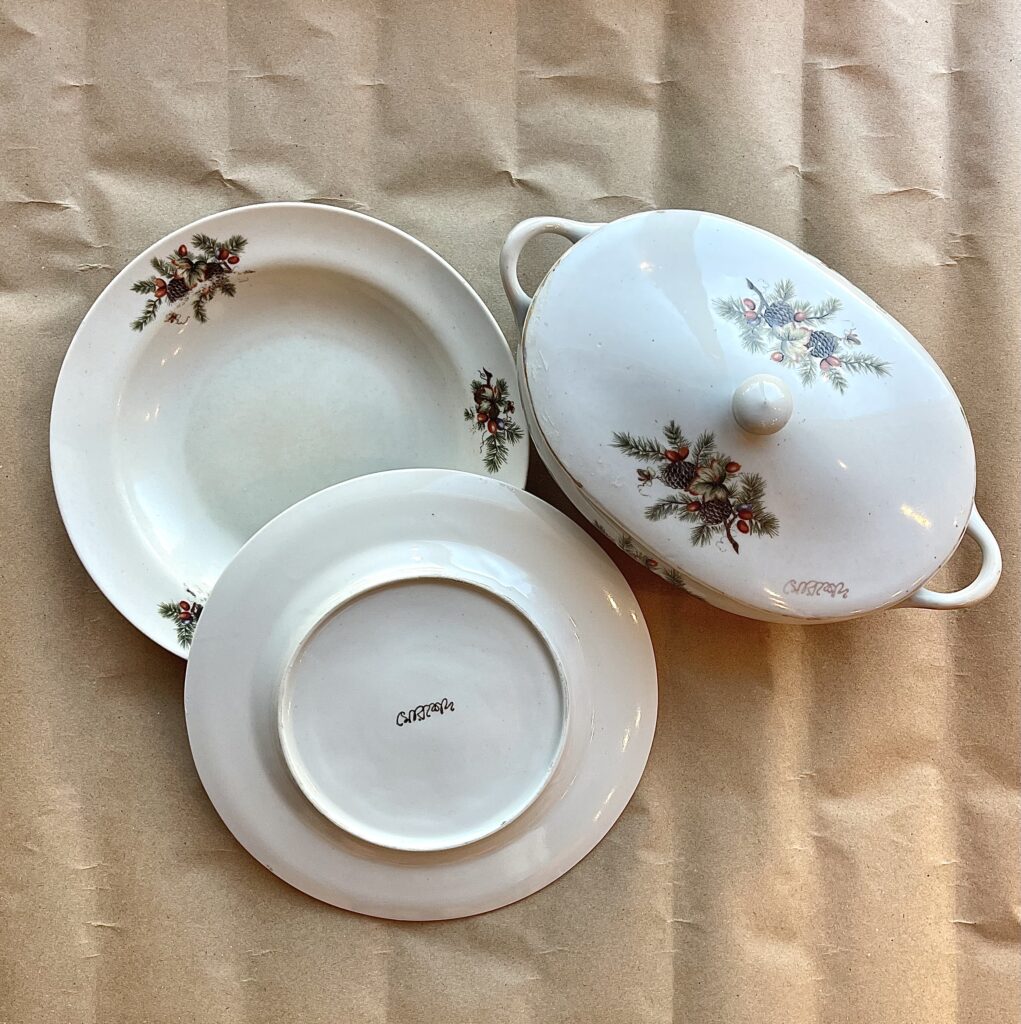
Two years after he brought home this ceramic set, Mahboob married Dilruba with the ring that I now wear regularly. Together, they created the family through which the name Morshed would continue. Today, the ceramic pieces and the ring have both been passed down from my grandmother to my sister and me. They belong to the third generation of Morsheds. Our name, once written in his handwriting, and her ring, once worn through their life together, have become part of this inheritance.
For the first few years of their marriage, they lived in railway saloons, moving with his postings and making a home in the temporary spaces his work allowed. He would often joke that while he was the engineer outside, she was the engineer at home. She knew how to fix everything, from ovens to broken switches. Years later, she would teach us to call her Dada instead of Dadi. Perhaps this was her way of keeping her Mahboob’s place present in the part of his family he never got to meet.
His work with the railways not only began his career, but also placed him at the center of history when the world around him changed again. During the Bangladesh Liberation War in 1971, my grandfather continued his official duties as a railway engineer while covertly supporting the Mukti Bahini[2]. He passed information about railway infrastructure to freedom fighters to help disrupt military movement, even as his official position with Pakistan Eastern Railway required him to begin repairs on the very lines that he had helped target. In doing so, he helped slow the Pakistan Army’s movement into the riverine region of Bengal.
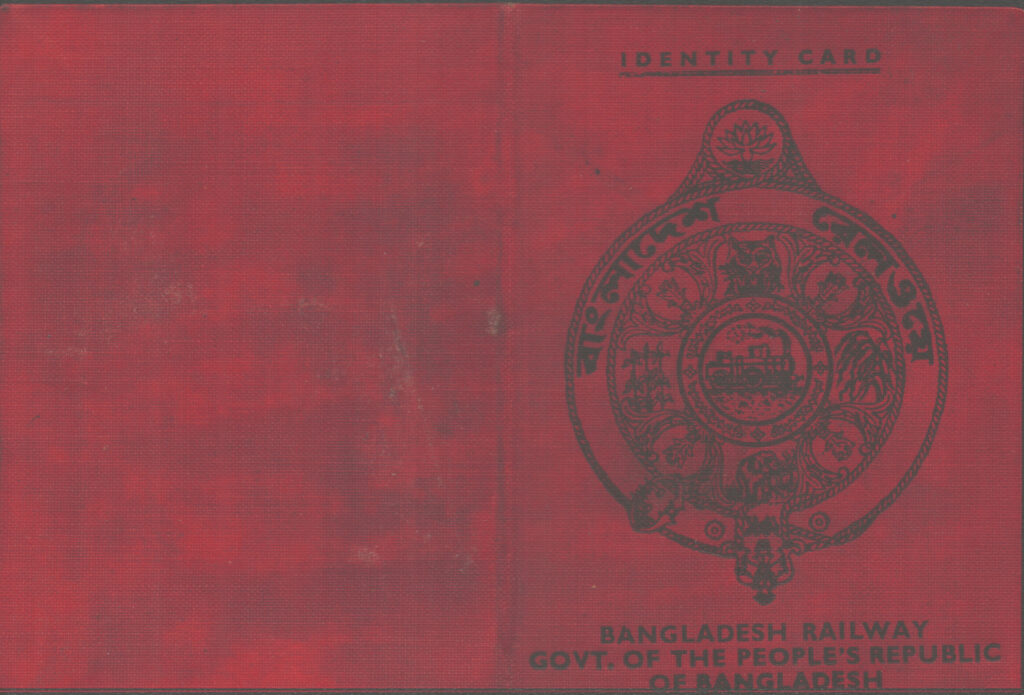
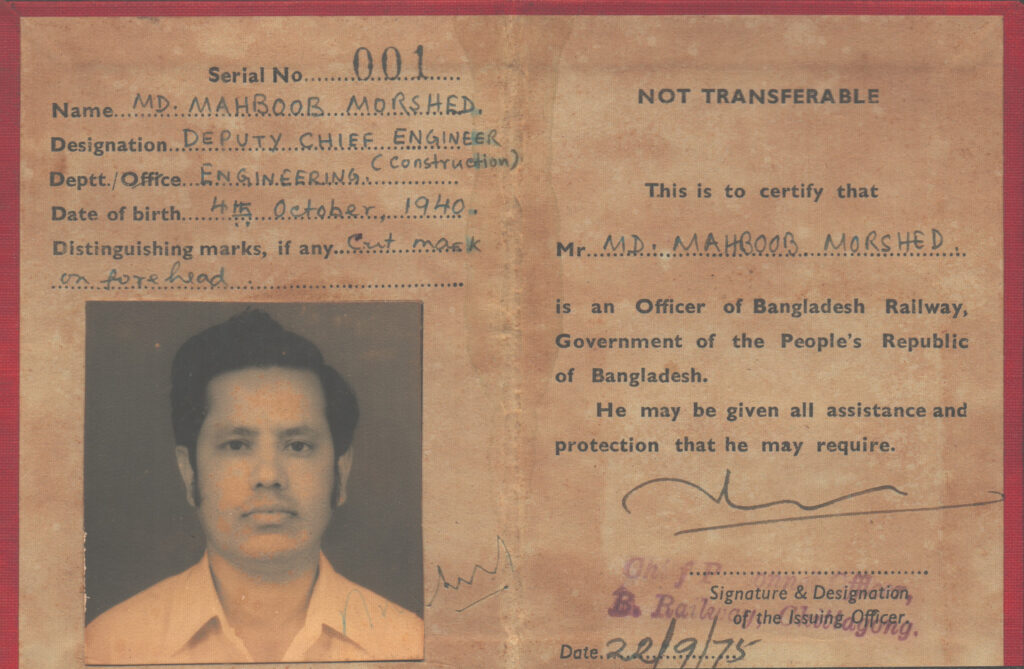
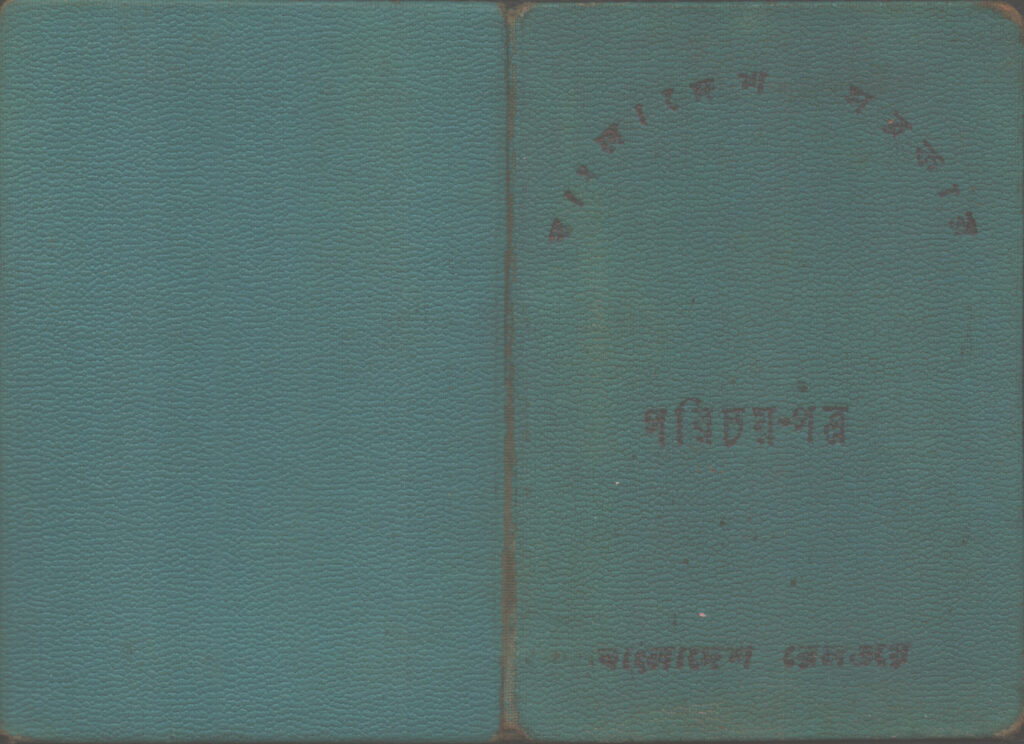
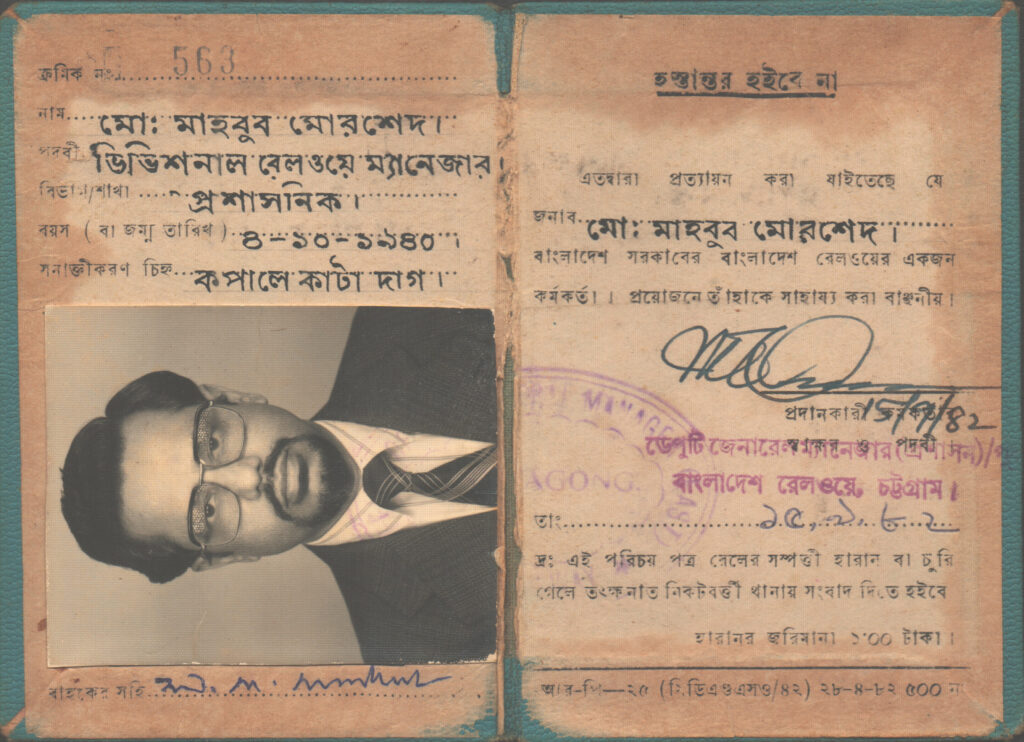
It was a strange duality: publicly maintaining the railways, privately helping those who were fighting for freedom. As the war approached its final days in December 1971, intellectuals and professionals were being hunted in an effort to cripple the future of what would, within days, become the new nation of Bangladesh. When a journalist living in the neighboring building was taken from his home, Mahboob and Dilruba realized they could no longer remain at their railway officers’ flat. They decided to go to Dilruba’s parents’ house, leaving a day earlier than planned. That same evening, the Razakars[3] arrived at the flat looking for him. The decision to leave a day earlier became the reason he survived. Had he remained there that night, the story of our family would have been completely different.
After the war ended, he refused to accept a freedom fighter certificate. My grandmother tells me he would say he had only done his part out of love for his land, not for recognition or a piece of paper.
This story reminded my grandmother of another wartime memory. During the majority of the war, my grandfather had been living at his father-in-law’s house, while the rest of the family took shelter in the village. She says an older man who worked under him would come to the house every day while my grandfather was at work, insisting on polishing his shoes as a gesture of respect and gratitude. Years earlier, my grandfather had given him a job and, on the application, recorded his age as eighteen, though the man was much older. That small alteration gave him years of work, a way to feed his family, and time before retirement could take his livelihood away. In the middle of war, when people were trying simply to survive, polishing my grandfather’s shoes became his way of repaying a kindness. It is a small story: a man, a few pairs of shoes, a gesture of gratitude. But it tells me something about my grandfather that no certificate could.
Four years after Bangladesh’s independence, his work with the railways took him far from home again. In 1975, he was sent to Germany for thirteen months of training on behalf of the newly formed Bangladesh Railway. During that time, he wrote many letters to my grandmother. Only fifteen remain today.
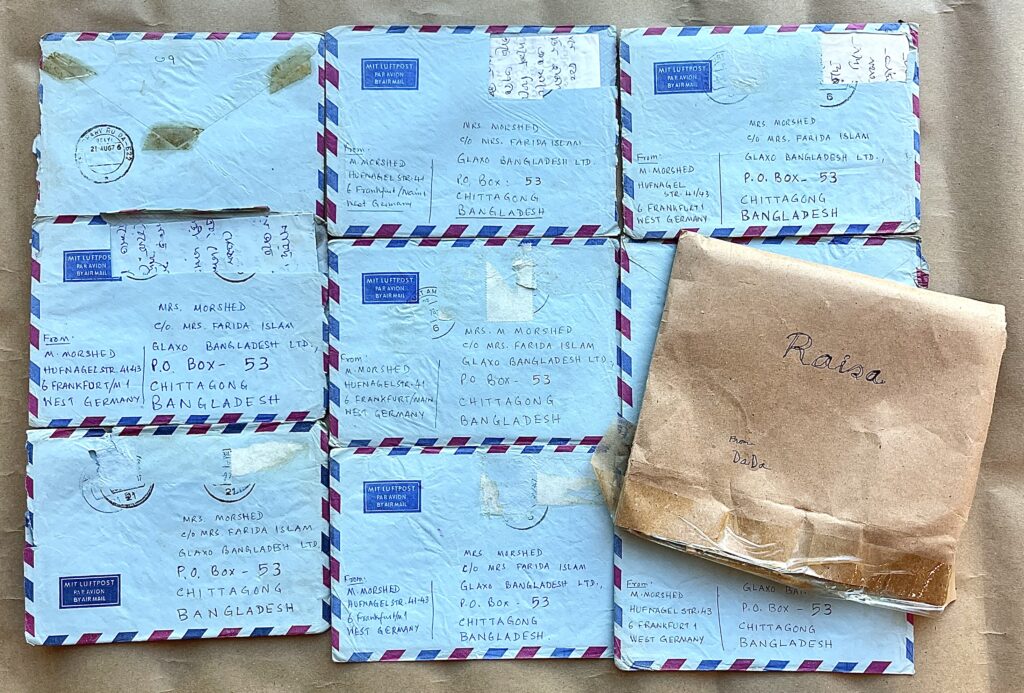
Among the letters that survive, he begins with words that collapse the distance between them: “Amar hridoy, amar jaan,” meaning “my heart, my life.” When my grandmother read the words aloud to me over a video call, she blushed, quickly saying, “I’m putting them in a bag with your name on it. These are yours now. You can read them yourself.” Fifty-one years later, the letters still manage to make her shy.
Their letters were not only expressions of affection. They were also a way of sharing the ordinary parts of their life together. While he was living alone in Germany, my grandmother would send him recipes for the foods she knew he loved, and he would try to make them himself. Even from thousands of miles away, they continued to care for each other through the small routines of everyday life.
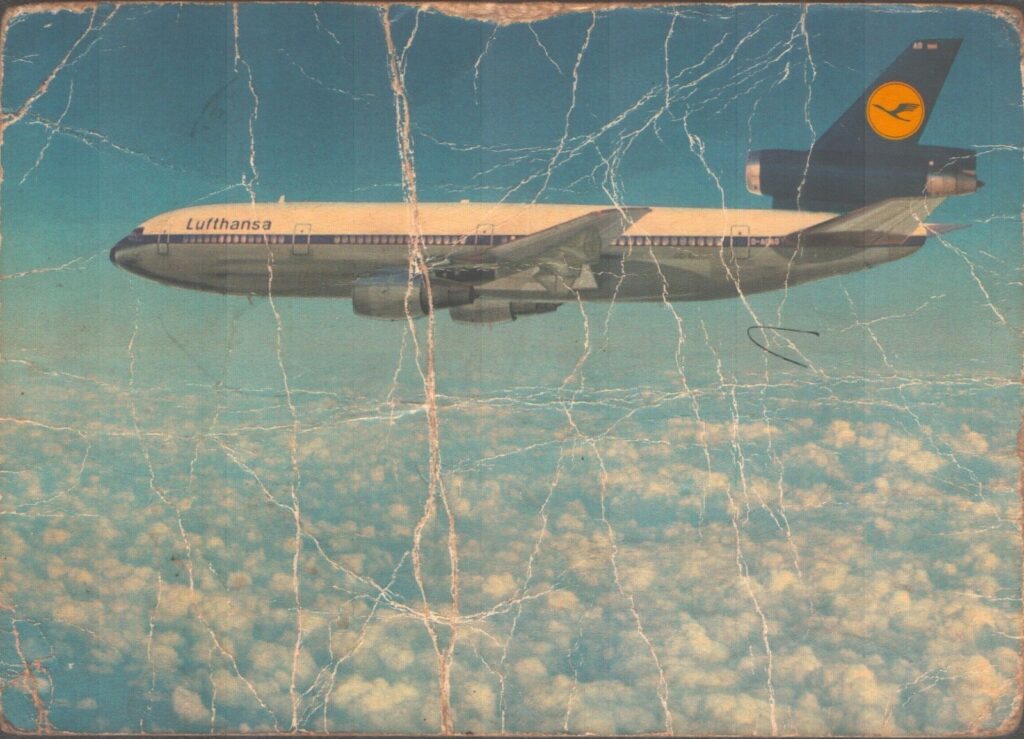
During his time in Germany, he not only wrote letters to my grandmother, but also regularly sent postcards to his two children. In them, he wrote how much he loved them, described his days, and reminded them to study hard and eat properly. The postcards themselves carried colorful images of places he had visited: the gardens of Regent’s Park, the Post Office Tower rising above London, the grand architecture of Buckingham Palace, and the arches of Tower Bridge spanning the Thames. Others showed places across Germany, including the fairytale-like Royal Castle of Linderhof and the mountain landscape of Garmisch-Partenkirchen. On the back of these postcards, beside the images of distant places, he wrote to his children that when they grew older, they too would see places like these abroad. And years later, they did. Only he was no longer there to watch them live the life he had once imagined for them.
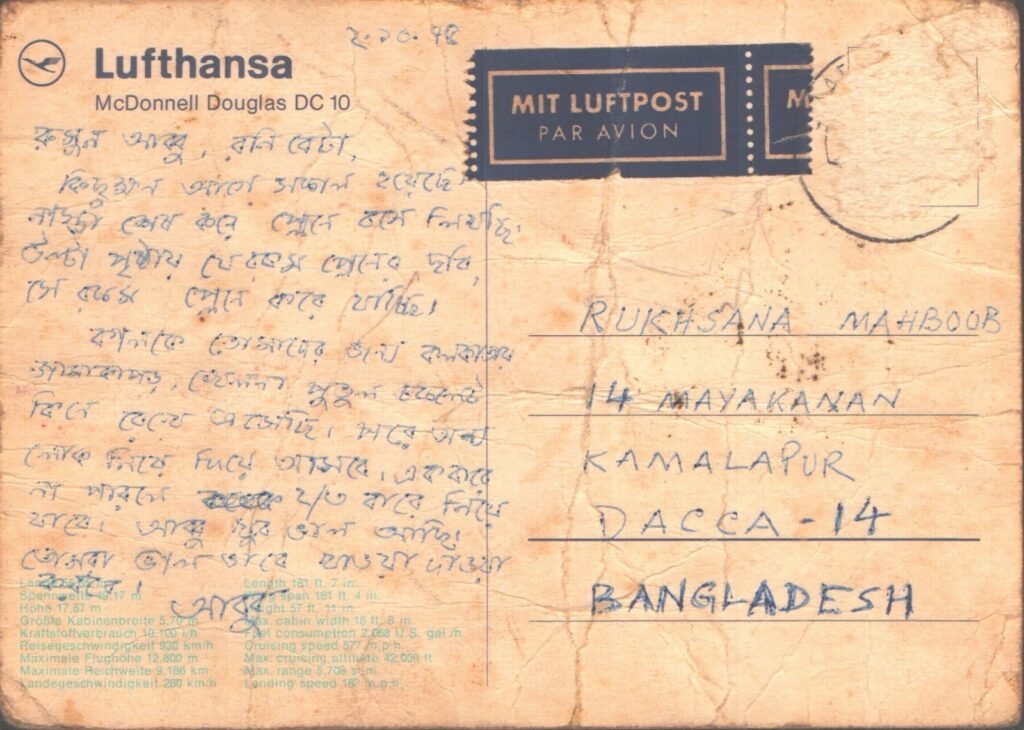
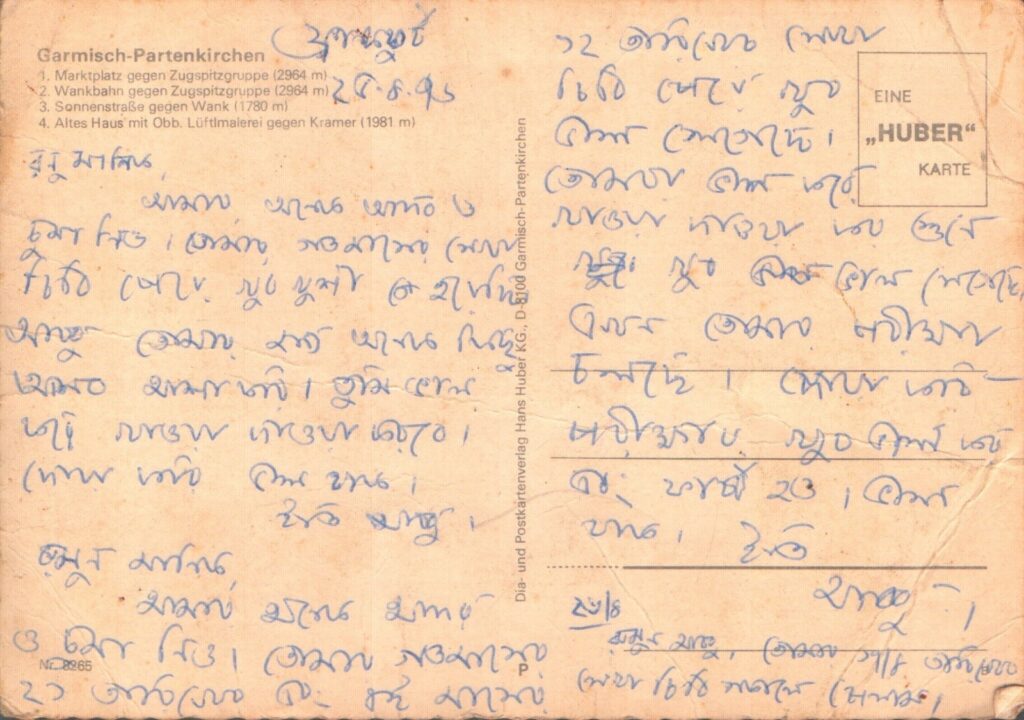
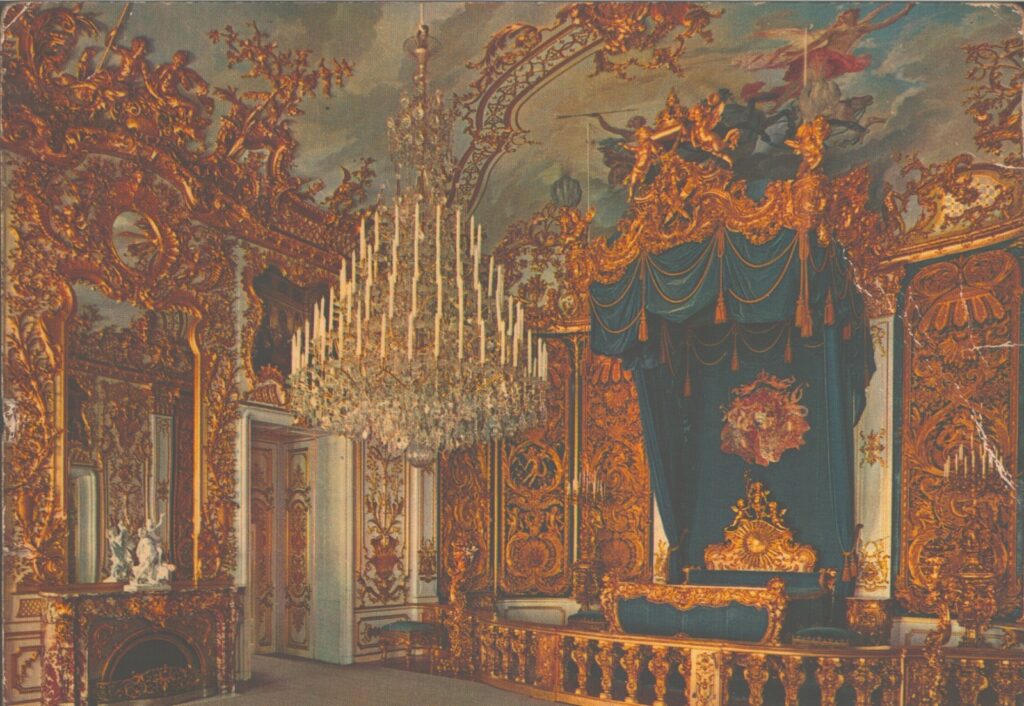
My grandmother tells me stories about the kind of father he was. When my father was twelve, my grandfather sent him to Faujdarhat Cadet College so that he could receive the best education, even though sending his son away broke his heart. He made that difficult decision out of love, wanting to give his child the opportunities he believed would shape his future.
When he dropped my father off at school, he learned that students were not allowed to use blankets during the day. If they wanted to nap, they could only use their bedcovers. When he came home that day and lay down for his regular afternoon nap, my grandmother noticed that he was sleeping without his usual kaantha. When she asked why, he said that if his son could not use a blanket, then neither would he.
The boarding school was about an hour away from their house near the railway officers’ quarters in Chittagong. After work, my grandfather would go there with my grandmother and my aunt. The three of them would sit in the teachers’ quarters, chatting with them over tea. My grandmother tells me my father did not even know they were there. It was my grandfather’s way of being close to his son without disrupting his education.
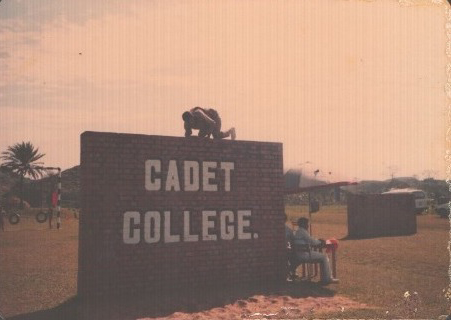
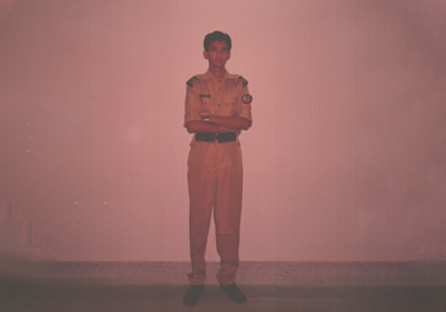
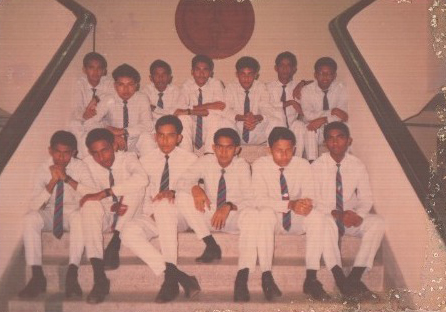
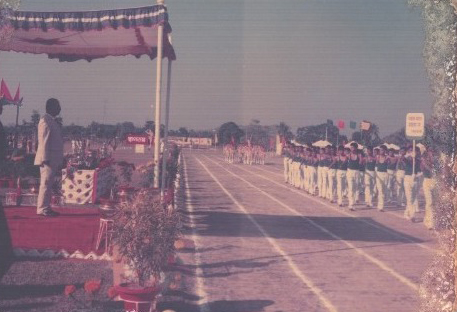
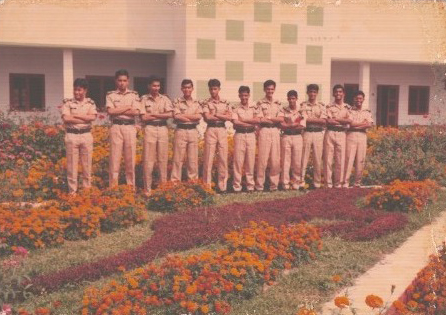
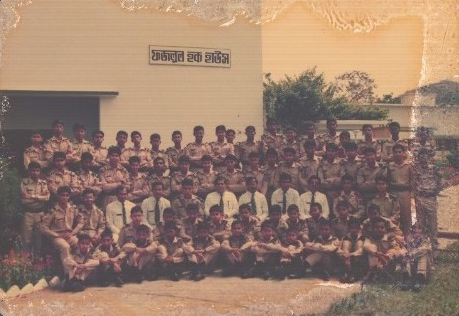
It breaks my heart to learn that before the year was over, my grandfather had passed away.
After his sudden passing on that Monday in October 1985, his colleagues made sure his final journey reflected the life he had lived. The family had planned to bring his body back to Dhaka for burial by truck, but the railway officers insisted that the man who had devoted his entire life to the railways should take his final journey on a train. They delayed the departure of that evening’s cargo train for as long as necessary, waiting for his body to arrive at the station. When he reached Dhaka, he was first brought to his parents’ home before being taken to Railway Bhaban at the Railway Headquarters, where his colleagues paid their respects. From there, his body was taken to his final resting place at the Banani graveyard. Soon after, Dilruba asked her father to buy her a plot beside Mahboob’s grave. Decades later, it is still hers, waiting for the day she will join him there.
Through these objects and conversations with my grandmother, I am slowly tracing his life across time, uncovering the many facets of Mahboob Morshed: the husband who began his letters with “Amar hridoy, amar jaan”; the father who stopped using his own kaantha because his son could not use one; the brother who returned from Lahore with gifts for a sister he did not yet know he had lost; and the railway engineer who quietly aided the liberation of his land.
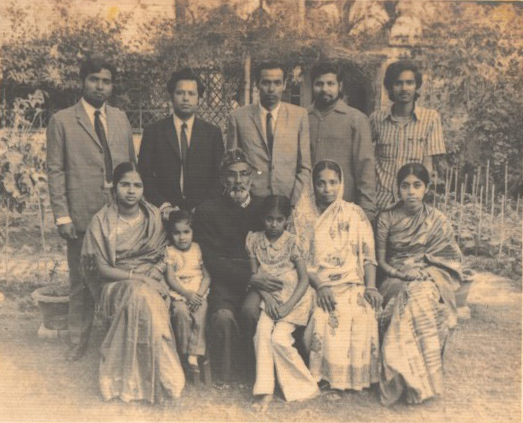
I know him only through remnants, but perhaps remnants are not small things. A ring, a letter, a postcard, a photograph: each carries a version of him, and each is made more alive by the stories his Dilruba has attached to it. Living on another continent, I cannot hold my grandmother’s hand as often as I would like but wearing her ring makes me feel as though she is right here with me.
Fifty-one years later, the letters have become fragile. The paper is now worn in places and delicate to the touch. Each time I unfold them, I do so carefully, afraid that my hands might damage something so precious. Yet holding them also reminds me that their purpose was never to remain untouched. They were written to be read, to carry words from one person to another, and now they continue that journey across generations, giving me a glimpse of the grandfather I never got to meet. But forty years after his passing, I am still meeting my grandfather in small ways, through the objects he left behind and the memories his beloved has kept alive.
[1] The surnames Sarkar and Patuari (also spelled Patwari) were historically associated with occupational and administrative roles rather than fixed religious identities. Sarkar, meaning “lord” or “official,” was a title used during the Mughal and British periods for landowners, administrators, and officials across religious communities. Similarly, Patuari/Patwari referred to village-level record keepers responsible for maintaining land and revenue records. Over time, both terms became hereditary surnames, though their origins were tied to social roles and administrative functions. Their decision to move away from these names may therefore reflect not only a shift from inherited identities but also changing attitudes toward titles associated with status, occupation, and hierarchy.
[2] Mukti Bahini (meaning “Liberation Force”) was the armed resistance movement formed during the Bangladesh Liberation War of 1971. It was composed primarily of Bengali military personnel, paramilitary members, students, and civilians who fought against the Pakistan Army and supported Bangladesh’s independence.
[3] The Razakars were auxiliary forces formed in 1971 that supported the Pakistan Army during the war. They were largely composed of anti-independence groups and were accused of assisting in military operations, including persecution of civilians, intellectuals, and supporters of the independence movement.