
TEXT BY DR. SREYASH SARKAR
PHOTOGRAPHS BY DEEP SARKAR AND DR. SREYASH SARKAR
Prague, Czech Republic
It begins always with dust. That faint golden bloom that rises when I open the lid of the old gramophone and brush a finger along the grooves of its timeworn records. I imagine my great-grandfather, Dr. R. C. De, standing in some provincial town in France during the First World War, choosing this machine in a shop filled with the shimmer of brass horns and the solemn promise of music, at a time when Europe was learning the sound of death. He was an army doctor then, tending the wounded and the broken. But he was also a musicologist, a man who could summon melody from the sarod, sitar, esraj, and a score of other instruments. At the time, this gramophone must have been his solace.
Only later did the object begin to speak with greater precision. As I traced its serial number, markings and construction, the gramophone disclosed its own chronology – an HMV Model 110, manufactured not in the final year of the war, but from 1920, in the early years of peace, at The Gramophone Company in Hayes, Middlesex, England. The correction did not diminish the story but refined it. What my family remembered as a wartime acquisition emerged instead as something chosen postwar, when indulging in beauty again felt possible.
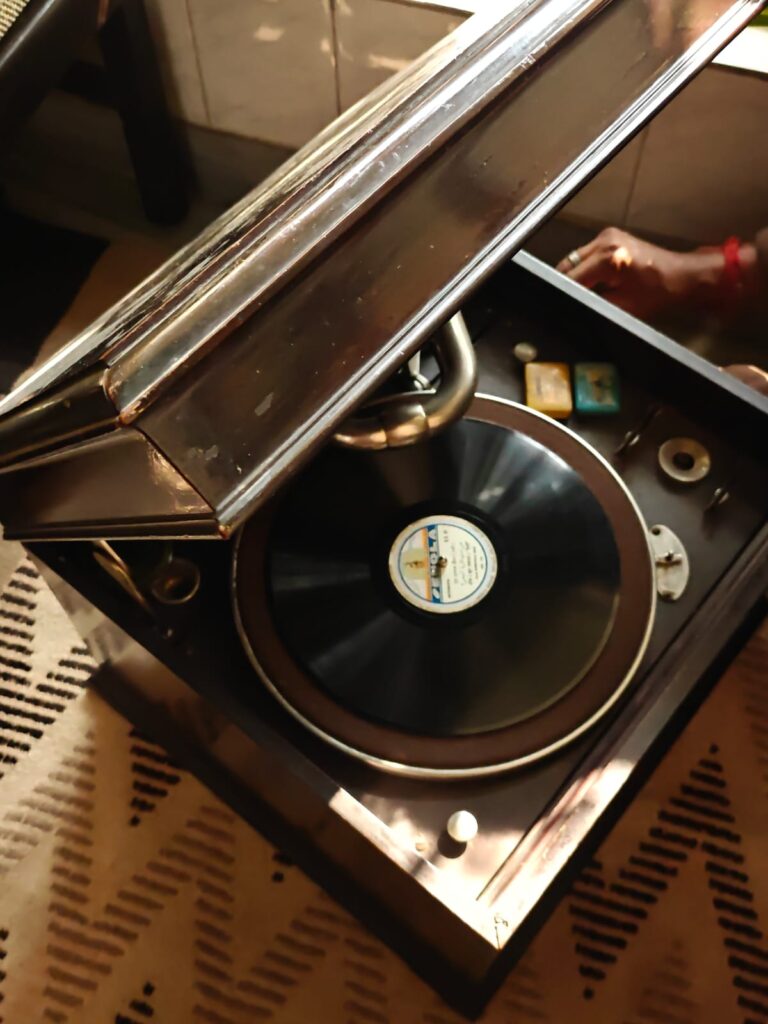
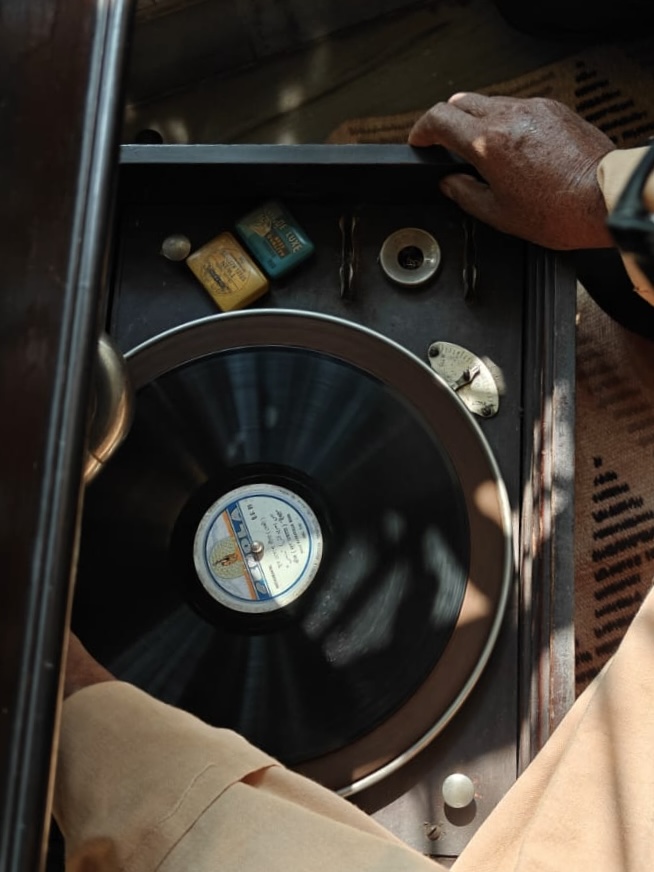
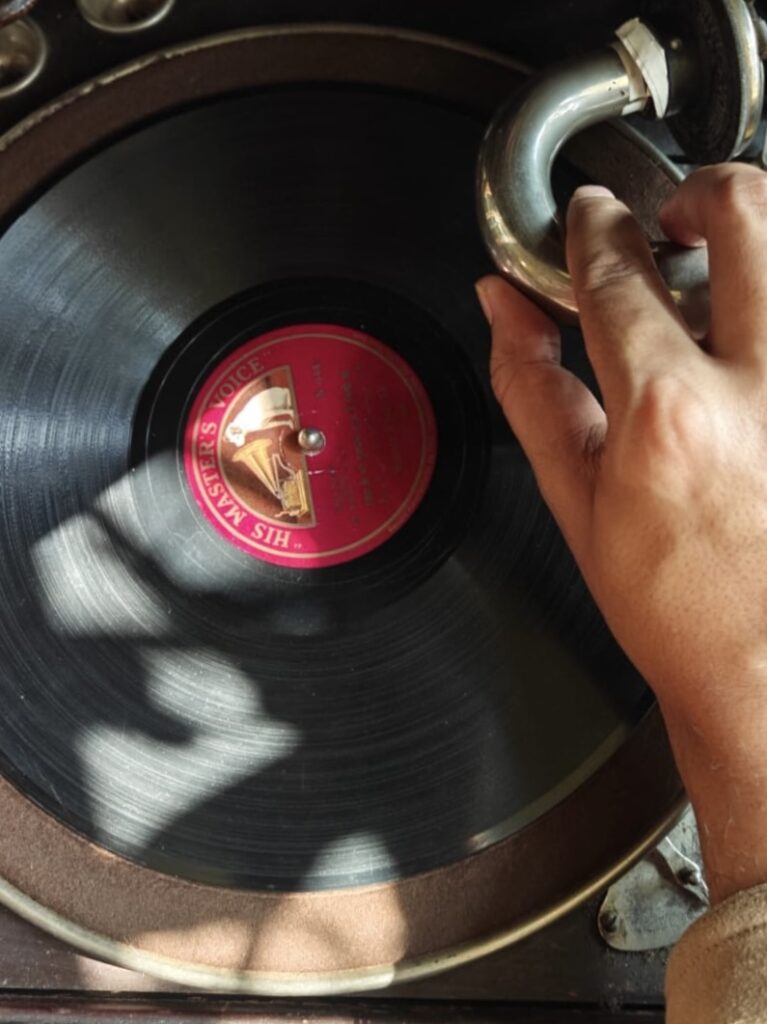
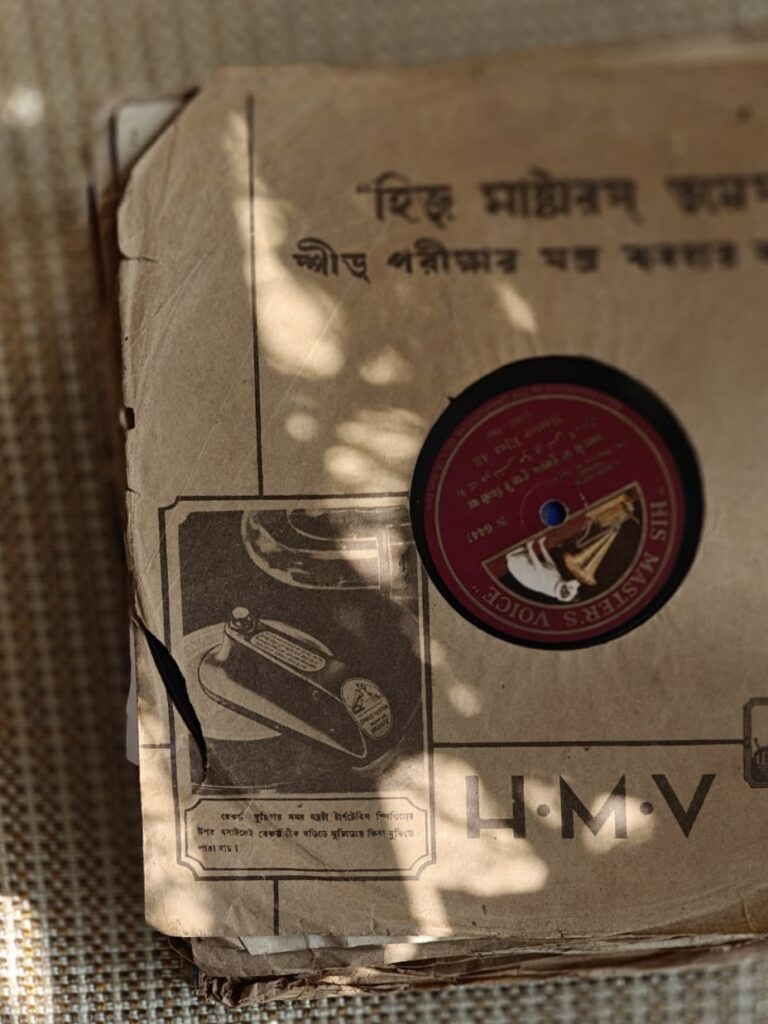
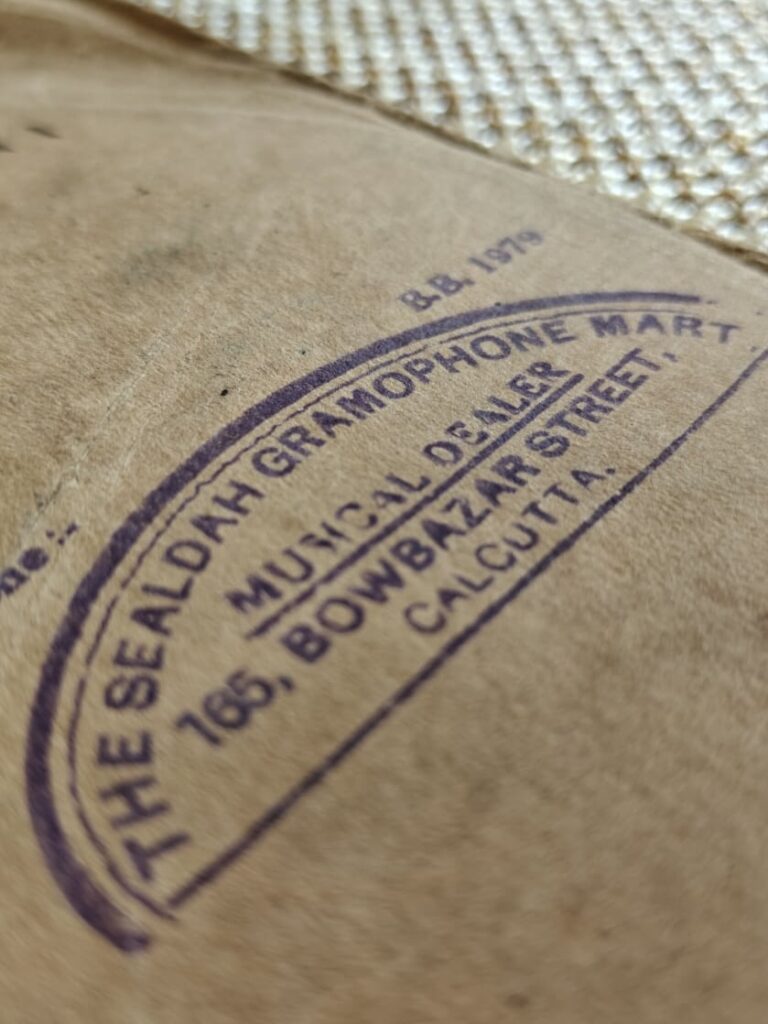
Compact in scale, approximately 16 × 14 × 19 inches, the Model 110 belongs to a rare tabletop lineage that internalized its horn, drawing sound inward before releasing it gently into the room. Within its oak case lies a cast-iron floating internal horn, its voice shaped by a front jaali lined with acoustic cloth, designed to temper the abrasive scratch of needle against shellac. A curved, ball-bearing tonearm, fitted with the original No. 2 soundbox, hovers above the turntable with restrained elegance. This was not a machine meant to announce itself; it was engineered for intimacy, for rooms where music was received rather than displayed.
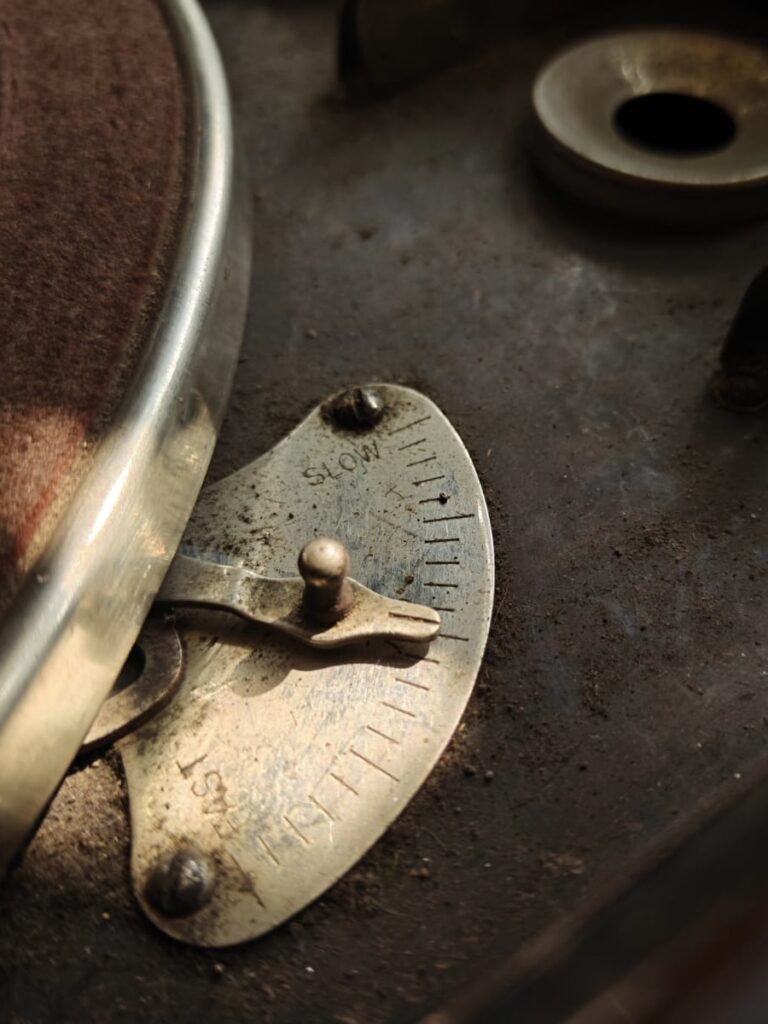
The gramophone is driven by a hand-wound dual-spring motor, its energy regulated through a governor to sustain the standard 78 revolutions per minute. A built-in speed control, still a refinement in the early 1920s, allowed subtle calibration – acknowledging that even mechanical music required judgment. The lid itself participates in the acoustics: closed, it filters surface noise and softens the violence of contact; open, it releases a fuller resonance. Listening here is a physical choreography of winding, lowering, waiting.
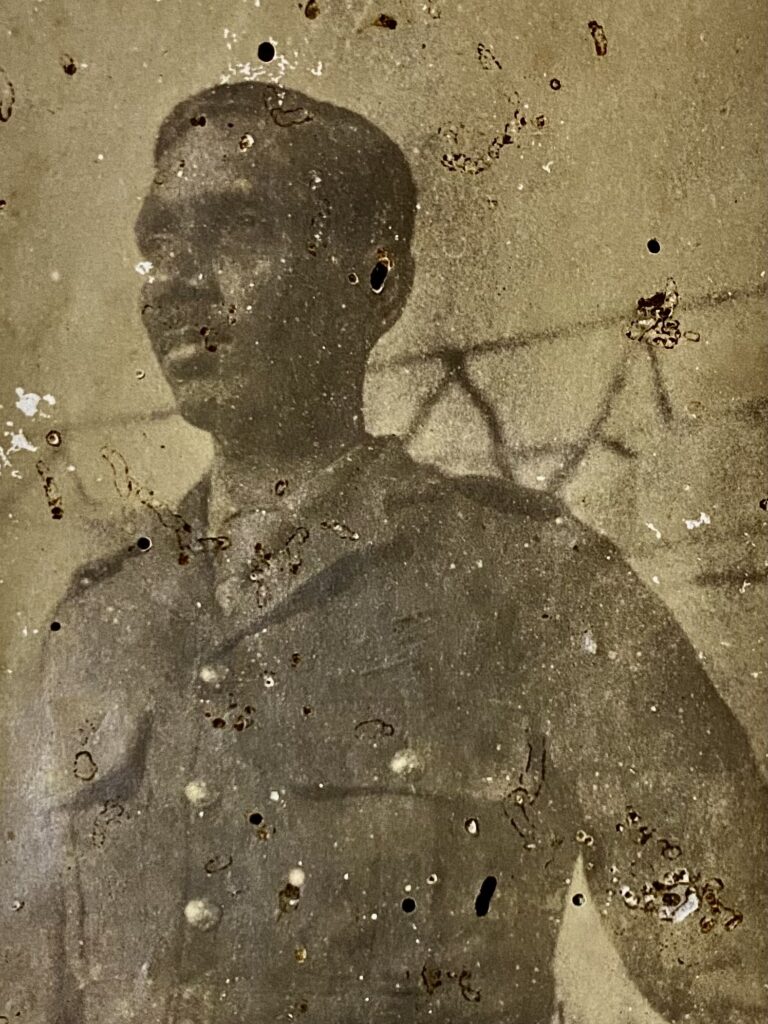
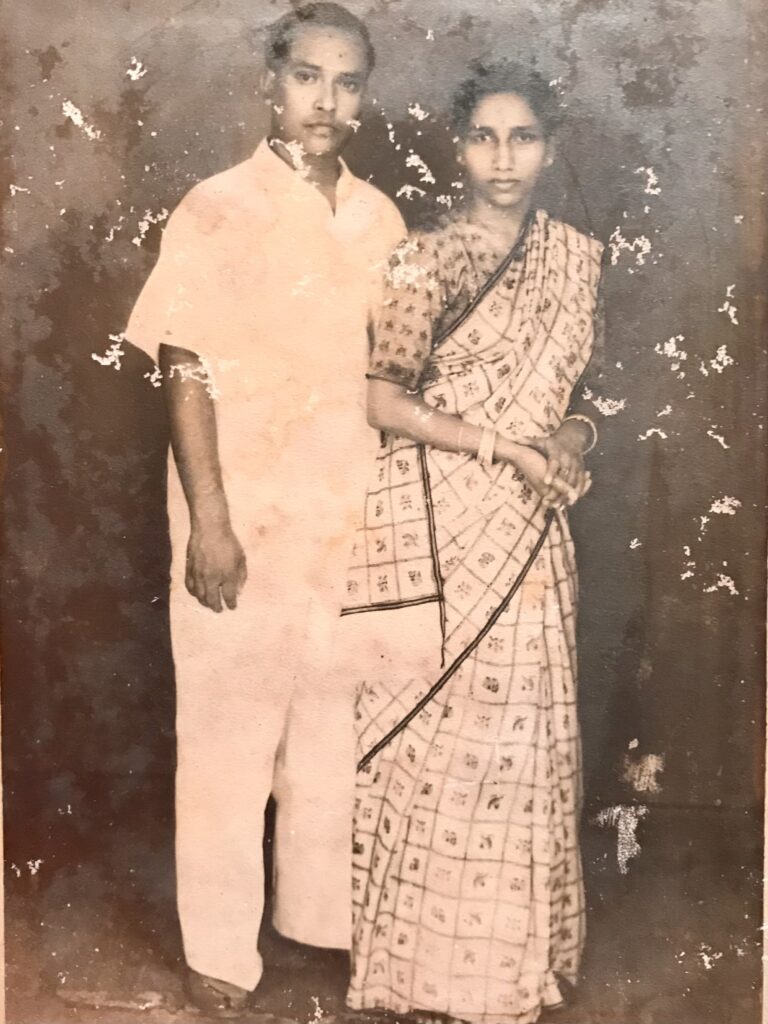
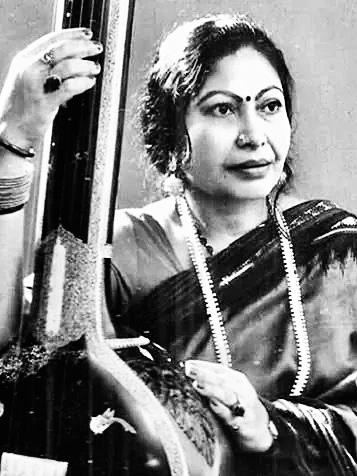
This machine speaks the language of shellac alone; later vinyl would have been alien to its weight and pressure. By the early 1920s, HMV gramophones circulated widely across Europe, particularly in university towns and provincial centres where British-made instruments symbolized both modernity and continuity. My mother’s grandmother recalled that her husband, Dr. R. C. De acquired it in Aincourt, Seine-et-Oise and brought it home by ship. Posted subsequently as Medical Director of B.B Civil Hospital in Jorhat, Assam, he carried the gramophone with him into the colonial margins, where it must have sounded improbably European and yet profoundly intimate. On retirement, it returned with him to Calcutta, passing eventually to my grandfather, Dr. Sudhir De, and settling into the quieter inheritance of family life.
When Dr. RC De brought the gramophone home to Bengal, it became not merely a device but a portal, through which generations of my family would hear the world resound. My grandfather, his eldest son, Dr. S.C. De also trained to be a doctor but imbibed the same curative power of both music and medicine, carrying resonances of khayal and thumri, singing with a voice that often filled our home. And his sister, Renuka Dey – her hands alive with the strings of the sitar – became prodigy of Delhi’s Gandharva Mahavidyalaya established in 1939. Into this musical lineage entered Vidushi Sumitra Guha, the first Andhra woman to sing Hindustani Classical, who married Pran Kumar Guha, my maternal grandmother, Kalyani De’s elder brother. And though she came from outside my maternal grandfather’s line, her artistry completed the musical heritage of our extended family. Thus, music threaded itself into our family, shaping rooms, conversations and even silences.
And here, still in my keeping, are the records.
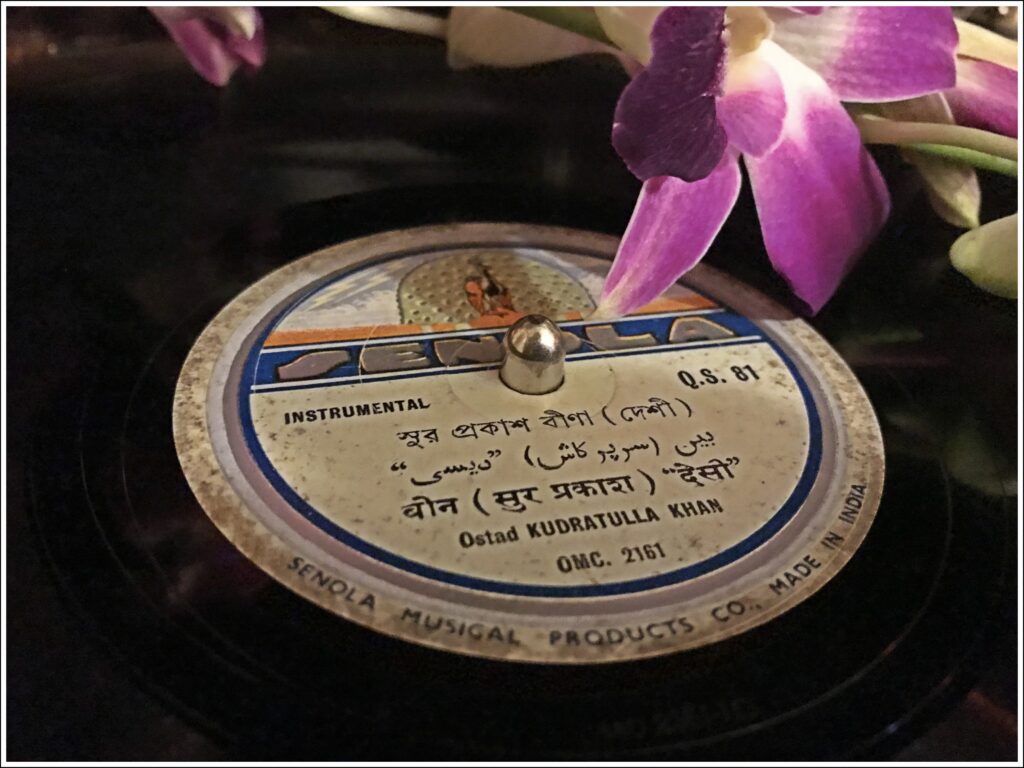
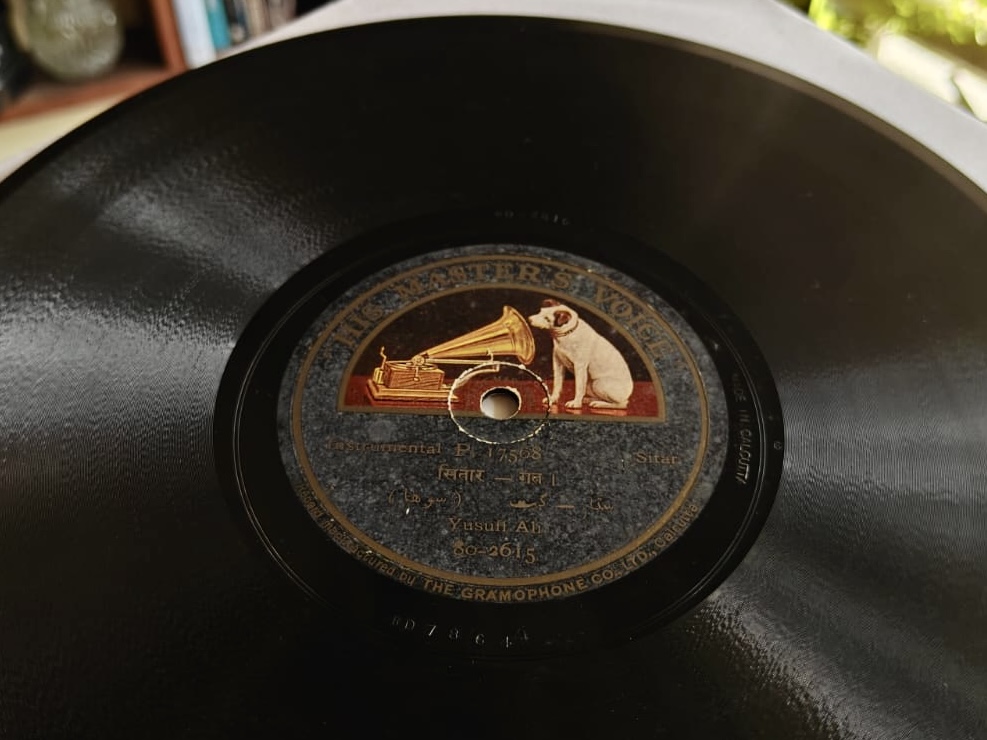
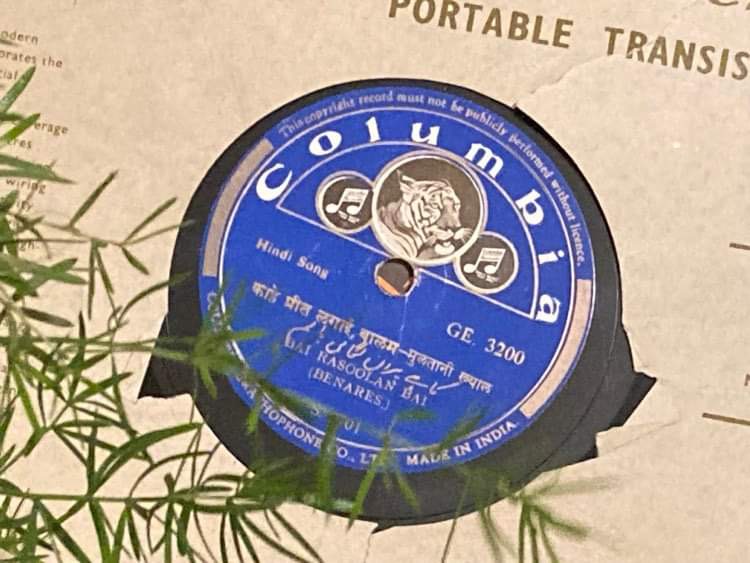
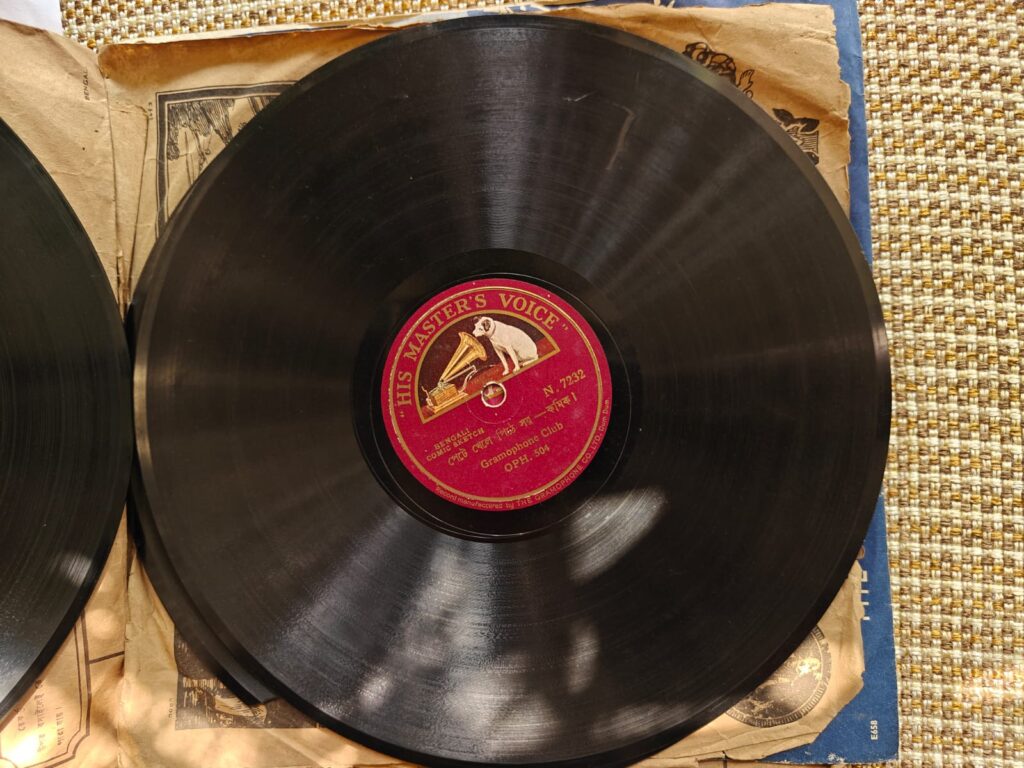
I lift one record first: Surprakash Veena by Ostad Kudratulla Khan, the OMC mark 2161 barely discernible. Its grooves hold a dusk-dark veena and the memory of inward mehfils, where music was devotion rather than display. Nearby rests Yusuf Ali, his sitar inscribed بيتجهوني, Hindustani longing rendered in Persian script and Prof. Abdul Aziz Khan’s scintillating vichitra veena. Rasoolan Bai’s Raag Multani follows – a Benares voice shaped in courtyard thumri, carrying both desire and defiance – then Yahid Khan, sitar lineage compressed into shellac.
Rambhao Ashtekar, Bani Mukherjee, Moni Majumdar, B.C Ghosh, P. Mondal braid sarod, violin, clarinet and piano into chamber intimacy. I linger at Sova Kundu’s Raag Kamod, the first woman sitarist to record for the gramophone, her sound asserting permanence where exclusion had long prevailed. The constellation widens with Narayan Rao Vyas, his son Shankar Rao Vyas, Omkarnath Thakur, a rare dialogue of Ali Akbar Khan and Ravi Shankar in Raag Kafi Zilla, and Vinayakrao Patwardhan, carrying Paluskar’s ethical pedagogy.
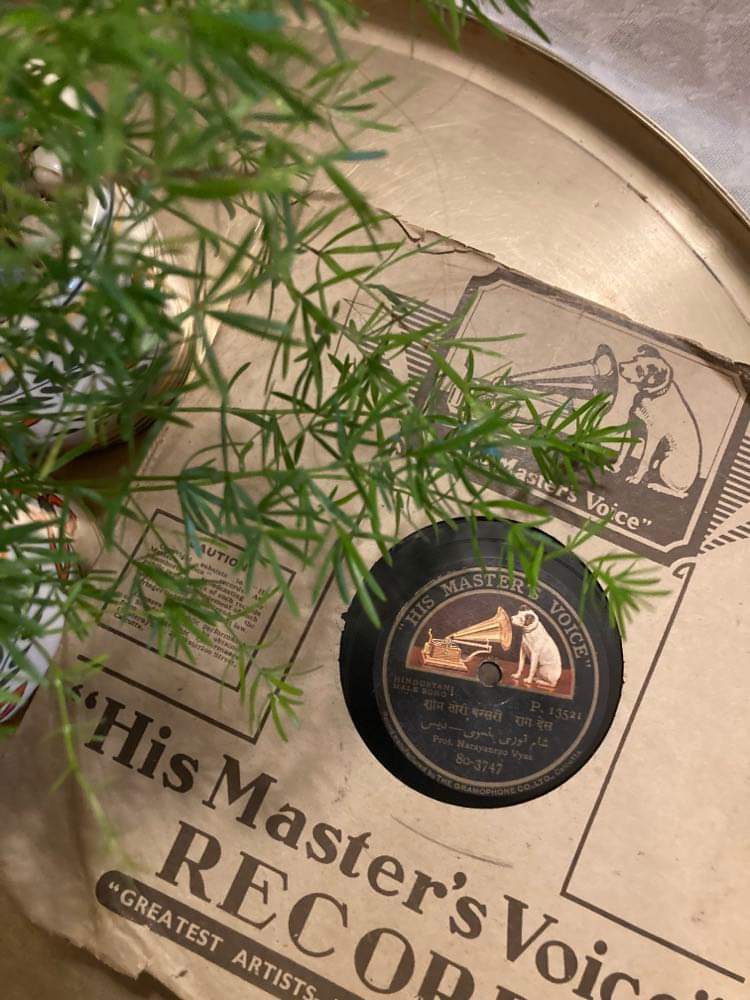
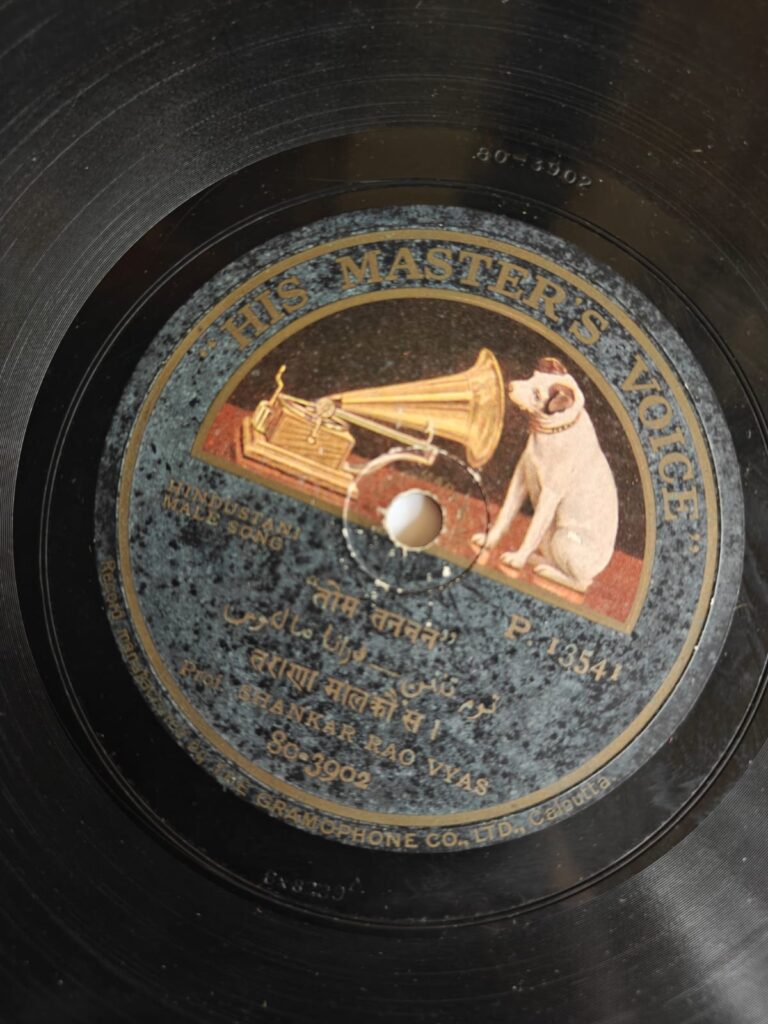
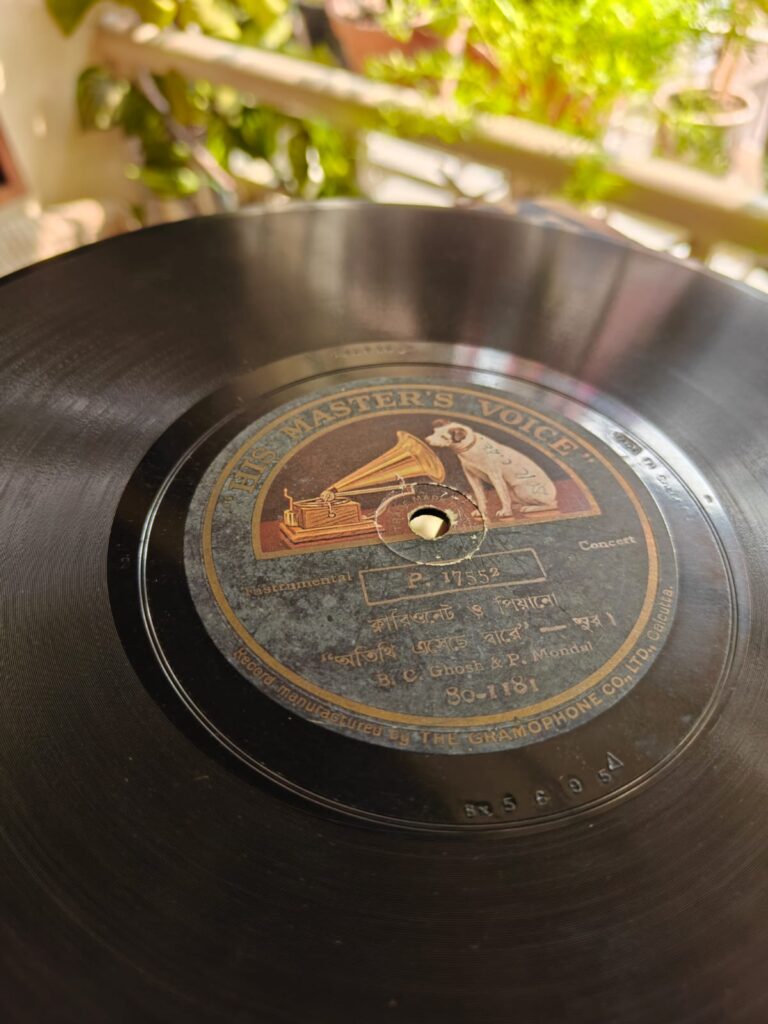
These records gathered listeners into our house – among them, Himangshu Dutta, the maker of modern Bengali music and Pt. Chinmoy Lahiri – leaning toward the crackling horn, interested in a musical future poised between court, radio, and public stage. The women’s archive deepened the room: Gauhar Jaan of Calcutta, announcing herself at the close of each take; Janki Bai and Maya Bhattachrya of Allahabad, Zohra Bai of Agra, Malka Jaan, Husna Jaan, Bangalore Nagarathnamma – all voices that pressed through stigma to claim audibility. Around them gather Bade Ghulam Ali Khan, thunderous yet tender; Amir Khan, stretching vilambit into contemplative time; Abdul Karim Khan, distilling Kirana’s translucence; Mallikarjun Mansur, commanding the rare and recalcitrant ragas of Jaipur-Atrauli. Each disc insists on memory at a moment when memory itself was fragile.
Interleaved are Western pressings my great-grandfather cherished: Bach’s Third Brandenburg under Eugene Goossens (1923), Beethoven from Leipzig and Berlin, Cortot and Hofmann. I imagine the stylus moving from Busoni to a Rasoolan Bai thumriin the same evening, as East and West inclined toward one another in the quiet of a single room.
What moves me most is the socio-political alchemy that made these discs possible. In the early twentieth century, colonial recording companies turned their horns toward the so-called “exotic”voices of the subcontinent, confining Indian musicians to marginal catalogues even as they amassed vast repertoires of European symphonies. It would be a grave simplification, however, to suggest that this music survived because of the gramophone alone.
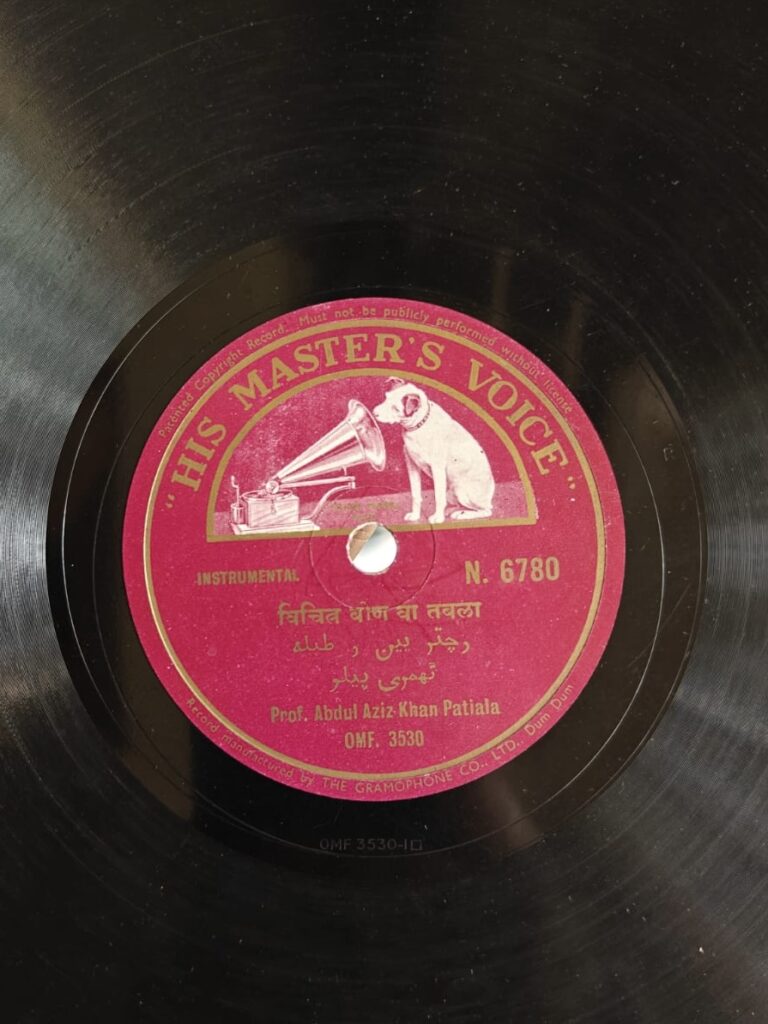
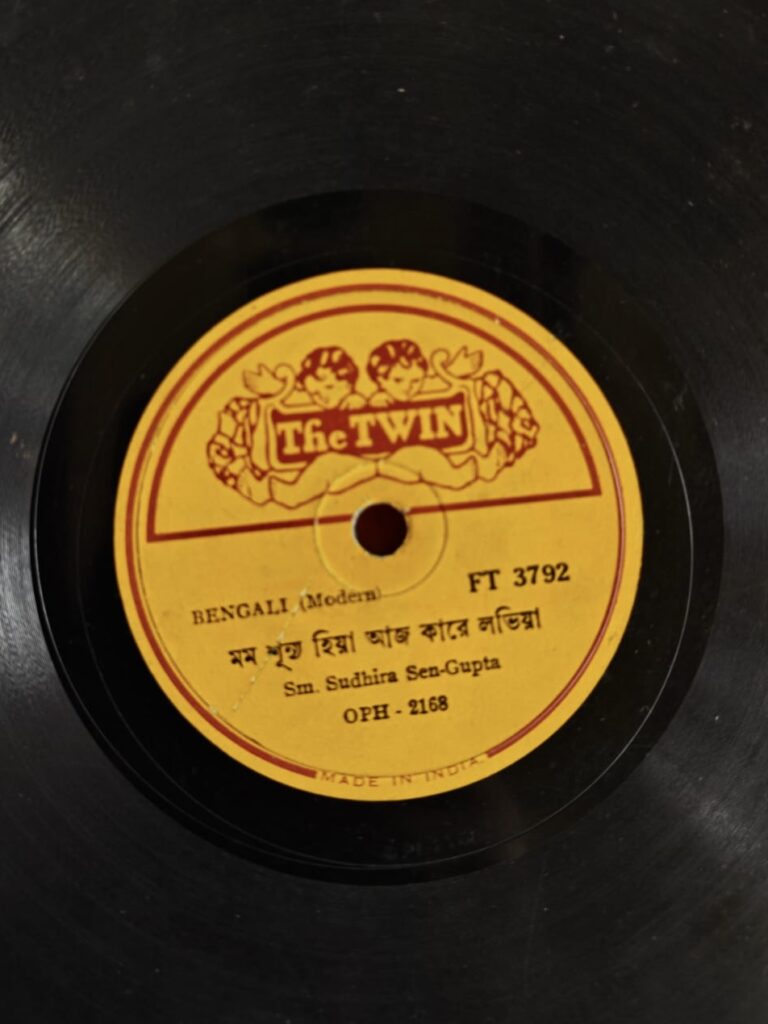
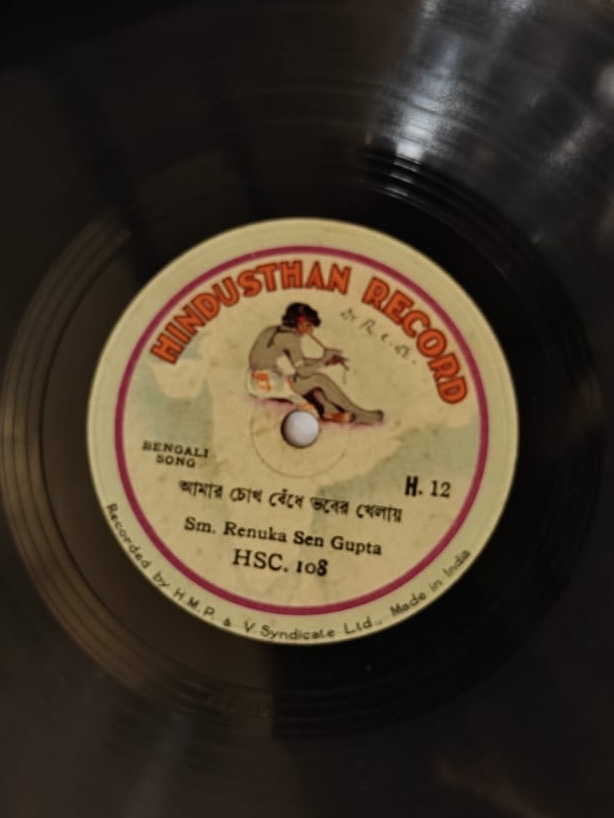
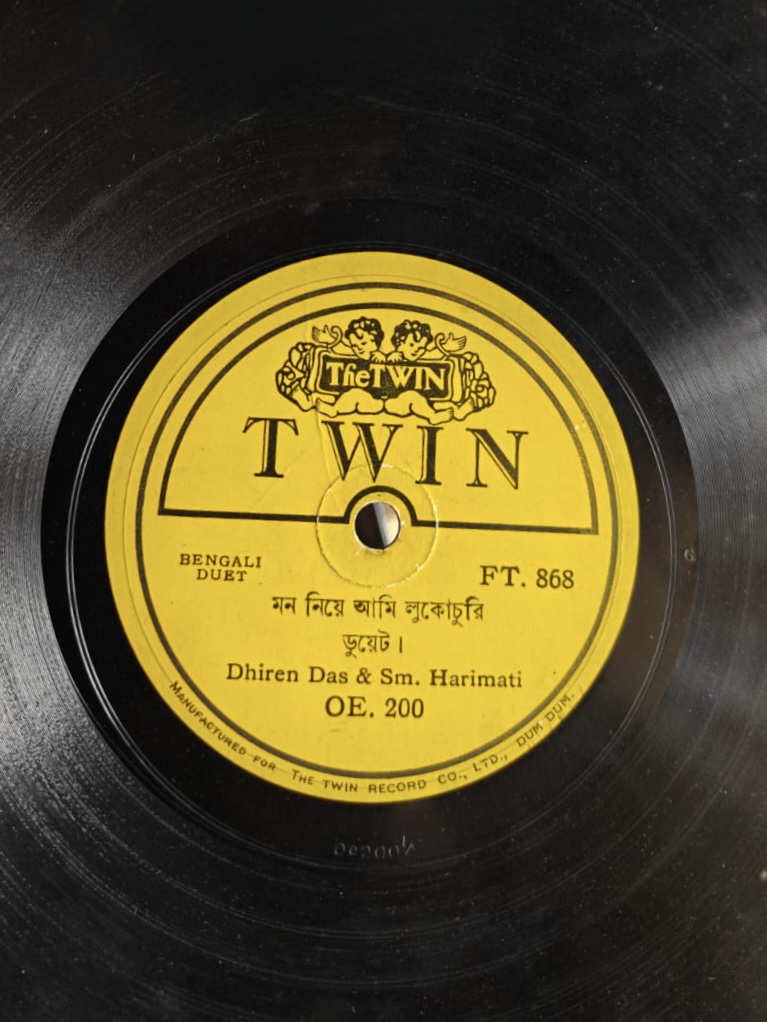
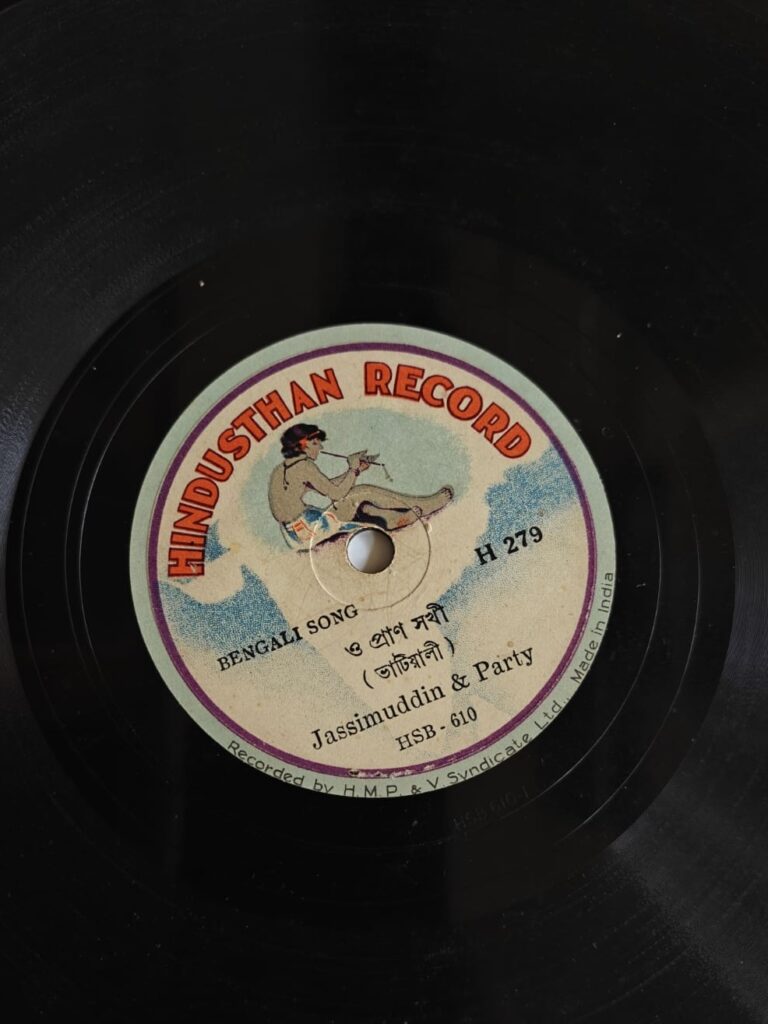
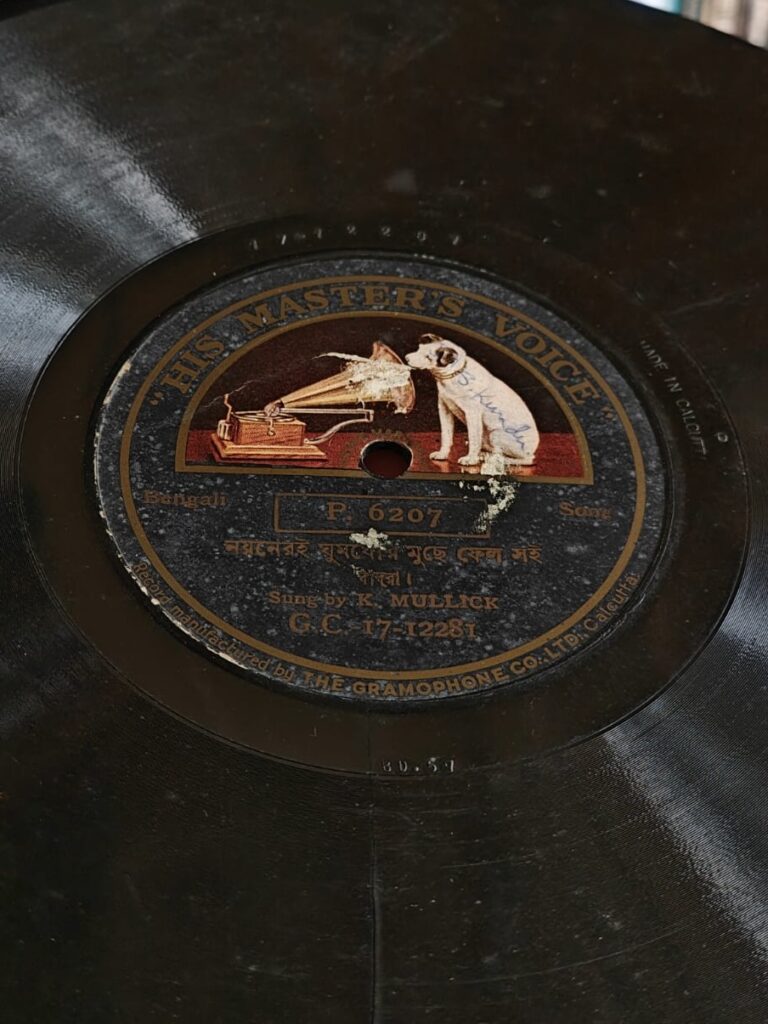
Long before shellac, the subcontinent had entrusted its arts to the oral transmission that carried epics across millennia and melodies across empires. These forms would not have vanished without wax and steel; they lived, and continue to live, in the bodies of students and the patience of teachers. And yet the gramophone, an artifact of Empire, also becomes an accidental archive: a gift that unsettles even as it preserves. To encounter these recordings is to feel both gratitude and disquiet – to recognize a treasury safeguarded through a structure that once sought to dominate it. What endures, finally, is not the Empire’s claim to preservation, but the music’s refusal to belong wholly to any single means of survival.
For my family, these records were never abstractions but were alive. They played not only in the evenings when my grandfather returned from his clinic, but also in gatherings when sitars and sarods were being tuned in the next room, when Renuka Dey rehearsed her gat, when friends and luminaries pressed their ears close to the horn.
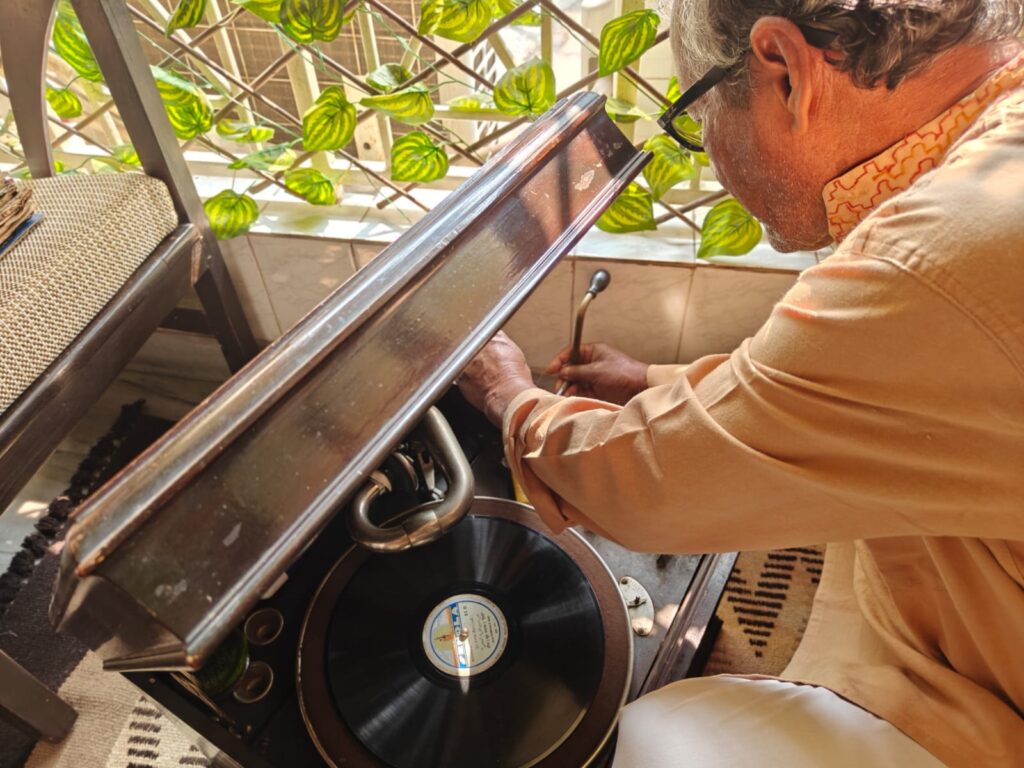
And in my mother’s telling, her most treasured memory of growing up was those Sunday afternoons when her father, my maternal grandfather, would set the gramophone turning. The air filled with voices – Rasoolan Bai’s aching thumri, Cortot’s storming piano, Ravi Shankar’s sitar – and with them, her own musical sensibility was formed. That taste, refined in her girlhood, would in turn filter into me, shaping my ear, my longing, my own path through the worlds of sound. Even now, when I hold them, I feel not just their historical weight, but also their pulse in a household where medicine and music coexisted, where healing came through stethoscope and song alike.
The gramophone still rests, silent until I wind it. The records, stacked and fading, carry an entire century inside their grooves. And in that chain of listening – my great-grandfather in France, my grandfather in Bengal, my mother on her Sunday afternoons – I too take my place, carrying forward a legacy not of inheritance alone, but of sound.
Bibliography and references
1. Bor, Joep. The Voice of the Sarangi: An Illustrated History of Bowing in India. National Centre for the Performing Arts, 1986.
2. Neuman, Daniel M. The Life of Music in North India: The Organization of an Artistic Tradition. University of Chicago Press, 1990.
3. Manuel, Peter. Cassette Culture: Popular Music and Technology in North India. University of Chicago Press, 1993.
4. Farrell, Gerry. Indian Music and the West. Oxford University Press, 1997.
5. Booth, Gregory D. Behind the Curtain: Making Music in Mumbai’s Film Studios. Oxford University Press, 2008.
6. Sanyal, Ritwik & Widdess, Richard. Dhrupad: Tradition and Performance in Indian Music. Ashgate, 2004.
7. Deshpande, V. H. Indian Musical Traditions: An Aesthetic Study of the Gharanas in Hindustani Music. Popular Prakashan, 1987.
8. Clayton, Martin. Time in Indian Music: Rhythm, Metre and Form in North Indian Rāg Performance. Oxford University Press, 2000.
9. Clayton, Martin. “Recording and Representation in Hindustani Classical Music.” Ethnomusicology Forum, vol. 10, no. 1, 2001.
10. Katz, Mark. Capturing Sound: How Technology Has Changed Music. University of California Press, 2010.
11. Day, Timothy. A Century of Recorded Music: Listening to Musical History. Yale University Press, 2000.
12. Lelyveld, David. “Upon the Subdominant: Administering Music on All-India Radio.” Social Text, no. 39, 1994.