Heirloom of silk and silver
This type of ghagra or popularly known as ghagri, is typically found among families belonging to the Shekhawati region of Rajasthan. This ghaghri was my great-grandmother, Tejwati Sekseria’s.
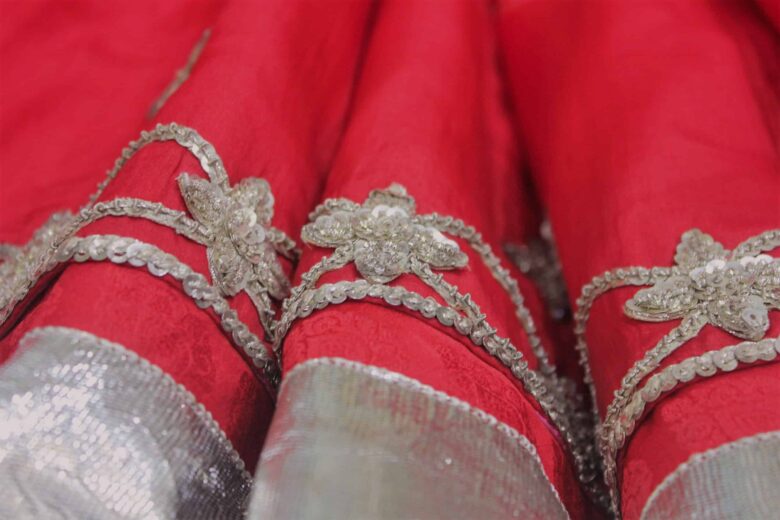
This type of ghagra or popularly known as ghagri, is typically found among families belonging to the Shekhawati region of Rajasthan. This ghaghri was my great-grandmother, Tejwati Sekseria’s.
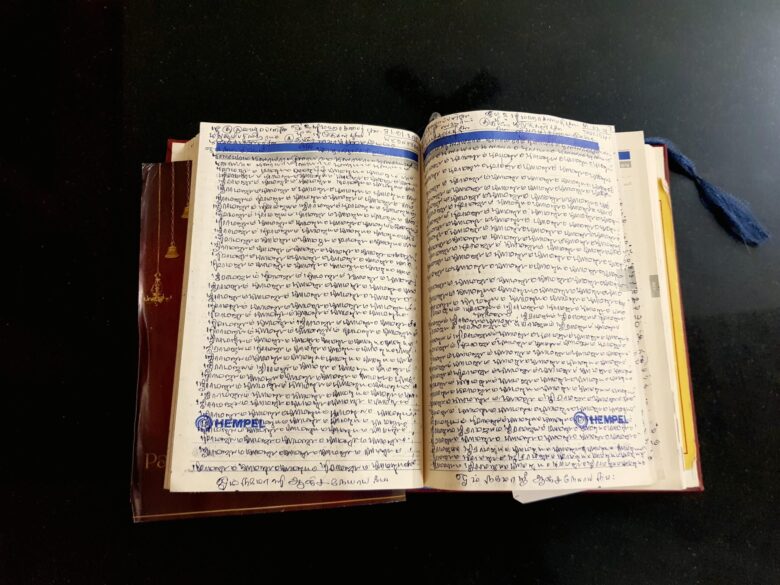
Since 1987, not long after he retired as Class II Income Tax officer, thatha has been filling up one page a day with the words Sri Rama Jayam, meaning Jai Sri Ram in Tamil. Every single day, the same words repeated until they cover the entire page.
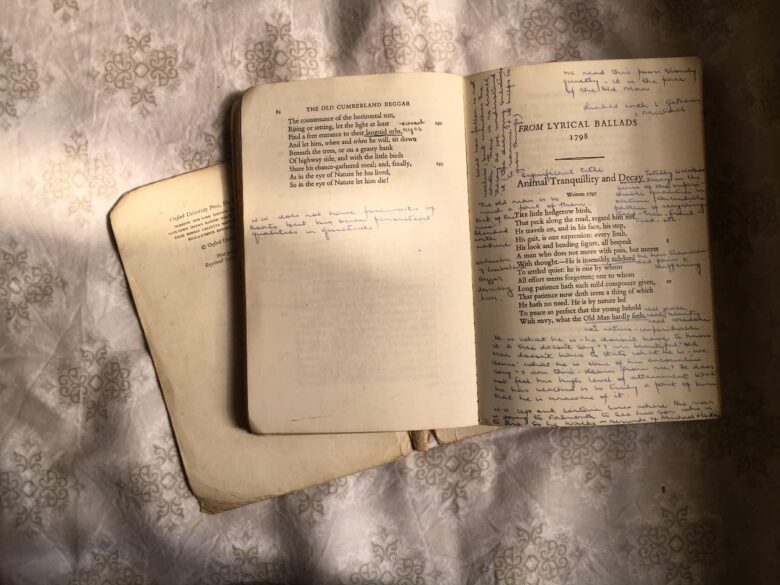
That’s the thing with tangible objects. They demand to make their presence felt. It’s impossible to ignore the texture of paper made brittle over time, the smell of it, the weight of history that’s contained within. More than the fact of the object, a book in this case, it suggests the owner’s state of mind.

These buttons used to belong to my maternal grandfather, my nana, Sri Ram Puri, who must have likely bought them in the 1920s or 1930s. When he died, my mother received two sets of these buttons from my nani, his wife. One was given to Dolly, my sister and I got these ones.
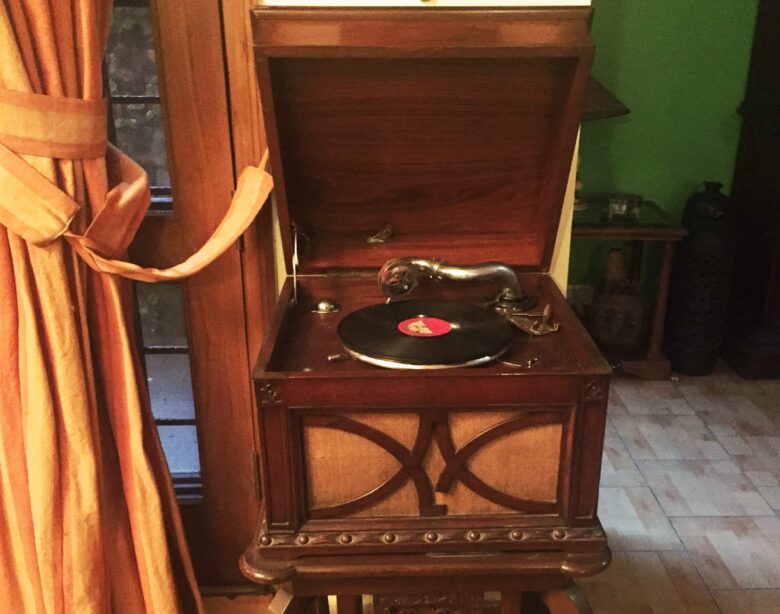
I never knew my nana, my maternal grandfather. Everything I know about him is through conversations with my mother. His name was Sri Ram Puri and he worked as an engineer with the royal families in Punjab and Rajasthan. This gramophone belonged to him.
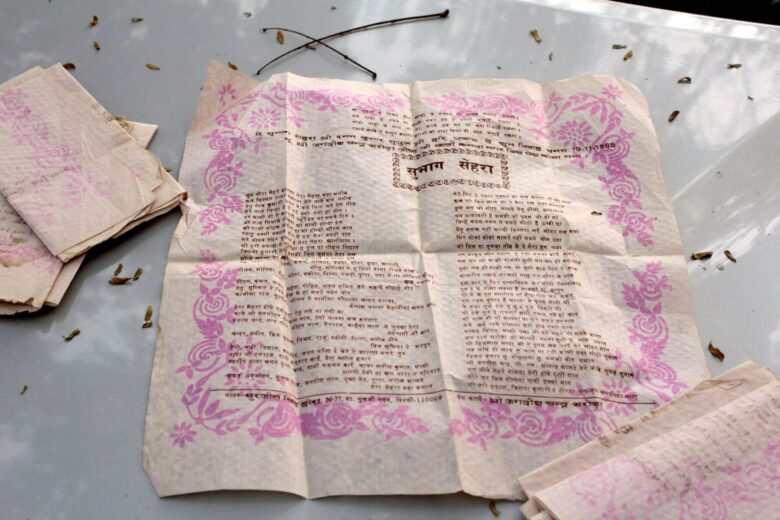
At first, when I found it in a drawer in the house, I thought it was an old receipt. But as I unfolded it, I was stunned by the beauty of the paper. This was no old receipt, and when I held it out to my mother, she recognized it straightaway! This is called ‘Sehra’ or a ‘Subhaag Sehra’ to be precise.