
TEXT AND PHOTOGRAPHS BY VAYDEHI KHANDELWAL
Bareilly, Uttar Pradesh, India
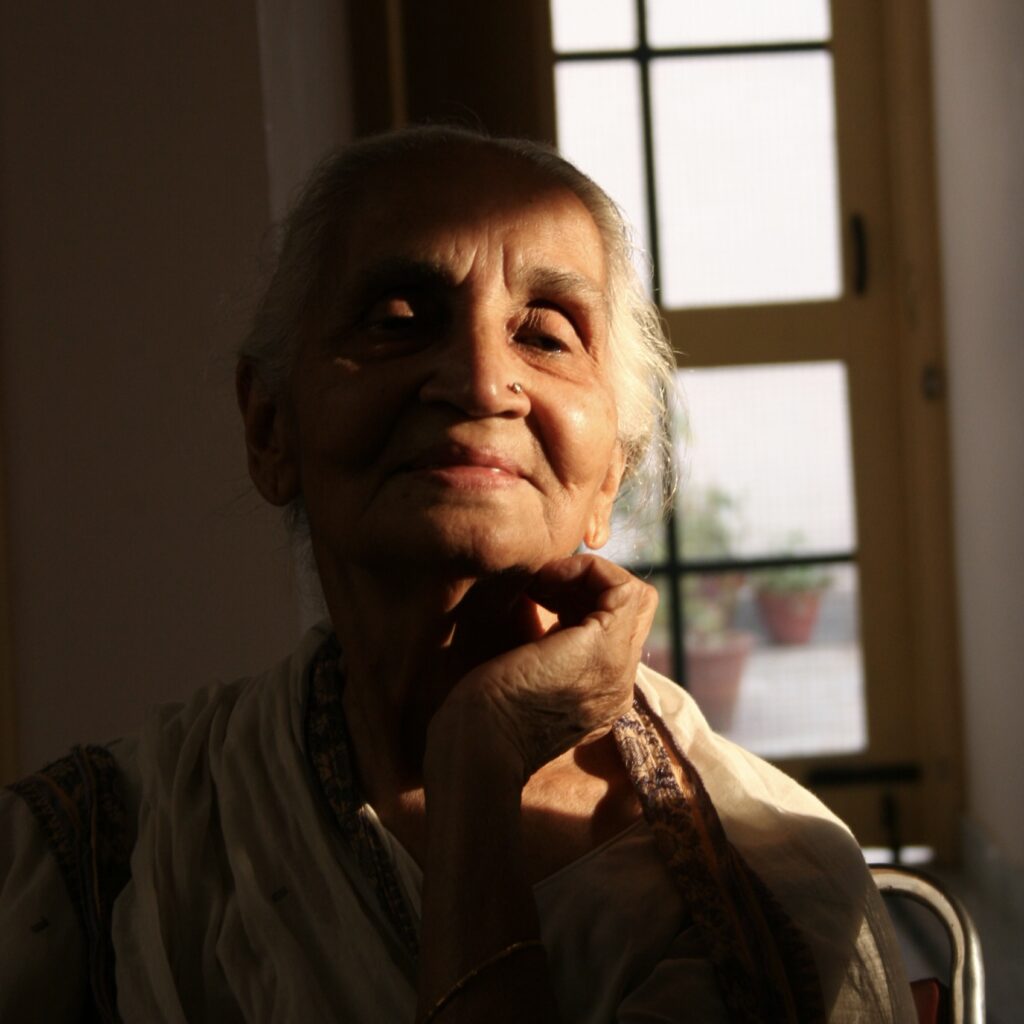
The earliest memory I have of my grandmother’s face is her nose pin. That shiny little diamond on her nose catching the light. As a child, I was fascinated by it. I would sit close to her while she spoke, sang bhajans, crocheted, pored over her diary, or indulged in flipping through a magazine during rare idle afternoons, as my eyes would drift towards that little dot of sparkle on her face. It never felt like jewellery to me. Rather, it was part of her, as natural as the sarees she wore or the sound of her voice.
In 1939, the year she got married, the sparkle travelled from Benaras, where she was born and raised, to the mufassil town of Bareilly. She was the eldest of four siblings and grew up in a family known as the “Bartanwaale” — reputed manufacturers of brass and steel utensils used for puja. I like to imagine my great-grandmother stepping into one of the old jewellery shops frequented by the family, tucked in the narrow lanes of Man Mandir in Benares, to choose a diamond nose pin for her daughter.
In her wedding trousseau, my grandmother was given more than just the diamond nose pin. My mother recalls that she received nearly 120 tolas of gold, silver, and large copper utensils. My father, however, remembers a different story. As life became difficult, much of that jewellery was sold. With many children to raise, those ornaments slowly transformed into school fees, wedding expenses—not only for her own children but also for her brother-in-law’s and sister-in-law’s weddings—and the everyday cost of keeping a household together.
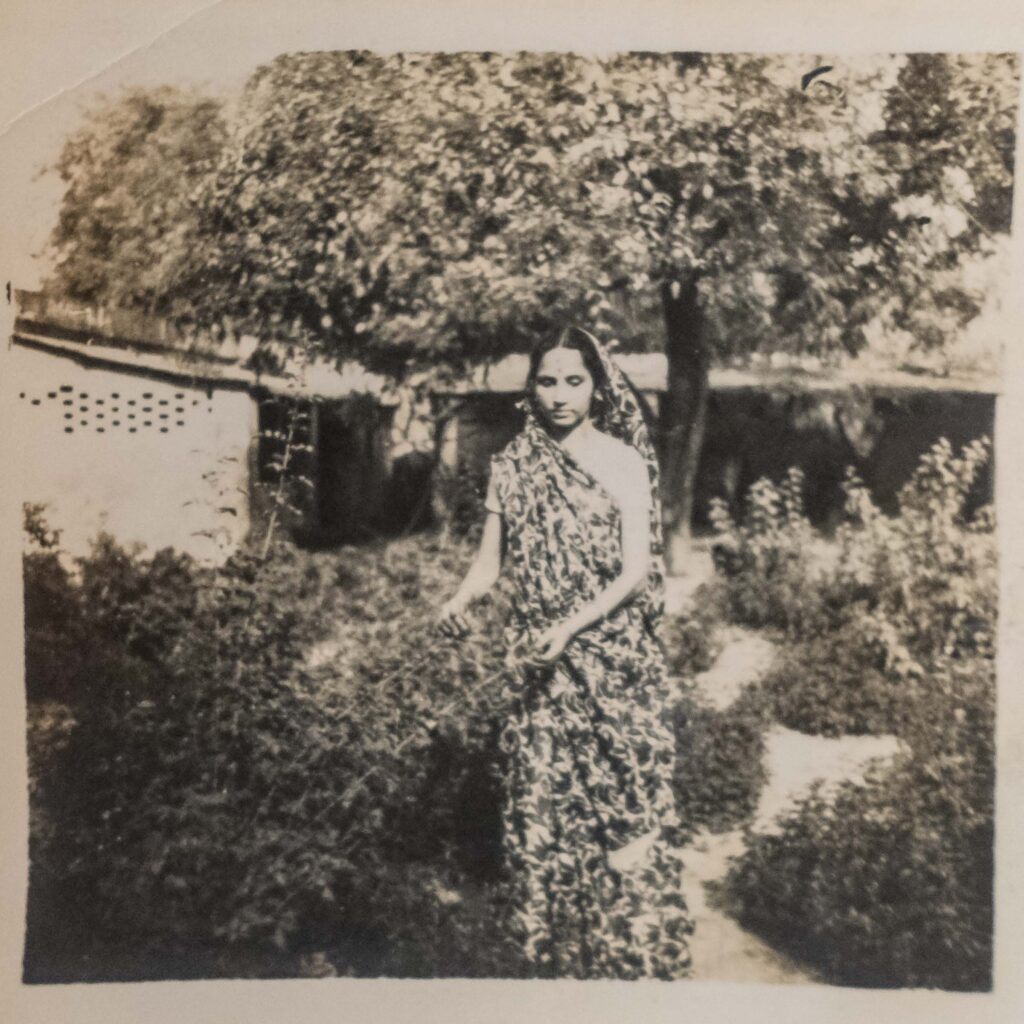
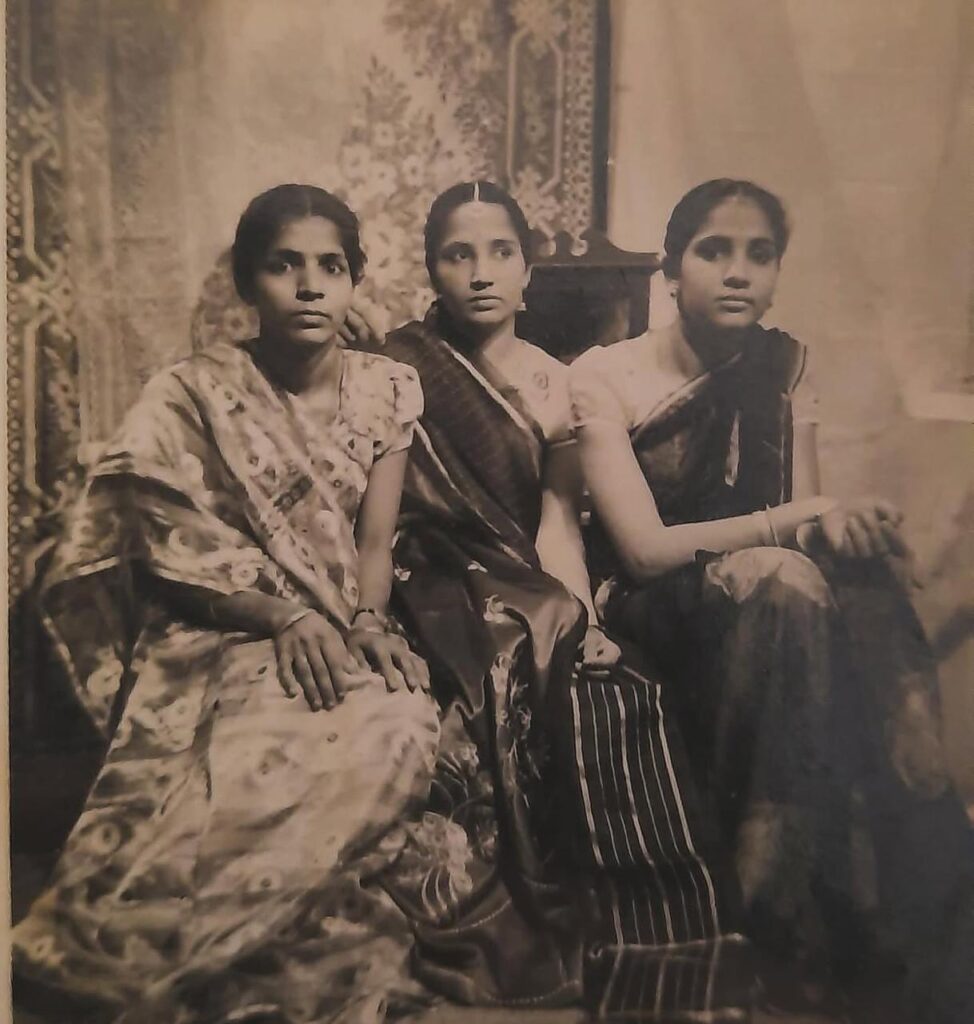
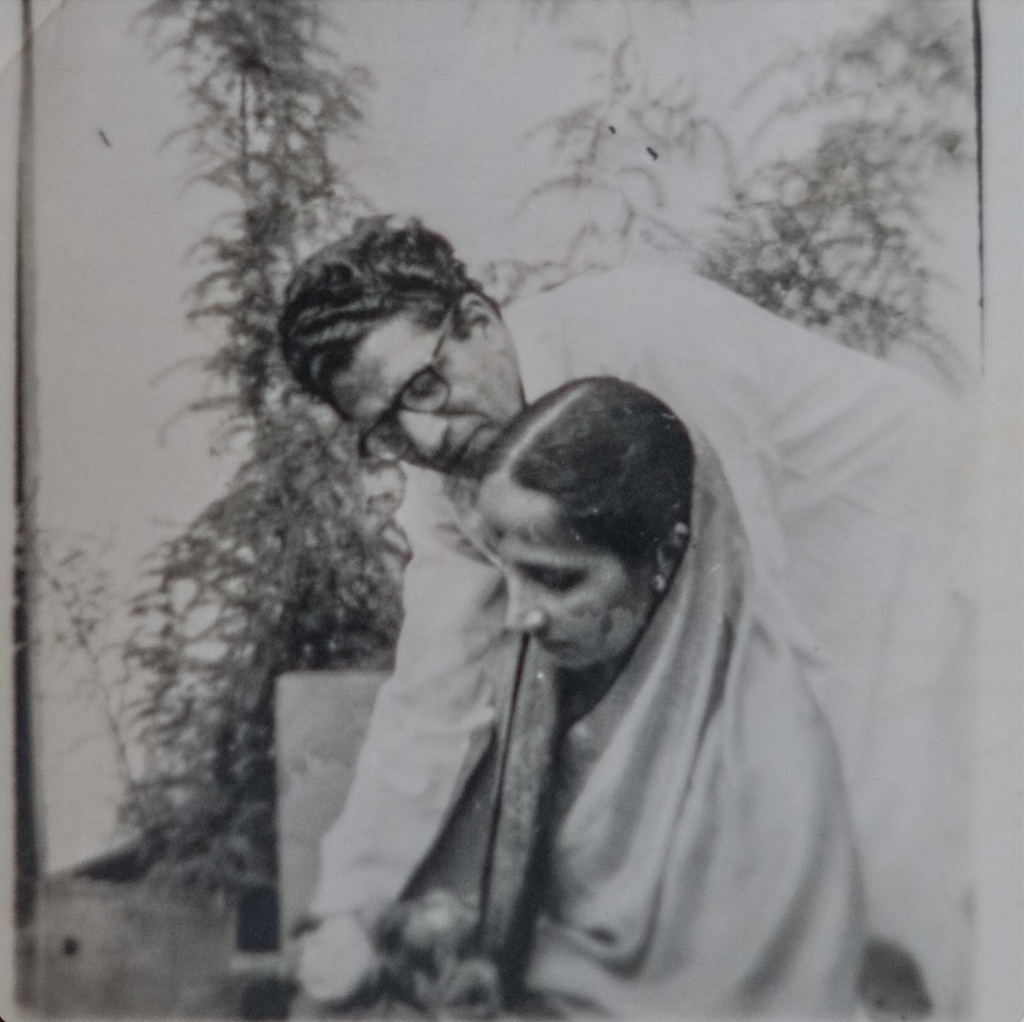
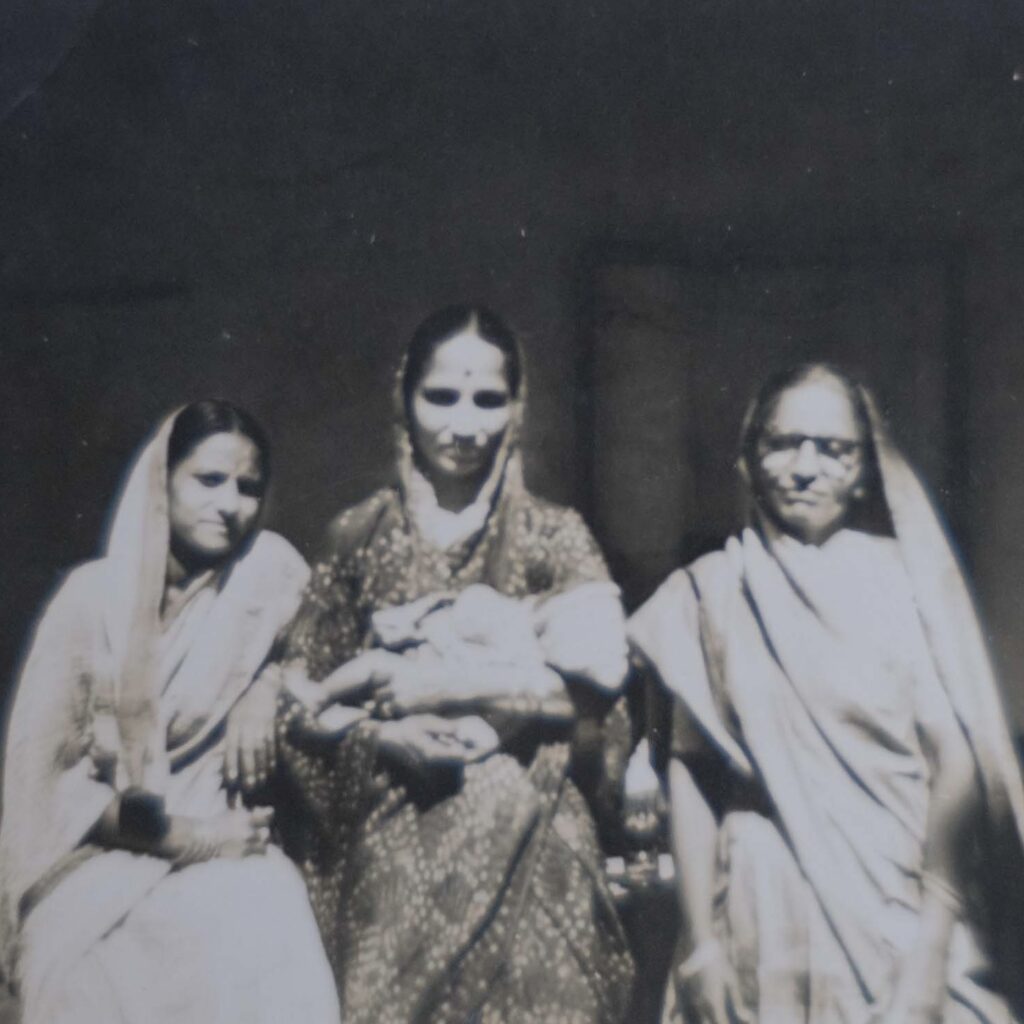
By the time I knew my grandmother, all that remained was a small box containing a gold chain, a few bangles, and a pair of navratan earrings. The nose pin, however, never left her face. It stayed through the years when everything else disappeared, and it stayed to witness the good times that followed.
My great-grandmother wore a similar nose pin too, and in many Indian communities, the nose pin is considered more than just a piece of jewellery. A sort of coming-of-age ritual, like the mangalsutra, marks a woman’s transition into married life, forming an important part of her bridal trousseau. It is one of the Solah Shringar—the sixteen traditional adornments of a bride—and over time, came to symbolize marriage, femininity, and everyday grace. In Hindu tradition, piercing the nose is also said to honour Goddess Parvati, the goddess of marriage.
The nose pin is believed to have arrived in India between the 11th and 13th centuries, but it was during the Mughal period, particularly through the royal courts of Delhi and Benaras[1], that it became an ornament of beauty, status, and craftsmanship. What may have begun as a simple custom gradually found its place in homes across the country, becoming one of the few pieces of jewellery worn not only on the wedding day, but every day thereafter.
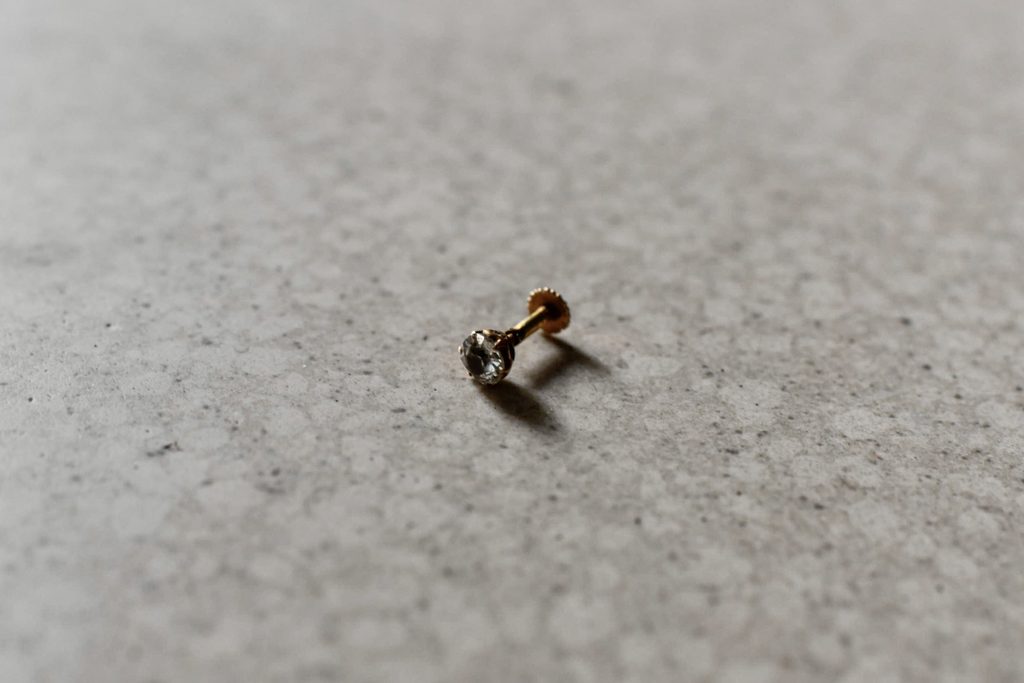
My grandmother’s nose pin stood the test of time. It was never exchanged or re-set into anything else. In fact, it sat exactly where it had been placed on the wing of her nose, witnessing every day of her life from when she left her parent’s home to meet a future she could scarcely imagine, to weddings, festivals, family gatherings, the birth of her children and grandchildren, deaths, trials, heartaches, arguments, ordinary afternoons and quiet evenings. Through difficult times, she carried herself with dignity, her head held high, and the nose pin never lost its shine.
The first time I ever saw her without it was after she passed away in 2017. It had to be removed before the last rites, because it is believed that the soul should depart in its purest form, free from worldly possessions. In Hindu tradition, after death, the body is bathed and wrapped in a white cloth for cremation. For women, this usually also means removing the chain, bangles, nose pin, and any other jewellery they may have been wearing. Only then are the final rites carried forward.
In my grandmother’s case, it was her helper, Vishna—who had cared for her for years and become one of her closest companions—who gently removed the nose pin. I remember the moment. As the tiny diamond nose pin came away, my heart sank. And for the first time, my grandmother looked unfamiliar. The small object I had associated with her all my life was suddenly gone. It was remarkable how something so inconspicuous had become such an inseparable part of her face, and of my memory of her. Without it, there was an emptiness I couldn’t quite explain.
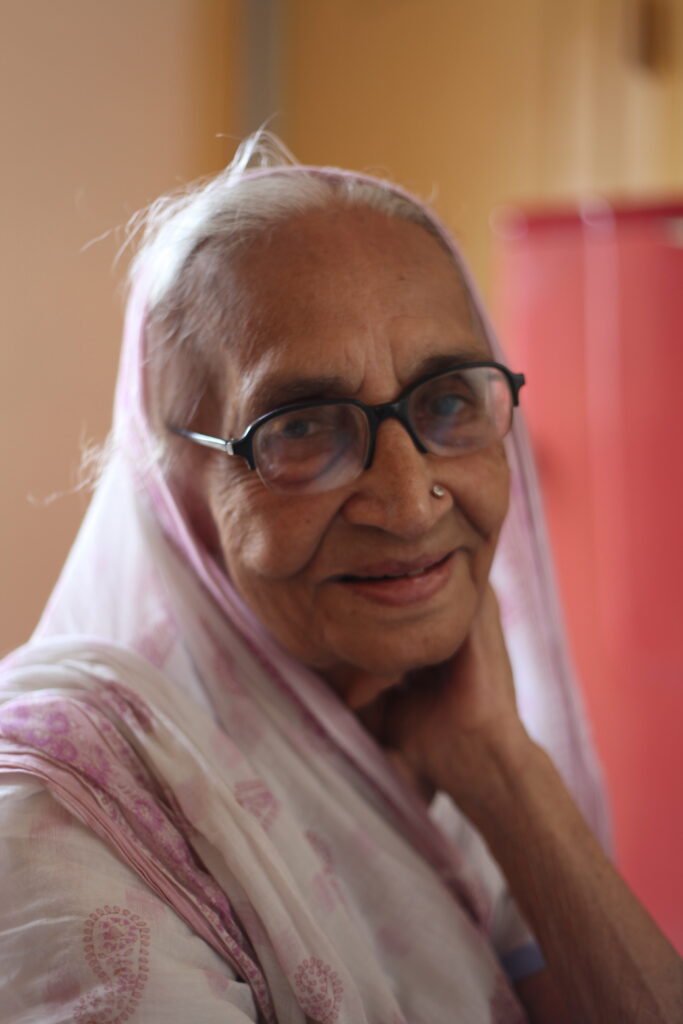
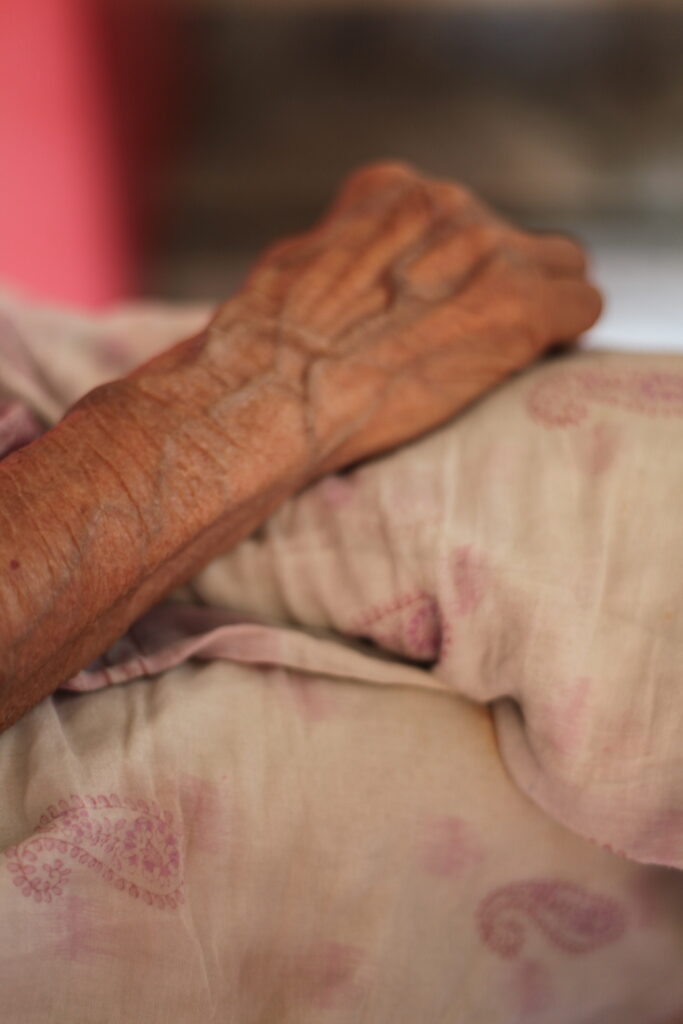
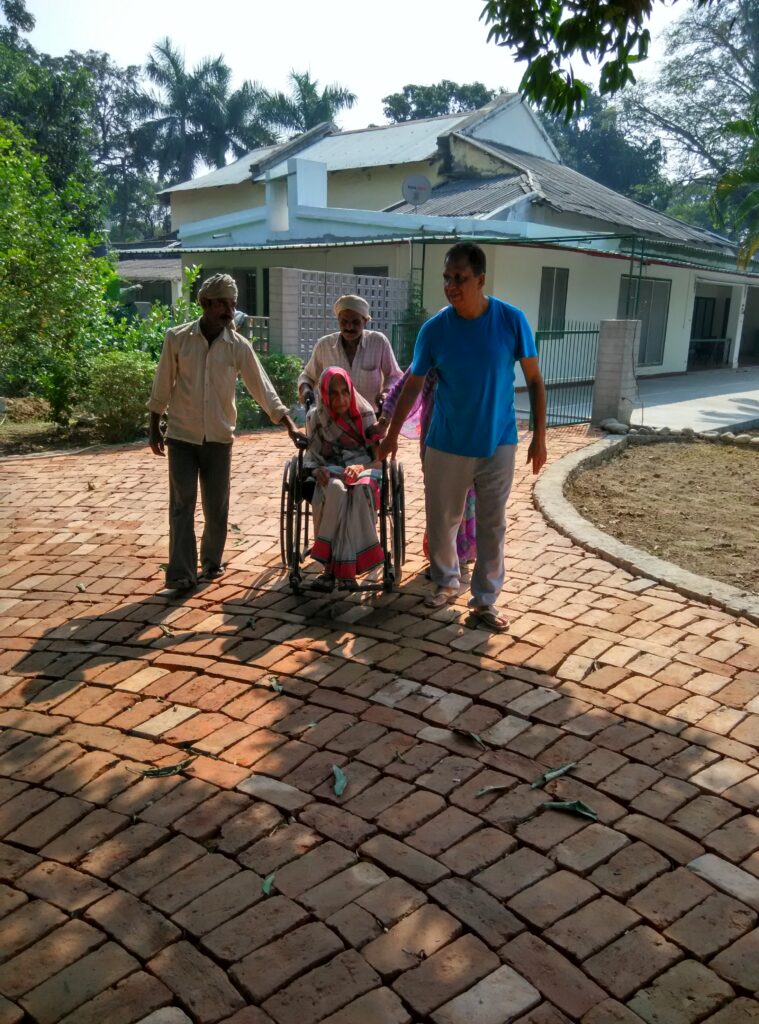
It was only later that I understood what I had witnessed. The removal of the nose pin was not merely the taking away of a piece of jewellery; it marked the beginning of her departure from the world we knew. The object that had travelled with her through marriage, motherhood, everyday routines and old age had finally completed its journey with her. In that small act of removing, I realised how deeply objects can become a part of a person’s identity, and how their absence can make us feel the weight of their departure.
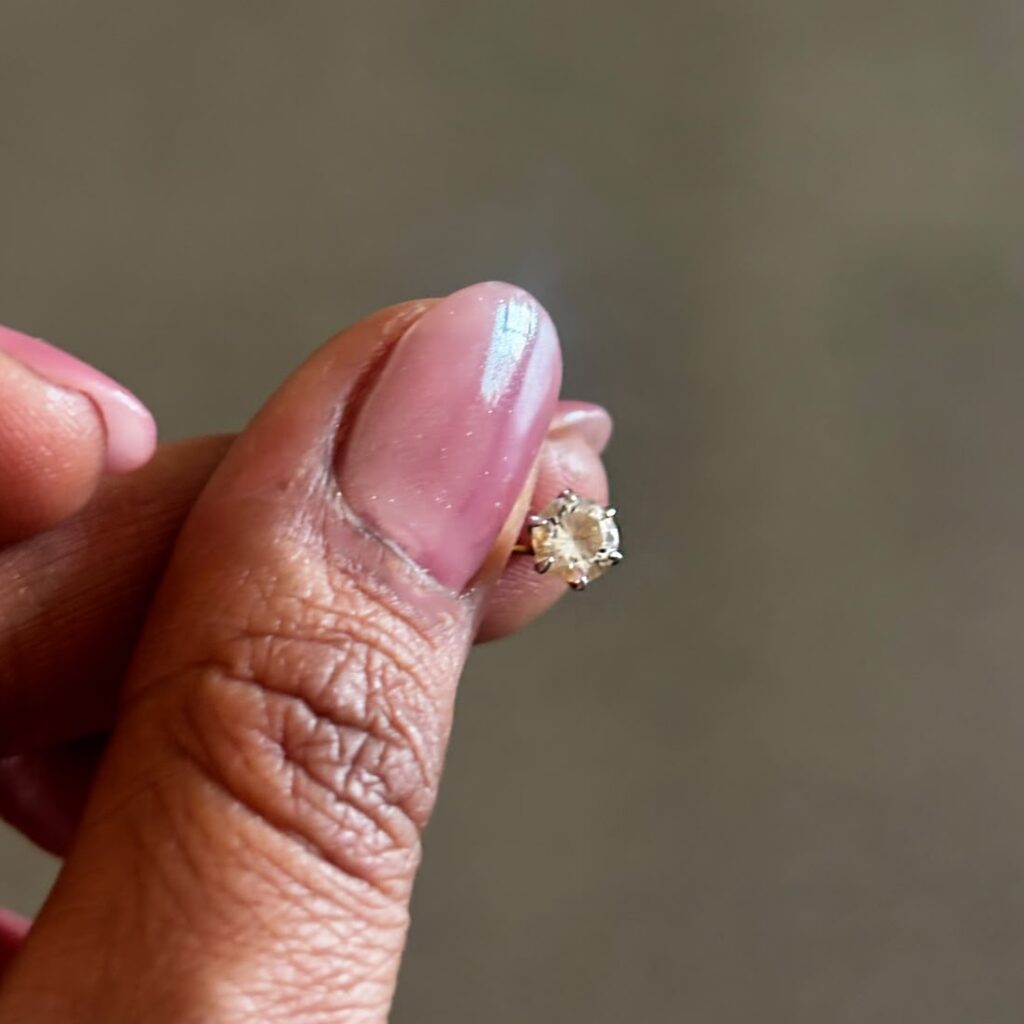
Later, the nose pin passed on to my sister. It was a very moving moment. She was visiting Bareilly in the same year our grandmother passed away, and it was then that my mother handed the nose pin over to her. There was nothing ceremonial about it, nor did anyone make an occasion of it. It happened on just another ordinary afternoon. Yet the moment my sister held the nose pin in her hand, we all became emotional. Tears began to roll down our faces.
I remember feeling two emotions at once. I was happy that the nose pin would continue its journey with someone in the family, cared for and worn once again. But at the same time, I knew I would never see my grandmother wearing it again. The object that had become so closely associated with her would now be a part of someone else’s life.
What I love the most is how a simple object like a nose-pin tells a story of something my great-grandmother chose, my grandmother wore, and my sister inherited. Maybe it is the things we wear every day that hold us the closest. A nose pin, a ring, or a bangle sits against our skin for years. It becomes such a part of us that we almost forget it is there. It witnesses a lifetime without ever saying a word. I like to think that every generation leaves a little of themselves behind in these objects. Not in a literal sense, but through the lives they have lived while wearing them. They carry the touch of familiar hands, the warmth of the person who wore them, and the memories attached to them. With every passing generation, they gather another story, another life.

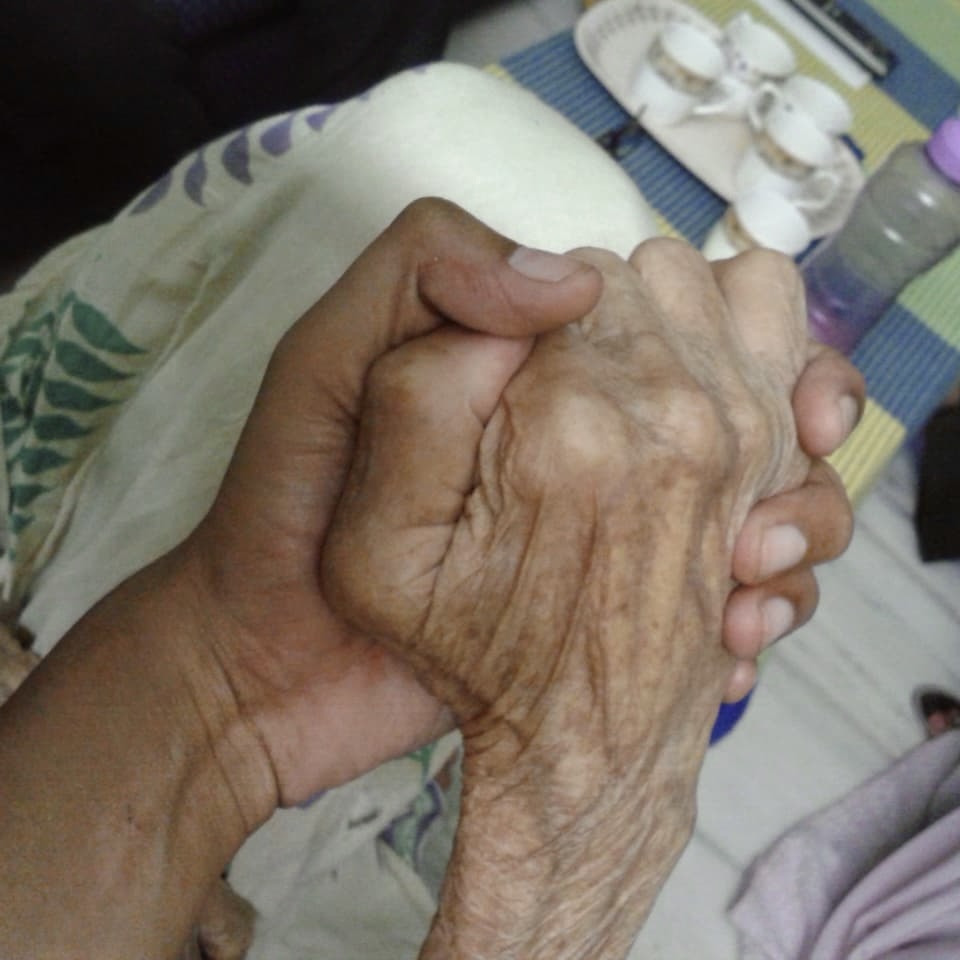
Over time, these objects become much more than mere jewellery. They become reminders of the people who came before us. They connect us to the family we have loved, and sometimes even to those we never had the chance to know. They keep memories alive in the simplest way.
Perhaps that is why my sister holding my grandmother’s nose pin made us all so emotional. It wasn’t just jewellery being passed down. It carried my grandmother’s presence, her everyday life, and all the years she had worn it. Watching it move into the next generation felt like knowing that a small part of her story would continue to live on. More than eighty years later, the nose-pin continues to be part of our family’s story; a remnant of her life. Even today, when I look at old photographs of her, my eyes naturally pause at it. My grandmother’s name was Parvati Devi. Many years after her death, I learned that the goddess Parvati is often depicted wearing a nose ring. I have always liked that small coincidence.
[1] https://timesofindia.indiatimes.com/life-style/fashion/jewellery/the-fascinating-history-of-the-nath-how-the-nose-ring-became-an-icon-of-indian-culture/articleshow/131550061.cms, https://totapari.com/blogs/news/not-from-india-the-surprising-origin-and-real-meaning-of-your-nose-pin
Very beautiful depicted and each element carries emotion and untold story which the present generation fail to understand
This is such a walk down the memory lane! How can we do our bit to spread the thoughts behind this so special connection as depicted through text and pictures? I am so able to feel and sense these emotions for I never saw my grandmother. She passed away when I was maybe 2 years old! But this connection makes me understand to a great extent what a grandmother is!
Touched many memories!!!!
Flowing naturally out of your heart, beautifully written.
Resonated with this at so many levels. Beautiful read.
Very well written. All the emotions memories held up in a small jewellery piece. Attachments then moving to detachment when soul is ready to take next flight in the light of Creator.
Gentle, warm and musing portrayal of a life! It tugs at you to notice these seemingly ‘unseen’ objects in our everyday life.
Beautifully put into words, the connection of a women with her jwellery.
So beautifully written and a remarkable account of her significant , precious piece of her nose ring . It was an amazing read , so well put together along with the journey it represented.