
TEXT AND PHOTOGRAPHS BY ISHA SHARMA HARITASH
New Delhi, India
Death transforms ordinary objects into carriers of memory. After the passing of my grandparents, photographs, clothes, watches, suitcases, and handwritten notes became more than just belongings; they became emotional markers of time. Through these preserved objects and family archives, I began to understand how memory survives through material presence. My artistic practice emerged from this intimate process of grief, reflection, and preservation.
By organizing family photographs with my father and revisiting objects left behind by my grandparents, I started to investigate how material memory functions within family histories and personal mourning, and how photographs and objects operate as vessels of remembrance, particularly after death. These materials do not merely document the past; they actively shape how we remember, grieve, and reconstruct identity.
My grandfather, Ved Prakash Sharma, was born in 1943 in Kabatta, Meerut, Uttar Pradesh, where he spent his childhood and completed his schooling. After finishing school, he pursued engineering training in Etah, Uttar Pradesh, building the technical skills that would later shape his professional life. Like many young men of his generation seeking better opportunities, he migrated to Delhi in search of employment.
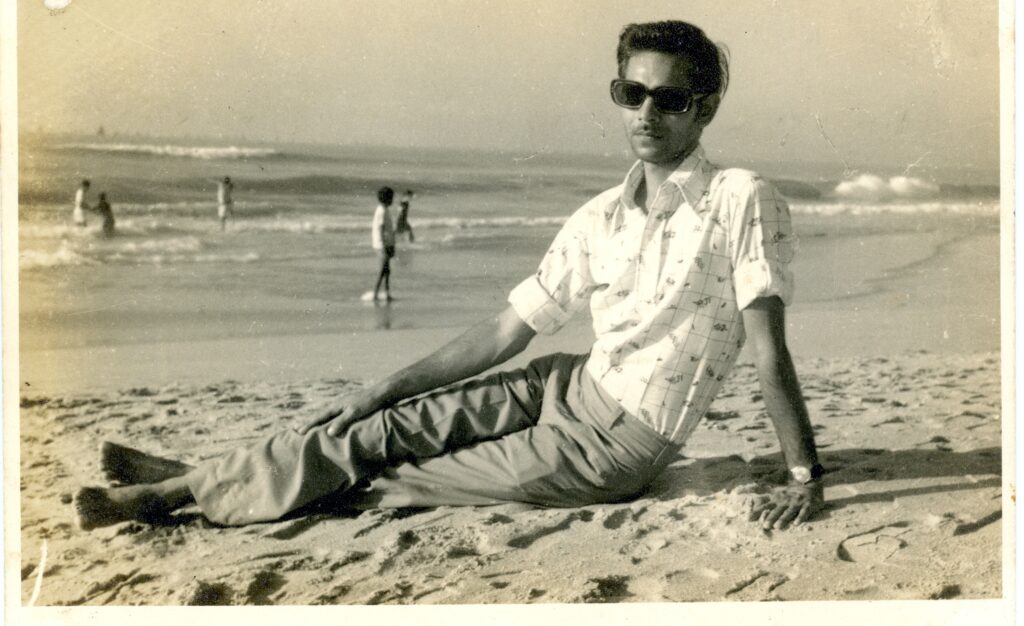
In Delhi, he joined Hindustan Insecticides Limited (HIL) as an Electrical Grade II Engineer. At the beginning of his career, he earned a salary of only ₹700 per month. Despite the modest income, he approached life with determination, carefully managing his expenses while supporting his growing family. After securing stable employment, he married my grandmother, and together they raised two children. For many years, the family lived in rented accommodation, balancing everyday needs with limited financial resources.
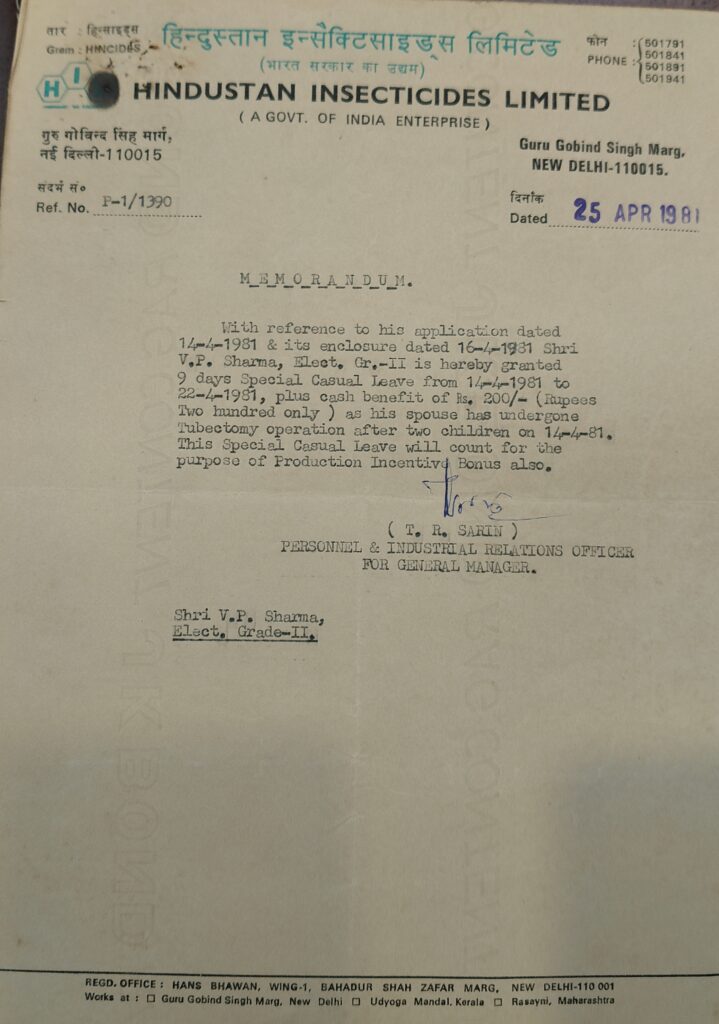
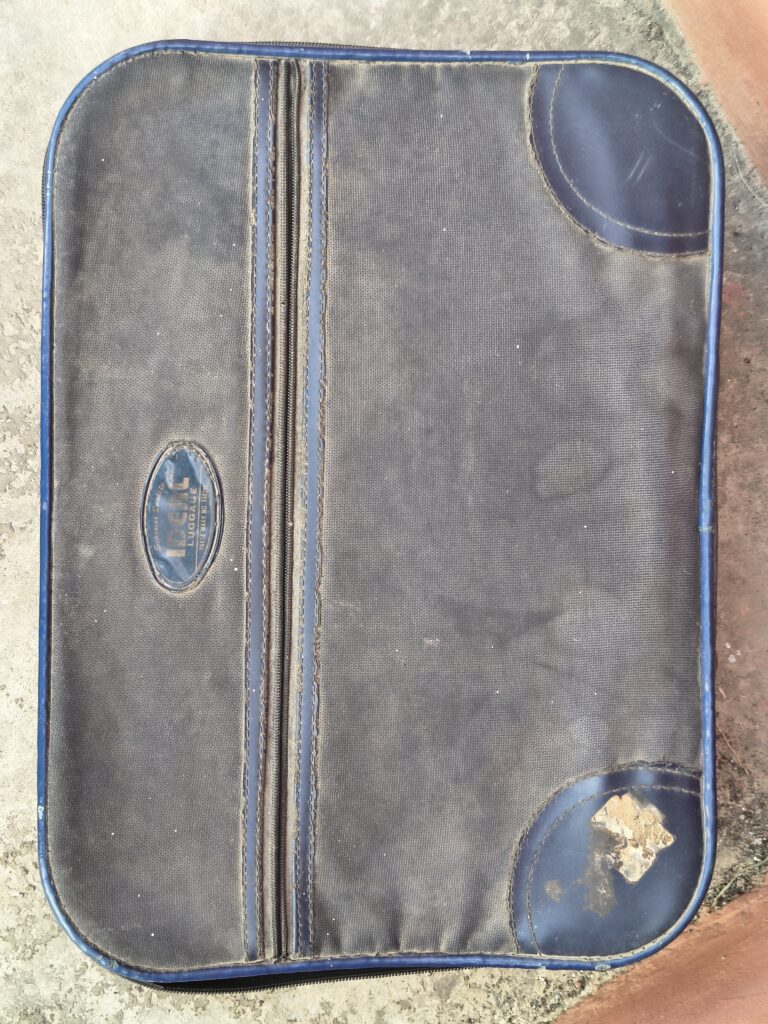
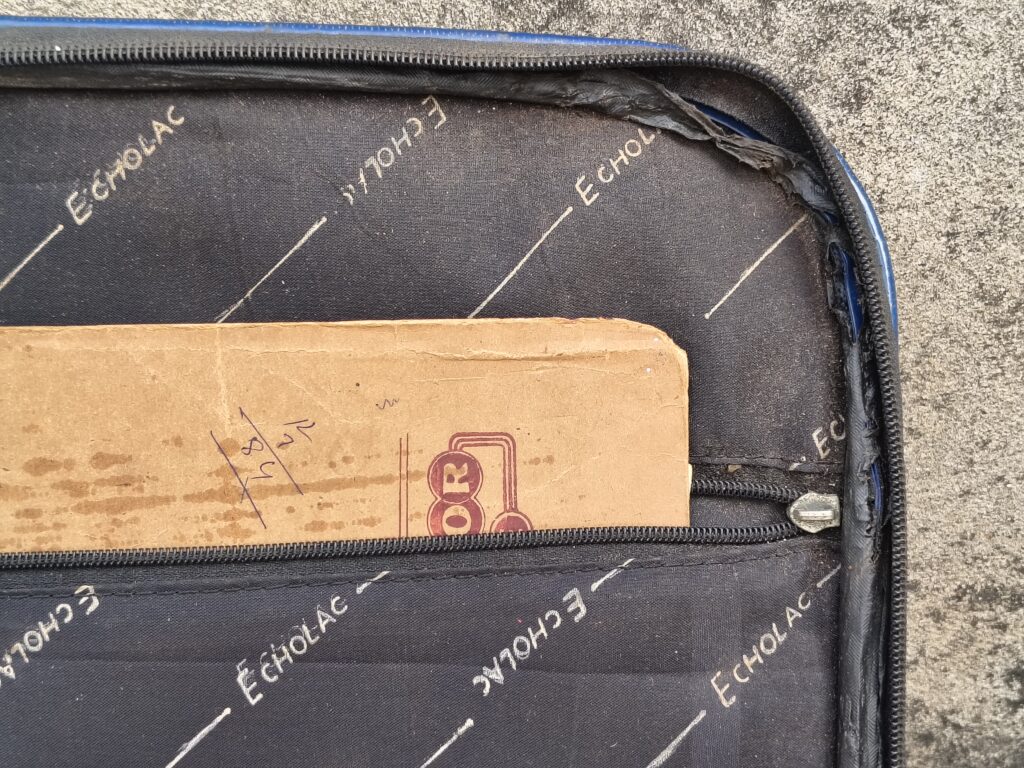
Through discipline, hard work, and perseverance, my grandfather steadily improved the family’s circumstances. His dedication eventually enabled him to achieve a significant milestone in 1991, when he purchased and moved into his own house – a dream that represented years of sacrifice and commitment. What makes his journey particularly inspiring is that he never abandoned his personal passions despite financial constraints. Alongside his responsibilities as a husband, father, and engineer, he continued to nurture his love for travel, films, photography, and spiritual and political discussion. He was deeply passionate about life, and his story reflects resilience, ambition, and the ability to preserve one’s passions while building a secure future for the family.
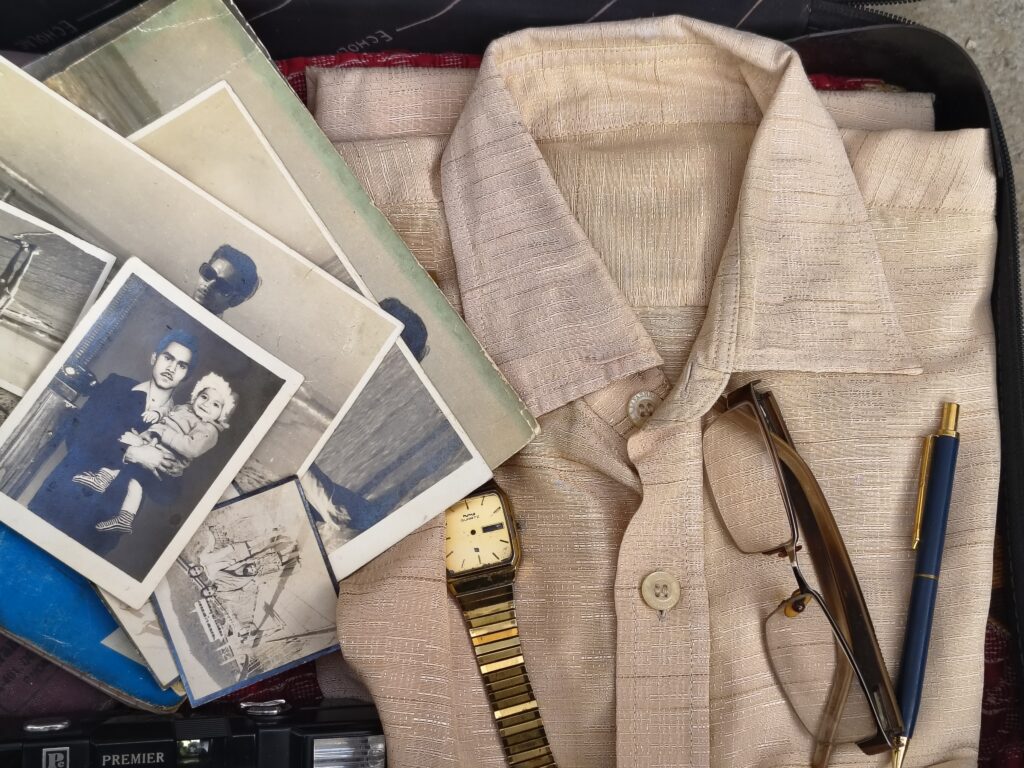
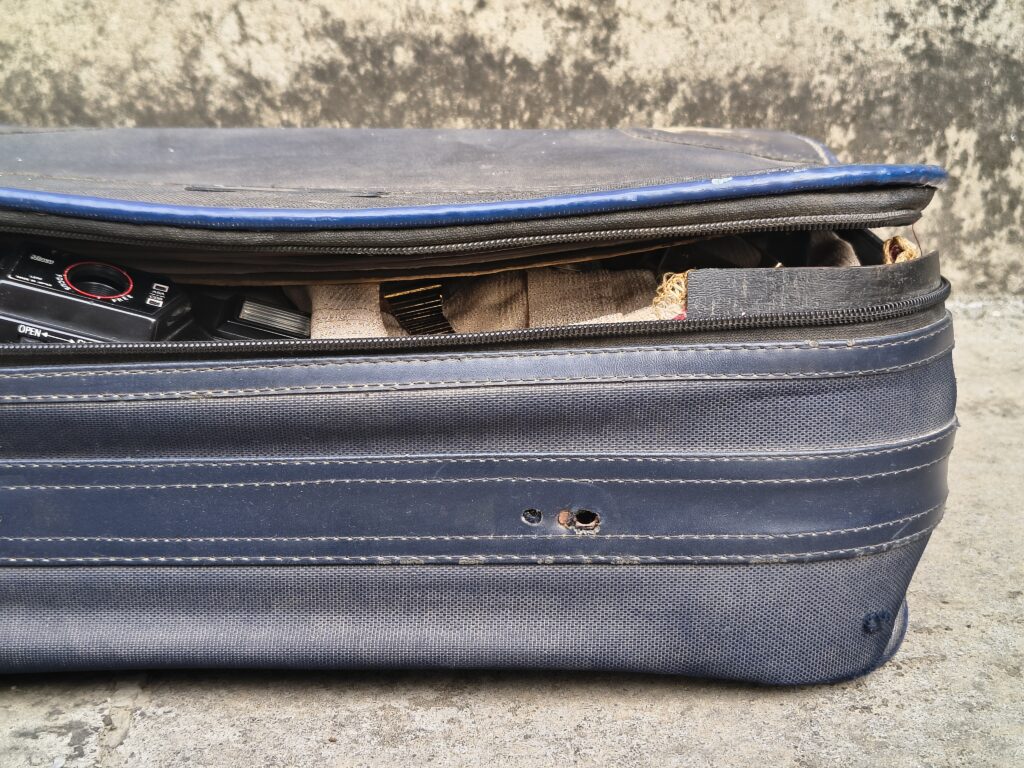
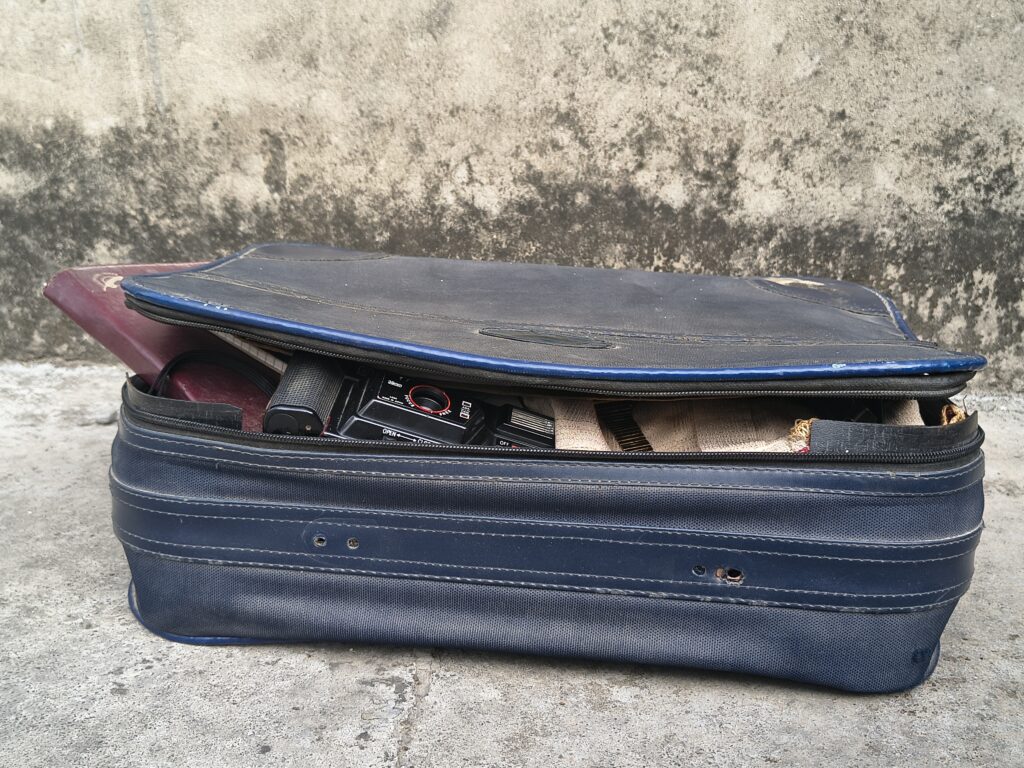
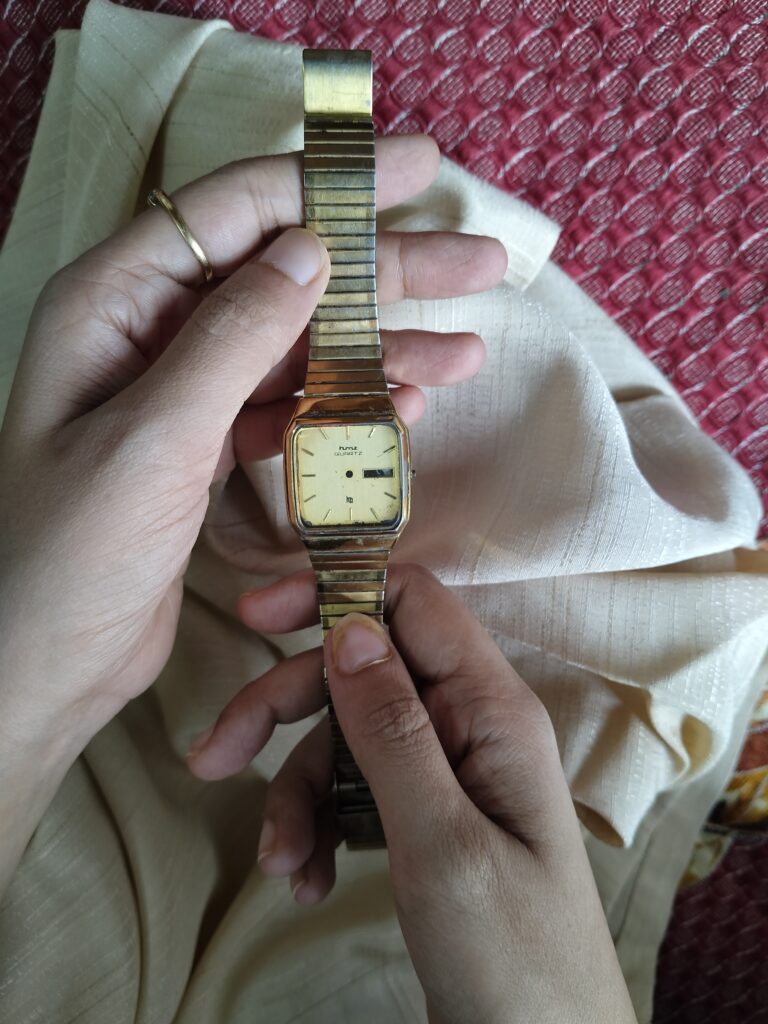
People usually rely on taste, smell, touch, and other sensory cues when remembering a family member who has passed away. A full study of memory development lies beyond the scope of this research, but it remains an important tool for visual ethnography – one that recovers the “touchy-feely” elements of sociology. The photographs and objects we keep aid remembrance and reflection. “When I wear the watch of my father, I normally play with is. I rub it, the material is beautiful to touch, yet when you raise it up, one of the parts is loose. I’ve sometimes randomly gone and inhaled it because it smells so much like him. I haven’t unpacked much, simply because I’d rather not lose that. It is still in the back of the suitcase,” says my father.
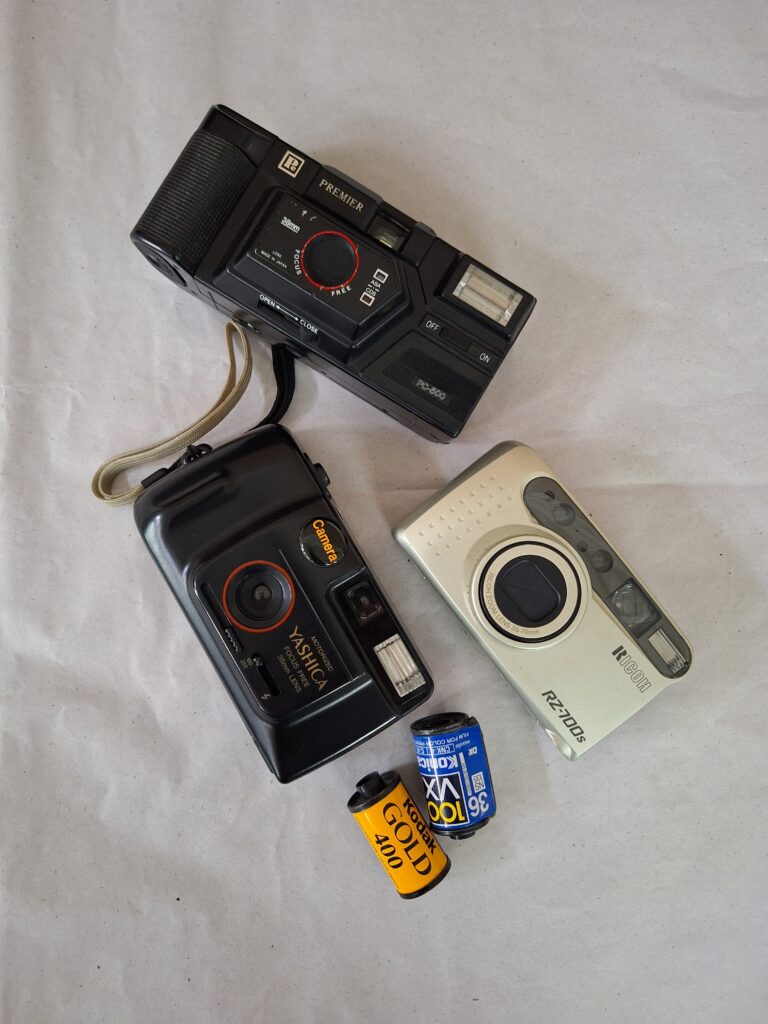
In the 1970s, after his marriage, Ved Prakash Sharma travelled extensively across India, carrying a camera with him wherever he went. He was not a professional photographer, yet his photographs possess an honesty and intimacy that make them deeply powerful. Unlike carefully staged studio images, his photographs captured ordinary life in its purest form, including family gatherings, rituals, journeys, moments of laughter, and fragments of everyday existence. These documentations of places, people, and moments throughout his life have created a valuable visual archive of memory.
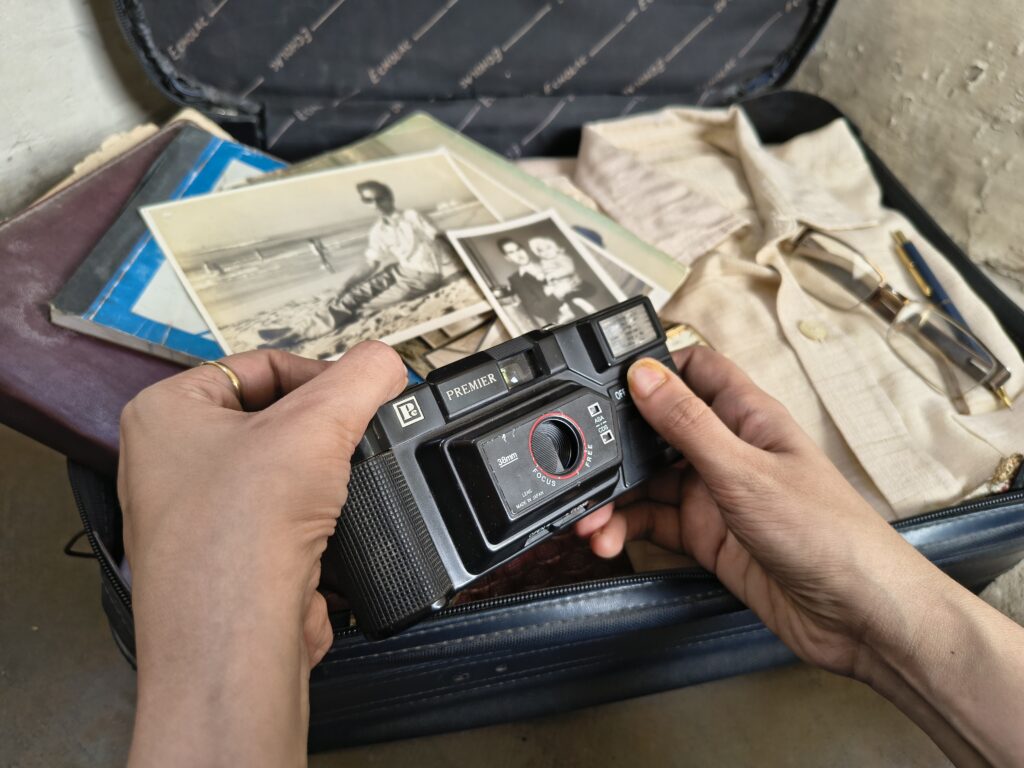
The exact age of this camera is unknown, but it likely dates from the late 1970s or the 1990s. Over the years, it became a silent witness to significant events in our family’s history, preserving memories that continue to connect generations. It is made primarily of black plastic with metallic components, a glass lens, and internal mechanical and electronic parts. Its compact, rectangular design made it practical for everyday use. Although it shows minor scratches and signs of wear from years of handling, it remains in stable condition and retains its original form.
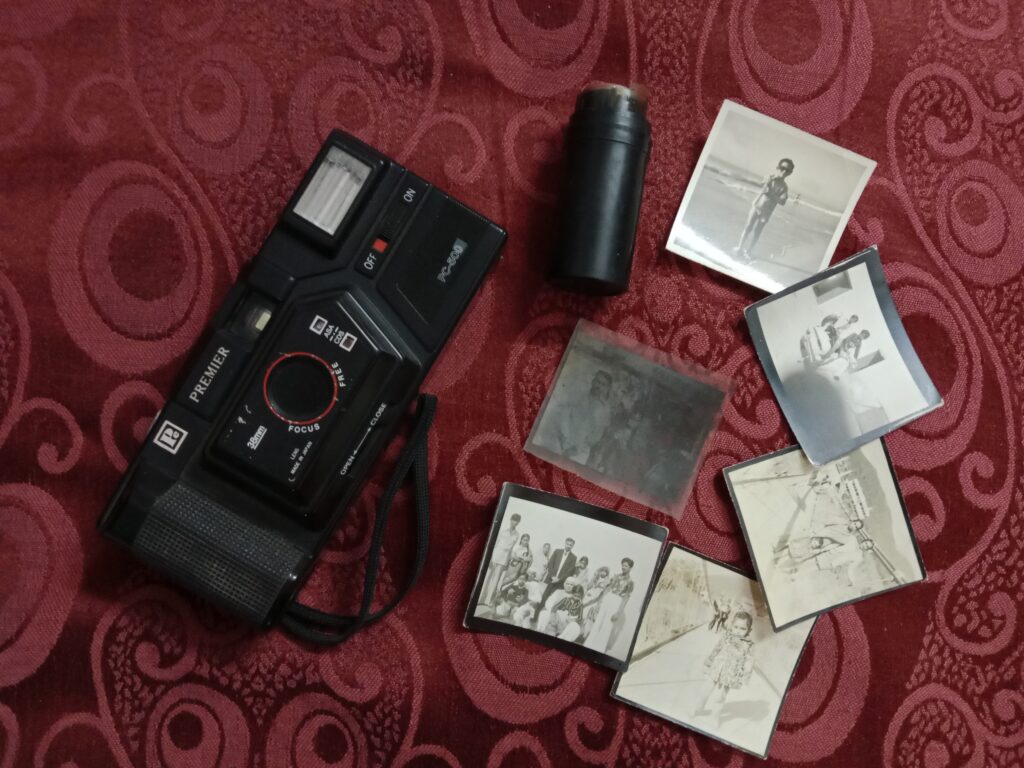
Today, the camera continues to be used by me as an artist working with family archives, photography, and material memory. It has become deeply significant in my practice. Beyond its functional purpose, it has become an object of emotional, historical, and archival significance. Carefully preserved amongst family photographs and personal belongings, it serves as a material reminder of memory, family history, and absence. After my grandfather’s passing, the camera acquired a deeper meaning. It became more than a photographic device; it became a witness to familial time. Holding it feels like holding an extension of his presence. Through the photographs it produced, I encounter moments that existed before my birth, reflecting how objects can carry emotional significance across generations, and how they speak to broader ideas of inheritance, loss, and remembrance.
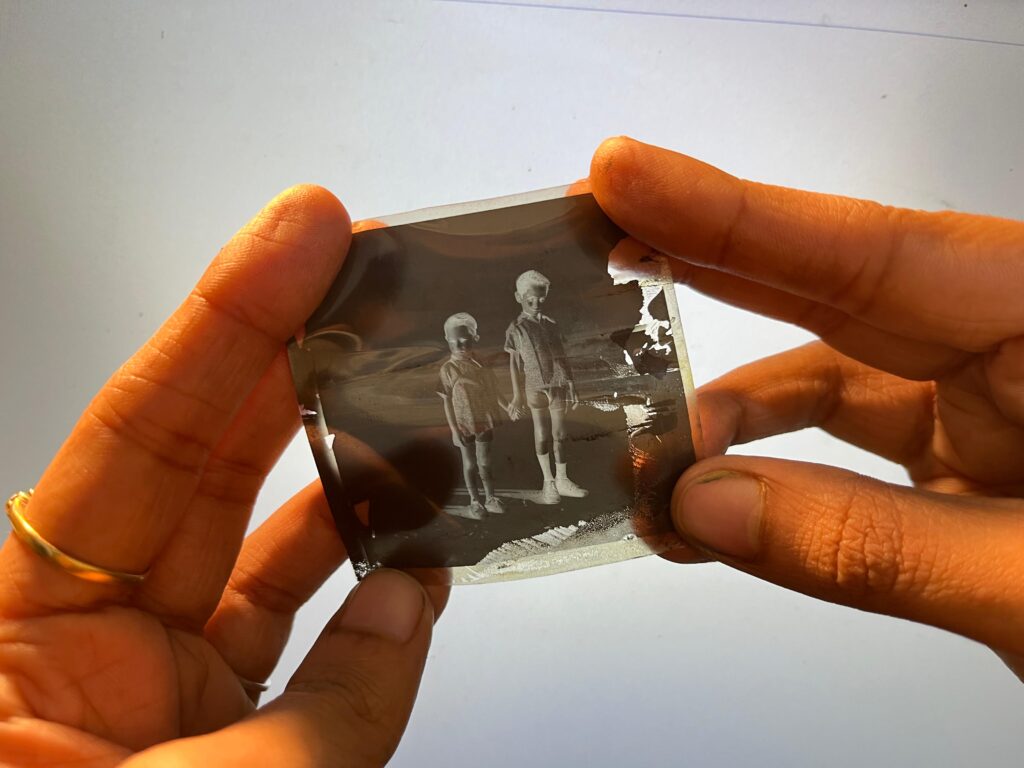
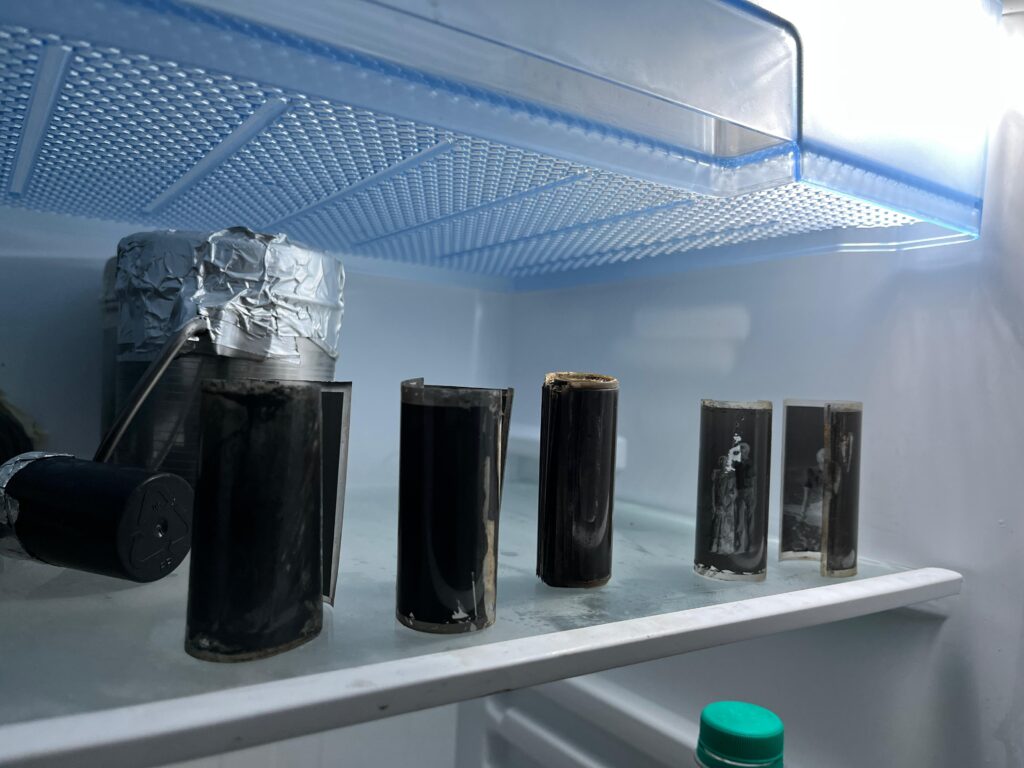
After my grandfather’s death in 2022, my father and I began organizing old family photographs together. While arranging them chronologically, we discussed the memories they evoked. Some photographs contained handwritten notes on the back; others carried studio stamps or dates. These traces became important archival evidence, helping us reconstruct forgotten narratives and family histories. During this process, I understood that photographs are not static images. They are living objects that generate stories, emotions, and relationships.
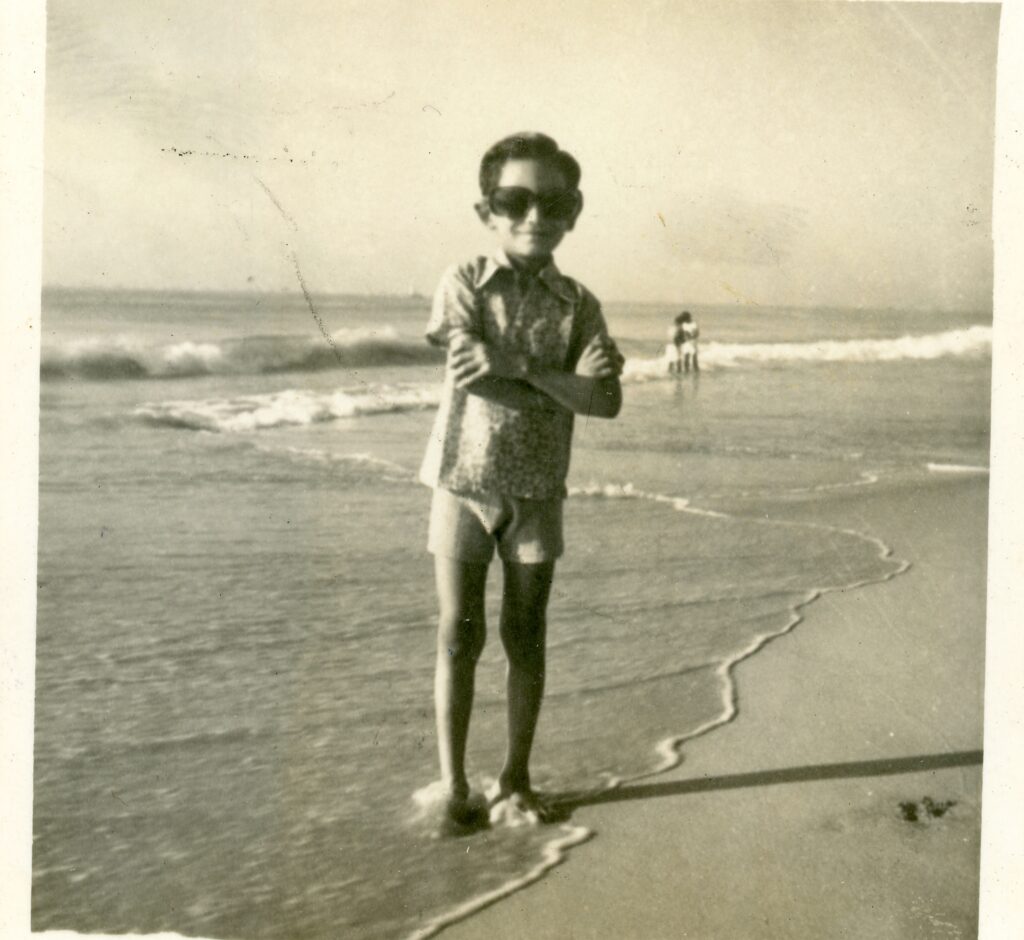
This photograph is a precious memory preserved through my grandfather’s passion for photography. In the 1970s, when cameras were rare and carrying one while travelling was not easy, my grandfather proudly carried his camera throughout his All India tour. He loved travelling and capturing simple yet meaningful moments of life. Though he called himself an amateur photographer, his photographs carried an emotion, warmth, and honesty that no professional perfection could replace. He taught himself how to operate the camera and clicked every picture with curiosity and love. This photograph of my father as a child, standing joyfully on a beach in Odisha, became one of my father’s favorite memories. Whenever he looks at it, he smiles with happiness and pride, remembering that it was lovingly captured by his own father decades ago. This photograph is not just an image; it is a timeless connection between generations, filled with love, memory, and the spirit of a man who found joy behind the lens.
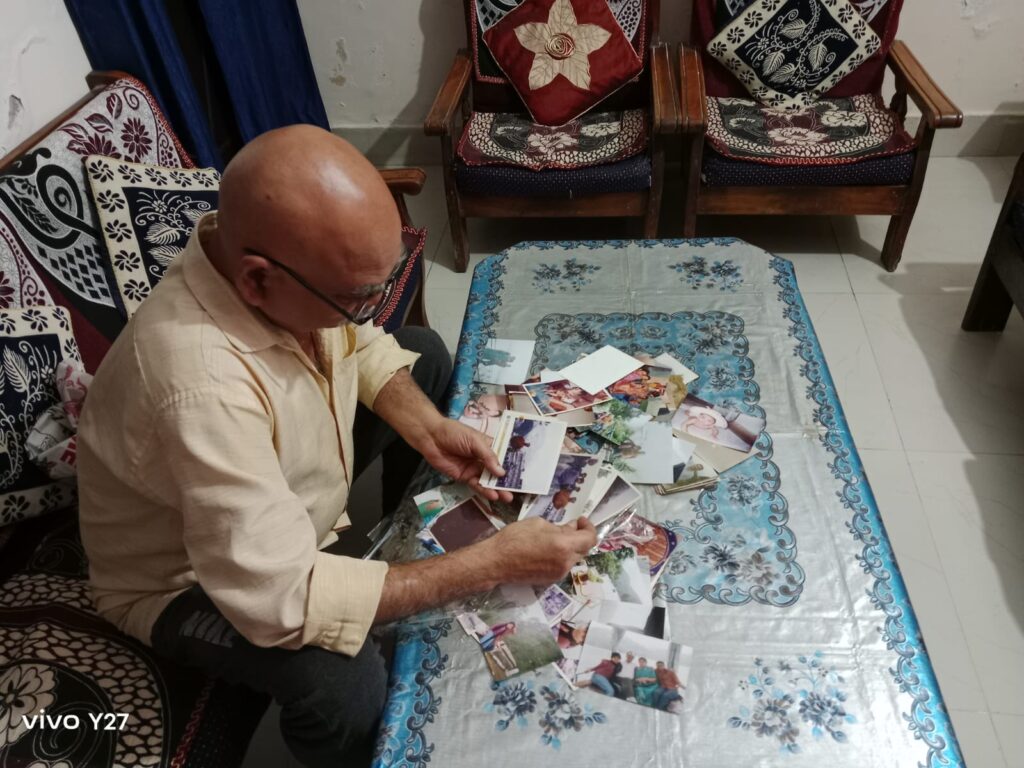
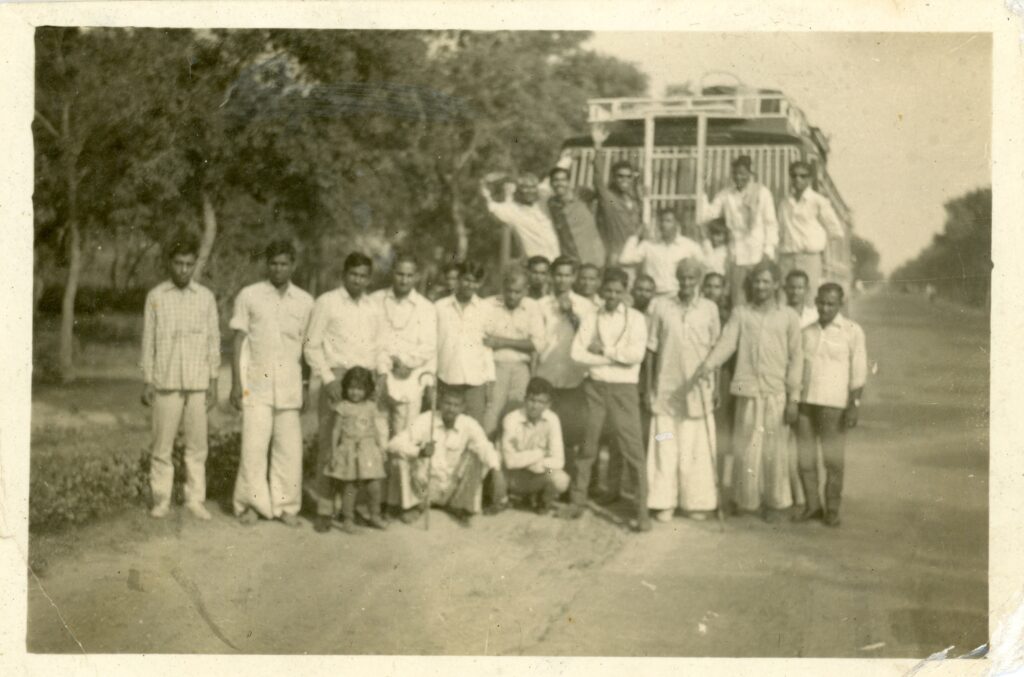
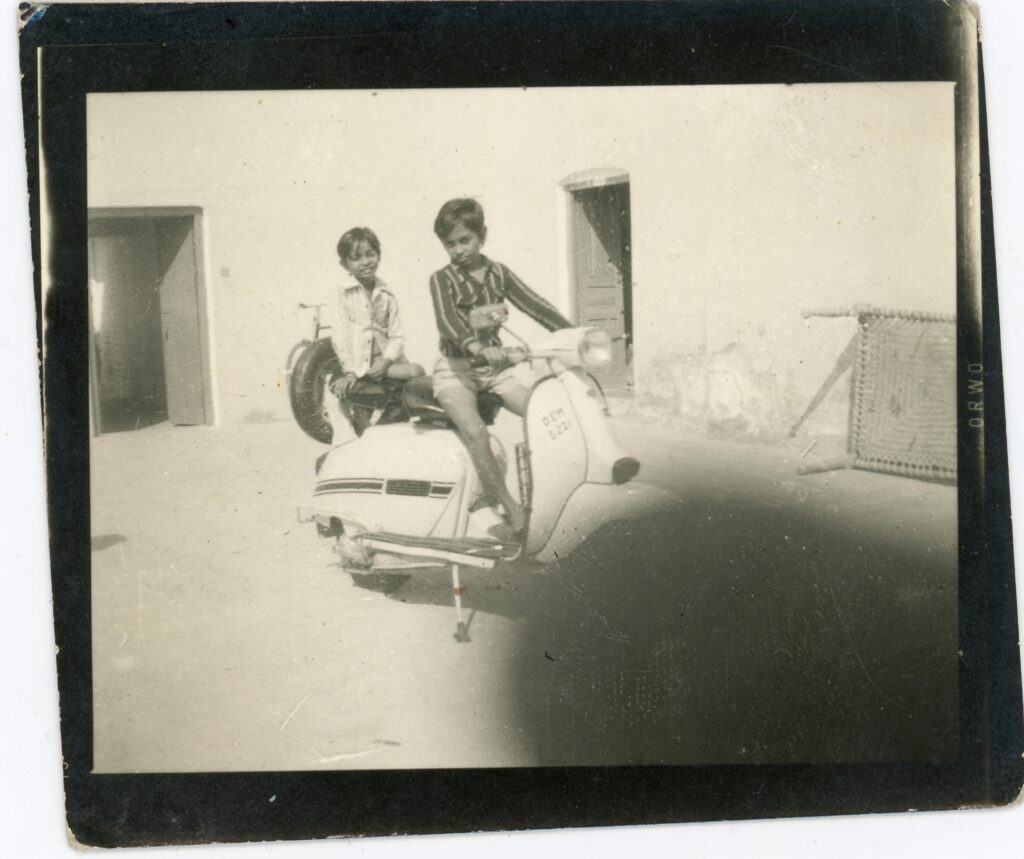
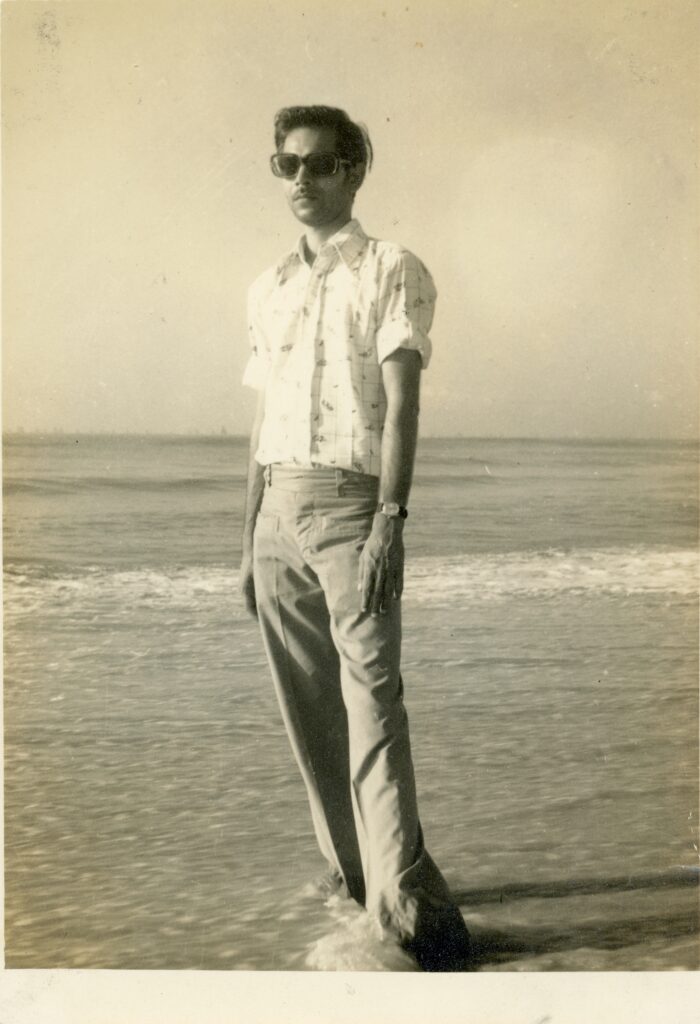
When curating photographs with my father, we spoke about the memories they evoked, piecing together unfamiliar information from the notes written on the back. Some in my grandfather’s hand, others studio stamps. Exploring my family’s archive of photographs and objects after a death gave me an unusual view of how and where such belongings are kept. My grandparents and my father preserved his photographs in an album or box, mixed together, evoking non-linear visual memories — in contrast to the chronological order my father and I imposed when we curated the family snapshots and documents. I, by comparison, have simply stored them in the vacuum bag for the preserve. I started thinking about why I do this came to the view that it is because I don’t think of time as liner, anything you place in an album is really an object. It represents time. I enjoyed the idea that my sense of time is mixed up and messy, because life is messy. It doesn’t seem straight or liner.
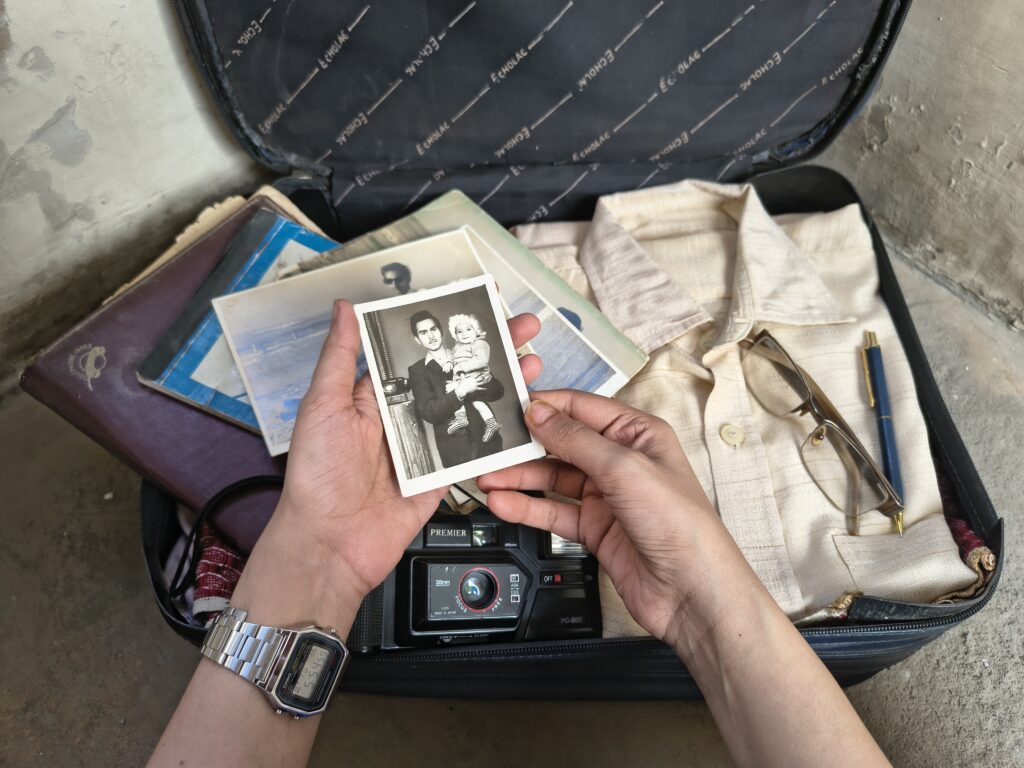
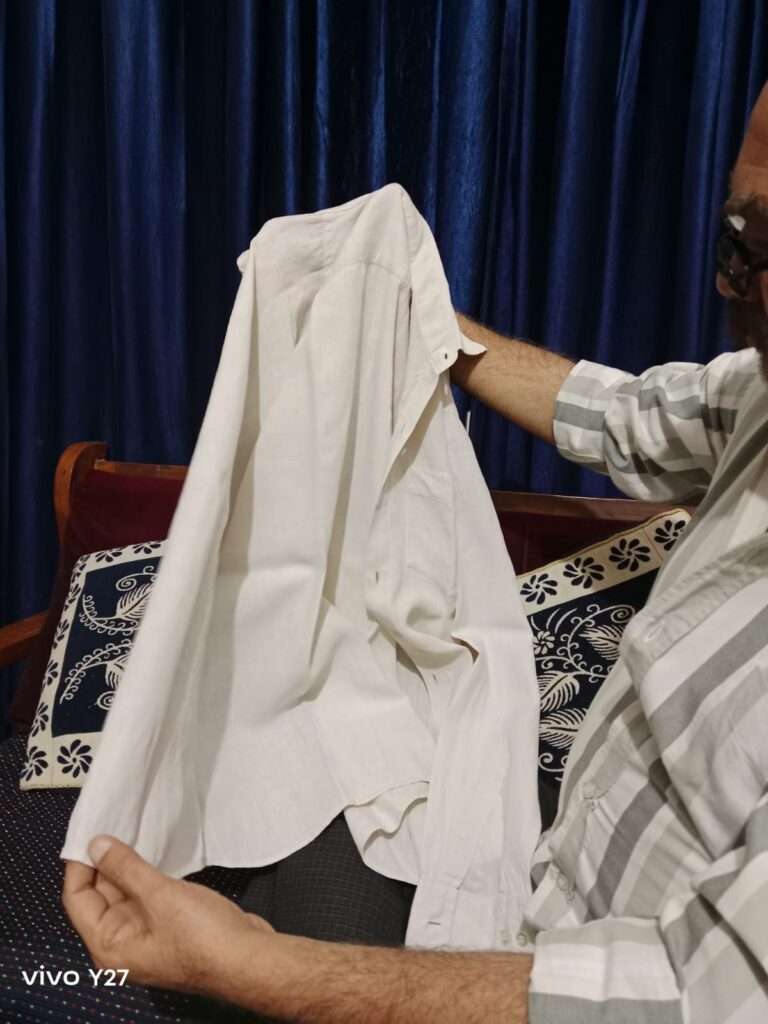
After death, material objects begin to carry the presence of the departed. Clothes, fabrics, watches, and personal belongings retain emotional and sensory traces. My father often visits the storeroom to touch and revisit his father’s clothes from childhood. Sometimes he smells the fabric because it still reminds him of his father. These objects hold no economic value, yet they carry immense sentimental significance. Smell and touch are powerful triggers of memory. The scent of old fabric, the texture of a watch, or the weight of an object can reactivate emotion long after a person is gone. These sensory interactions extend beyond visual remembrance and enter the body through feeling. Memory becomes physical and intimate. I wanted not only to preserve these belongings but also to document the spaces connected to grief and absence.
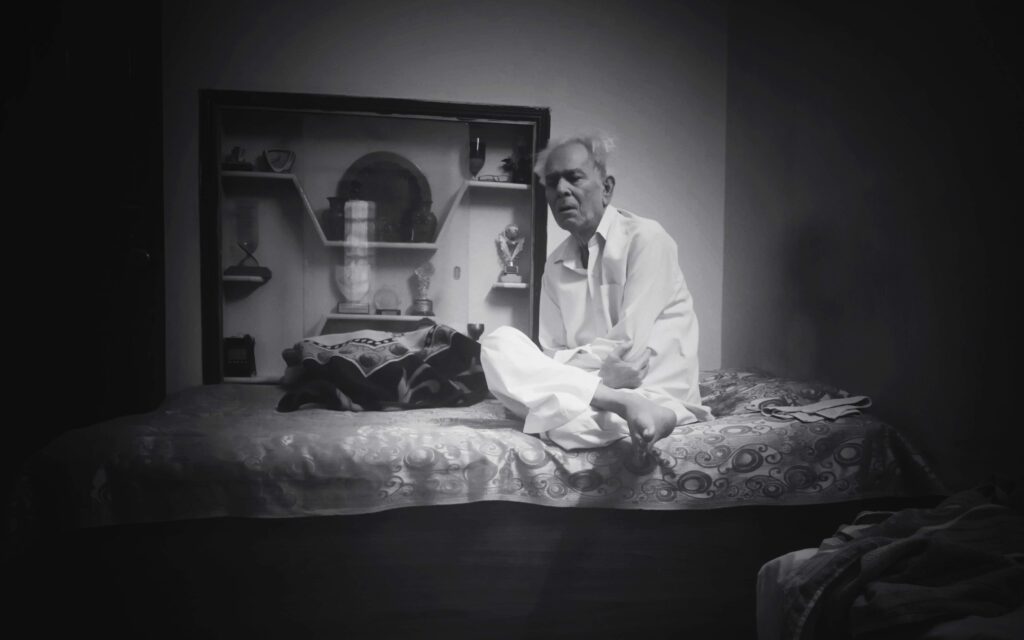
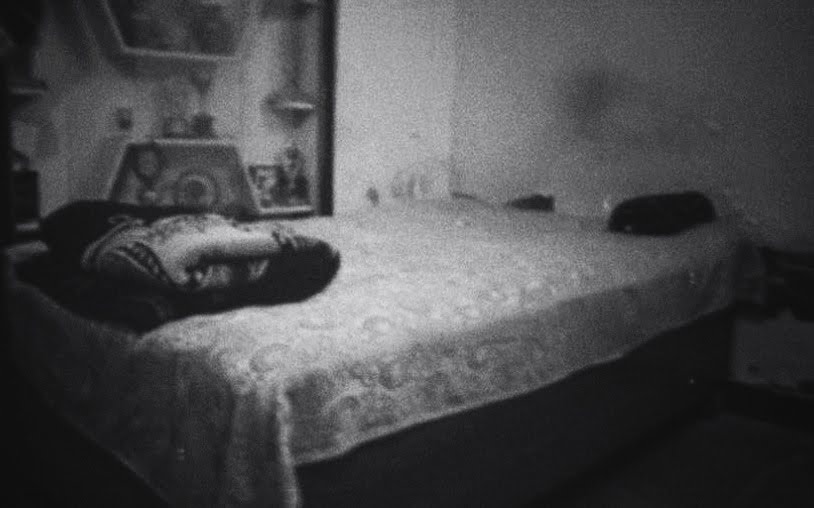
I photographed my grandfather during the final stages of his life, and later documented his empty room after his death. The absence within these spaces became emotionally charged. His room, once inhabited, transformed into a silent archive of presence and loss. Through photography, I tried to understand how death changes our relationship to domestic spaces and material objects. I captured a black-and-white photograph of him, a quiet frame that now feels heavier with meaning than I ever imagined. In that picture, time seems to stand still: the lines on his face carry years of wisdom, sacrifice, love, and silent strength. The absence of color makes the memory even more powerful, as if life itself paused for one final moment of grace. Today, that photograph is no longer just an image; it is a living memory, a piece of his presence that continues to speak to me in silence. Whenever I look at it, I do not simply see my grandfather. I see the warmth of his guidance, the depth of his character, and the unspoken bond that death could never erase.
*
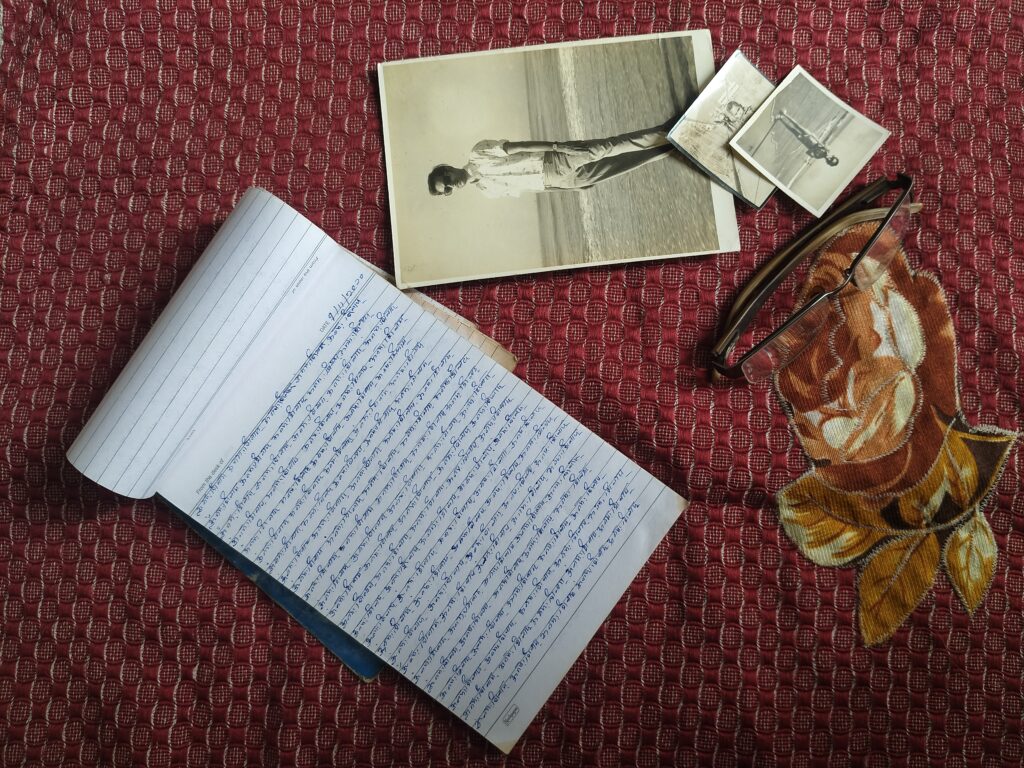
My grandfather’s diary is another object I continue to hold very closely. This handwritten notebook preserves a tangible connection to my grandfather. During the final years of his life, when illness largely confined him to bed, he developed a daily practice of writing religious mantras repeatedly in small notebooks like this one. What began as an ordinary slip pad gradually became a record of devotion, discipline, and spiritual reflection. Through the simple act of writing, he transformed blank pages into a personal archive of faith and perseverance.
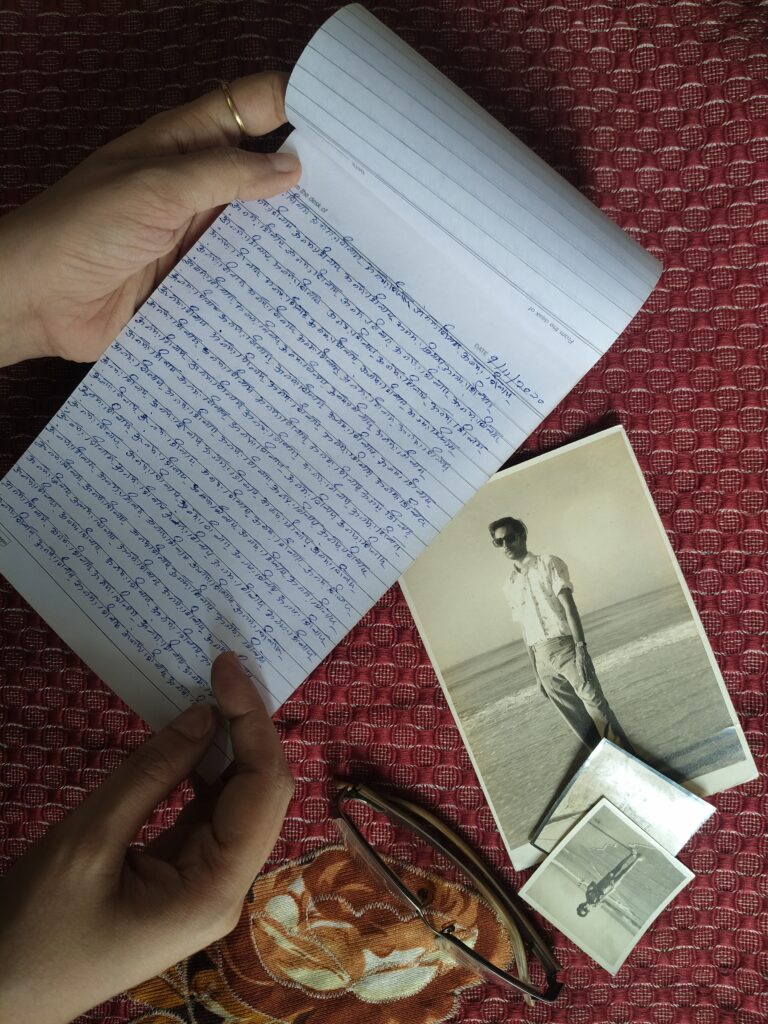
Quietly, without informing anyone in the family, I kept one notebook with me. For me, it is not only a religious object but also a deeply personal archive. I often saw him sitting quietly, absorbed in this ritual. At the time, I viewed it as part of his daily routine without fully understanding its significance. After his passing, however, these notebooks took on a deeper meaning. His handwriting became more than ink on paper; it became a trace of his presence. Each line reflects his patience, beliefs, and the rhythm of his everyday life during a period marked by physical limitation and spiritual commitment.
My grandfather filled nearly ten notebooks with handwritten mantras. Following his death, most of them were donated to a temple as a religious offering. However, I chose to keep one notebook as a personal memento. It felt important to preserve something that had been touched, used, and carefully created by him. Today, the notebook remains carefully preserved in my home. Its worn cover, aged pages, and fading ink reveal the passage of time, while its contents continue to evoke memories of my grandfather. For me, it represents faith, resilience, continuity, and familial love. It demonstrates how seemingly ordinary objects can carry extraordinary emotional value, preserving the presence of those who are no longer with us and allowing their stories to endure across generations.
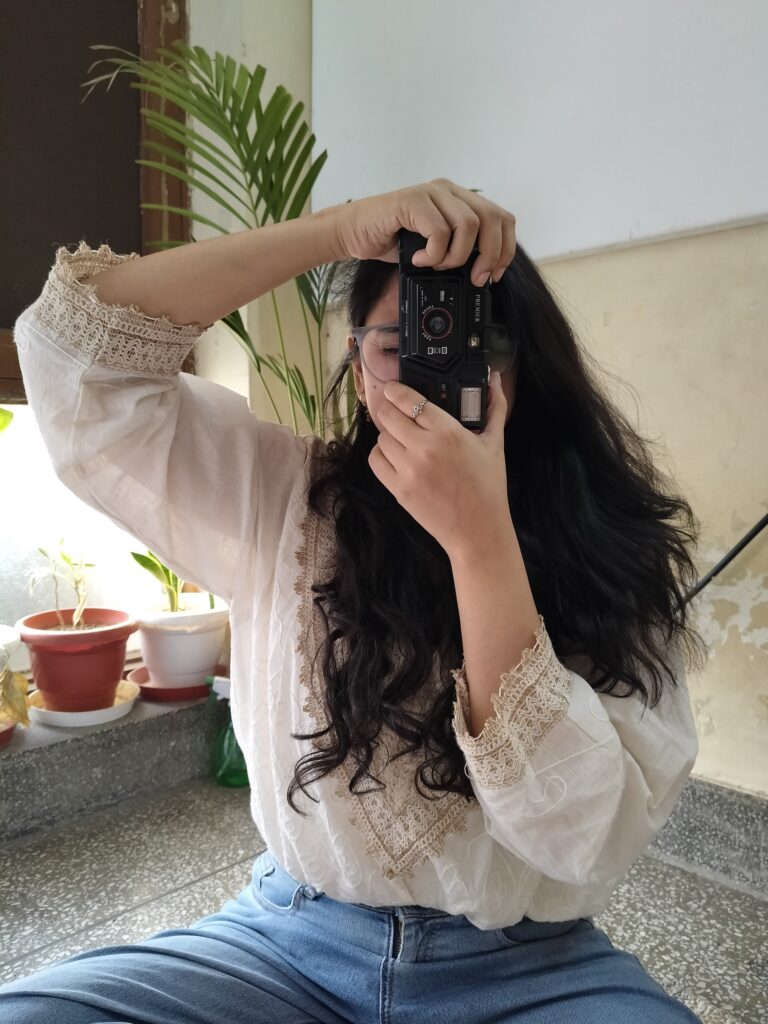
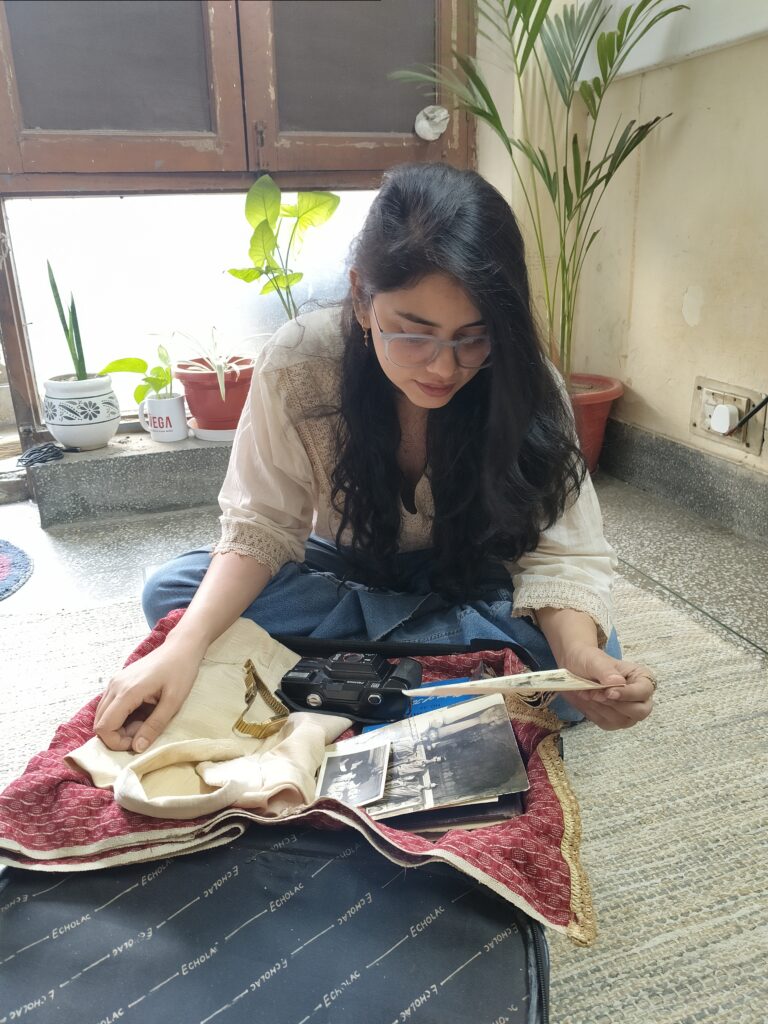
The archive my grandfather created is especially significant because of its simplicity. It was not made with artistic ambition or professional intention. Instead, it emerged from affection, curiosity, and everyday observation, and that honesty gives it emotional power. His camera was a tool of connection rather than perfection. Looking at his images today, I encounter not only the people within the frame but also the presence of the person behind the camera. My grandfather’s photographs remain alive because they continue to generate conversation, story, sensation, and reflection. Through them, the past is never entirely absent. Instead, it survives within objects, archives, and the fragile material traces that families choose to keep.
Ultimately, material memory demonstrates that grief is not only emotional but also physical and spatial. Photographs, clothes, objects, and rooms become repositories of remembrance. They allow the deceased to continue existing within everyday life. Through preserving and interacting with these materials, we negotiate loss and maintain emotional continuity across generations.
Beautiful , thoughtful and touching
So proud to see your work….
“I really appreciate the thought behind this, it feels very intentional and honest.”
Really loved your work, Your thought behind it feels so real—it genuinely made me happy seeing it.