My Nani’s Paijeb
As the oldest of three sisters, Nani was given the heaviest and most exquisite paijeb out of the collection, on 8 March, 1969, her wedding day. This pair of payal has been in my family for more than 160 years now.
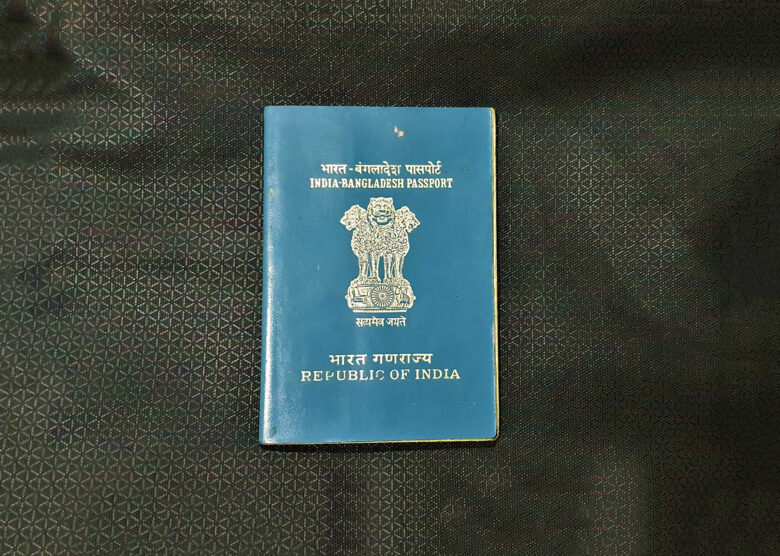
In October 1947, bauji registered himself at the Paharganj desk of the Ministry of Relief and Rehabilitation in Delhi. This refugee registration certificate issued by the Ministry became their first formal proof of belonging to this new land of independent India.
My mother, Kamla, got married in 1974, when she was sixteen years old, and at the time of parting, her mother, Rajkali Devi gave her daughter four things, one of which was this ornate silver sindoor dani in the shape of a kamla flower, the lotus.
These vintage dusting powder boxes have been in the family from around the 1940s when my maternal grandparents got married. They belonged to my grandmother, Bani Bhattacharya, who brought these from her maiden home in Maldah, West Bengal.
One such treasure is what my paternal grandfather, Rishabh Chandra Jain, made for me many years ago when I had just finished college. A small neckpiece that he fashioned from some loose beads and a piece of stone that no one was using and that simply lay in an insignificant box in the house for a long time.