The knowledge legacy

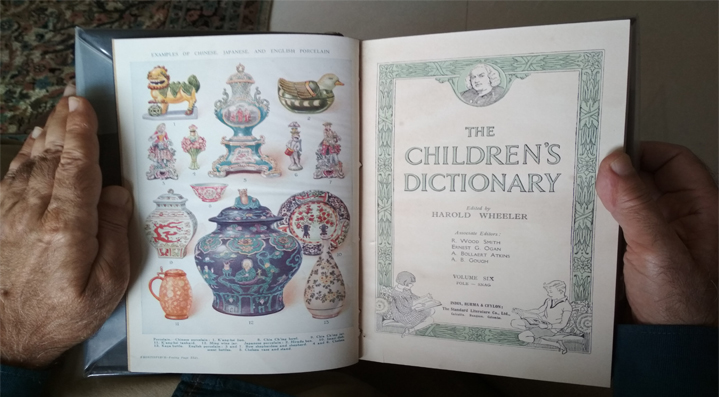
The Children’s Dictionary was published in the year 1910 by the Standard Literature Co. Ltd with publishing offices in India, Burma and Ceylon. The volumes date back to the colonial period in India and were purchased by my father whilst he was a student at St. Xavier’s College, Bombay.
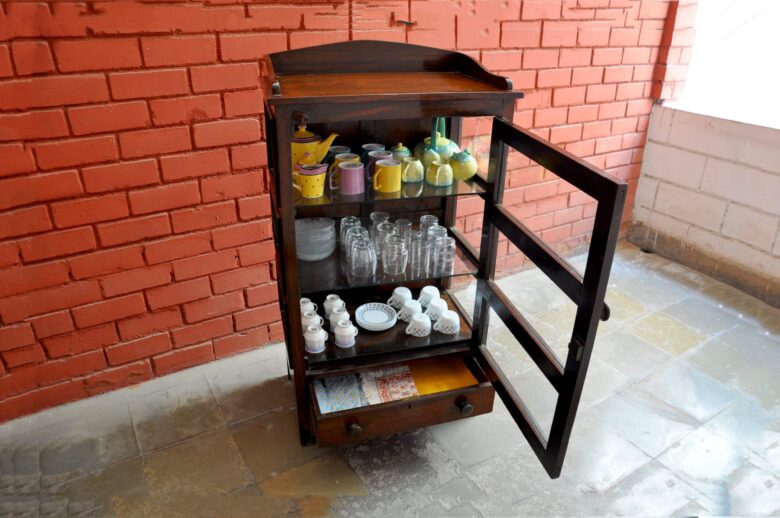
Who needs a Meat Shelf anymore?

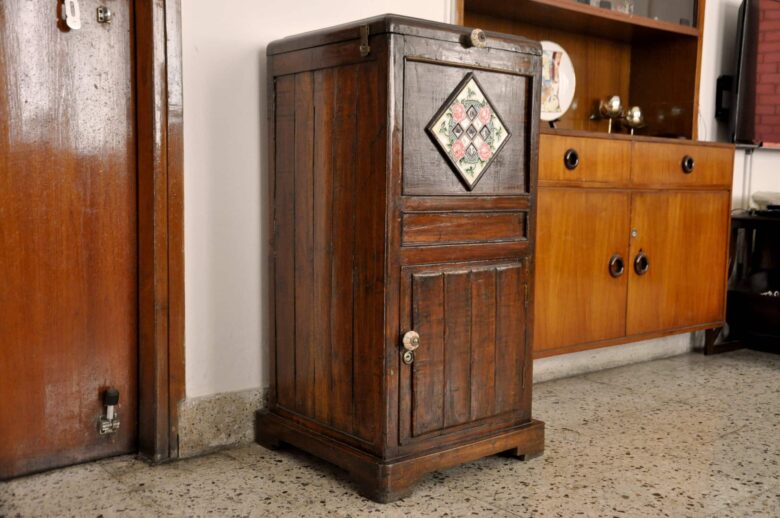
At a time when refrigerators weren’t readily available, the Meat Shelf was an extremely useful unit in every kitchen. It was surrounded with mesh on three sides and had three compartments and a drawer to store cooked food, vegetables and milk from getting spoilt and kept them away from rats, cats and cockroaches. This was possibly one of Mohan’s first purchases after he got married – a beautiful strong 3ft by 2ft rosewood meat shelf.

The passing down of legacies

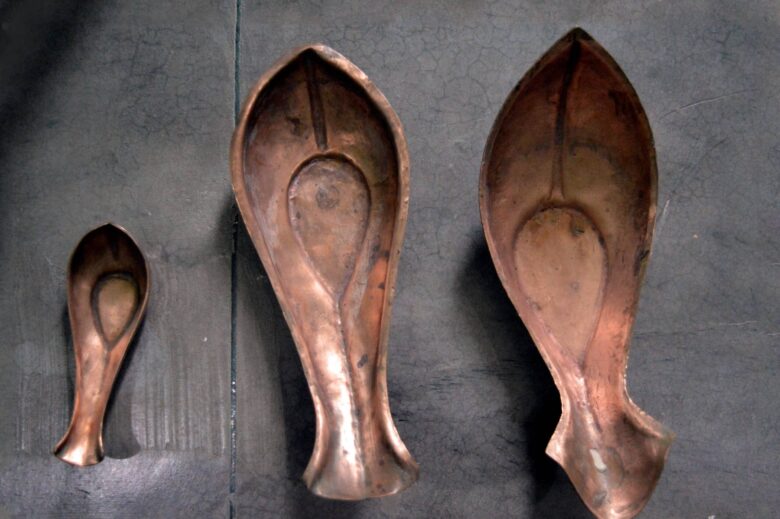
Bengali households often have a rich set of traditional items that are passed down as heirlooms from generation to generation. These are either pieces of jewellery, clothing, or any kind of utensil. For our family, it is the Pooja utensils that my mother received from my grandmother, and which my grandmother had once received from my great-grandmother.

The Little Webster

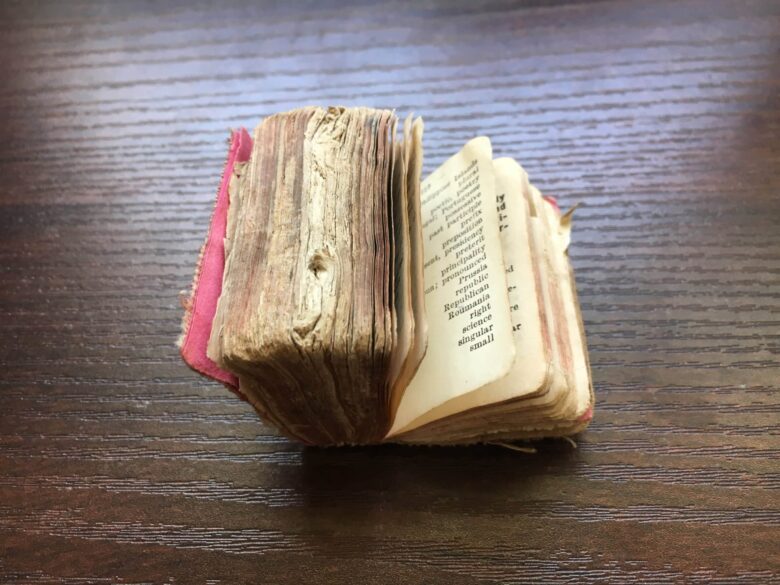
I was quite small, the first time I set my eyes upon this tiny dictionary. It was during our annual summer holidays, spent happily at my grandparents house in Jabalpur. The dictionary belonged to my maternal grandfather who purchased it from a bookshop in Kashmir on his honeymoon in October, 1957. This little Webster is a classic 18000 words Liliput pocket dictionary with 799 pages.

Close
© Copyright 2024. All rights reserved.
Close

Subscribe to the Museum

Receive a new story from somewhere in the Indian subcontinent in your inbox every week!

Loading