A stitch in time

This very unglamorous sewing needle has been on my mother, Sunanda Mukerji’s dresser for as long as I can remember. About 5-inches long, mottled, a little worse for the wear but its tip still faceted where the ironsmith shaved it to not-too-fine a point, now I use it to thread a naada (cord) through its eye.

The sea of silver

I come in and sit down on the cane chair next to her bed. She is singling out the larger silver coins and laying them in a line, chronologically. The collection begins from the year 1904 and ends at a coin from Independence, 1947.

Spreads of baagh and phulkari – an amaanat

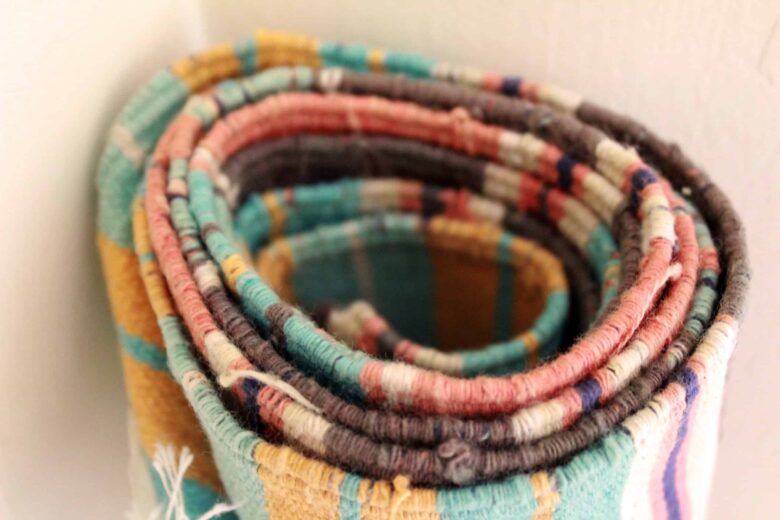
These chaddars had been embroidered by Biji, my great grandmother, Ishar Kaur, for her own trousseau probably some time in the early 1920s. Often, women of those times would collect or make such items for their trousseau – handcrafted or embroidered cloth  –  which later could be used to make several smaller items like dupattas, rumaaley, tablecloths and bedsheets.

A story told with teacups

This particular tea set belonged to my grandmother’s sister-in-law, Padma, known to the family as Paddi, who bought it from Banaras sometime in the 1950’s for 14 rupees. Perhaps it was made in Banaras, or elsewhere. One will never know, as there are no legible markings or etchings on it.

News from Ceylon: 1942

This letter dated 28 October, 1942 made its way from Ceylon to Thrissur. It is written by my grandfather and speaks mainly of family matters and describes his life in Ceylon. My nanaji, like many other migrant workers, stayed and worked at the plantations for 7-8 years to support his family.

Close
© Copyright 2024. All rights reserved.
Close

Subscribe to the Museum

Receive a new story from somewhere in the Indian subcontinent in your inbox every week!

Loading