
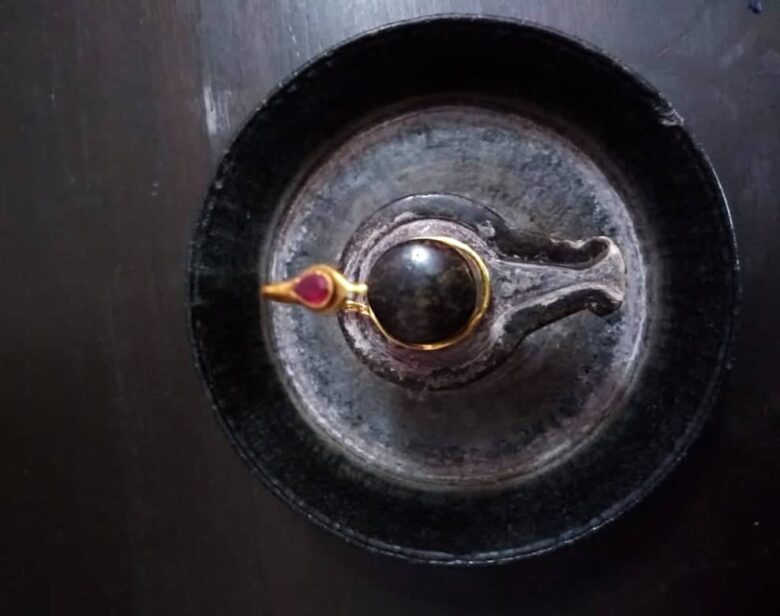
Touch of the maiden home

My great grandmother was born in a small village called Boala (now in Bangladesh). She possessed many aged utensils and other heirlooms, which were distributed among her four daughters as a part of their trousseaus during their weddings and some after her death.
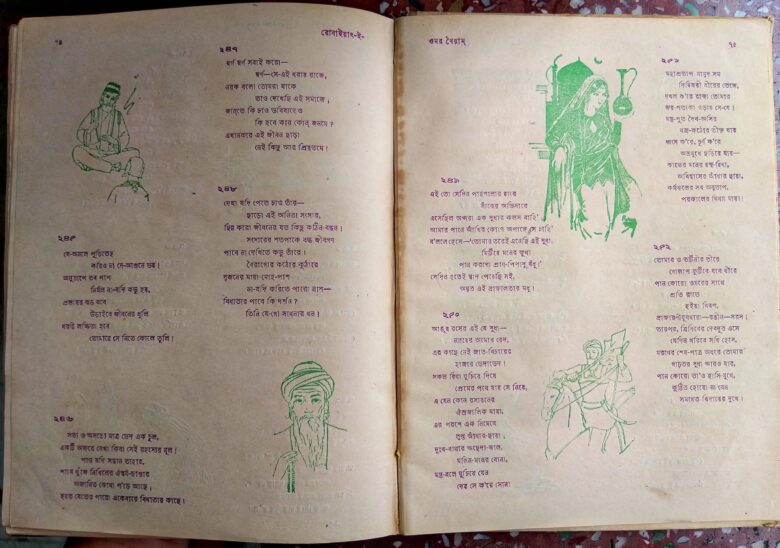
My grandparents’ ‘Rubaiyat of Omar Khayyam’

Omar Khayyam composed this collection of four-line stanza poems, or rubai, as they are known in Farsi, sometime between the late eleventh century to early twelfth century, before he died in 1131. History further made itself known in a personal and intimate way as I read the Bengali inscription on the first page – “To Priti and Dilip Bandopadhyay – on their wedding, 6.6.66”.

The legacy of Sheesh Mahal

One of her aides in acclimatizing to her new environment, was the family cook, Misser ji. Custodian of lost and aged recipes, raconteur par excellence and caretaker of all the silverware used for cooking and serving – the young girl that my grandmum was, latched on to him to not just pick up the unfamiliar language and its nuances, but also conquer palates with dishes such as ‘kulfe ki kadhi’ and santre ka raita, beaten yogurt with oranges.

A stitch in time

This very unglamorous sewing needle has been on my mother, Sunanda Mukerji’s dresser for as long as I can remember. About 5-inches long, mottled, a little worse for the wear but its tip still faceted where the ironsmith shaved it to not-too-fine a point, now I use it to thread a naada (cord) through its eye.

Close
© Copyright 2024. All rights reserved.
Close

Subscribe to the Museum

Receive a new story from somewhere in the Indian subcontinent in your inbox every week!

Loading