Pammi Mandhwani’s dabbi

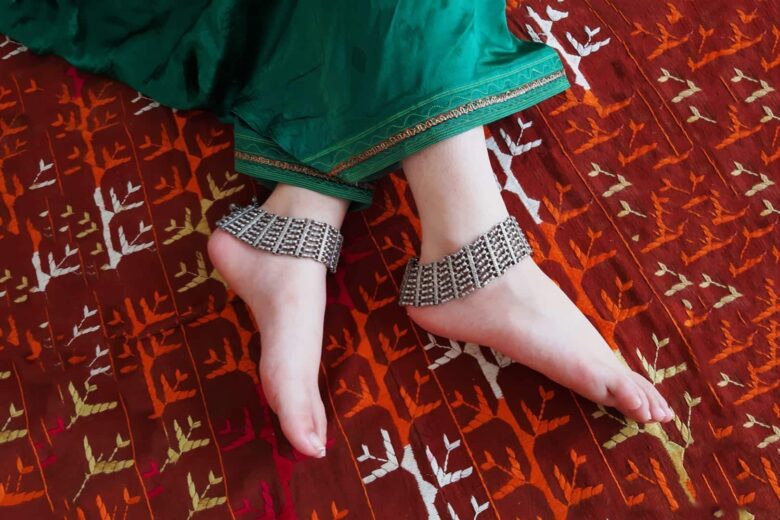
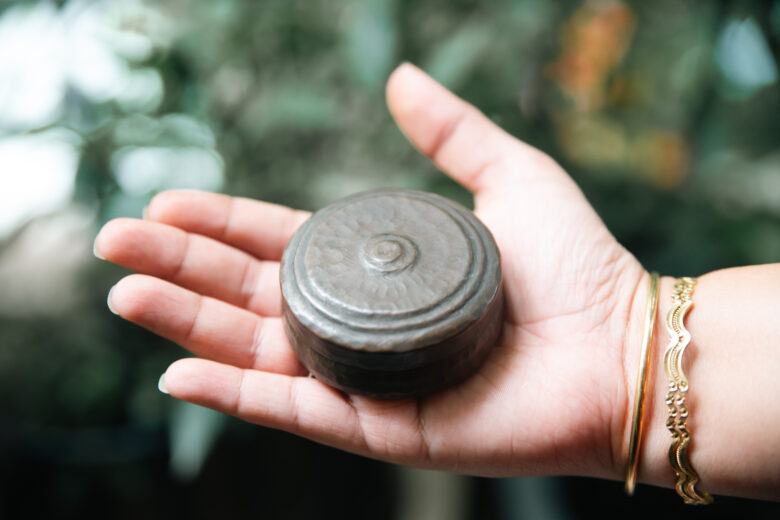
My paternal was about thirteen (we can only estimate) when her sister and she got married to two brothers and moved away from Sukkar for the very first time. This brass dabbi was one of the many objects she and her sister brought along to their marital house in Larkana.
The Hasla of Ilm Kaur 

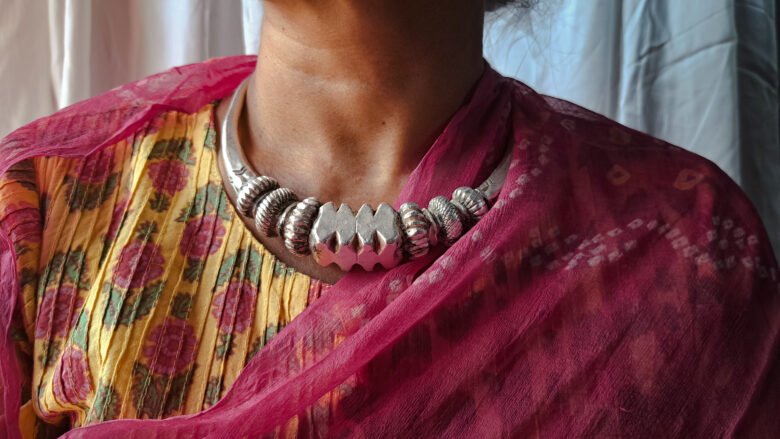
The Hasla is typically a torque-style necklace, thick and rigid, cast in silver and sitting close to the neck. It belonged to Ilm Kaur, my maternal great grandmother, who died sometime in the year 1949, succumbing to an unknown illness.

Vari da bagh

The story of this ‘vari da baagh’ begins with bebeji. It was hand-embroidered in around 1965 and given to my dadi as part of her wedding trousseau. The baagh is made of red “khaddar” hand-dyed and hand-woven cloth.

Heirlooms from Faridkot

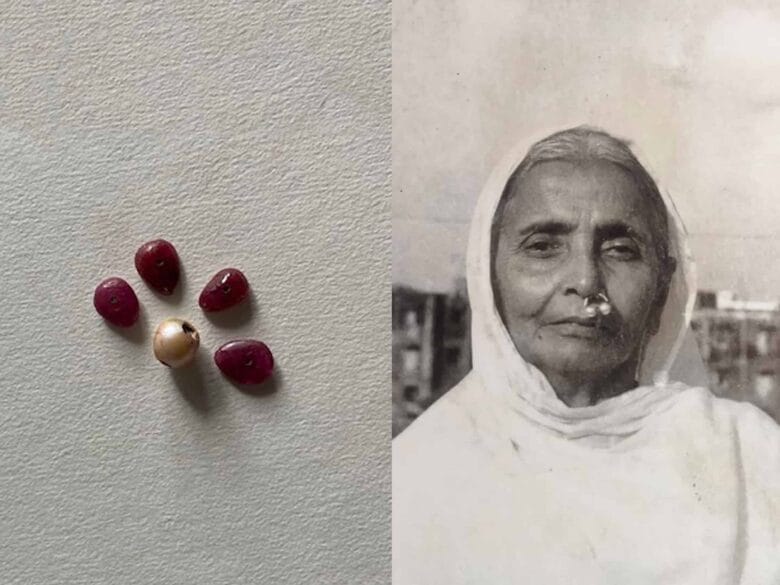
I was at my maternal home in Ajitgill village, Faridkot, looking through old things when I saw my nani’s sandook in the corner. It wasn’t locked so out of curiosity, I looked inside. It was like opening a pandora box. All of her things were still in there. Her clothes – she would wear men style kurtas with a collar and pockets on both sides, with a ghaghra – her trinkets, handwritten notes, and photographs. It was then that I felt closer to her than ever before.

Dhaka to Mumbai: Thamma’s shidoor kouto

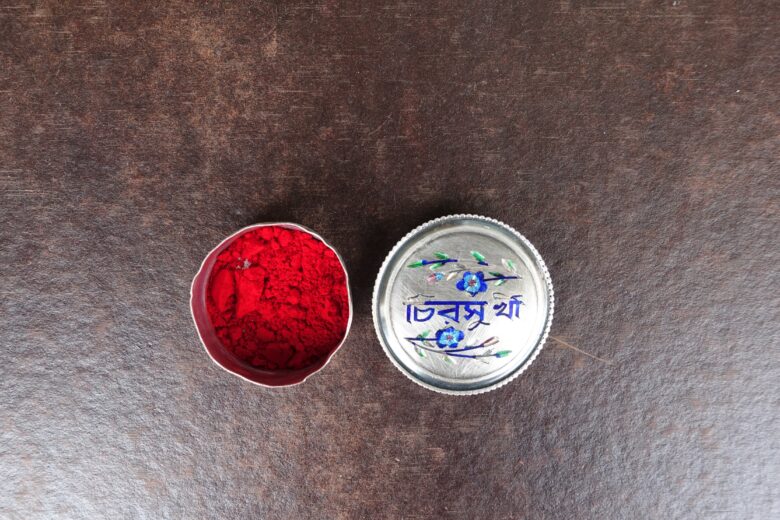
Apart from several novelties received from family at their wedding, a widowed aunt gifted a vermilion case or shidoor kouto to Thamma. Its uniqueness characterised by the engraving in Bengali letters — ‘chiroshukhi’ or forever happy. The kouto would be more than 72 years old now, having been passed on from Thamma to my mother and then to me.

Close
© Copyright 2024. All rights reserved.
Close

Subscribe to the Museum

Receive a new story from somewhere in the Indian subcontinent in your inbox every week!

Loading