Palli Palagai: a telling object of South India’s maritime stories

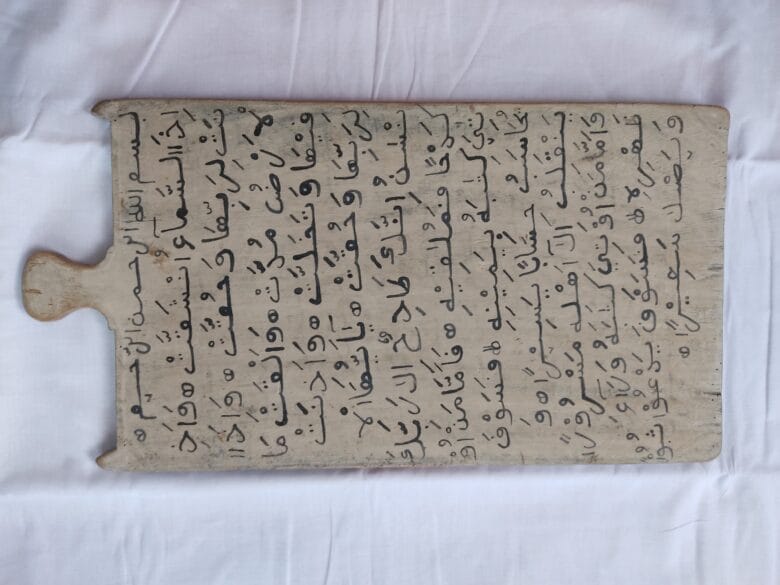
Palagai or Palavai, like it is called colloquially, is a wooden plank which was used as a reading and writing material for Arabic language in the provincial town of Kayalpatnam, Tamil Nadu. It was used actively until the turn of the 21st century by the Palli-going kids in the town. Palli translates to ‘school’ and ‘mosques’ in Tamil. But in Kayalpatnam it has also got another meaning.  A Palli is a private residence or a public place where reading classes in Arabic are given to young kids as small as three year olds.
Touch of the maiden home

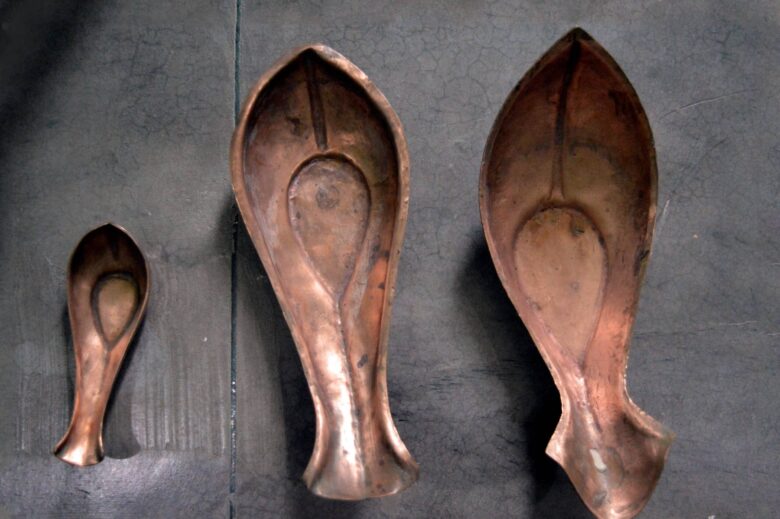
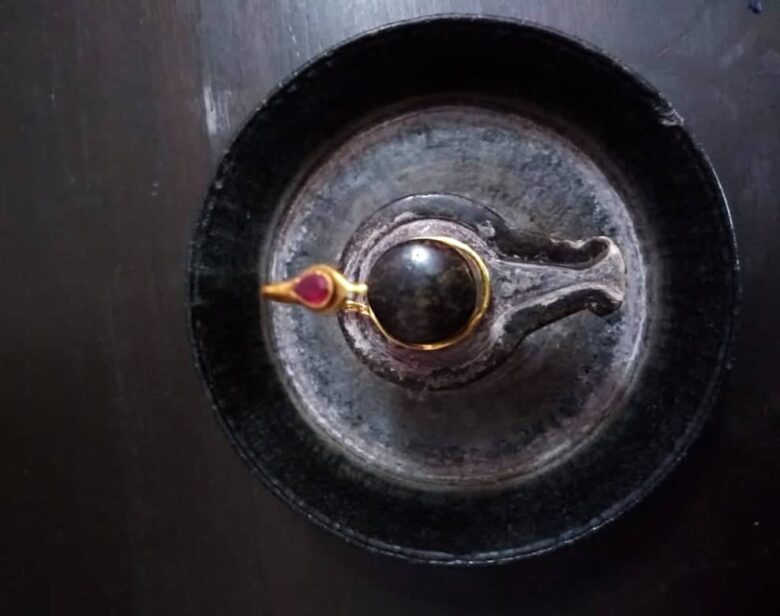
My great grandmother was born in a small village called Boala (now in Bangladesh). She possessed many aged utensils and other heirlooms, which were distributed among her four daughters as a part of their trousseaus during their weddings and some after her death.

The passing down of legacies

Bengali households often have a rich set of traditional items that are passed down as heirlooms from generation to generation. These are either pieces of jewellery, clothing, or any kind of utensil. For our family, it is the Pooja utensils that my mother received from my grandmother, and which my grandmother had once received from my great-grandmother.

A Sikh man’s Urdu prayers

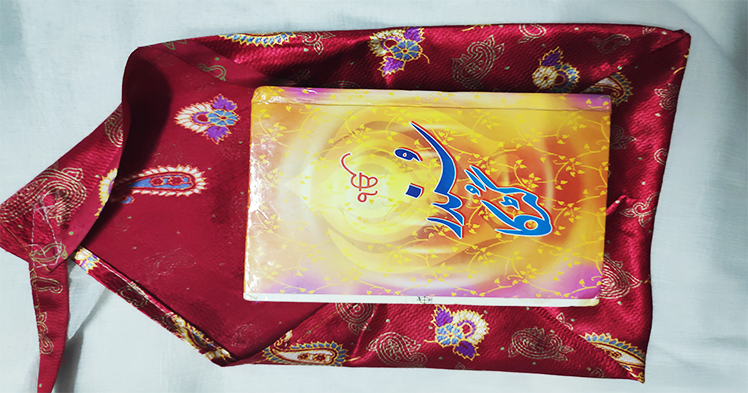
Apart from his daily exercise of reading the news, my grandfather would read his prayers from an Urdu Gurbani Gutka. A Gutka is a small sized book containing chosen hymns or shabads (sacred verses) from Sri Guru Granth Sahib and other Sikh scriptures. When the sun would set, he would wash his hands and feet and bring out the Urdu Gutka which was kept in a wooden cupboard in his room.

Close
© Copyright 2024. All rights reserved.
Close

Subscribe to the Museum

Receive a new story from somewhere in the Indian subcontinent in your inbox every week!

Loading