Baba’s Philatelic World

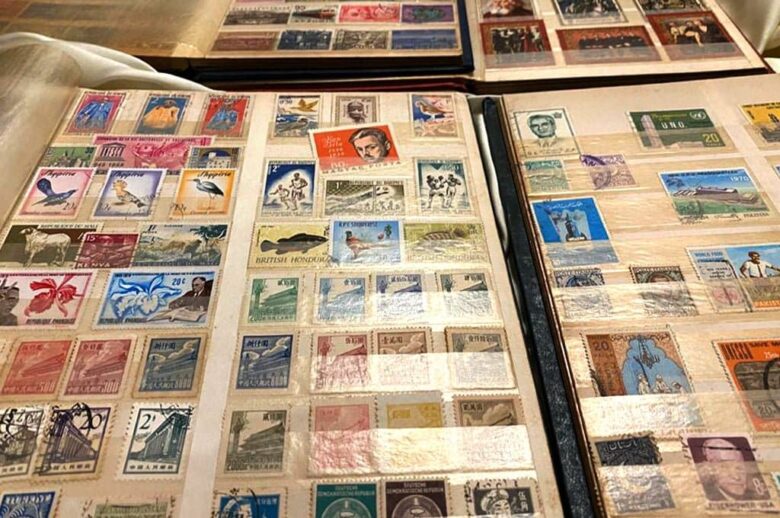
It was only in 1968, at age 11, when my father began arranging the tiny sheetlets, he amassed, into the leather-bound albums that have now been passed on to me. By 1972, he had a collected over 6,000 stamps that were distributed evenly in eight albums.

Amina Begum’s mulmul farshi

A farshi is a long voluminous garment that generously falls to the ground, and when standing or walking has a long train. The word farshi comes from ‘farsh’ or the ground/floor, which the garment trails on. This particular garment was carried from Panipat to Lahore and eventually to Sahiwal a few months after Partition.

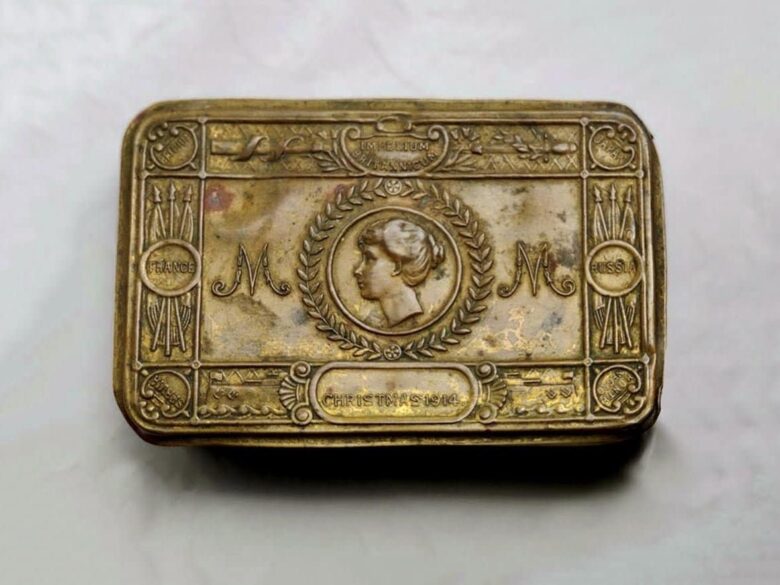
Souvenir from the trenches of World War One

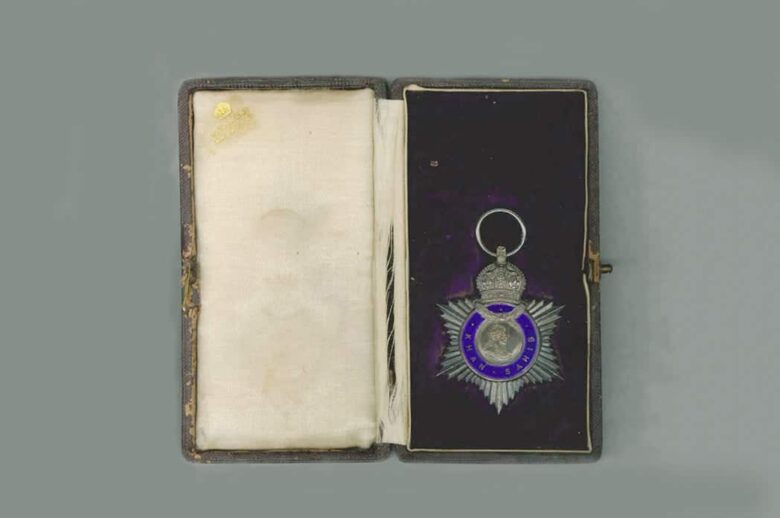
As the first few months of WW1 drew to a close, the British King George V’s 17-year old daughter, Princess Mary expressed a wish that ‘every sailor afloat and every soldier at the front’ should receive a Christmas present, including the Indian troops. The demand for these five-inch brass Christmas boxes was so high that many were kept by the soldiers as souvenirs after.

The trousseau that stood the test of time

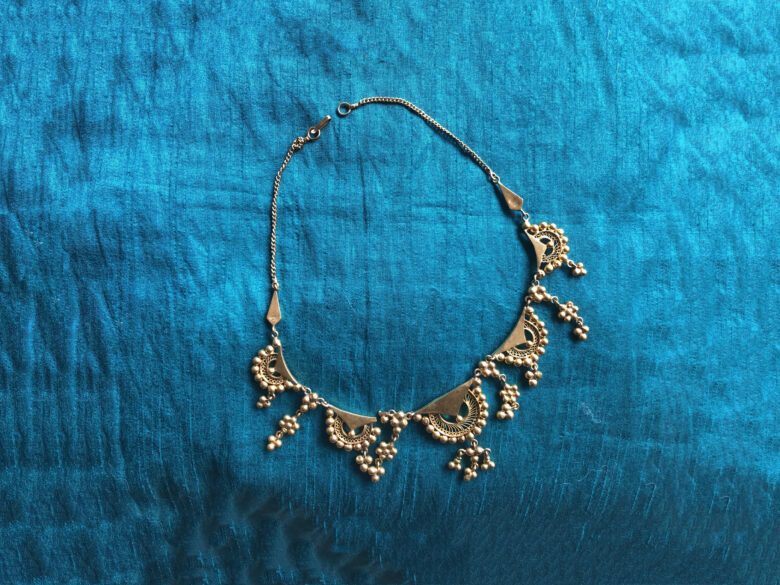
Kailash Marwah Nayyar would have been a new bride in 1947, only two years having passed to her marriage, when the family had to flee to India. Over the next few months, she sold her luxurious wedding trousseau piece by piece to help the family survive. This necklace is the only item that remains from it.

Train to India

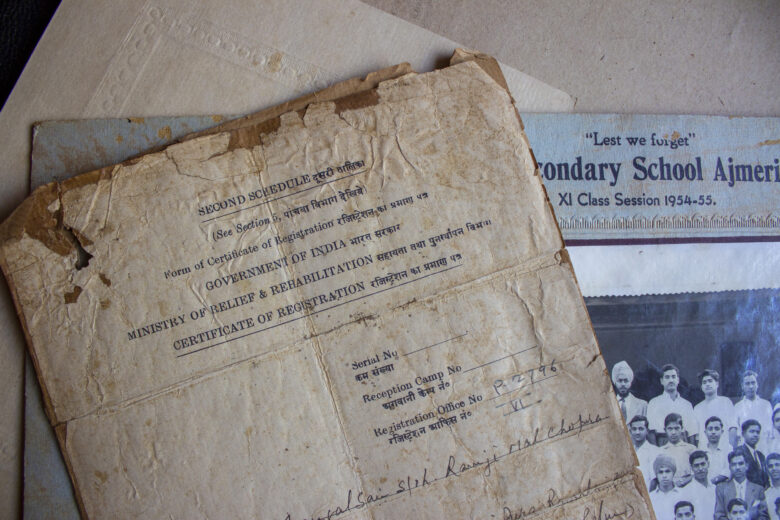
In October 1947, bauji registered himself at the Paharganj desk of the Ministry of Relief and Rehabilitation in Delhi. This refugee registration certificate issued by the Ministry became their first formal proof of belonging to this new land of independent India.

Close
© Copyright 2024. All rights reserved.
Close

Subscribe to the Museum

Receive a new story from somewhere in the Indian subcontinent in your inbox every week!

Loading